
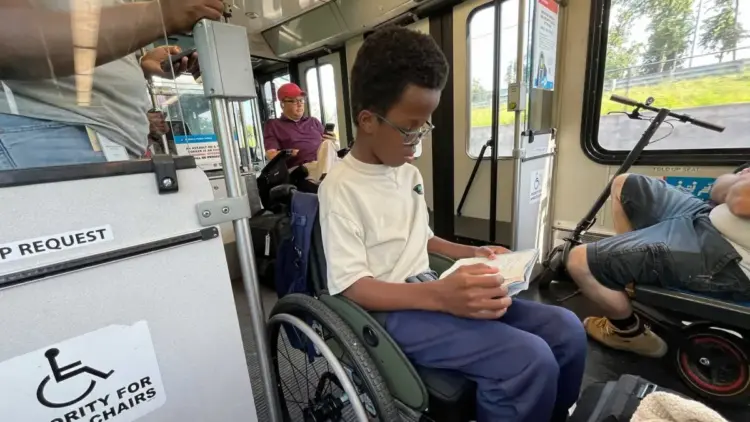
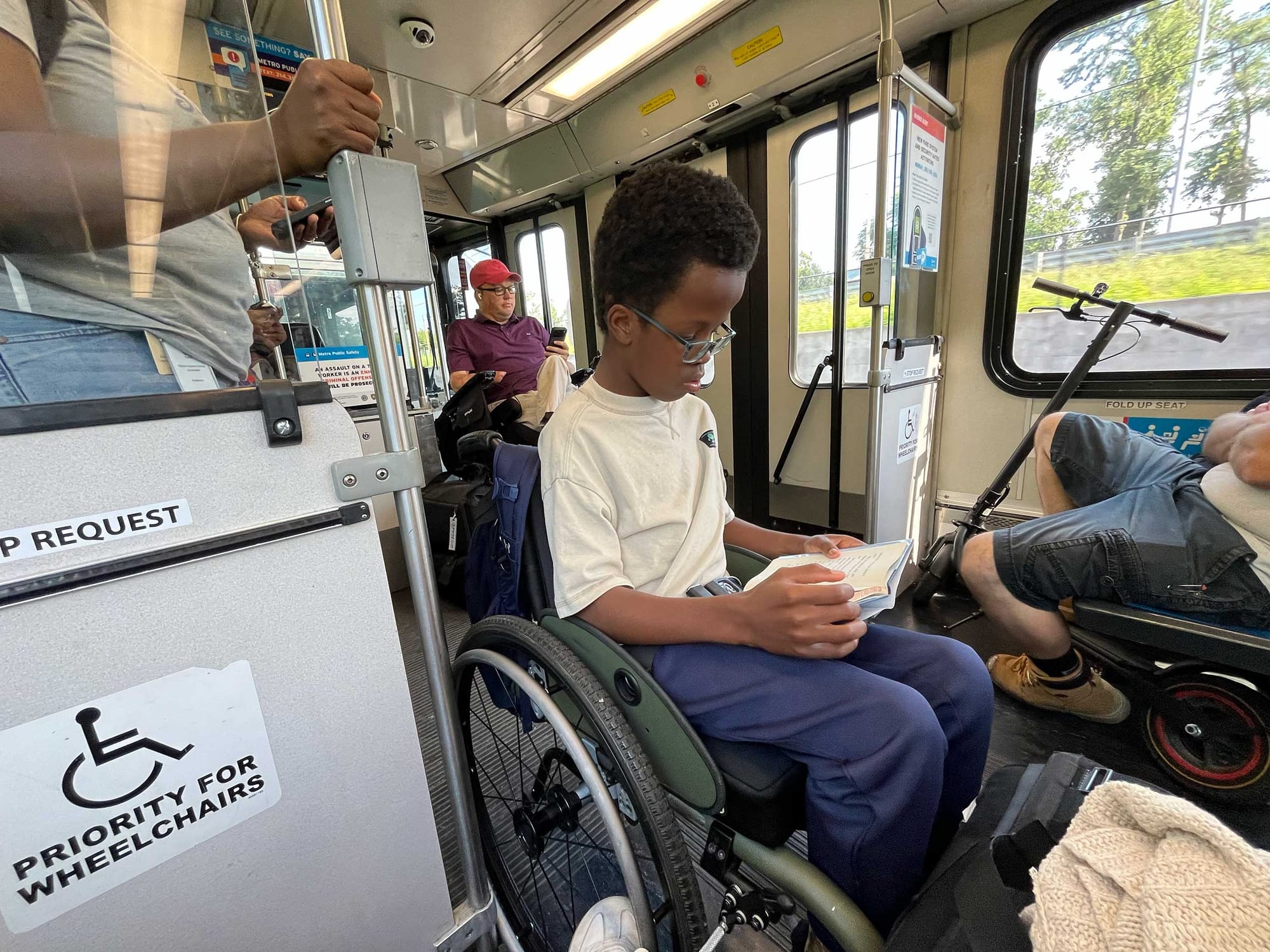
While the regular schedule of the Wheelchair Travel Newsletter takes a brief pause as John leads group tours in Europe—with a brand-new Summer 2027 tour announcement slated for his return—the conversation turns toward a universally cherished travel pastime: reading.
Whether logging hours on trains, waiting anxiously at departure gates, or weathering inevitable air travel delays, the transit experience offers ample opportunity for a good book. As part of ongoing work exploring boredom busters for young travelers, reading stands out as a foundational family activity. With nightly reading habits and a vibrant book group shared among close friends for nearly half a decade, the profound appreciation for literature within the household remains central to daily life.
That literary appreciation recently found a stunning new backdrop following a move to St. Louis. The city’s central library stands as a grand, historic building that radiates the classic atmosphere book lovers dream of. Inscribed around the exterior are thoughtful quotes on the power of literature, including a poignant observation from Andrew Carnegie: "I choose free libraries as the best agencies for improving the masses of the people because they only help those who help themselves. They never pauperize. A taste for reading drives our lower tastes."
Driven by a passion for introducing others to exceptional writing, the newsletter presents a curated selection of disability literature. Narrowing down hundreds of titles read over the years proved challenging, resulting in a selection of top-tier recommendations categorized across loose age groupings, from early childhood picture books to middle-grade novels and memoirs for young adults and adults.

Early Childhood Picture Books
Introducing young minds to diverse perspectives starts early, and picture books play an essential role in providing both "windows" to understand others and "mirrors" to reflect one’s own lived experience. Historically, a noticeable void existed in children’s literature for disabled kids seeking mirrors, making these selections particularly vital.
Among the early childhood favorites is What Happened to You? by James Catchpole. Having followed the Catchpoles for years via social media, the US release of the book in 2023 was met with immense enthusiasm. The story addresses the unspoken, often awkward experiences disabled children encounter with remarkable down-to-earth clarity. Through the main character, Joe, the book tackles the overwhelming reality of ingrained ableism in a way young children can easily grasp, providing language that families often struggle to articulate on their own.
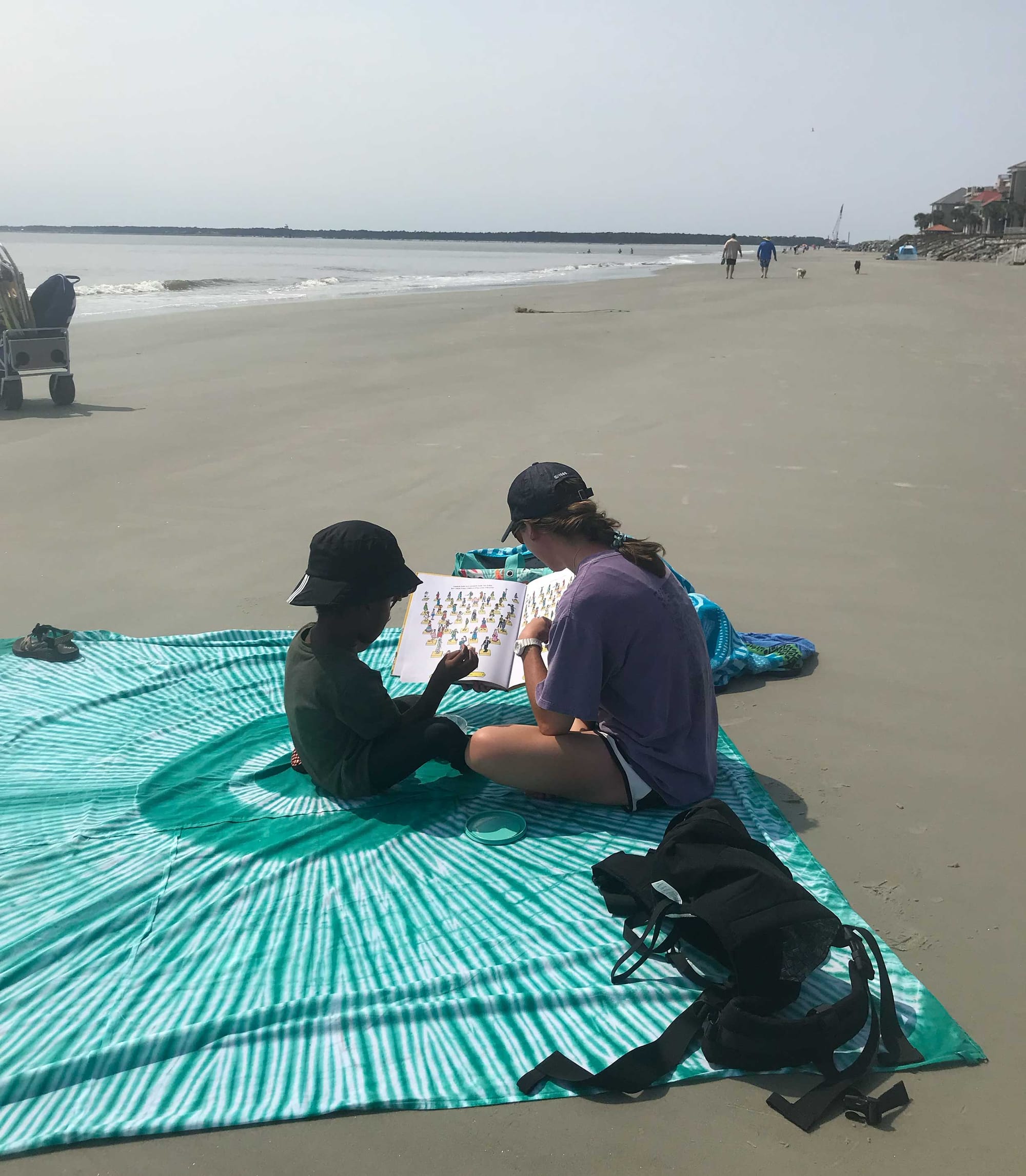
Another standout is Best Day Ever by Marilyn Singer, illustrated by Leah Nixon. This upbeat, cheerful story follows a puppy who adores her boy, who happens to use a wheelchair. The book offers effortless disability representation without needing to state it outwardly, helping fill the long-standing gap of authentic mirrors for disabled youth in children’s literature.
Rounding out the early childhood selections are I Talk Like a River by Jordan Scott and All the Way to the Top by Annette Bay Pimentel. Scott’s award-winning book draws on his own experiences with a stutter, following a boy who, with his father’s guidance, compares his speech pattern to the flow of a river. Its poetic writing and emotional depth make it a multi-generational read. Meanwhile, Pimentel’s illustrated biography introduces young readers to disability history through the true story of Jennifer Keelan-Chaffins, who participated in the historic Capitol Crawl as a child, proving that even the youngest voices can spark major movements for accessibility.
Middle Grade Novels
As children grow into middle grade readers, chapter books begin to tackle more complex narratives surrounding identity, friendship, and resilience.
A household favorite is Dusti Bowling’s Insignificant Events in the Life of a Cactus. The novel follows Aven, who was born without arms, as her family moves to a new state. Filled with humor, mystery, and self-discovery—alongside a supporting character with Tourette Syndrome—the book offers a realistic, refreshing portrayal where a character’s disability is central without being their sole defining trait. The novel has sparked meaningful family discussions about disability representation and the occasional nuances missed by non-disabled authors.
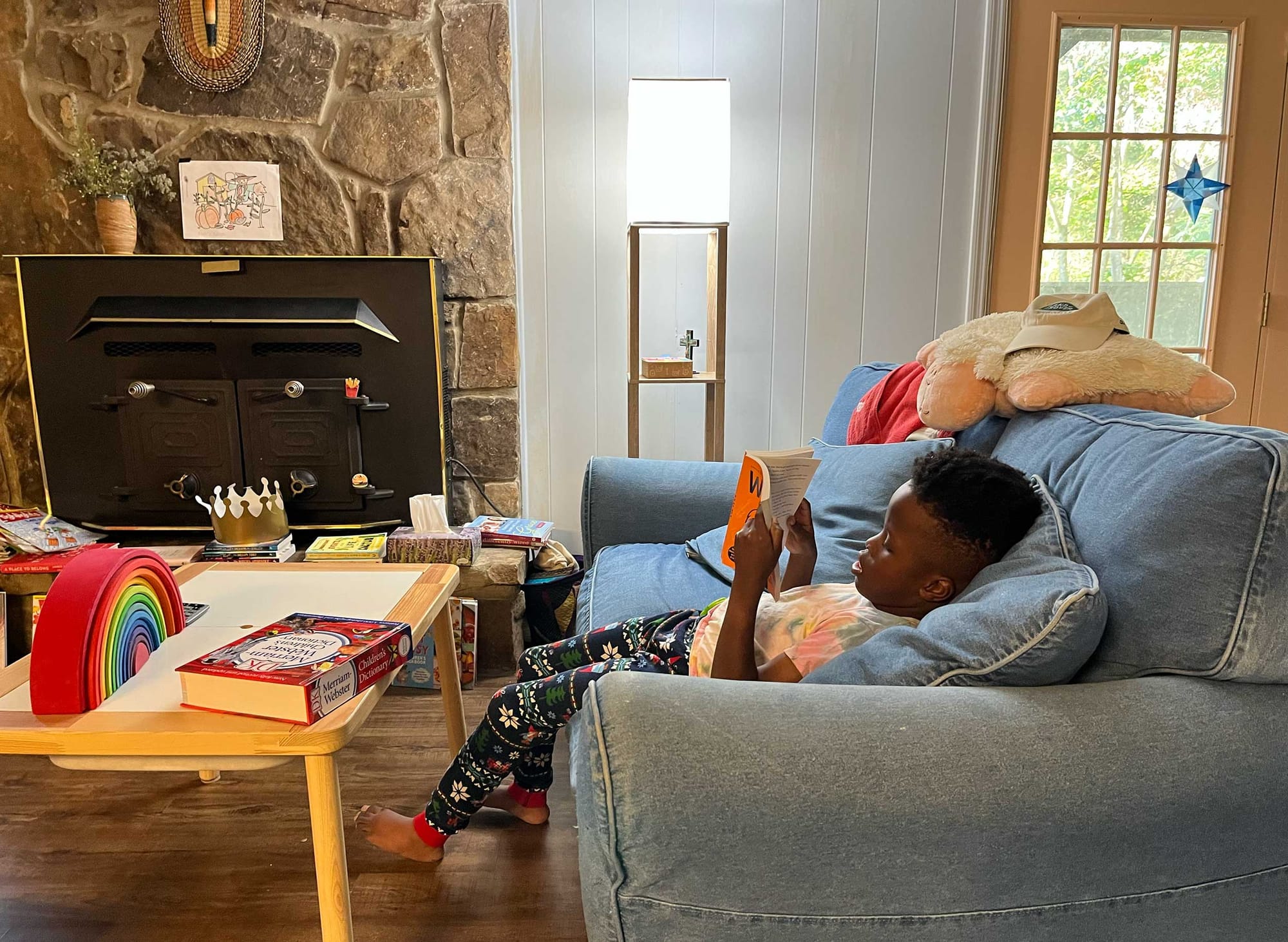
Similarly well-read and well-loved is Wink by Rob Harrell, featuring a cover worn by fingerprints and frequent re-readings. Based on the author’s early life experiences with a rare form of eye cancer, the story follows Ross as he navigates middle school following a diagnosis. Blending quirkiness, music, and hard-earned life lessons, the novel resonates deeply with anyone who has ever felt like they did not quite fit the typical mold.
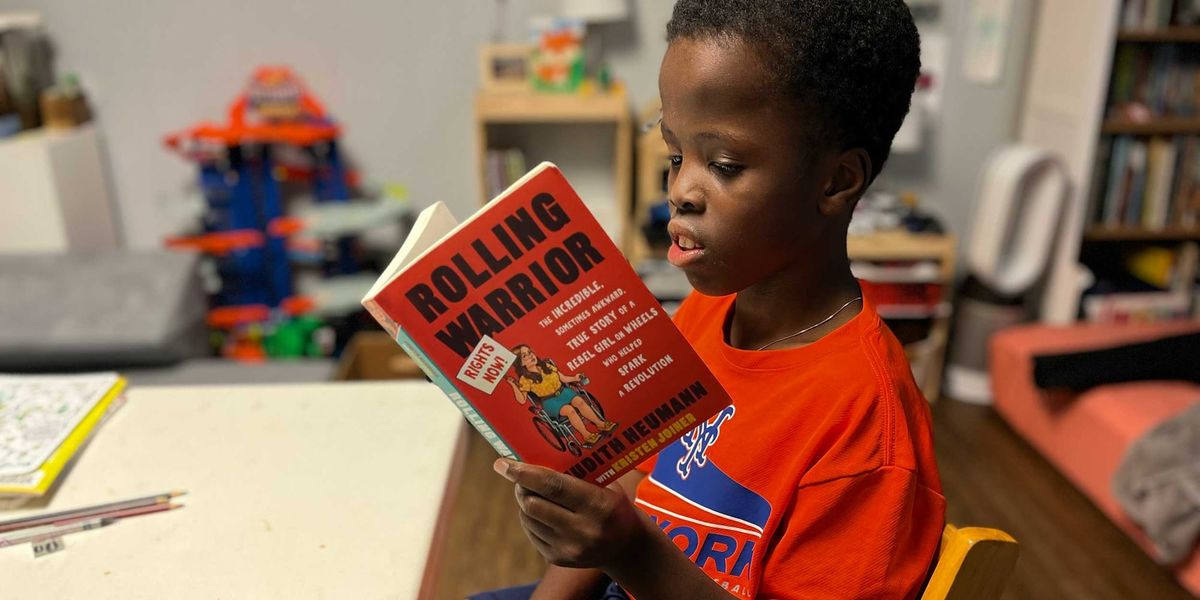
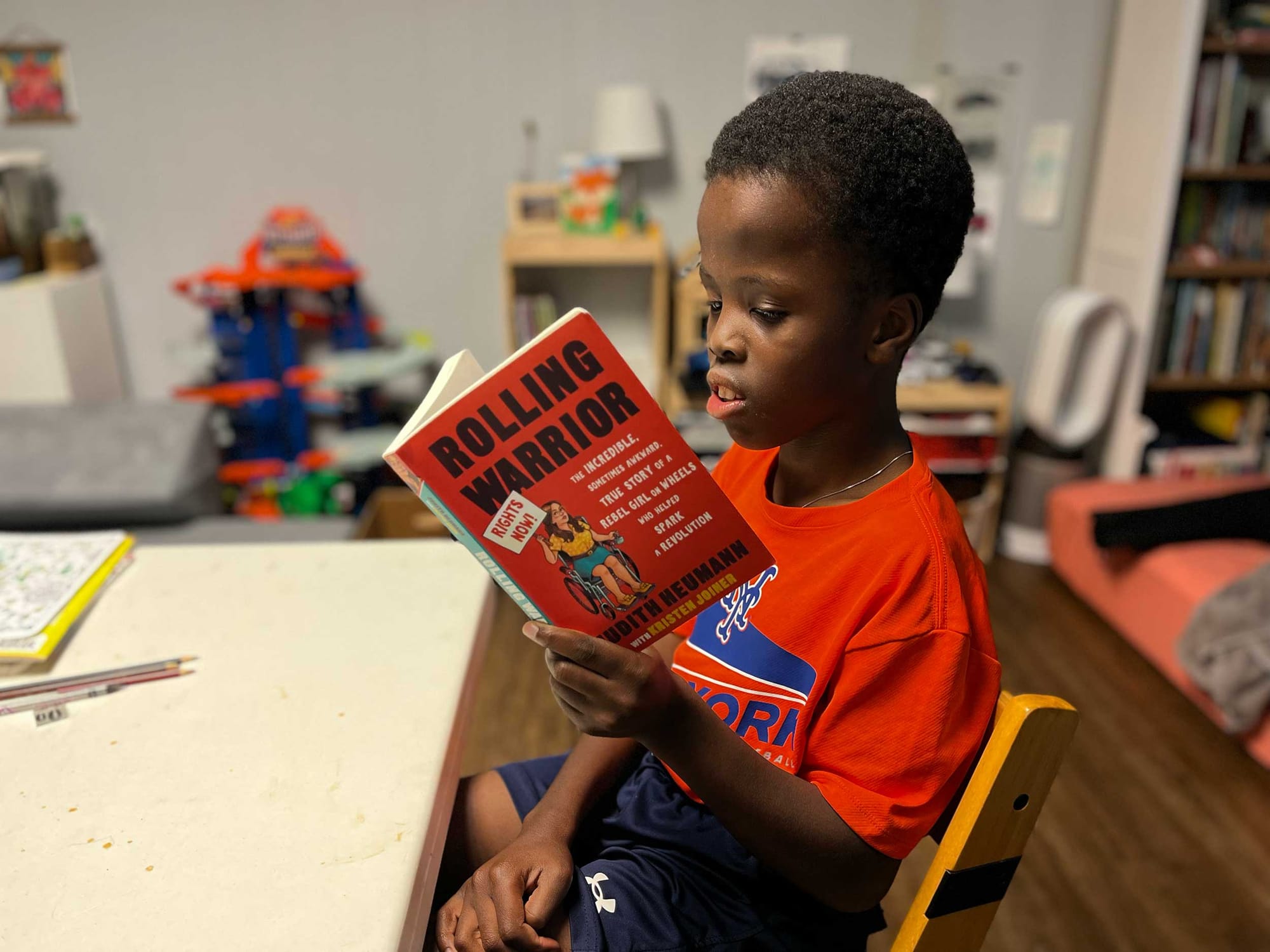
Biographies and anthologies also anchor this age group, notably Rolling Warrior by Judith Heumann and Kristen Joiner, adapted for younger readers from Heumann’s adult memoir. Detailing her journey as a young activist on wheels who helped spark a revolution, the book inspires action and a sense of shared identity. It is complemented by Cerrie Burnell’s I Am Not a Label, an uplifting collection highlighting the accomplishments of over 30 disabled artists, thinkers, performers, and activists, pushing back against limiting stereotypes and expanding possibilities for young readers.
Titles for Young Adults and Adults
For mature readers, memoirs offer a profound lens into the human experience, challenging assumptions and reshaping societal perspectives.
Rebekah Taussig’s Sitting Pretty stands out as an early introduction to disabled authors. Through a series of thoughtful essays, Taussig unpacks disability both personally and in a broader societal context with nuance and uncompromised realism, successfully maintaining a grounded sense of hope that challenges readers to examine their own worldviews.
Equally transformative is Ariel Henley’s A Face for Picasso, a raw and poignant memoir detailing the author’s experiences growing up with Crouzon Syndrome, a rare condition causing premature fusion of skull bones. Henley dives deeply into the often-overlooked conversations surrounding identity and beauty with bold honesty.
The list is anchored by foundational figures in the disability rights movement. Judith Heumann’s Being Heumann: An Unrepentant Memoir of a Disability Rights Activist offers an unflinching, detailed personal account of major historical milestones, from the landmark 504 Sit-In and the passage of the Americans with Disabilities Act to serving as Special Advisor on Disability Rights for the U.S. State Department under the Obama administration.

Finally, Haben Girma’s Haben: The Deafblind Woman who Conquered Harvard Law shares the remarkable journey of a woman who continually adapted, advocated, and forged her own path in an unaccommodating world. Girma’s inspiring outlook recontextualizes disability not as an obstacle to be overcome, but as a powerful driver for innovation.
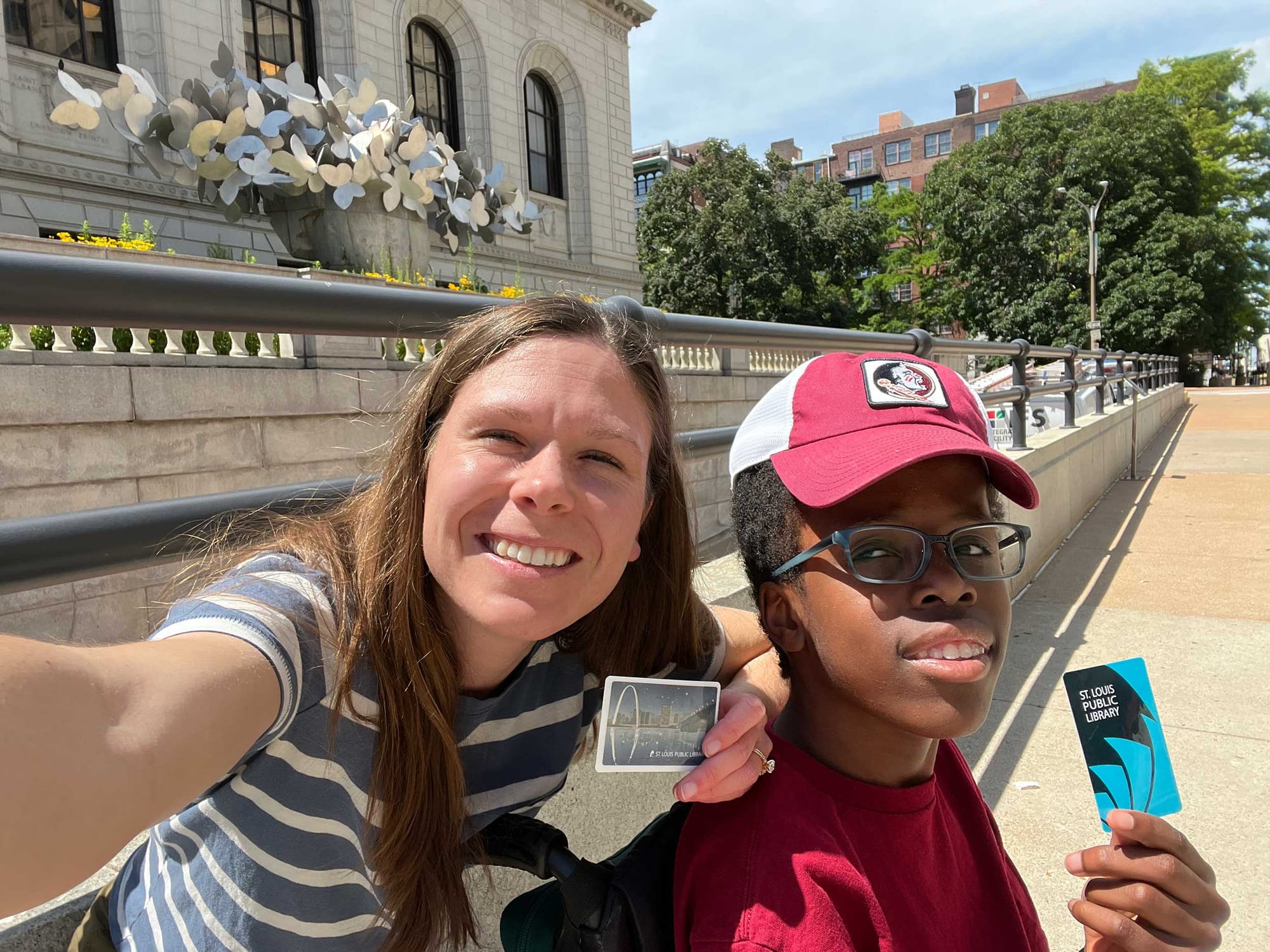
As travelers visit their local libraries to check out these titles, community members are also encouraged to inquire about additional library card benefits, which frequently include free or discounted tickets to local museums and cultural attractions across the country.



