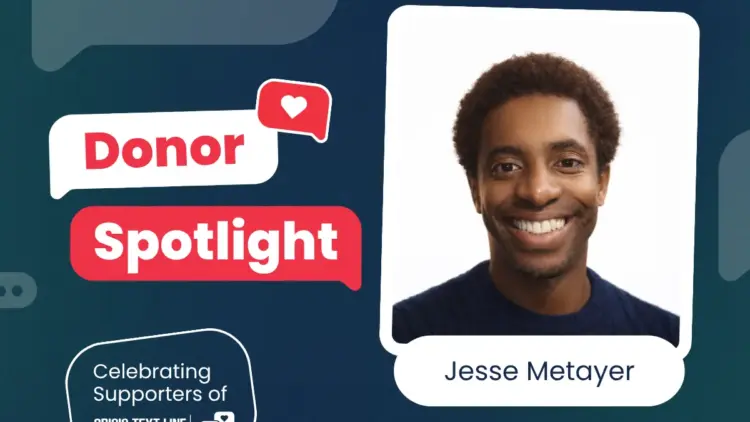
Every text message received by a crisis intervention service is answered because someone believed it mattered enough to make that connection possible. For many individuals navigating their darkest moments, that vital lifeline is kept open through the dedication of donors, volunteers, and mental health advocates whose generosity helps train the Crisis Counselors who show up for texters in their greatest time of need. This month, the spotlight shines on Jesse Meyer, an individual whose personal journey through adversity has shaped a profound commitment to ensuring that free, 24/7 mental health support remains available to anyone who reaches out.
Meyer’s path to becoming a steadfast advocate and donor was forged through his own early experiences with mental health challenges and the transformative power of professional support. Reflecting on his formative years, Meyer shares that he spent much of his childhood feeling different from his peers. Throughout school, he was placed in learning disability classes and constantly tried to hide how difficult everyday academic and social situations were for him. The compounding pressures eventually led him to drop out of college at the age of 18, after which he began to isolate himself from friends and family.
In what he describes as his darkest moment, Meyer felt like there was no hope left for his future. Faced with overwhelming emotional distress, he made the pivotal decision to reach out for help, a choice that fundamentally altered the trajectory of his life. When he entered therapy, he encountered a professional who listened with empathy, providing the emotional support and practical resources he needed to gradually improve his mental health.
That experience illuminated the critical importance of seeking professional help when individuals feel that all hope is lost. Reflecting on his initial hesitation, Meyer notes that he used to believe therapy was exclusively intended for people with severe mental illnesses—a pervasive societal stigma that he now recognizes as entirely untrue. Through his own recovery, he came to understand that anyone, at any given moment, can experience profound difficulties in life and deserve a safe space to process their emotions without fear of judgment.
Translating Personal Growth Into Crisis Intervention
The empathy and resilience Meyer cultivated during his own healing process naturally translated into action when he chose to get involved with Crisis Text Line. As both a financial donor and a trained volunteer, he participates directly in the mission of the organization. During his comprehensive six-week initial training program, Meyer learned specialized emotional de-escalation techniques that he has since applied directly when communicating with individuals reaching out for help.
By utilizing these communication strategies, Meyer has repeatedly experienced the profound impact of turning initial "hot moments" during conversations into "cool moments." These techniques allow him to gently guide texters from a state of acute emotional distress to a place of greater calm and empowerment by the end of their chat sessions. For Meyer, knowing that he can actively make a difference in someone else’s life during their most vulnerable hours brings a deep sense of personal satisfaction and purpose.
Meyer emphasizes that supporting mental health initiatives, particularly crisis intervention, is vital because individuals suffering from emotional distress are often the people we encounter every day in our communities. Through his volunteer work, he has learned that active listening is a learned skill that requires immense patience and critical thinking. It enables supporters to truly comprehend a person’s words, underlying emotions, and specific needs, rather than rushing to conclusions.
The reciprocal nature of this volunteer work has also profoundly impacted Meyer’s professional and personal life. He notes that the discipline of slowing down and listening before judging has taught him never to make important decisions when his emotions are running high. By applying that same patience and empathy to his everyday life, he is better equipped to handle stressful situations, avoid unfair misunderstandings, and foster stronger, more compassionate relationships with his friends and family.
The Impact of Sustained Giving and Community Support
For Meyer, philanthropic giving is deeply rooted in the tangible impact it has on the lives of people in acute need. Crisis Text Line provides free, confidential, 24/7 mental health support to anyone who requires assistance, regardless of their financial circumstances. Meyer points out that his financial contributions and active participation help ensure the platform remains entirely free and operational around the clock.
This accessibility is especially crucial for individuals who might otherwise lack access to professional emotional help due to financial barriers, systemic poverty, or acute hardships such as disasters or war. Knowing that donors act as the backbone keeping the platform active brings Meyer a profound sense of validation, gratitude, and self-worth. When texters express their gratitude at the end of a difficult conversation, it reinforces his commitment to remaining involved as both a donor and a volunteer.
Meyer’s dedication to maintaining his own mental health serves as the foundation for his continued advocacy and community involvement. Alongside his volunteer work with Crisis Text Line, he finds joy, tranquility, and balance through his active involvement in his church, working on personal initiatives like the StarTalk app, visiting the gym, and taking long walks in local parks.
For anyone considering supporting the organization, Meyer offers a clear and reassuring message: donors are directly helping individuals navigate disasters, systemic poverty, and personal hardships by keeping essential emotional support free and accessible. To those who may currently be struggling with their own mental health, Meyer shares a final, enduring reminder drawn from his own lived experience: you are never alone, and reaching out for help is always the courageous first step toward hope.