Carlos Murillo has spent his 30s demonstrating that physical disability does not have to restrict adventure, ambition, or personal purpose. A 32-year-old resident of Illinois, Murillo was born with spina bifida, a spinal birth defect, and began using a wheelchair at the age of three. Rather than allowing his condition to define the boundaries of his life, Murillo has spent years aggressively pursuing extreme sports, accessible travel, and athletic fandom, consistently proving that physical challenges can be adapted and overcome.
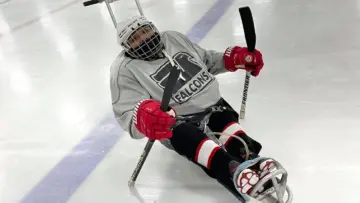
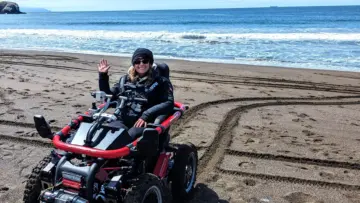
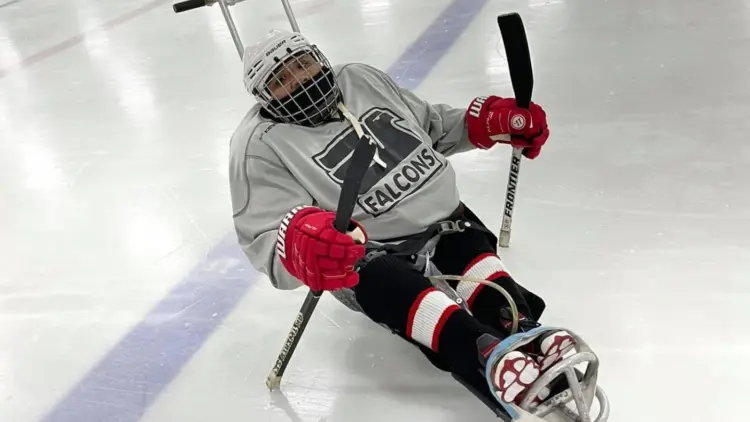
To date, Murillo has built a remarkable portfolio of achievements across a diverse array of high-octane activities. His athletic resume includes zip-lining, waterskiing, kayaking, snow skiing, scuba diving, go-kart racing, sled hockey, wheelchair rugby, archery, horseback riding, rock climbing, cycling, and para-motoring. Simultaneously, he has embarked on an ambitious journey to visit sports venues across the United States and international borders, all while curating a continuously expanding travel and thrill-seeking bucket list.
Murillo’s journey is driven by a combination of adaptive sports programs, careful travel planning, personal determination, and an unwavering refusal to let structural or physical obstacles limit his horizons. Through his ongoing pursuits, Murillo offers a candid look
into the practicalities of adaptive recreation, the nuances of venue accessibility, and the mindset required to navigate the world as a wheelchair user seeking high-adrenaline experiences.
Origin Story and Mindset
Murillo’s entry into the world of adaptive athletics began nearly two decades ago. His initial turning point occurred in 2007 during a Christmas party, where he was introduced to wheelchair basketball through the Great Lakes Adaptive Sports Association (GLASA). That single event sparked a lifelong interest in adaptive recreation, though his approach to adventure transformed significantly as he matured.
While sports had long been a part of his routine, the concept of turning his personal ambitions into a structured, proactive mission took shape roughly two years ago. Recognizing that there were numerous extreme sports and travel goals he wished to accomplish but lacked a roadmap to achieve, Murillo formally established a personal bucket list. The process of documenting his goals provided the structure needed to seek out specialized programs, equipment, and travel arrangements.
For Murillo, the definition of adventure has evolved dramatically in recent years. Entering his 30s brought a renewed perspective and an expanded drive to explore activities he had not considered during his 20s. When reflecting on the inevitable doubts or initial anxieties that come with trying unfamiliar, high-risk adaptive sports, Murillo maintains a pragmatic, forward-looking philosophy, noting that he views setbacks not as failures or regrets, but as essential learning experiences that inform his next attempt.
Adaptive Sports
Navigating the world of adaptive athletics requires a combination of specialized equipment, specialized coaching, and personal resilience. Over the years, Murillo has engaged with a wide variety of organizations dedicated to making non-traditional sports accessible, including GLASA, H2O Adaptive Sports, Diveheart, Shirley Ryan AbilityLab, and the Wisconsin Adaptive Ski Association.
For newcomers entering these adaptive programs, the initial experience centers on community interaction and hands-on trial. Athletes are introduced to modified equipment tailored to their specific mobility needs, allowing them to test different sports in a supportive environment alongside peers and experienced coaches.
Despite the technical adjustments required across different disciplines, Murillo notes that his technical learning curve relies less on complex mechanical strategies and more on repetition, adaptability, and trial and error. Each sport presents distinct physical demands. For instance, while high-speed activities like zip-lining provided an unexpected initial thrill—largely because Murillo was initially unaware that adaptive rigging programs existed for wheelchair users—other sports presented rigorous physical challenges. Handcycling, particularly navigating steep uphill ascents, proved to be one of the most physically demanding activities he has undertaken due to the intense upper-body exertion required.
Through his extensive participation, Murillo has identified several sports that immediately captured his passion, including zip-lining, para-motoring, and waterskiing. His participation in these disciplines demonstrates the growing availability of specialized adaptive gear, which allows individuals with spinal cord differences to safely participate in water, aerial, and land-based extreme sports.
Bucket List and What’s Next
Far from content with his past accomplishments, Murillo continues to expand his list of future objectives, focusing heavily on speed and aerial experiences. His upcoming high-priority goals include participating in NASCAR ride-along experiences, high-speed supercar drives, and adaptive paragliding, driven primarily by a desire for high-adrenaline excitement.
His comprehensive bucket list also features helicopter flights, parasailing, adaptive surfing, whitewater rafting, adaptive mountain biking, skydiving, and extensive international travel. Evaluating which activities move from a passing thought to an actionable goal involves a practical assessment of safety, logistics, pros and cons, and overall appeal.
Managing the list is an ongoing process. As items are completed, Murillo actively researches new opportunities online, continually discovering novel adaptive programs and travel destinations. While he expresses enthusiasm for upcoming challenges like supercar rides and parasailing, he acknowledges the natural apprehension that accompanies activities with unpredictable natural elements, such as adaptive surfing and whitewater rafting.
Sports Fandom and the Stadium Tour
In addition to participating in adaptive athletics, Murillo is an avid sports fan whose passion has translated into an extensive stadium tour. He has visited venues across a broad spectrum of athletic leagues, including Major League Baseball (MLB), the National Hockey League (NHL), the National Basketball Association (NBA), the National Collegiate Athletic Association (NCAA), the National Women’s Soccer League (NWSL), rugby leagues, and minor league baseball.
Murillo’s venue-collecting goal stems from a straightforward love of live sports and a desire to experience as many iconic and local athletic venues as possible. Minor league baseball ballparks hold a particularly prominent place on his itinerary, with visits to stadiums in cities such as Schaumburg and Kenosha, as well as South Bend, Indiana; Midland, Michigan; and San Antonio, Texas.
The appeal of minor league venues lies largely in their affordability and intimate community atmosphere. To coordinate these visits, Murillo frequently conducts direct outreach to team front offices and ticket operations departments to inquire about accessible seating options and complimentary ticket programs for fans with disabilities.
His extensive stadium travels have also provided him with first-hand insight into venue accessibility standards. While accessibility compliance can vary significantly across older and newer facilities, Murillo highlighted Wintrust Field, home of the Schaumburg Boomers in Illinois, as a facility that excels in providing seamless accommodations and an exceptional experience for wheelchair users. His venue list remains open-ended, with numerous stadiums across the country targeted for future visits.
Accessible Travel
Murillo’s travel footprint extends well beyond his home state of Illinois. He has traveled extensively across the United States, visiting California, Texas, Florida, Michigan, Indiana, Minnesota, and Wisconsin, alongside international trips to Canada and Mexico.
Traveling as a power or manual wheelchair user requires meticulous advance research and coordination. Unlike spontaneous travel, accessible trips mandate detailed verification of hotel accommodations, roll-in shower availability, accessible ground transportation, and the overall physical infrastructure of target destinations.
Through his domestic and international journeys, Murillo has observed stark contrasts in environmental accessibility. Domestically, states like California and Texas stood out favorably for their developed accessibility infrastructure, public transit options, and compliance with physical accessibility standards. Conversely, international destinations present unique physical barriers; for example, historic locations in Mexico posed significant mobility challenges due to extensive cobblestone streets and uneven walkways.
Looking ahead, Murillo is preparing for an international cruise that will take him to Honduras, the Bahamas, and Mexico. Reflecting on the realities of travel advocacy, he emphasizes that public travel resources often sanitize the difficulties faced by disabled travelers, failing to clearly communicate that true universal accessibility remains rare. His primary advice to other wheelchair users contemplating their first independent or solo trip is straightforward: overcome initial hesitancy, exercise thorough preparation, and remain fearless.
Advocacy and Message
Through his personal journey, Murillo hopes to shift broader public perceptions surrounding disability, adaptive sports, and physical potential. A central element of his message is raising awareness about the existing ecosystem of adaptive athletic organizations, emphasizing that opportunities for extreme sports exist for individuals willing to research and pursue them.
To individuals who have recently experienced a mobility-limiting injury or diagnosis and believe their adventurous years are over, Murillo offers direct encouragement to resist self-limitation and remain willing to try new experiences.
Driven by support from his coaches and a strong sense of personal accountability, Murillo views perseverance as a non-negotiable principle. Reflecting on his journey from his first wheelchair at age three to his current slate of extreme sports, he remains proud of his personal track record, attributing his accomplishments to hard work, active research, and an unwavering commitment to pushing past perceived physical boundaries.