Readers of the Wheelchair Travel Newsletter will find the publication returning to its regular schedule next week, following a brief hiatus while John leads group trips across Europe. Alongside these ongoing international adventures, organizers have announced that a brand-new Summer 2027 tour will be officially revealed upon his return.
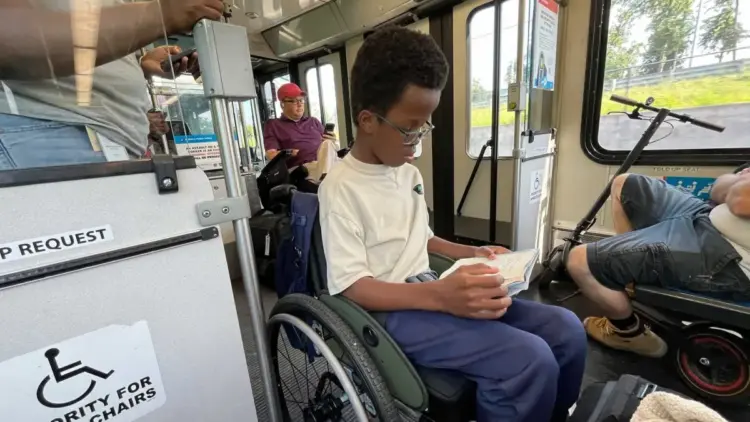
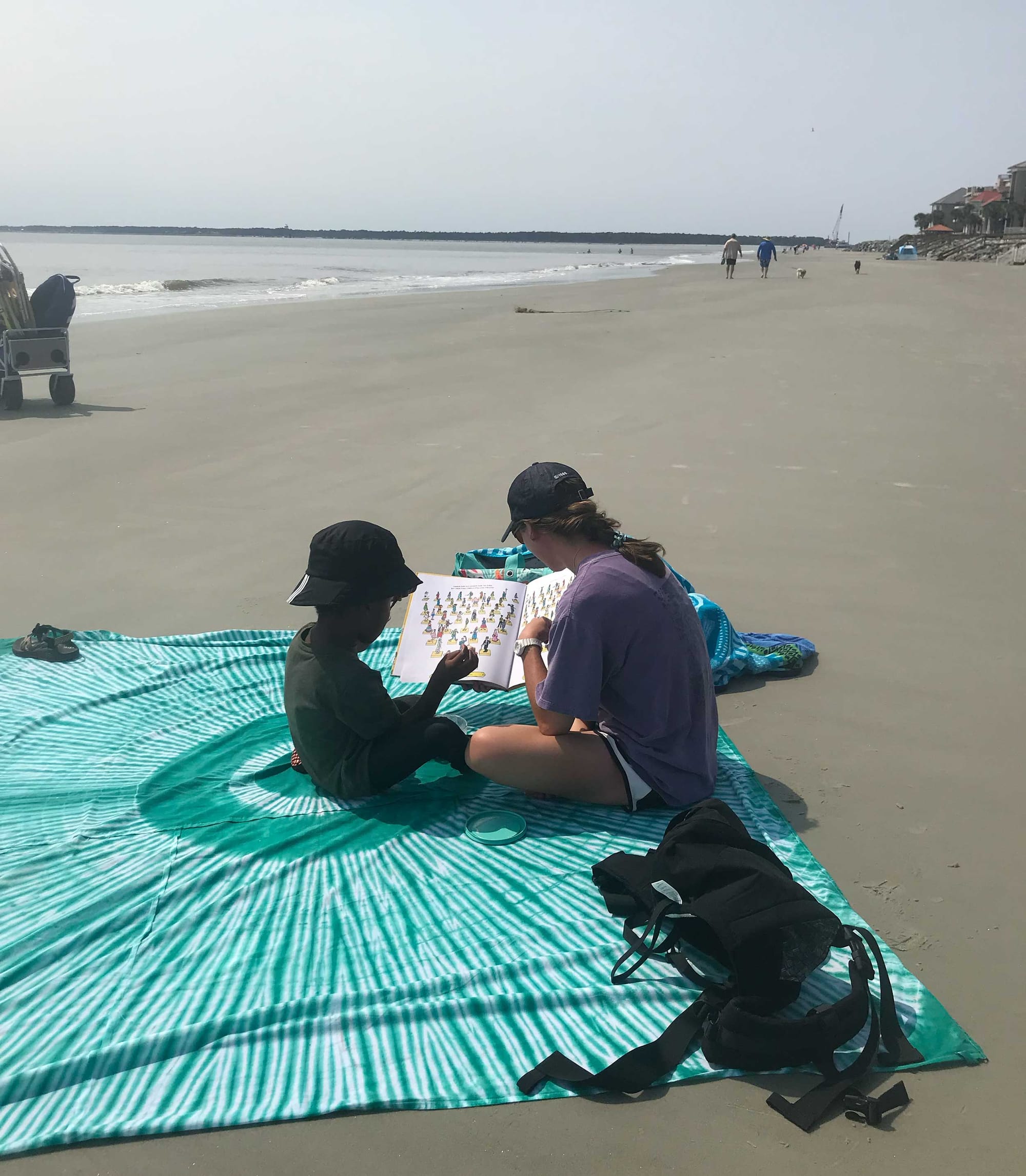
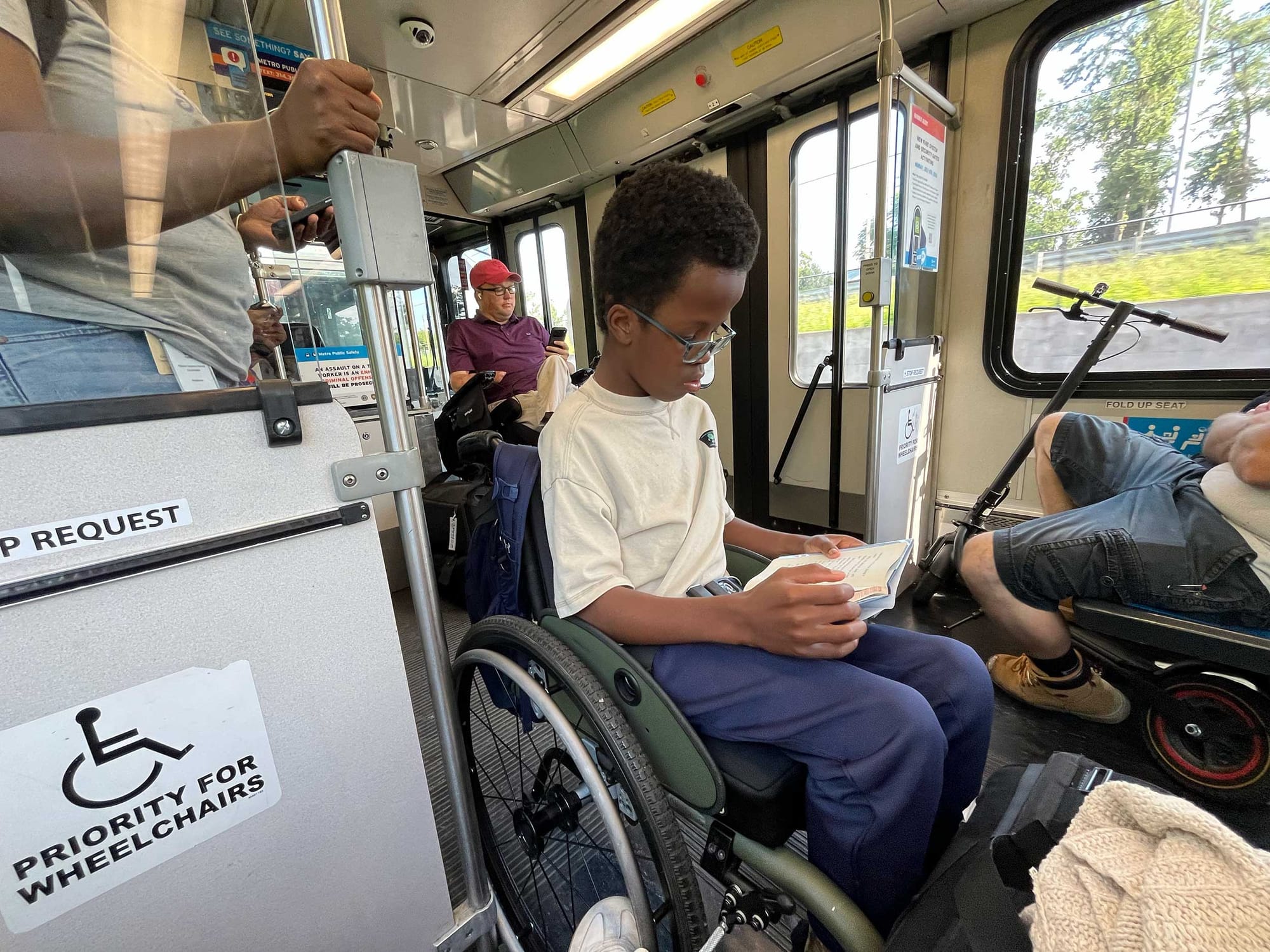
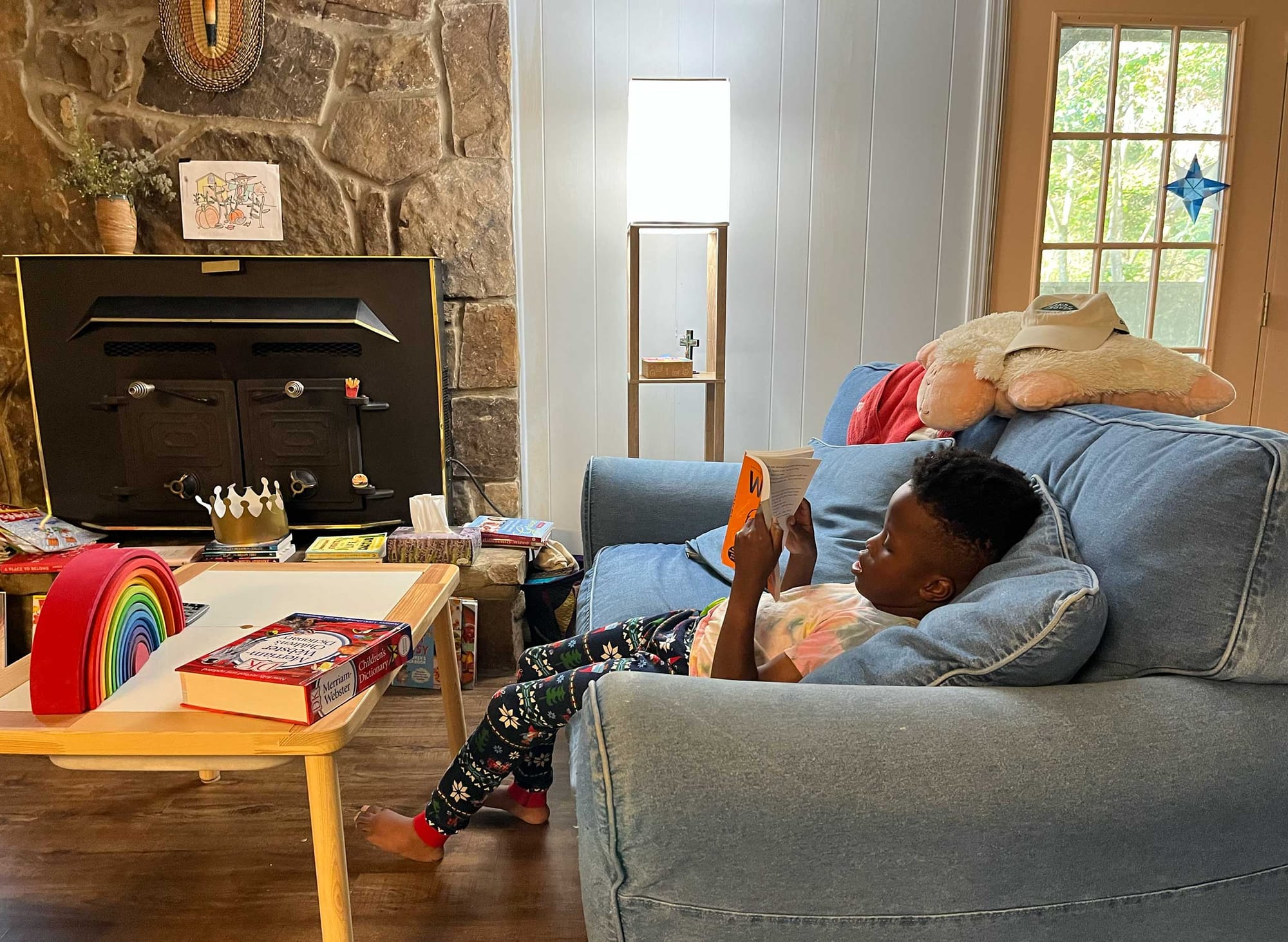
Between time spent navigating train stations, waiting at boarding gates, and managing inevitable air travel delays, journeys provide ample opportunity for a good read. Travel activities frequently center around books, echoing broader family traditions that include nightly reading habits and longstanding participation in local book groups. Public transit and terminal waiting areas highlight the value of engaging literature as a reliable companion for passengers of all ages.
The backdrop for this literary focus is the newly adopted home library in St. Louis, Missouri. Housed in a grand, historic building that embodies the traditional atmosphere of a classical institution, the facility features inspirational quotes inscribed along its exterior walls. Among them is a notable reflection by industrialist and philanthropist Andrew Carnegie, who observed that public libraries serve as vital agencies for self-improvement by helping individuals who are willing to help themselves, fostering a taste for reading that supersedes lesser pursuits.
Drawing from a collection built over hundreds of titles read through the years, the newsletter presents a curated selection of disability literature across three distinct age groups. This editorial overview emphasizes the importance of diverse storytelling, categorized by early childhood picture books, middle grade novels, and titles suited for young adults and adults.
Early Childhood Picture Books
Introducing young readers to inclusive narratives helps establish foundational perspectives on empathy, representation, and shared human experiences. Several picture books stand out for their ability to articulate nuanced social realities for young audiences.
What Happened to You? by James Catchpole brings a grounded approach to a universal experience shared by many disabled children. Released in the United States in 2023, the book addresses the subtle and overt currents of ingrained ableism through the perspective of its main character, Joe. The narrative provides language for young readers and families to address awkward public inquiries and societal assumptions, bridging a communication gap that many children previously lacked the vocabulary to navigate.

Marilyn Singer’s Best Day Ever offers an upbeat, accessible story centered around a puppy who adores her young owner, a boy who happens to use a wheelchair. Illustrated by Leah Nixon, the book delivers disability representation naturally, without defining the character solely by his medical equipment or mobility aids. Within children’s literature theory, books often function as either "windows" into unfamiliar lives or "mirrors" reflecting one’s own lived experience. While both are essential, children’s literature has historically suffered from a significant shortage of mirrors for disabled youth, a gap this book helps to address.
Jordan Scott’s award-winning I Talk Like a River explores the experience of a boy who stutters, drawing a parallel between his speech patterns and the fluid movement of a river with the guidance of his father. The book’s poetic text and evocative illustrations offer an authentic representation that resonates across generations, making it a compelling read for families to share together.
Rounding out the early childhood category is Annette Bay Pimentel’s All the Way to the Top, an illustrated biography chronicling the childhood activism of Jennifer Keelan-Chaffins. The book captures Jennifer’s participation in the historic Capitol Crawl, weaving her personal journey into the broader narrative of the disability rights movement. By focusing on a young person who helped drive systemic change, the biography demonstrates that contributors of any age can play a role in making the world more accessible.
Middle Grade Novels
As children grow into middle grade readers, literature begins to tackle more complex social dynamics, personal identity, and adolescent independence.
Dusti Bowling’s Insignificant Events in the Life of a Cactus has emerged as a favorite among young readers, offering a realistic and humorous portrayal of a protagonist, Aven, who was born without arms. While Aven’s physical attributes are central to her daily life, the narrative expands into a rich story of family relocation, friendship, mystery, and self-discovery, which also incorporates a supporting character with Tourette Syndrome. The book provides a springboard for discussions regarding nuanced characterizations and representation in modern fiction.
Rob Harrell’s Wink draws upon the author’s own adolescent experience with a rare form of eye cancer. The protagonist, Ross, attempts to navigate the social complexities of middle school following his diagnosis. Infused with humor, music, and art, the story resonates with readers who understand the feeling of not fitting in with typical peer expectations, earning a dedicated following among young readers.
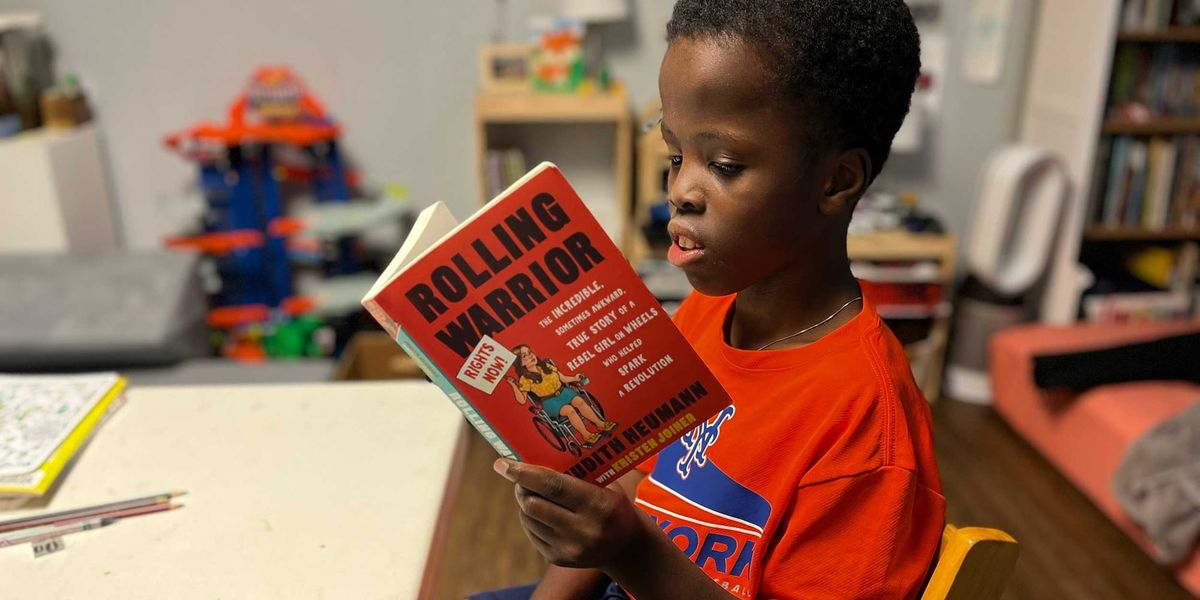
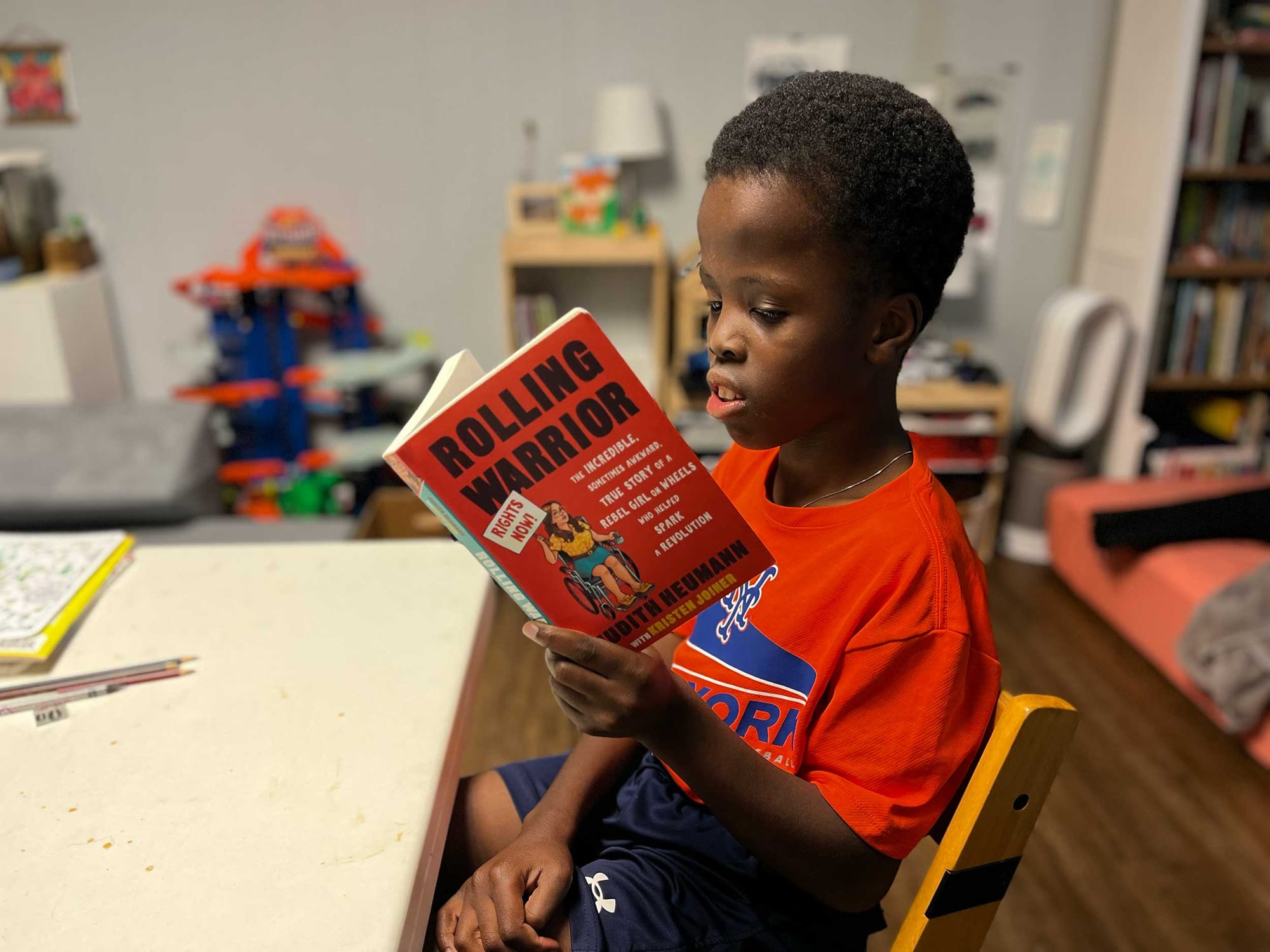
Judith Heumann and Kristen Joiner’s Rolling Warrior adapts Heumann’s pioneering adult memoir for a younger audience, offering an inside look at the history of the disability rights movement through the eyes of a young advocate. Subtitled The Incredible, Sometimes Awkward, True Story of a Rebel Girl on Wheels Who Helped Spark a Revolution, the book introduces readers to the persistence and bravery required to challenge institutional barriers.
Cerrie Burnell’s I Am Not a Label profiles more than 30 disabled artists, thinkers, performers, and activists. By celebrating the distinct achievements of real individuals, the collection pushes back against limiting stereotypes and provides inspiring role models for children exploring their own potential.
Titles for Young Adults and Adults
For mature readers, memoirs and essay collections offer deep reflections on identity, societal perceptions, and historical progress.
Rebekah Taussig’s Sitting Pretty presents a collection of personal essays exploring disability through both an individual lens and a broader cultural framework. Taussig’s writing avoids sentimentality while maintaining an authentic sense of hope, examining how physical spaces and social attitudes shape the human experience.
Ariel Henley’s A Face for Picasso delivers a raw and poignant memoir about growing up with Crouzon Syndrome, a rare condition causing premature fusion of skull bones. Henley reflects on identity, societal standards of beauty, and the internal work required to navigate a world obsessed with outward appearances.
Judith Heumann’s comprehensive memoir, Being Heumann: An Unrepentant Memoir of a Disability Rights Activist, co-written with Kristen Joiner, chronicles her decades-long career at the forefront of the disability rights movement. From organizing the historic Section 504 sit-ins to advocating for the passage of the Americans with Disabilities Act and serving as Special Advisor on Disability Rights for the U.S. State Department, Heumann provides an unvarnished account of major legislative milestones.
Haben Girma’s Haben: The Deafblind Woman who Conquered Harvard Law details the author’s journey through higher education and legal advocacy. Rather than framing her success solely as an overcoming of personal limitations, Girma focuses on the systemic adjustments required to navigate an inaccessible society, championing disability as a powerful driver of innovation.
Beyond book selections, library patrons are encouraged to consult local staff regarding additional community resources. Public libraries across the country frequently extend benefits beyond book lending, offering cardholders free or discounted admission tickets to local museums, cultural centers, and tourist attractions.