Readers of the Wheelchair Travel Newsletter can expect a brief hiatus in the regular publication schedule as John returns from leading group tours across Europe. Alongside his return, travelers and community members can look forward to the official announcement of a brand-new Summer 2027 tour.
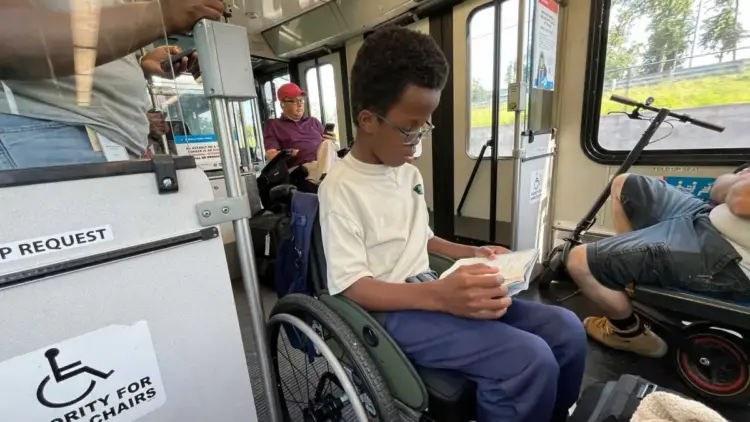
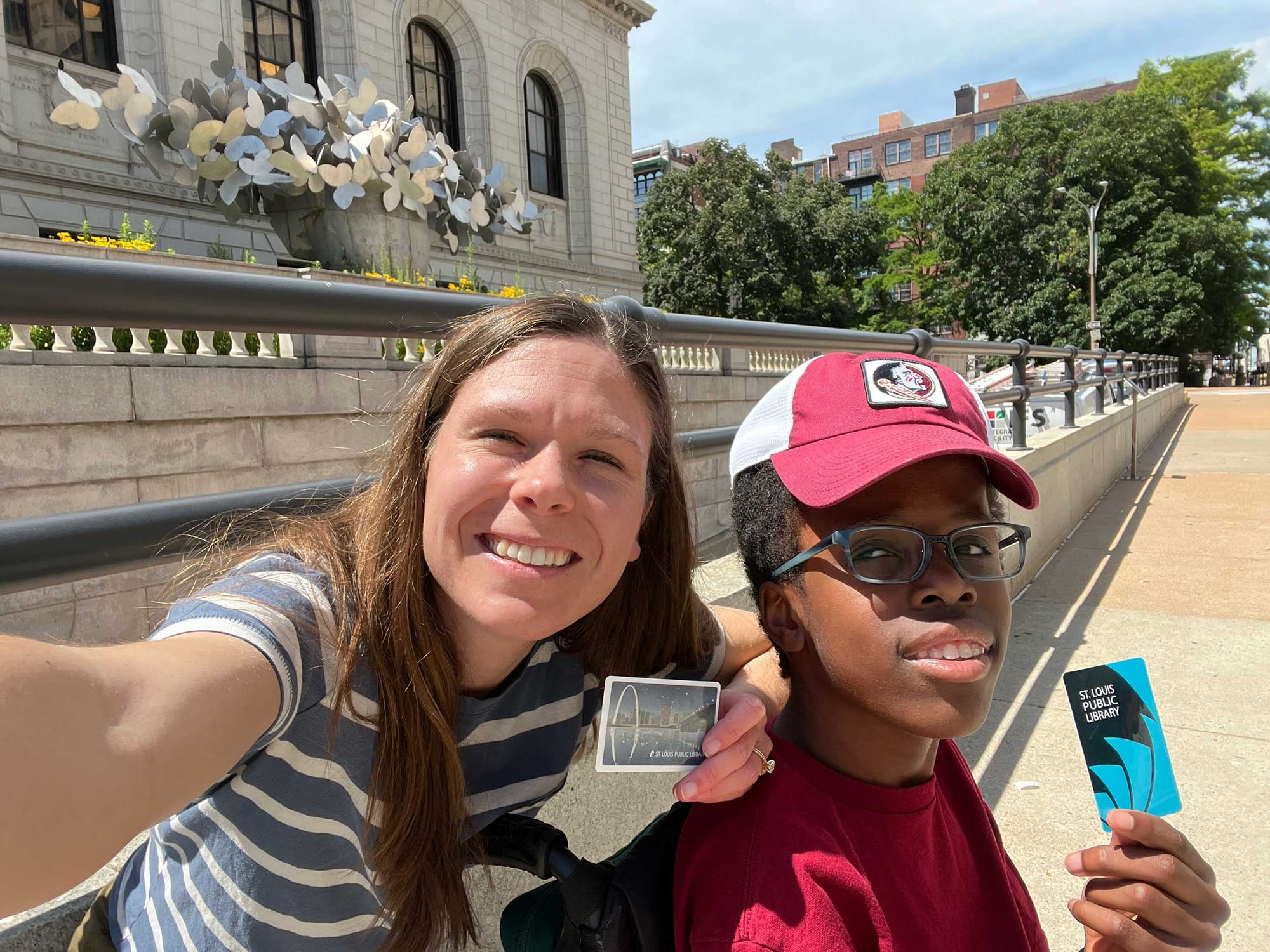
Whether navigating long waits at airport boarding gates, enduring flight delays, or spending hours relaxing on trains, transit environments naturally invite a good book. Travel activities often center around reading, which serves as a vital pastime for many families. For regular travelers, evening reading routines and long-standing book clubs with close friends highlight a deep-seated appreciation for literature. This literary passion is mirrored in local community spaces, such as the grand and historic Saint Louis Central Library, a newly adopted home institution that captures the quintessential atmosphere of historic reading rooms. Inscribed on the exterior of the building are timeless reflections on the power of literature, including a notable quote by Andrew Carnegie: "I choose free libraries as the best agencies for improving the masses of the people because they only help those who help themselves. They never pauperize. A taste for reading drives our lower tastes."
Sharing impactful literature with a broader audience highlights the significant role that disability literature plays across various age groups. Curating a selection from hundreds of read volumes narrows the focus down to top recommendations categorized by age group, providing both "windows" to understand diverse perspectives and "mirrors" to reflect lived experiences—a critical gap historically missing for disabled children.
Early Childhood Picture Books
Early childhood literature serves as a foundational tool for introducing young minds to diverse experiences and helping them articulate complex social dynamics.

Among the standout titles is What Happened to You? by James Catchpole. Admired through the author’s digital platform long before its United States release in 2023, the book addresses an unspoken, everyday experience common among disabled children. Through the main character, Joe, the narrative tackles the pervasive issue of ingrained ableism in a manner that is immediately accessible and understandable to young readers. The book provides a powerful vocabulary for experiences that many struggle to put into words, complemented by the broader body of work from James and Lucy Catchpole.
Another notable addition is Best Day Ever by Marilyn Singer, a vibrant early children’s book centered on an upbeat puppy and her human companion, a boy who happens to use a wheelchair. Featuring illustrations by Leah Nixon, the book offers organic disability representation without drawing overt, didactic attention to it. By serving as a mirror that reflects everyday life, it helps fill a historical void in children’s literature where disabled children rarely saw themselves centered in standard narratives.
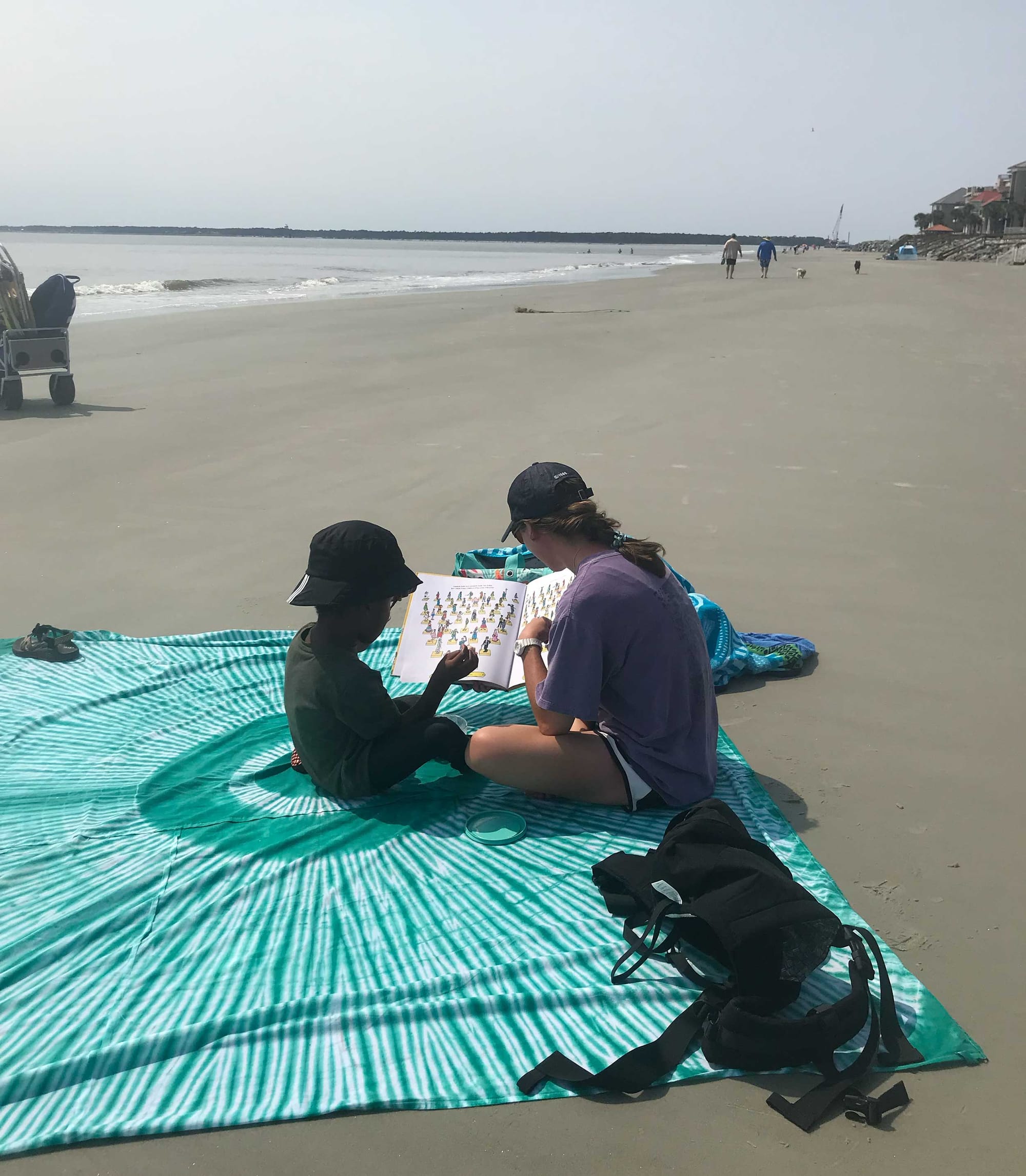
Rounding out the early childhood selections are I Talk Like a River by Jordan Scott and All the Way to the Top by Annette Bay Pimentel. Jordan Scott’s award-winning book follows a young boy who, with his father’s guidance, processes a stutter by relating his voice to the natural flow of a river. Its wholesome and realistic artistic expression resonates across generations, making it an ideal shared reading experience. Meanwhile, Annette Bay Pimentel’s illustrated biography introduces young readers to disability history through the true story of Jennifer Keelan-Chaffins, who participated in the historic Capitol Crawl as a child. By showcasing a young person making a tangible difference, the book emphasizes that children can actively contribute to building a more accessible world.
Middle Grade Novels
As children transition into middle-grade readers, longer chapter books offer deeper explorations of character, humor, and personal identity.
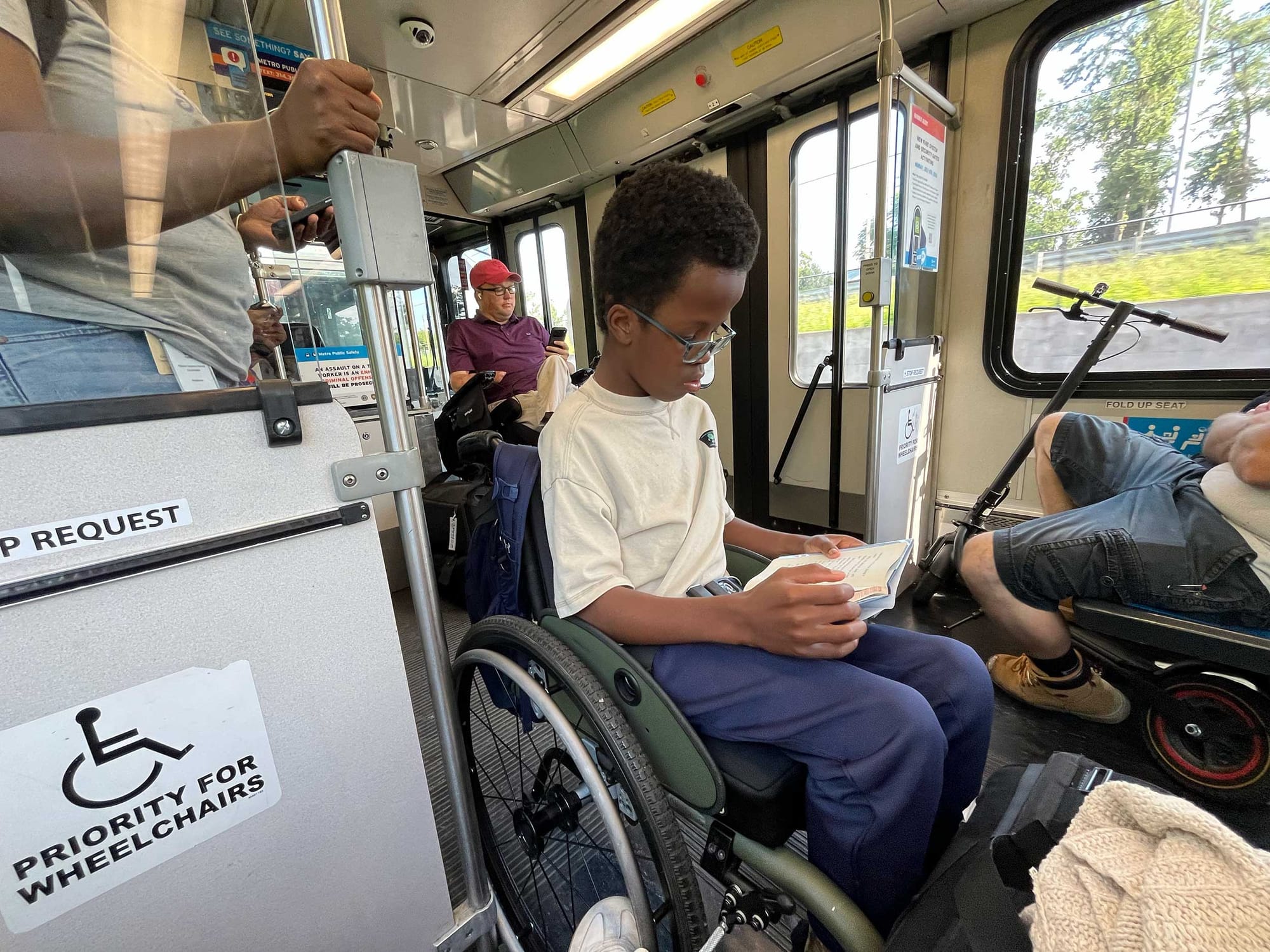
Dusti Bowling’s Insignificant Events in the Life of a Cactus has emerged as a favorite among young readers, praised for offering one of the most realistic characterizations of disability in chapter fiction. The protagonist, Aven, was born without arms, but her story extends far beyond her physical disability, encompassing family relocation, lighthearted mystery, self-discovery, and friendship—including a secondary character with Tourette Syndrome. The nuances and discussions inspired by the book provide valuable opportunities to talk openly about representation.
Similarly, Rob Harrell’s Wink draws on the author’s early life experiences with a rare form of eye cancer. The protagonist, Ross, attempts to navigate the awkward terrain of middle school following a sudden diagnosis. Filled with humor, quirkiness, music, and authentic reflections, the story resonates deeply with any reader who has ever felt outside the traditional middle-school mold.
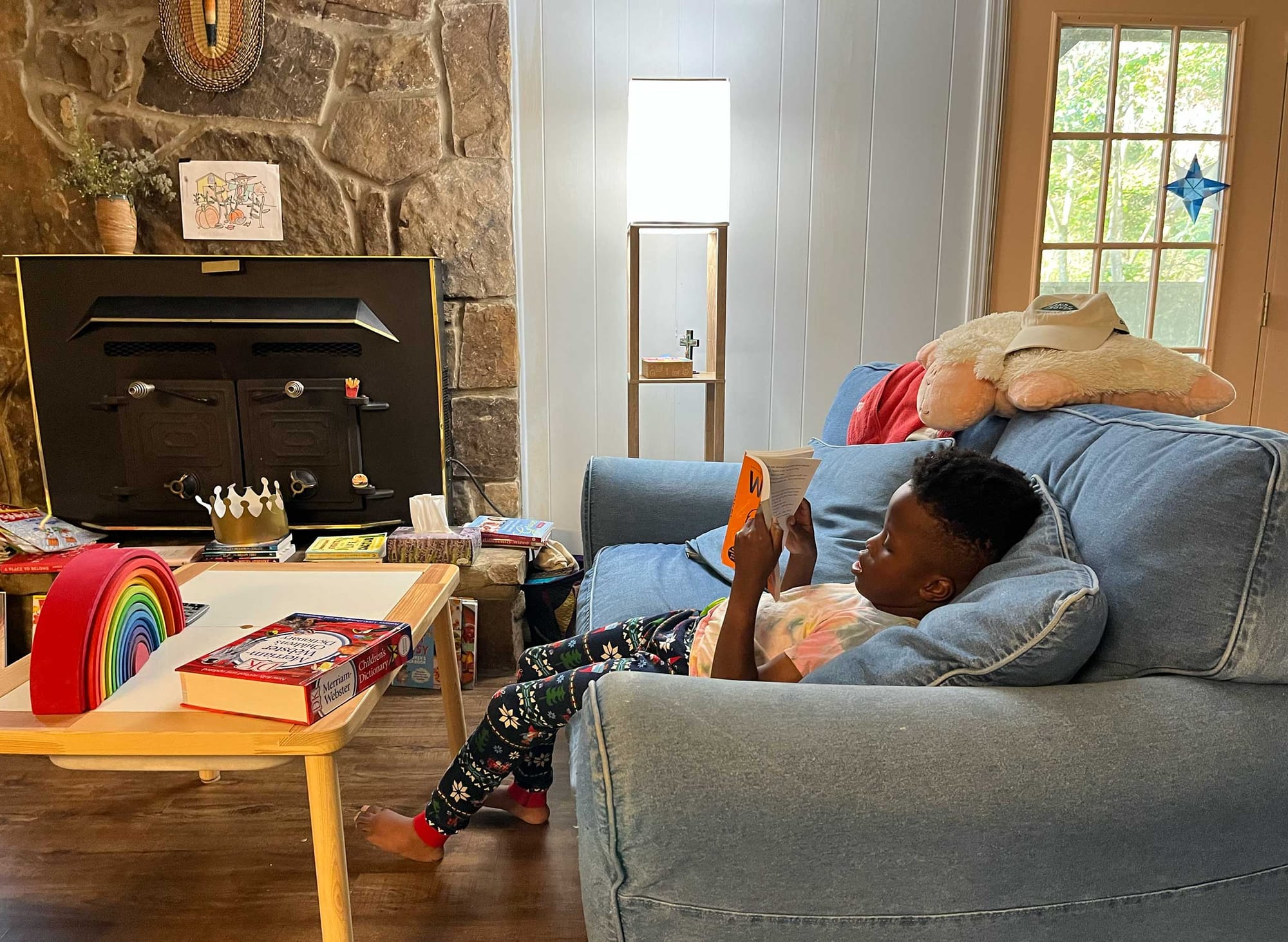
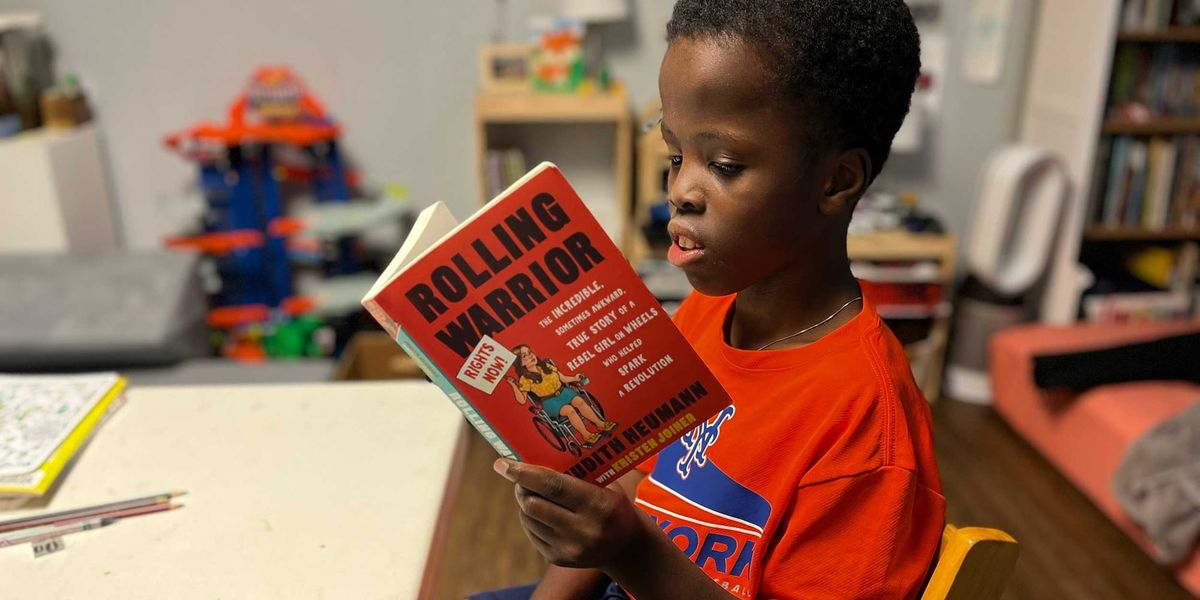
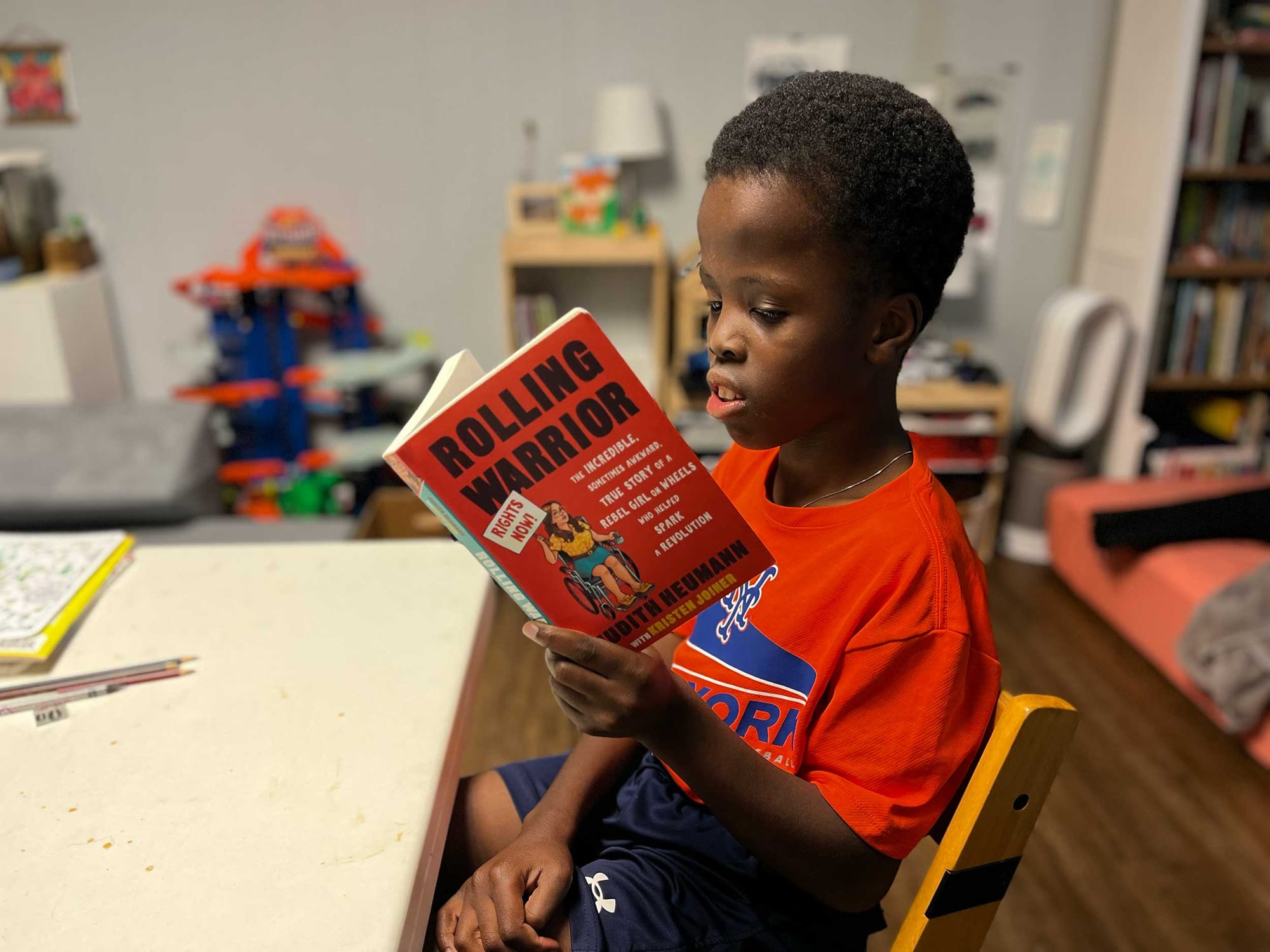
Nonfiction and biographical works also anchor the middle-grade category. Rolling Warrior by Judith Heumann and Kristen Joiner adapts the adult memoir for younger readers, chronicling the bravery and persistence of a trailblazing disability rights activist. The book introduces children to genuine disability history, allowing young readers to recognize familiar barriers while celebrating a shared identity and the power of a rebel on wheels. Complementing this is Cerrie Burnell’s I Am Not a Label, which profiles over 30 disabled artists, thinkers, performers, and activists. By challenging pigeonholed stereotypes, the collection expands the imagination and provides essential role models for all children.
Titles for Young Adults and Adults
Memoirs and reflective essays offer mature readers a profound look into the human experience, challenging societal norms and expanding collective understanding of disability.
Rebekah Taussig’s Sitting Pretty stands out as a foundational essay collection that examines disability both personally and within a broader cultural context. Taussig’s writing avoids sugarcoating reality while maintaining a grounded, hopeful perspective, successfully encouraging readers to reevaluate their own perceptions of disability and accessibility.
Similarly, Ariel Henley’s A Face for Picasso delivers a raw, poignant look at growing up with Crouzon Syndrome, a rare condition causing premature fusion of skull bones. Henley explores identity and beauty beneath the surface level, challenging underlying societal biases with bold honesty.
The genre is further anchored by seminal activist literature, including Judith Heumann’s Being Heumann: An Unrepentant Memoir of a Disability Rights Activist. Known widely as a principal architect of the modern disability rights movement, Heumann details her pivotal role in the historic 504 Sit-In, the passage of the Americans with Disabilities Act, and her service as Special Advisor on Disability Rights for the U.S. State Department. Her unflinching account provides a definitive primary source on major milestones in civil rights history.
Rounding out the adult selections is Haben Girma’s Haben: The Deafblind Woman who Conquered Harvard Law. Chronicling her journey through elite academic institutions and professional spaces, Girma illustrates that the primary obstacles she faced were not her disabilities, but rather an inflexible world requiring constant adaptation and advocacy. Her memoir reframes disability as a powerful catalyst for innovation.

Beyond the library shelves, community library cards often unlock additional benefits, including free or discounted admission to local museums and cultural attractions across public library systems nationwide.