As the winter season sets in and holiday breaks approach, educators, parents, and youth development specialists are increasingly turning their attention to a critical yet often overlooked aspect of childhood development: self-regulation. Defined as the ability to effectively manage thoughts, feelings, and behaviors, self-regulation is the foundational skill that allows children to navigate everyday emotions, maintain focus on tasks, and foster positive social connections. While this capability is essential year-round, experts note that the weeks leading up to and following winter breaks present unique behavioral challenges. Shifts in daily routines, increased indoor confinement, and the underlying excitement or stress of the holiday season often mean that children and young adults require additional emotional and behavioral support during the colder months.
To address these seasonal hurdles, professionals are emphasizing that building self-regulation does not have to be a rigid or tedious chore. Instead, integrating creative, winter-themed strategies into daily schedules can make emotional management both accessible and enjoyable for kids and teens. By proactively incorporating these practices into classrooms and households, adults can help young people navigate seasonal disruptions while building lifelong coping mechanisms.
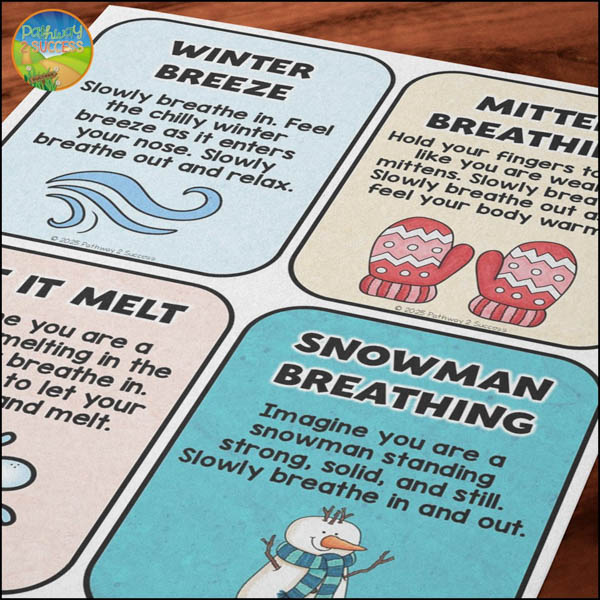
A cornerstone of these seasonal interventions involves winter breathing exercises. By introducing mindful breathing—the practice of focusing on intentional inhales and exhales—children learn to effectively hit the pause button on immediate impulses or overwhelming feelings. Rather than reacting purely on impulse, young people can use slow, deep breaths to activate the parasympathetic nervous system, the biological mechanism responsible for true rest and relaxation. Extensive research supports this approach, showing that mindful breathing consistently lowers stress, enhances concentration, and generates a sustainable sense of inner calm that students can access anytime, anywhere.
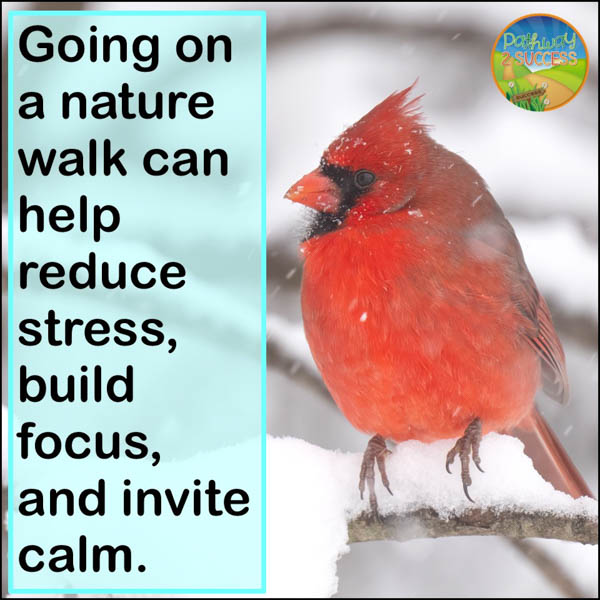
Beyond the classroom walls, outdoor nature walks offer another powerful avenue for cultivating emotional balance during the winter months. By bundling up and stepping outside, children engage in guided explorations centered on heightening sensory awareness—noticing the sights, sounds, feels, and smells of the winter landscape. Whether observing a hawk soaring through the cold air or feeling a crisp breeze, participants practice mindfulness in motion. Scientific studies consistently indicate that spending time outdoors reduces stress, sharpens attention, and improves overall mood. Furthermore, winter nature excursions encourage vital physical exercise and exposure to natural light, elements that are frequently in short supply during the darker months of the year.
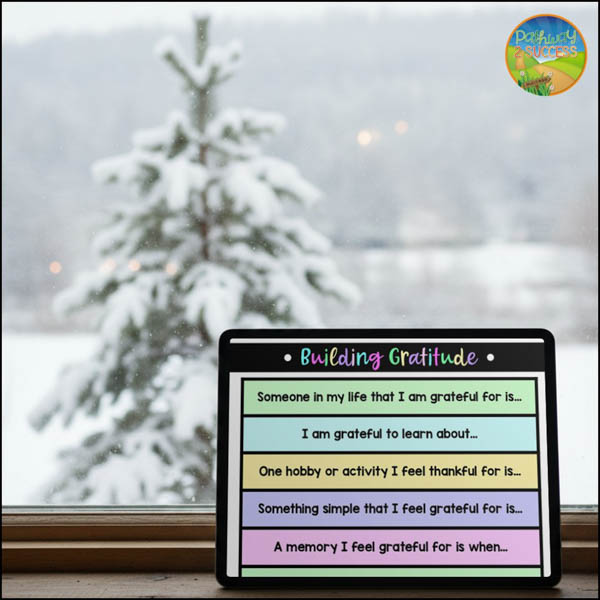
Reflective practices such as winter gratitude exercises also play a significant role in seasonal emotional regulation. By carving out dedicated time to articulate specific appreciations—ranging from the warmth of hot cocoa to the unique beauty of a chilly day—children learn to consciously direct their focus toward positive experiences. Educators often facilitate this through structured discussions, journaling, or gratitude sentence starters. Research demonstrates that maintaining a focus on gratitude helps rewire neural pathways, yielding tangible benefits that include reduced stress, enhanced mood, stronger personal resilience, and improved sleep quality.
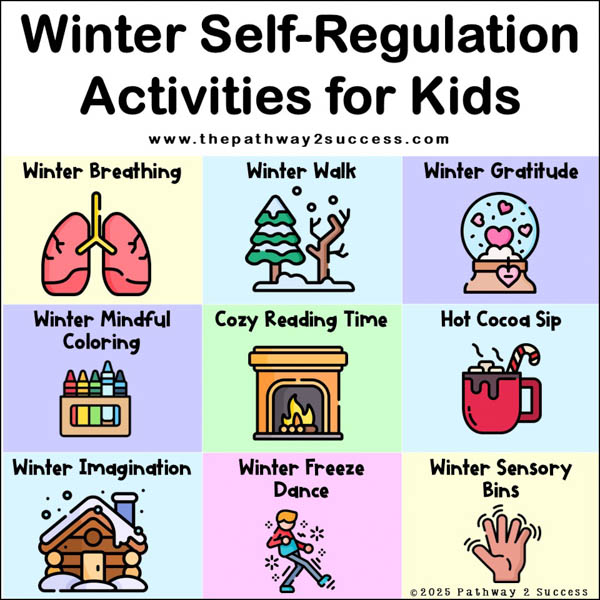
For children who benefit from creative outlets that combine relaxation with tactile engagement, mindful winter coloring offers an evidence-based pathway to stress reduction. Unlike traditional meditation that requires physical stillness, coloring allows for gentle movement while still fostering deep focus. When students utilize coloring pages featuring positive self-talk phrases, the activity serves to lessen anxiety and improve emotional regulation, particularly for kinetic learners who find complete stillness difficult to maintain.
Similarly, cozy reading time fosters emotional grounding during high-stress periods. Whether through independent reading or teacher-led read-alouds set against the visual backdrop of a simulated fireplace, immersive literature helps lower baseline stress levels, ease muscle tension, and enhance empathy. The immersive nature of a good book offers a constructive mental respite from the daily pressures and stressors that accumulate during the winter term.
Sensory integration through winter-themed sensory bins provides another hands-on approach to emotional regulation. By filling large containers with safe, tactile materials that reflect the season, educators and caregivers engage children in purposeful sensory play. This tactile exploration naturally supports mindfulness, calmness, and sustained focus while simultaneously reinforcing fine motor skills and creative storytelling abilities.
In a similar vein, the simple act of sipping hot cocoa serves as mindfulness in action. By encouraging children to deliberately experience the warmth of the mug, the sweet aroma, and the slow progression of flavors, adults transform a simple treat into an exercise in sensory awareness. Warm beverages naturally signal the central nervous system to relax, helping to quiet an overstimulated mind and soothe muscle tension.
Visualization techniques, often framed as winter imagination exercises, invite children to close their eyes and mentally transport themselves to tranquil, snowy landscapes. By guiding students through sensory prompts about what they might see, hear, or feel in a peaceful winter scene, facilitators help young people harness the power of mental imagery to induce a physical state of calm.
Hands-on winter crafts and art projects similarly engage fine motor skills while requiring deliberate attention to step-by-step processes. As children navigate the creative process, they practice emotional endurance, learning to manage frustration and regulate their responses when creative execution does not go according to plan.
Auditory approaches are equally effective in shaping the emotional climate of a learning environment. Playing gentle, winter-themed instrumental music during independent work periods or transitions helps trigger a physiological relaxation response. When paired with mindful listening exercises where students visualize winter settings, music acts as a powerful catalyst for focus and emotional stability.
Finally, active games like the winter freeze dance merge movement with self-control training. By requiring children to actively dance and then immediately freeze upon hearing designated winter vocabulary words, the game challenges participants to monitor their physical impulses, listen intently, and practice rapid shifts between high energy and absolute stillness. Through these diverse and engaging methods, adults are well-equipped to support the emotional well-being of children and teens throughout the winter season.