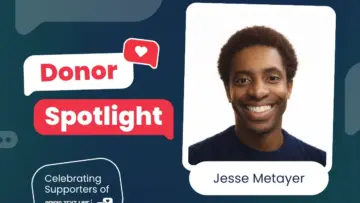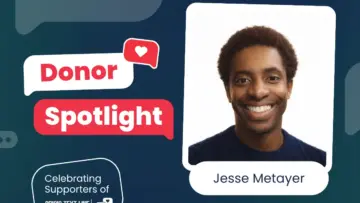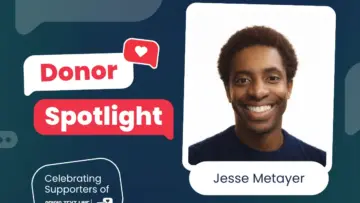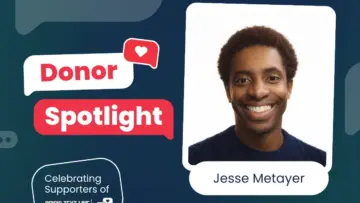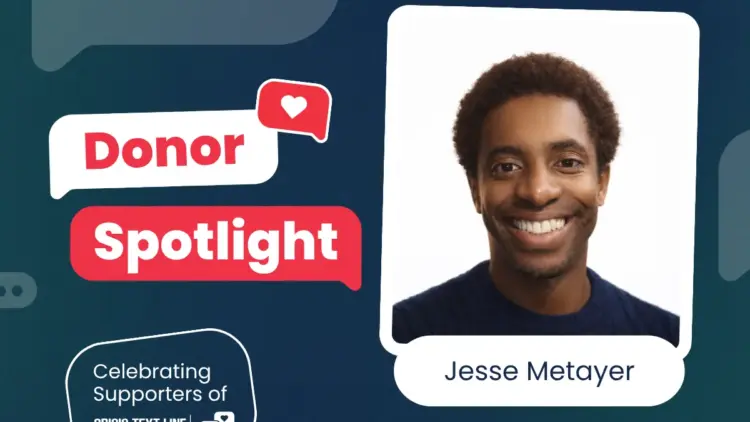
Every text message received by a crisis line is answered because someone believed it mattered enough to make that connection possible. For many individuals facing their darkest moments, that vital link is maintained through the generosity and dedication of donors and volunteers who ensure that help is always available. This month, Crisis Text Line is shining a spotlight on Jesse Meyer, a donor, volunteer, and mental health advocate whose contributions directly help train the Crisis Counselors who show up for texters during their hardest times.
In a candid conversation, Meyer discusses how his own personal journey through therapy broke down a stigma he once believed, the specific emotional techniques he uses to turn "hot moments" into "cool moments" for individuals in crisis, and the personal projects that bring him joy, tranquility, and balance.
Overcoming Stigma and Finding Hope
Reflecting on what initially inspired him to support crisis intervention, Meyer opens up about his childhood and the hidden struggles he faced as a student. Growing up, he spent a significant portion of his school years in learning disability classes, constantly attempting to mask how difficult everyday academic tasks were for him. By the time he was eighteen, the mounting pressure became overwhelming, leading him to drop out of college and begin isolating himself from the world around him.
During what he describes as his darkest moment, Meyer felt as though all hope had vanished. Faced with deep emotional distress, he finally made the decision to reach out for professional help—a turning point that fundamentally changed the trajectory of his life. His therapist listened with deep empathy, providing essential emotional support and practical resources that enabled him to gradually improve his mental health.
That formative experience demonstrated to Meyer the critical importance of seeking professional guidance when emotional burdens feel insurmountable. He acknowledges that he once held a common misconception about mental health care—specifically, the belief that therapy was intended exclusively for individuals suffering from severe mental illnesses. Through his own healing process, he realized how untrue that stigma is, noting that anyone, at any given moment, can experience unexpected difficulties and life challenges.
Mastering the Shift from Crisis to Empowerment
Meyer’s commitment to mental health advocacy extends far beyond financial support; he also dedicates his time as an active volunteer Crisis Counselor. Going through the organization’s rigorous six-week training program equipped him with foundational emotional techniques that he routinely applies when responding to texters in acute distress.
By utilizing these specialized communication and de-escalation skills, Meyer has repeatedly experienced the profound shift that can occur during a conversation. He explains that he has been able to effectively transform initial "hot moments"—instances marked by panic, high emotion, and severe distress—into "cool moments." By the conclusion of these chats, he guides texters to a place of personal empowerment and clarity. Knowing that he can play a direct role in easing someone’s suffering and making a tangible difference in their life brings him a deep sense of satisfaction.
Supporting mental health initiatives holds immense personal significance for Meyer because individuals experiencing severe emotional distress are often dealing with invisible battles. Through his specialized training, he has learned how to safely and effectively guide these brave individuals, ultimately encouraging them to seek ongoing professional help right after their text conversations conclude.
Furthermore, Meyer emphasizes that active listening is a learned skill that cultivates patience and enhances critical thinking. Truly listening requires an intentional effort to understand another person’s exact words, underlying emotions, and immediate needs without casting judgment.
The Mutual Impact of Compassionate Listening
For Meyer, the decision to continue volunteering and donating is continually reinforced by the direct feedback he receives from those who reach out. Knowing that Crisis Text Line provides completely free, confidential, and 24/7 support means that individuals know they have a safe harbor at any hour of the day or night.
On numerous occasions, texters have expressed profound gratitude at the conclusion of their conversation, an exchange that provides Meyer with a powerful sense of validation, personal worth, and purpose. By simply being present, listening with compassion, and offering a nonjudgmental ear, he has witnessed firsthand how temporary presence can help someone navigate an overwhelming obstacle.
When considering his broader philanthropic efforts, Meyer prioritizes Crisis Text Line because he has seen the tangible impact of the organization’s work. The rigorous training he underwent not only sharpened his listening and empathy skills but also connected him with supportive coaches and supervisors who remain readily available to answer questions and provide guidance.
The act of giving back has also deeply influenced Meyer’s personal and professional life outside of volunteering. Helping others navigate psychological distress has taught him valuable lessons in emotional regulation. Specifically, he has learned never to make significant decisions when his emotions are running high. By deliberately slowing down, he clears his mind, sharpens his critical thinking, and brings that same patience and empathy into stressful situations in his everyday life. He notes that volunteering has reinforced the vital importance of listening before judging, a practice that prevents unfair misunderstandings when interacting with friends and family.
Maintaining Personal Balance and Well-Being
Sustaining a commitment to mental health advocacy also requires intentional self-care. To maintain his own mental and emotional well-being, Meyer relies on a balanced routine that includes attending church, volunteering, and pouring his energy into creative and technical endeavors, such as working on the StarTalk app, which brings him joy and tranquility. Additionally, he prioritizes physical health by visiting the gym and taking long, restorative walks in local parks.
For anyone considering making a financial contribution to Crisis Text Line, Meyer offers a compelling perspective rooted in his understanding of the platform’s reach. Donors help sustain a lifeline for individuals dealing with disasters, systemic poverty, war, and other profound hardships. By keeping the service entirely free, donations ensure that vulnerable people receive essential emotional assistance that would otherwise be financially out of reach. Donors serve as the underlying backbone that keeps the platform active and accessible around the clock.
Ultimately, Meyer’s message to both donors and those who might be struggling is one of enduring hope and connection. For anyone facing difficulties, he emphasizes that they are never truly alone, and that taking the courageous step to reach out for help marks the beginning of the journey toward healing.