As the winter season sets in, bringing with it abrupt shifts in daily routines, extended periods of indoor confinement, and the unique pressures surrounding holiday breaks, child development experts and educators are emphasizing a critical need for targeted self-regulation support among children and young adults. While managing thoughts, feelings, and behaviors is a year-round developmental task, the turbulent transition periods immediately before and after winter holidays often trigger heightened stress, anxiety, and behavioral challenges in youth. To combat these seasonal hurdles, schools and families are increasingly integrating specialized, engaging activities designed to foster emotional resilience and cognitive focus.
Self-regulation—the foundational ability to effectively manage everyday emotions, sustain concentration on tasks, and build positive social connections—frequently falters under the weight of seasonal disruptions. Reduced access to outdoor physical activity, combined with the anticipation or comedown of holiday festivities, can leave children struggling to maintain internal equilibrium. Recognizing that these essential skills require deliberate practice, educators and child advocates argue that the strategies employed to teach self-regulation must be approachable and inherently engaging rather than punitive or overly rigid. By embedding mindfulness and emotional check-ins into everyday winter routines, adults can provide children with the vital tools needed to pause, reflect, and regain control over their impulses.
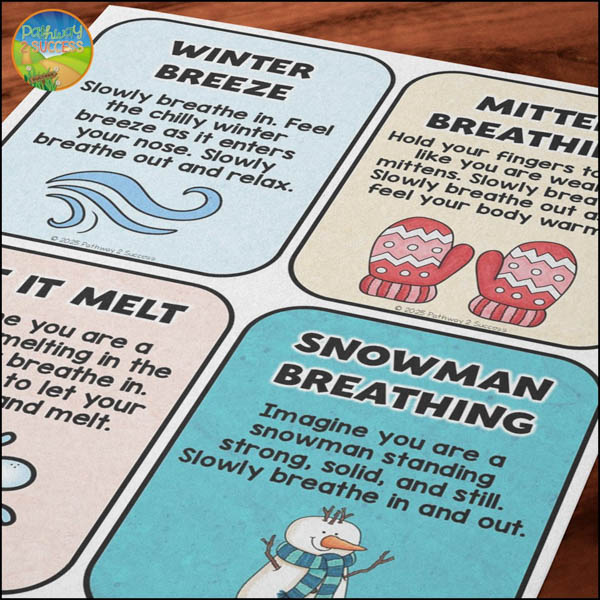
Among the primary strategies gaining traction in classrooms and homes are winter-themed breathing exercises. Rooted in the principles of mindfulness, these structured deep-breathing practices encourage children to focus intentionally on their inhales and exhales, effectively utilizing the breath as a mental pause button. Rather than reacting immediately to frustration or sensory overload, youngsters learn to steady their nervous systems. Neuroscientific research underscores the physiological efficacy of this approach: mindful breathing actively stimulates the parasympathetic nervous system, shifting the body away from the fight-or-flight stress response and toward a state of genuine rest, physiological calm, and enhanced cognitive focus.
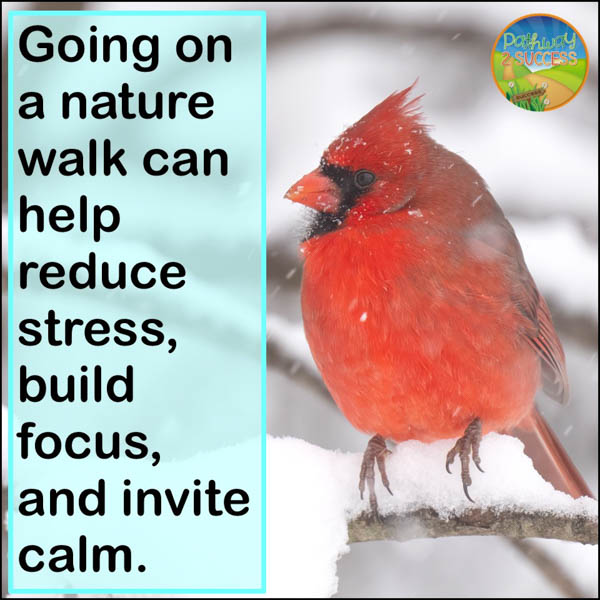
Complementing indoor breathing techniques, structured outdoor nature walks offer another evidence-based pathway for emotional grounding during the colder months. When appropriately bundled up for the elements, children are encouraged to engage all five senses while exploring outdoor surroundings, noticing sensory inputs ranging from a chilly breeze to the sight of local wildlife. Environmental psychologists note that direct contact with nature consistently correlates with reduced stress levels, improved moods, and strengthened attention spans. Furthermore, outdoor winter excursions ensure that children continue to receive necessary physical exercise and exposure to natural daylight, both of which are frequently compromised during the darkest weeks of the year.
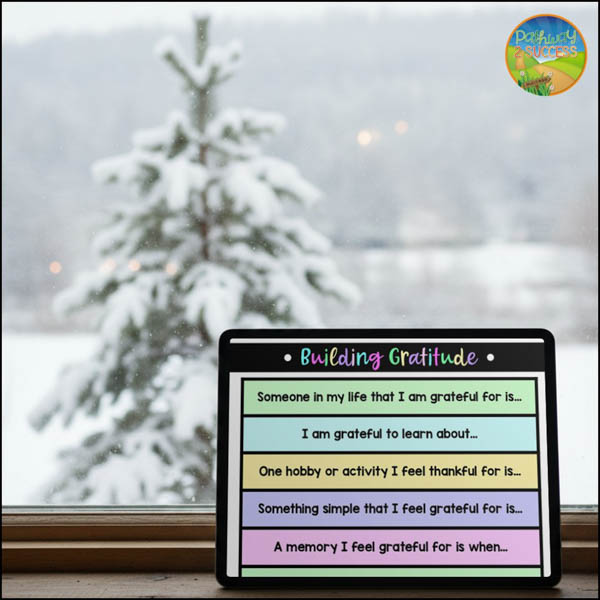
Reflective practices such as winter gratitude exercises have similarly emerged as powerful instruments for emotional regulation. By taking dedicated time to identify and articulate specific aspects of the winter season they appreciate—moving beyond general concepts to pinpoint tactile experiences like the warmth of sunshine on a cold afternoon or cozy moments with family—children actively train their brains to recognize positive stimuli. Scientific studies consistently indicate that practicing gratitude yields substantial psychological benefits, including diminished anxiety, enhanced emotional resilience, improved sleep quality, and an overarching sense of psychological well-being.
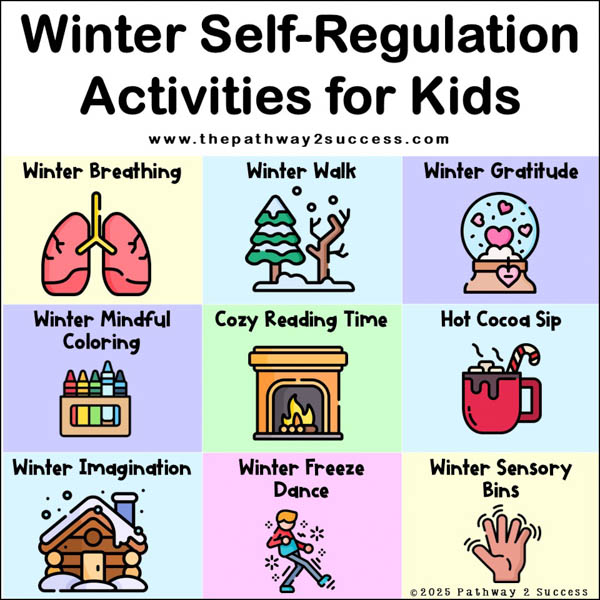
For children who process emotions better through creative expression, mindful winter coloring provides a valuable outlet for relaxation. Unlike traditional meditation, which demands physical stillness that can prove difficult for high-energy youngsters, coloring offers a constructive physical rhythm. Utilizing positive self-talk coloring pages allows participants to slow down, regulate their breathing, and find relief from everyday stressors without the pressure of artistic perfection. This tactile engagement serves as an accessible bridge to mindfulness for children who rely on subtle movement to anchor their concentration.
Similarly, fostering an atmosphere of calm through cozy reading sessions offers youth a healthy psychological reprieve from daily pressures. Whether through independent silent reading or shared classroom read-alouds, immersing oneself in a compelling narrative has been shown to lower physiological stress indicators, alleviate muscle tension, and cultivate empathy. The shared nature of group read-alouds further promotes co-regulation, a process by which a calm adult helps stabilize a child’s emotional state through shared presence and positive social connection.
Tactile exploration through winter-themed sensory bins provides yet another hands-on avenue for emotional grounding. By interacting with materials that evoke the textures of the season, children engage their sense of touch to anchor their attention in the present moment. This sensory-rich play not only fosters internal calm and mindfulness but also reinforces critical developmental capabilities, including fine motor dexterity, narrative imagination, and natural curiosity.
Culinary traditions can also serve as vehicles for mindfulness, most notably through the deliberate ritual of sipping hot cocoa. Transforming a simple winter treat into an exercise in sensory awareness—focusing closely on the warmth of the mug, the rich aroma, and the slow, deliberate taste between pauses—harnesses mindfulness in action. Warm beverages inherently signal the central nervous system to relax and assist in easing physical muscle tension, providing a comforting physiological anchor for stressed children.
Beyond sensory and physical activities, guided winter imagination and visualization exercises invite children to close their eyes and mentally traverse relaxing seasonal landscapes. By mentally engaging with sensory prompts related to tranquil winter scenes, youth learn to intentionally shift their internal states toward relaxation. This mental rehearsal equips them with portable self-regulation techniques that can be deployed independently whenever emotional turbulence arises.
Creative expression through hands-on winter crafts further supports emotional regulation by engaging fine motor skills within a structured format. Whether following precise design directions or exercising total creative freedom, children practice sustained attention, sequential planning, and frustration tolerance when creative challenges inevitably occur. This deliberate focus helps channel nervous energy into productive, tangible outcomes.
Auditory approaches, such as playing gentle, winter-themed instrumental music, offer a subtle yet effective method for establishing a calm and focused environment. Whether utilized as background sound during independent academic work or paired with visualization exercises, carefully curated music can trigger a physiological relaxation response, helping learners maintain equilibrium throughout unpredictable winter days.
Finally, active games like winter freeze dance integrate physical movement with vital impulse control training. By requiring participants to abruptly halt their movements upon hearing specific seasonal vocabulary words, the game challenges children to monitor their own bodies, exercise acute listening skills, and smoothly transition between high-energy movement and absolute stillness. As educators and parents continue to seek adaptable solutions for seasonal behavioral shifts, these diverse, engaging activities stand out as essential mechanisms for fostering lifelong self-regulation and emotional resilience.