Readers of the Wheelchair Travel Newsletter can expect regular programming to resume next week upon the return of John from leading group trips across Europe. Alongside his return, a brand-new Summer 2027 tour announcement is slated for release, continuing the organization’s ongoing efforts to offer accessible group travel experiences. In the interim, recent commentary from the platform highlights an enduring travel essential: reading.
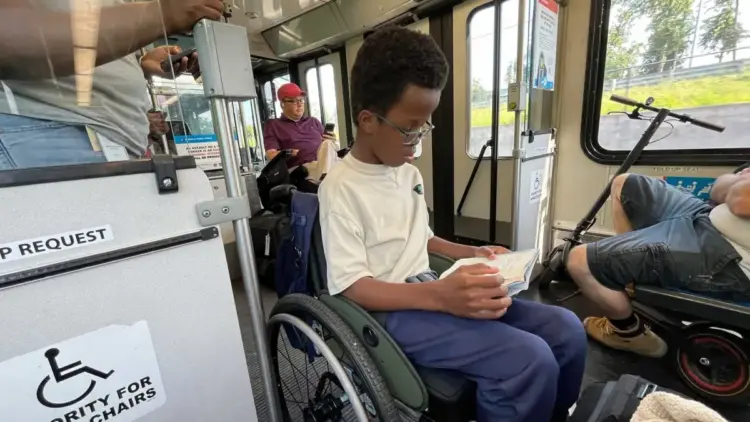
Whether navigating the quiet hum of a train, waiting anxiously at a departure gate, or weathering unexpected air travel delays, literature offers a steadfast companion for journeys near and far. Amid ongoing development for upcoming travel resources—including upcoming articles focused on boredom busters for traveling children—the profound appreciation for books within the travel community remains clear. For many families, nightly reading routines and long-standing book clubs form a cornerstone of daily life and leisure, turning transit time into an opportunity for literary exploration.
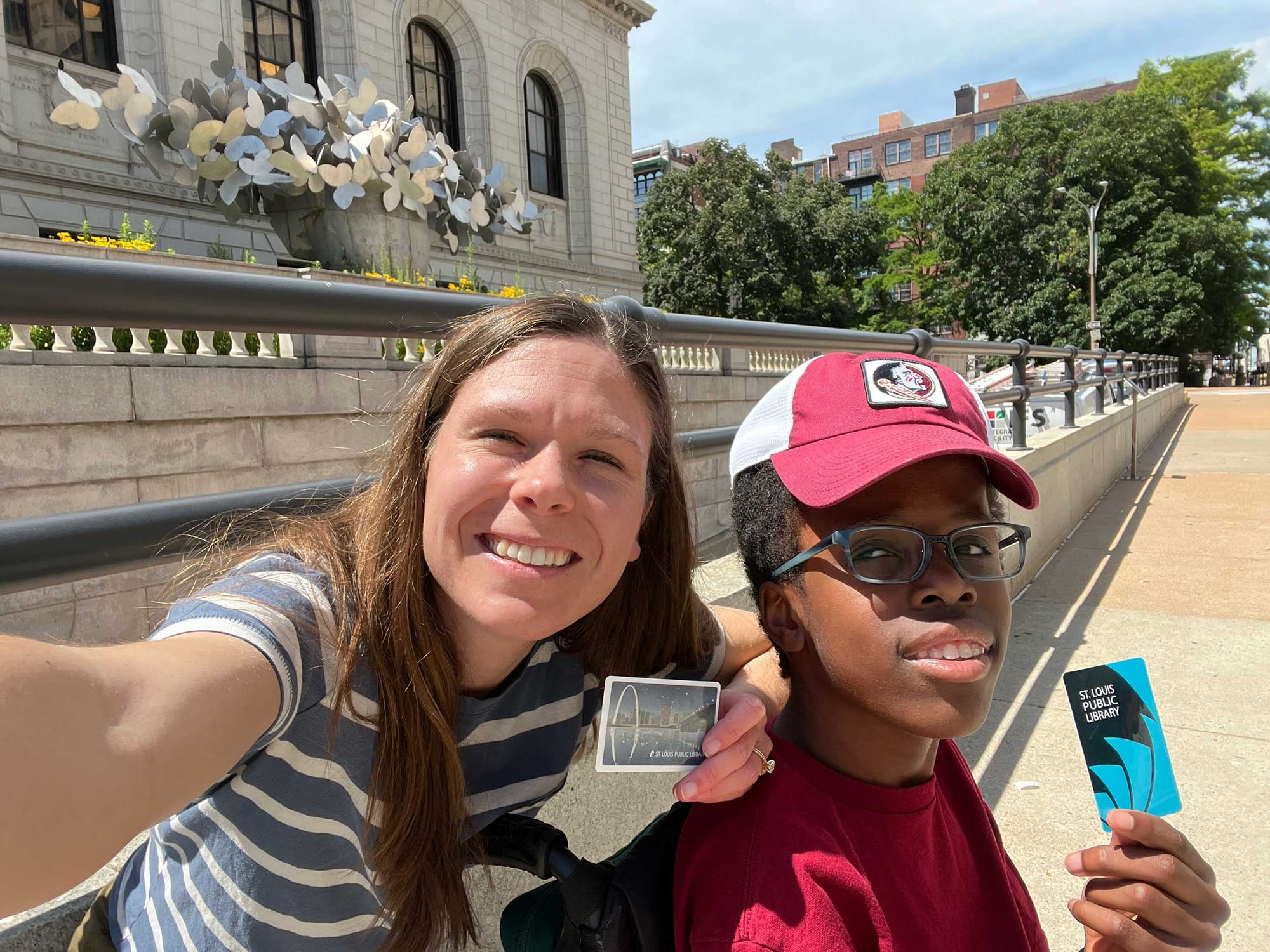
This deep-rooted affinity for books finds a fitting backdrop in the community’s new home city of St. Louis, anchored by the grand architecture of the Saint Louis Central Library. The historic building embodies the traditional ideals associated with public literary spaces, featuring inscriptions along its exterior that honor the role of learning in society. Among them stands a quotation from Andrew Carnegie: "I choose free libraries as the best agencies for improving the masses of the people because they only help those who help themselves. They never pauperize. A taste for reading drives our lower tastes."
Reflecting a desire to connect readers with impactful stories, the platform has curated a selection of disability literature spanning early childhood picture books, middle-grade novels, and works suited for young adults and adults. Drawing from hundreds of titles read over the years, the highlighted books focus on representation, lived experiences, and the historical milestones of the disability rights movement.

Early Childhood Picture Books
Introducing children to diverse perspectives early in life helps build a foundation of empathy and self-recognition. Among the featured early childhood titles is What Happened to You? by James Catchpole. Released in the United States in 2023, the book addresses an experience common to many disabled children. Through the main character, Joe, the narrative tackles the subtle, pervasive presence of everyday ableism in a manner accessible to young readers, providing language to articulate social barriers that are often difficult to explain.
Another featured picture book is Marilyn Singer’s Best Day Ever, illustrated by Leah Nixon. The upbeat story centers on a puppy devoted to her young owner, who happens to use a wheelchair. Offering disability representation without framing it as the sole defining attribute of the character, the book serves as a literary "mirror," reflecting lived experiences that have historically been underrepresented in children’s literature alongside traditional "windows" that offer views into other lives.
Jordan Scott’s award-winning I Talk Like a River provides a poetic exploration of speech and communication. Following a young boy who, with his father’s guidance, compares his stutter to the cadence of a river, the book offers a realistic and wholesome portrayal of speech differences. Its evocative writing style and artistic expression bridge generational divides, making it a natural choice for shared reading between parents and children.
Rounding out the early childhood selection is All the Way to the Top by Annette Bay Pimentel. This illustrated biography introduces young readers to Jennifer Keelan-Chaffins and her participation in the historic Capitol Crawl. By centering a child making a significant impact within the broader disability rights movement, the book emphasizes that individuals of any age can contribute to a more accessible world.
Middle Grade Novels
For older children transitioning into chapter books, selections like Dusti Bowling’s Insignificant Events in the Life of a Cactus offer a blend of humor, mystery, and character development. The story follows Aven, who was born without arms, as she navigates a move to a new state and forms friendships, including one with a peer who has Tourette Syndrome. The book presents disability as a natural facet of a complex character rather than the entire plot, encouraging meaningful discussions about representation.
Rob Harrell’s Wink draws on the author’s early life experiences with a rare form of eye cancer. The protagonist, Ross, attempts to navigate the social complexities of middle school following a cancer diagnosis. Infused with music, humor, and relatable adolescent struggles, the novel resonates with any reader who has ever felt outside the traditional middle-school mold.
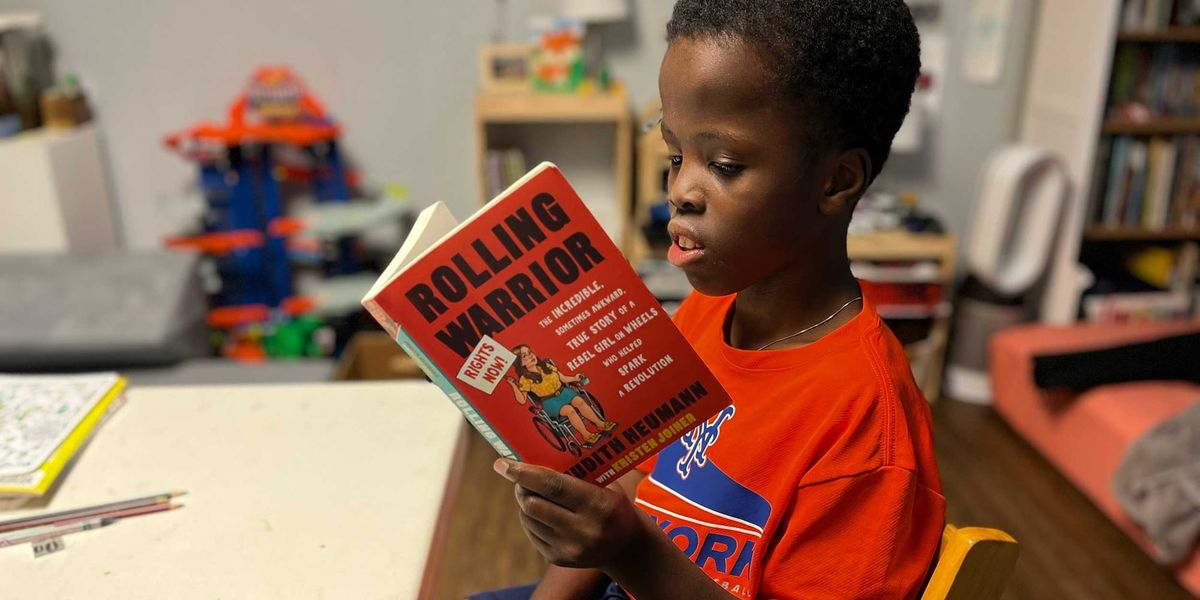
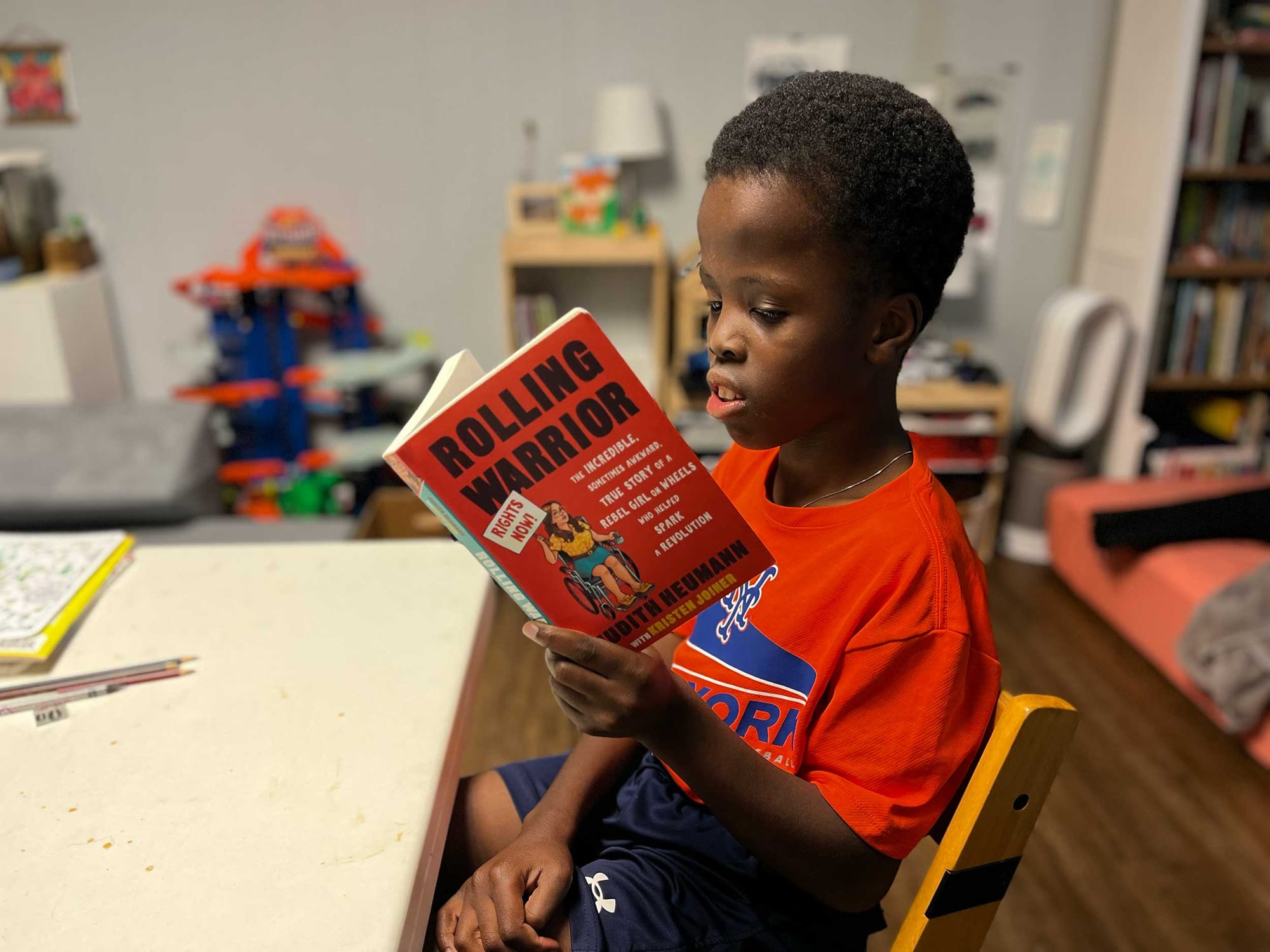
Judith Heumann and Kristen Joiner’s Rolling Warrior, adapted for younger readers from Heumann’s adult memoir, brings disability history directly to middle-grade audiences. Subtitled The Incredible, Sometimes Awkward, True Story of a Rebel Girl on Wheels Who Helped Spark a Revolution, the book chronicles Heumann’s early advocacy and offers young readers an authentic window into the fight for accessibility.
Cerrie Burnell’s I Am Not a Label complements these narratives by spotlighting the real-world achievements of over 30 disabled artists, thinkers, performers, and activists. By pushing back against narrow societal expectations, the collection provides diverse role models and encourages children to envision broad possibilities for their own futures.
Titles for Young Adults and Adults
For mature readers, memoir serves as a powerful medium for exploring the human experience. Rebekah Taussig’s Sitting Pretty offers a collection of reflective essays examining disability on both a personal level and within a broader societal framework. Taussig’s nuanced perspective avoids oversimplification, challenging readers to re-examine their own perceptions of accessibility and the built environment.
Ariel Henley’s A Face for Picasso presents a raw and poignant account of growing up with Crouzon Syndrome, a condition involving the premature fusion of cranial bones. Henley examines identity, societal beauty standards, and self-acceptance with uncompromising honesty, leaving a lasting impression on the complexities of visible difference.
Judith Heumann’s comprehensive memoir, Being Heumann: An Unrepentant Memoir of a Disability Rights Activist—co-written with Kristen Joiner—details the pivotal moments of the modern disability rights movement. From the historic 504 Sit-In and the passage of the Americans with Disabilities Act to serving as Special Advisor on Disability Rights for the U.S. State Department under the Obama administration, Heumann provides an unflinching, detailed account of historic advocacy.
Rounding out the reading list is Haben Girma’s Haben: The Deafblind Woman who Conquered Harvard Law. Girma’s autobiography details her journey of adaptation and advocacy within institutional environments that were not originally designed to accommodate her needs. Her narrative reframes disability as a catalyst for innovation and problem-solving.

As travelers and community members explore these literary works through local institutions like the Saint Louis Central Library, advocates remind the public that public libraries often provide benefits extending far beyond book lending. Many systems across the country offer cardholders access to free or discounted admission tickets to local museums, science centers, and cultural attractions, further expanding opportunities for accessible cultural engagement.