Readers of the Wheelchair Travel Newsletter can expect a brief hiatus in the regular publication schedule while tour leader John finishes guiding group trips across Europe. Upon his return, organizers have announced that he will officially unveil a brand-new Summer 2027 tour itinerary, offering travelers fresh opportunities for accessible global exploration.
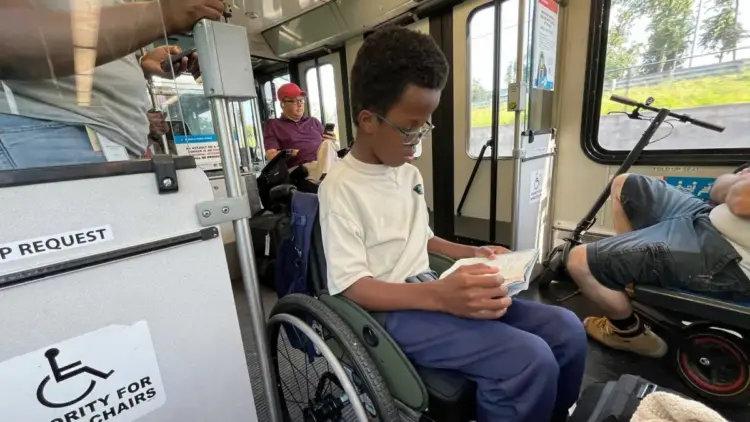
In the meantime, the publication has turned its focus to an essential component of transit and downtime: reading. Whether navigating the inevitable delays of air travel, waiting at terminal boarding gates, or watching the landscape shift past a train window, finding a good book remains a steadfast travel companion. For many families, literature is not merely a pastime but an integral part of daily life and travel preparation. The appreciation for reading extends to nightly routines and long-standing community book groups that span half a decade, underscoring the profound impact that stories can have on personal development and family bonding.
This literary focus coincides with the exploration of the family’s new home library in St. Louis, Missouri. Housed within a grand, historic building that embodies the classic architectural atmosphere traditionally associated with the pursuit of knowledge, the St. Louis Central Library features prominent literary inscriptions along its exterior. Among them is a quote by industrialist and philanthropist Andrew Carnegie, which reads: "I choose free libraries as the best agencies for improving the masses of the people because they only help those who help themselves. They never pauperize. A taste for reading drives our lower tastes."
Drawing from hundreds of titles read over the years, the publication has curated a selective list of top disability-literature books spanning various age groups. This curation aims to introduce readers to meaningful stories that address disability through authentic representation, historical context, and lived experiences.
Early Childhood Picture Books
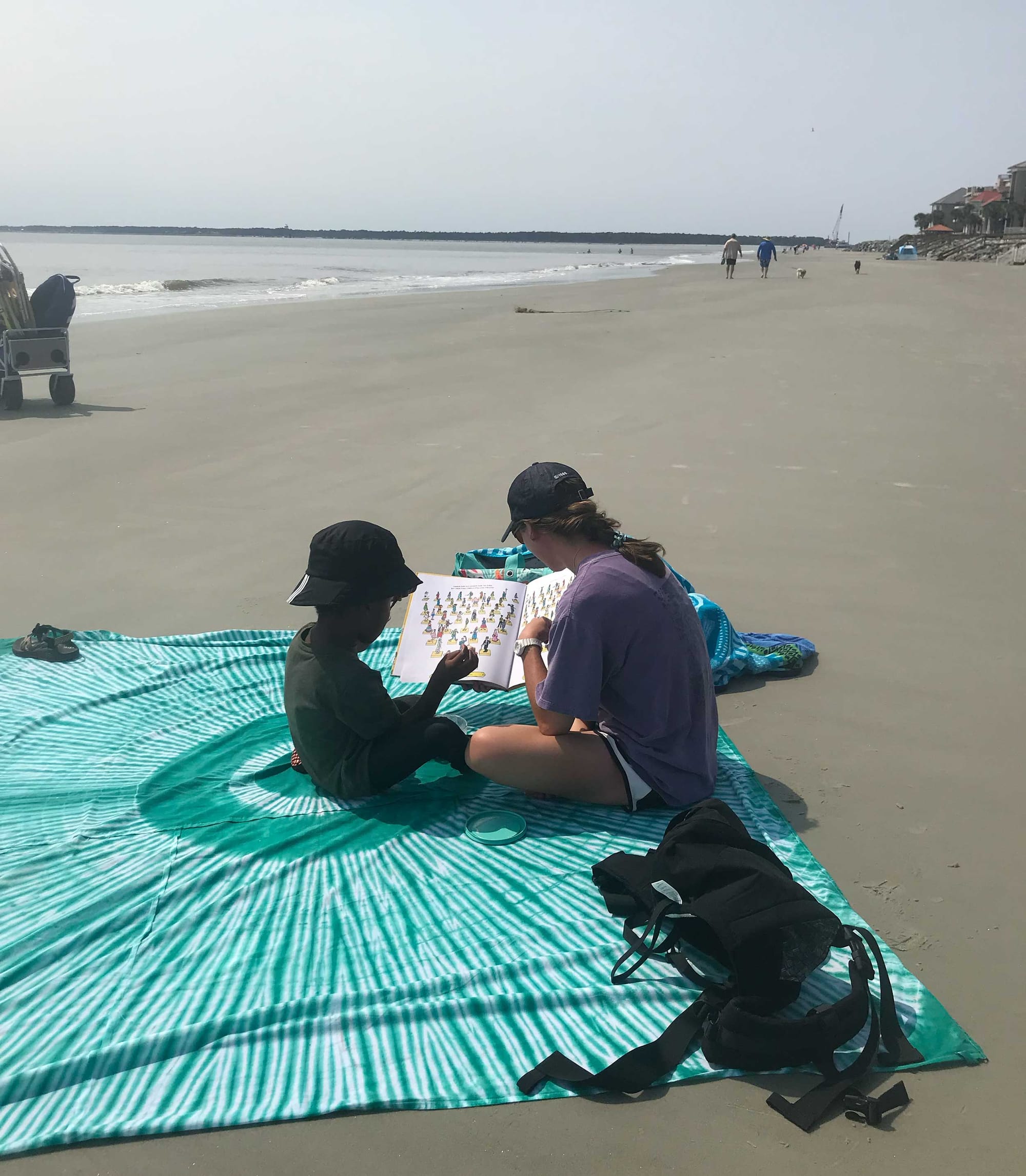
Introducing young children to diverse perspectives through literature helps foster empathy and self-recognition. Experts often categorize children’s books into "windows," which allow readers to observe points of view different from their own, and "mirrors," which reflect their personal lived experiences. Historically, children with disabilities have experienced a notable shortage of literary mirrors. Several picture books help bridge this gap while addressing broader themes of accessibility and inclusivity.
Among the early childhood recommendations is What Happened to You? by James Catchpole. Released in the United States in 2023, the book addresses an unspoken, everyday experience common to many disabled children. Through the protagonist, Joe, the author tackles the subtle yet pervasive presence of ingrained ableism in a manner accessible to young audiences. The narrative provides language for concepts that many families struggle to articulate, offering an empowering framework for discussions surrounding curiosity and inclusion.

Another featured picture book is Best Day Ever by Marilyn Singer, illustrated by Leah Nixon. The story follows an upbeat puppy devoted to a young boy who happens to use a wheelchair. By integrating disability representation naturally into an everyday narrative without explicitly centering the plot on the disability itself, the book offers a vital mirror for young readers who use mobility devices.
Jordan Scott’s award-winning I Talk Like a River offers a poetic exploration of a young boy dealing with a stutter, drawing parallels between the flow of his speech and the movement of a river. With the guidance of his father, the protagonist finds acceptance and understanding. The lyrical writing style and evocative illustrations appeal across generations, making it a natural choice for shared reading between parents and children.
Rounding out the early childhood selections is All the Way to the Top by Annette Bay Pimentel. This illustrated biography introduces young readers to disability history through the childhood experiences of Jennifer Keelan-Chaffins, who participated in the historic Capitol Crawl. By focusing on a child who played a pivotal role in the disability rights movement, the book demonstrates that individuals of all ages can contribute meaningfully to a more accessible world.
Middle Grade Novels
As children grow into middle grade readers, chapter books provide deeper explorations of character, identity, and social dynamics. Several novels have resonated strongly with young readers navigating these developmental stages.
Insignificant Events in the Life of a Cactus by Dusti Bowling follows Aven, a resourceful protagonist born without arms whose family relocates to a new state. While Aven’s physical differences are central to her daily life, the narrative expands into a broader story filled with humor, mystery, and friendship—including a secondary character with Tourette Syndrome. The book offers a realistic portrayal of disability while maintaining a multifaceted plot that avoids reducing the protagonist solely to her medical diagnosis.
Similarly, Wink by Rob Harrell draws upon the author’s childhood experiences with a rare form of eye cancer. The protagonist, Ross, attempts to navigate the complexities of middle school following his diagnosis. Blending humor, music, and authentic reflections on feeling like an outsider, the novel resonates with readers who understand the challenges of not fitting traditional molds.
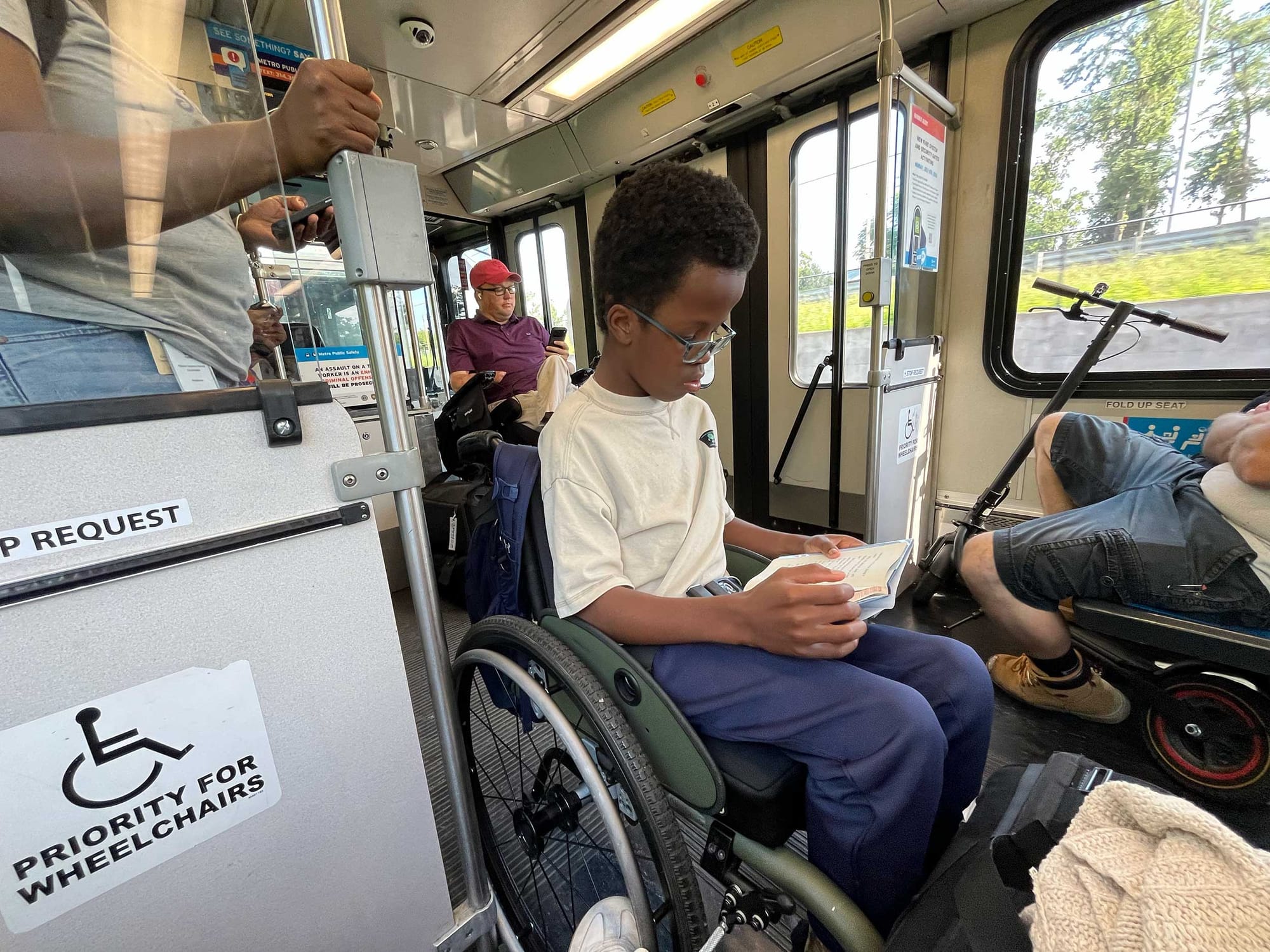
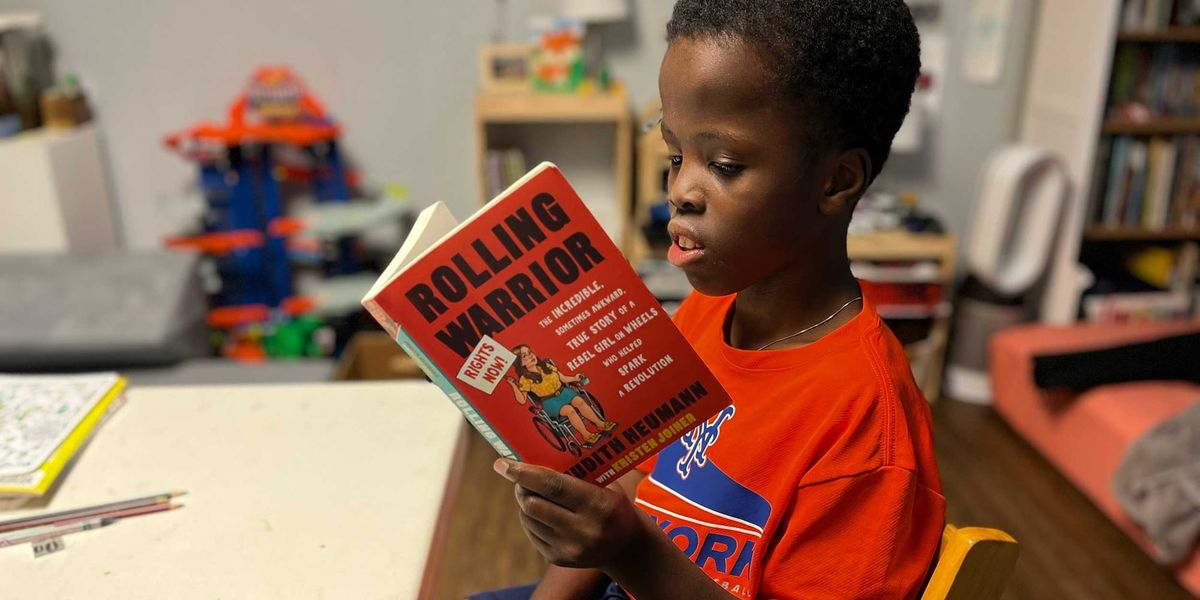
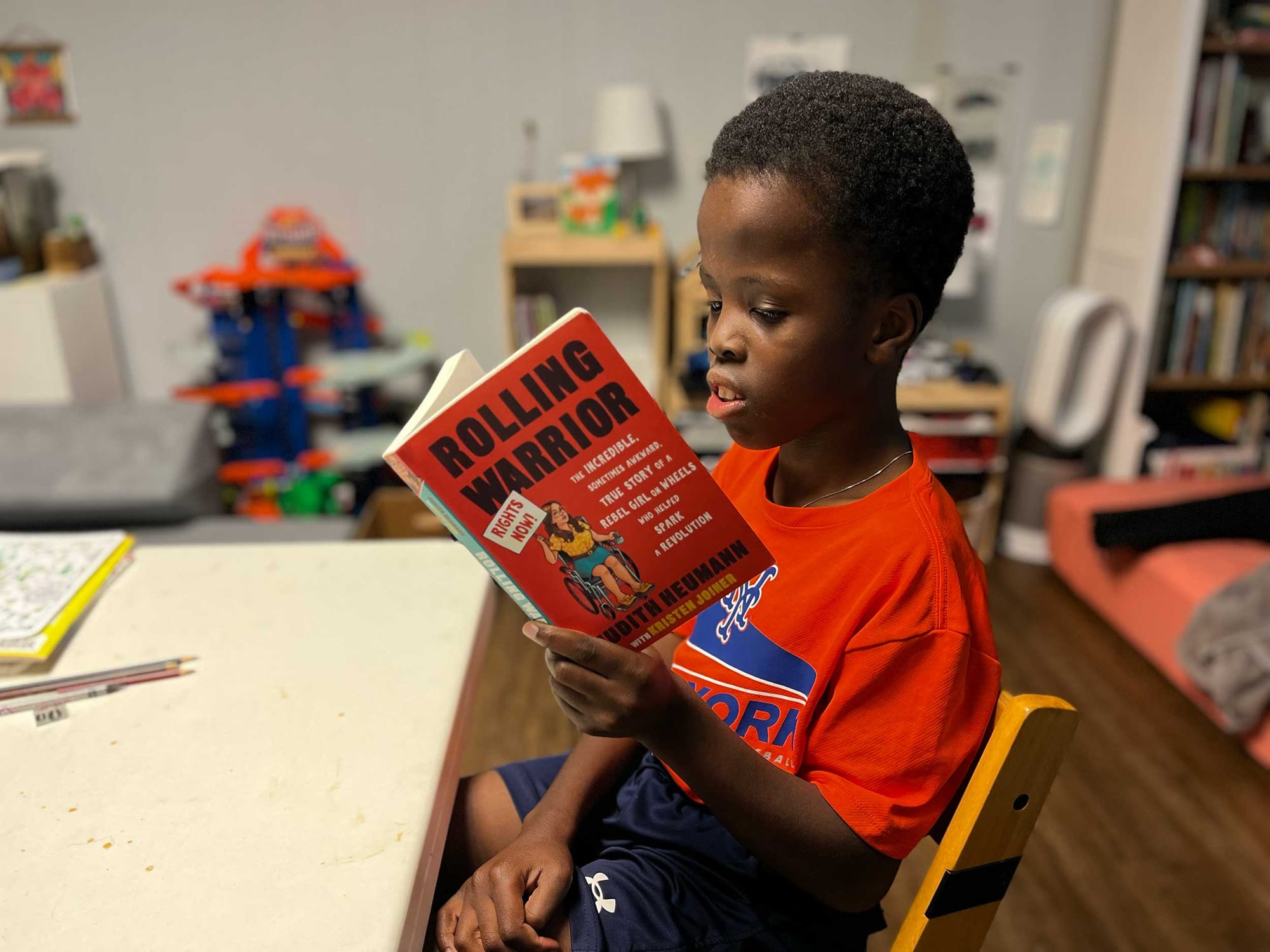
Biographical and historical texts also feature prominently in the middle grade category. Rolling Warrior by Judith Heumann and Kristen Joiner adapts Heumann’s adult memoir for younger readers, detailing her journey as a young activist using a wheelchair who helped spark the disability rights movement. The narrative provides an honest look at the barriers encountered by early advocates and encourages a sense of shared identity and civic engagement.
Additionally, I Am Not a Label by Cerrie Burnell presents brief biographical sketches of more than thirty disabled artists, thinkers, performers, and activists. By challenging the tendency to pigeonhole individuals based on diagnoses, the collection expands the imagination of young readers and provides tangible role models across various professional fields.
Titles for Young Adults and Adults
For mature readers, memoirs and essay collections offer profound insights into the human experience and the structural barriers present in society.
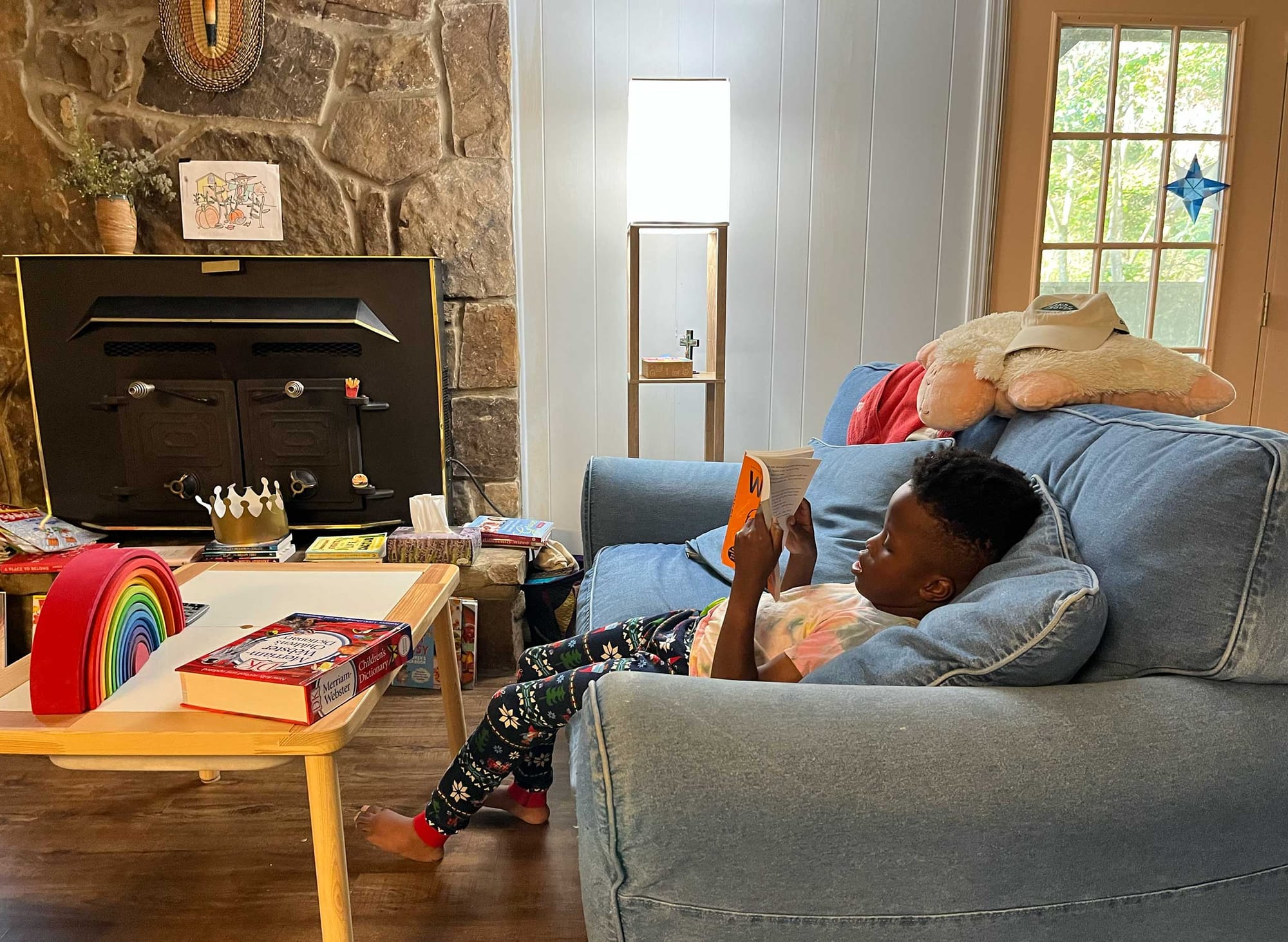
Sitting Pretty: The View from My Ordinary Resilient Disabled Body by Rebekah Taussig consists of a series of essays examining disability both personally and culturally. Taussig’s writing navigates nuance and reality without oversimplifying hope, challenging readers to reevaluate their own perceptions of the built environment and societal expectations.
Ariel Henley’s A Face for Picasso: Coming of Age with Crouzon Syndrome offers a raw and poignant exploration of identity, beauty, and societal standards. Growing up with a rare condition that causes bones in the head to fuse prematurely, Henley reflects on the internal and external challenges of carving out a sense of self in a world heavily focused on appearance.
The foundational history of the disability rights movement is explored further in Being Heumann: An Unrepentant Memoir of a Disability Rights Activist by Judith Heumann with Kristen Joiner. Detailing her decades-long advocacy—from the historic 504 Sit-In and the passage of the Americans with Disabilities Act to serving as Special Advisor on Disability Rights for the U.S. State Department—Heumann provides an unvarnished account of monumental shifts in civil rights history.
Finally, Haben Girma’s memoir, Haben: The Deafblind Woman who Conquered Harvard Law, examines the persistence required to navigate systems that are frequently unaccommodating. Rather than framing disability as a personal obstacle to be overcome, Girma emphasizes the necessity of adaptation and self-advocacy, framing disability as a catalyst for innovation.
Beyond the literary recommendations, the publication notes that public libraries often offer additional community resources, such as cardholder benefits that provide free or discounted admission to local museums and cultural attractions, encouraging travelers and families to explore their local civic institutions.