In the landscape of modern education and child development, mindfulness is frequently celebrated for its immediate capacity to soothe anxious minds and cultivate classroom tranquility. However, emerging discussions among educators and child psychologists point to a deeper, more profound benefit: the role of mindfulness in sharpening executive functioning skills. By turning attention inward to focus strictly on the current moment, children and teenagers can harness these practices to give themselves a vital cognitive boost in areas such as attention, impulse control, and working memory. As experts delve deeper into the intersection of cognitive science and daily practice, the education sector is taking a closer look at why these techniques matter and how they can be seamlessly integrated into the lives of young learners.
Executive functioning skills serve as the foundational, brain-based command center that individuals utilize every single day to plan ahead, initiate tasks, manage time, and work through complex challenges. Often operating seamlessly in the background, these cognitive abilities allow people to navigate daily life and reach their long-term goals without consciously analyzing every single step. When these capabilities are robust, tasks flow smoothly; however, when they are underdeveloped or overwhelmed, students frequently struggle with organization, emotional regulation, and sustained focus.
Recent educational insights highlight a direct correlation between regular mindfulness practices and the strengthening of these critical executive functions. This neurological connection is logical when examined through the lens of brain development. When an individual achieves a state of calm, the prefrontal cortex—often referred to as the "thinking brain"—becomes fully activated. This activation empowers young people to make more reasoned choices, concentrate with greater intensity, and problem-solve effectively when confronted with obstacles. Because mindfulness functions as an evidence-based strategy that is both simple and adaptable, educators and parents are increasingly exploring how to weave these mindful moments into the daily routines of children and adolescents of all ages.
At the core of this cognitive strengthening is the enhancement of focus and attention. Attention is broadly defined as the capacity to concentrate on a specific person, task, or abstract idea over a designated period. Children and teens rely heavily on these attention skills in virtually every aspect of their lives, ranging from engaging in a thoughtful dialogue with a peer to maintaining concentration through a lengthy academic assignment. Mindfulness exercises provide direct, rigorous training for these exact neural pathways. By dedicating time to focus exclusively on the rhythm of their breathing, individuals train their minds to anchor themselves firmly in the present. Inevitably, the human mind tends to wander, and mindfulness practices acknowledge this natural tendency without judgment. The crucial mechanism of growth occurs precisely when a student notices their attention drifting and consciously guides it back to the breath. Over time, this repetitive exercise fortifies both general attention span and overall mindfulness proficiency.
Closely tied to attention is the realm of self-control, which represents the cognitive ability to pause and evaluate a situation before making a decision. This skill relies heavily on inhibitory control, allowing a young person to halt an impulsive reaction in its tracks. Mindfulness directly nurtures this capacity by creating a deliberate pause between an external stimulus and an internal response. For instance, consider a typical high school scenario where a student walks past a locker adorned with festive decorations for a peer’s birthday. An immediate, uninhibited impulse might prompt the student to disrupt or damage the display. Through consistent mindfulness training, however, that same student develops the internal capacity to recognize the impulse, take a centering breath, and let the urge dissipate before acting. The implications of this mental pause extend far beyond momentary behavioral management, laying the groundwork for healthier short-term choices and long-term decision-making.
Emotional regulation is another critical pillar supported by these practices. Defined as the capacity to comprehend and manage daily emotions, emotional regulation establishes the baseline for how children and teens feel, think, and act throughout their day. Mindfulness aids this process by encouraging individuals to observe their emotions objectively, acknowledging feelings without becoming completely overwhelmed by them. This heightened self-awareness sets the stage for constructive emotional management. If a teenager experiences disappointment after being excluded from a collaborative group project, the instinctive reaction might involve crying, yelling, or shutting down entirely. Conversely, a student practiced in mindfulness can utilize a few deep, intentional breaths to return to a calm center, subsequently enabling them to evaluate the situation rationally and navigate the social challenge through healthier, more productive problem-solving methods.
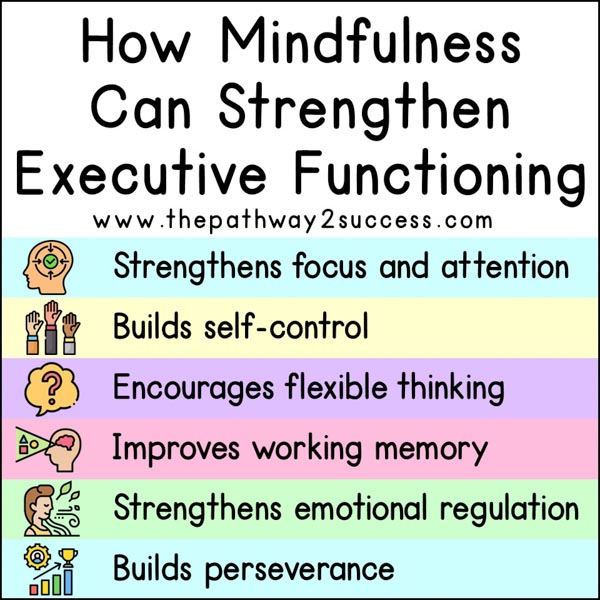
Beyond emotional and behavioral control, mindfulness also plays a crucial role in supporting working memory—the cognitive capacity to retain and manipulate information simultaneously. People utilize working memory constantly, whether they are listening to a complex sequence of multi-step instructions, retaining narrative details during a literature lesson, or working through a multi-part mathematical equation. Regular mindfulness practice effectively reduces cognitive clutter. By intentionally clearing out extraneous thoughts and mental distractions, individuals create cognitive bandwidth for the essential information required at that exact moment. A student who begins the morning with a brief mindfulness exercise enters the classroom with a cleared mental slate, significantly reducing the feeling of being overwhelmed by a barrage of competing thoughts when the teacher delivers morning instructions.
Furthermore, the practice encourages flexible thinking, which is the mental agility required to perceive situations from multiple perspectives, consider alternative viewpoints, and adapt mindsets when confronted with novel circumstances. Mindfulness fosters a non-judgmental acceptance of internal thoughts and external experiences, teaching learners to accept reality even when conditions are difficult or unfavorable. When a young adult receives rigorous critical feedback on a written essay, flexible thinking allows them to evaluate the critique objectively rather than interpreting it as a personal attack. This cognitive flexibility opens a clear pathway for constructive growth, learning, and resilience.
Closely aligned with flexibility is perseverance, defined as the tenacity to stick with a difficult task in order to achieve a desired goal. Every mindfulness practice inherently demands a degree of perseverance; sitting quietly and maintaining focus requires pushing past the mind’s natural urge to wander or seek immediate distraction. By committing to these exercises over an extended period, individuals continually practice the act of staying the course, even when discomfort or boredom arises. This routine reinforcement of sticking with a challenging task translates directly into academic and personal persistence.
Before introducing these techniques in educational or domestic settings, experts emphasize the value of discussing the underlying benefits directly with children and teens. Explaining that mindfulness is a practical tool designed to help them perform and feel their best provides necessary context. Young learners can understand mindfulness not merely as an abstract exercise, but as a reliable strategy they can utilize to calm their nerves before delivering an oral presentation or to sharpen their focus prior to an athletic competition. By framing mindfulness as a versatile technique applicable to any situation, educators can help bridge the gap between cognitive theory and daily application.

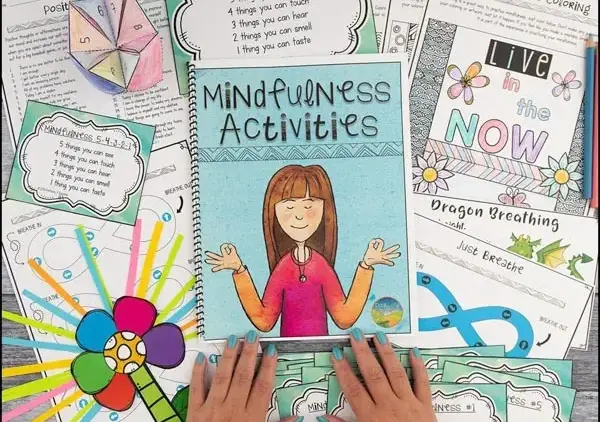
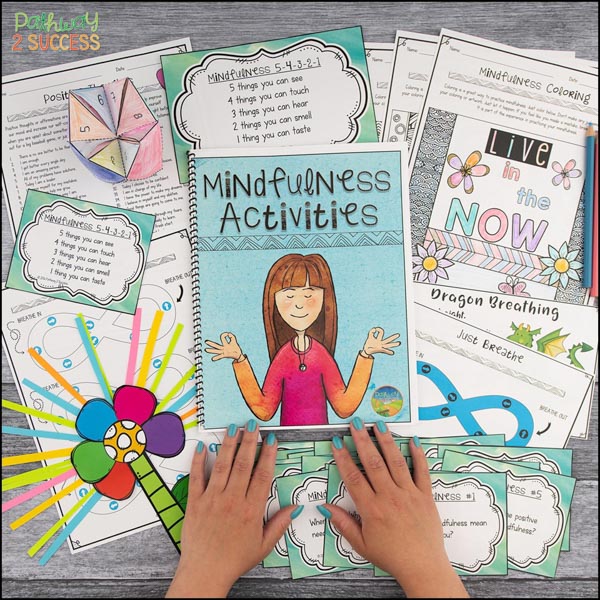
To bring these concepts to life, educators and mentors utilize a variety of integrated approaches, ranging from structured lessons and thematic literature to mindful breathing exercises, gentle stretching, and outdoor observation. Activities such as mindful coloring, journaling, and repeating positive affirmations allow students to anchor their attention in the present moment through tactile and reflective engagement. By systematically incorporating these evidence-based practices into daily routines, schools and families are providing young people with the essential cognitive tools needed to strengthen their executive functioning skills, navigate daily stressors, and build a resilient foundation for lifelong learning.