As the winter season sets in, bringing with it altered daily routines, colder weather, increased indoor confinement, and the unique stressors surrounding holiday breaks, educators and parents are placing a renewed focus on helping children and young adults master the art of self-regulation. Defined broadly as the ability to effectively manage thoughts, feelings, and behaviors, self-regulation is considered a foundational skill that allows kids to navigate everyday emotions, maintain focus on tasks, and foster positive social connections throughout the year. However, experts note that the period immediately before and after winter breaks often demands intentional, extra support as children grapple with behavioral shifts and seasonal pressures.
To address these challenges, child development advocates emphasize that building self-regulation skills does not have to feel like a chore; rather, it can be integrated into daily routines through creative, engaging, and enjoyable activities. By shifting away from rigid behavioral correction and toward proactive engagement, adults can help children develop internal mechanisms for calm and focus. A comprehensive overview of approaches highlights ten distinct winter-themed strategies designed to support kids and teens through the colder months, bridging the gap between emotional well-being and seasonal fun.
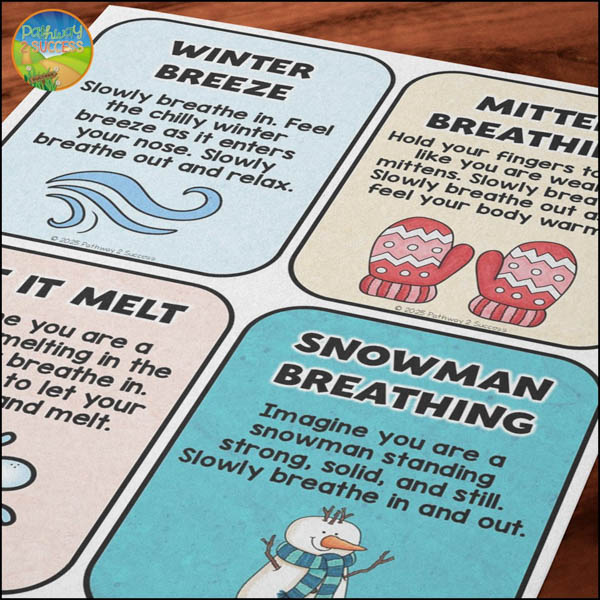
Central to many emotional management toolkits are winter breathing exercises. By introducing mindful breathing, adults teach children how to effectively hit the metaphorical pause button on immediate impulses or intense feelings. Focusing deliberately on slow inhales and exhales activates the parasympathetic nervous system, the biological mechanism responsible for true rest and physical relaxation. Scientific research consistently demonstrates that intentional breathing supports emotional regulation, sharpens cognitive focus, and establishes a pervasive sense of calm, making it a reliable strategy that can be deployed at any moment, regardless of location or circumstance.
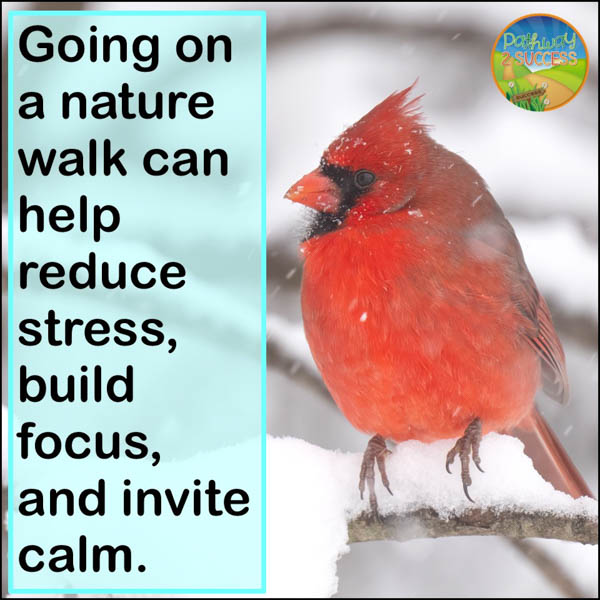
Moving beyond stationary focus, outdoor nature walks offer a dynamic approach to emotional wellness during the winter months. By bundling up and stepping outside under proper guidelines, children are encouraged to engage all five senses to notice their immediate environment, whether that involves observing a hawk soaring through the winter air or feeling a crisp breeze. This sensory engagement serves as an organic form of mindfulness. Furthermore, spending time in natural settings has been widely shown to reduce stress, strengthen attention spans, and elevate overall mood. It also encourages vital physical exercise and exposure to natural daylight, commodities that are frequently in short supply during the darker winter season.
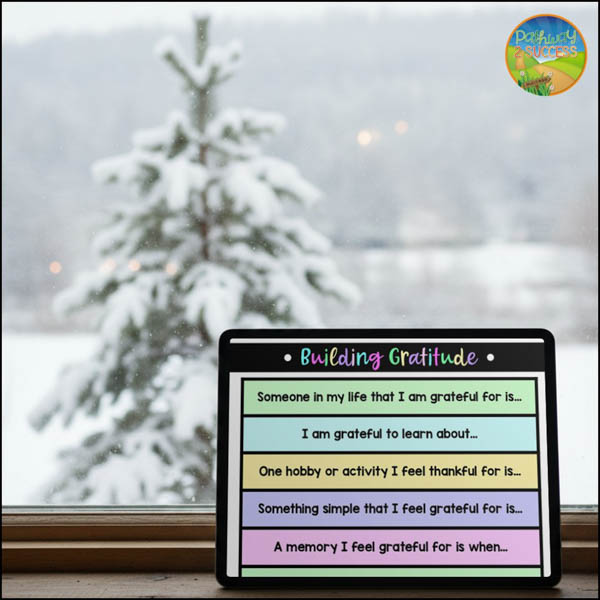
Reflection and appreciation also play a significant role in seasonal emotional regulation through structured winter gratitude practices. When children take time to identify and articulate specific aspects of the season they appreciate—ranging from the warmth of a hot cocoa mug to the sensory experience of winter sunshine—they actively rewire their brains to prioritize positive stimuli. Research indicates that cultivating gratitude yields a wide array of psychological benefits, including reduced stress levels, enhanced mood stability, greater resilience in the face of adversity, improved sleep quality, and a general elevation in overall well-being.
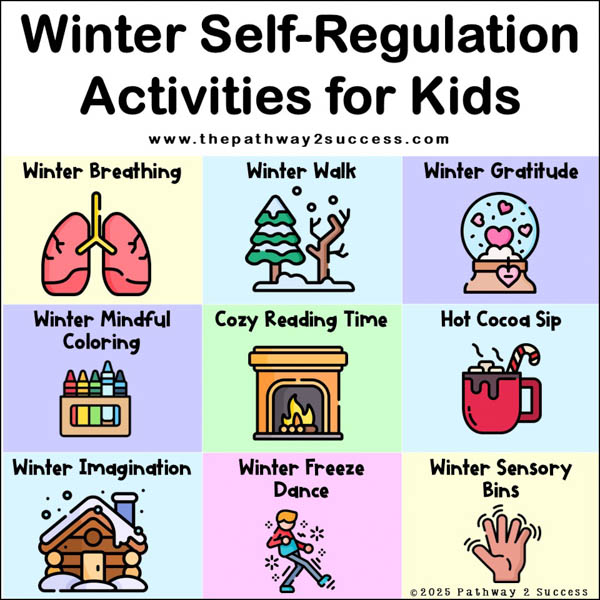
For children who benefit from tactile or artistic outlets, mindful winter coloring provides a powerful avenue for focus and relaxation. Unlike traditional meditation that requires physical stillness, coloring allows for gentle movement while still engaging the mind in a singular, low-stakes task. Whether utilizing positive self-talk coloring pages or freestyle drawing, the objective shifts away from artistic perfection and toward stress reduction and anxiety mitigation. This makes mindful coloring an especially valuable tool for kinesthetic learners and children who require physical outlets to achieve emotional equilibrium.
Similarly, cozy reading time fosters relaxation and emotional connection during long indoor stretches. Whether children engage in independent silent reading or participate in a group read-aloud led by an adult, immersing oneself in a good narrative has been clinically linked to lower stress levels, reduced muscle tension, enhanced empathy, and long-term well-being. Furthermore, group read-alouds offer an additional layer of co-regulation, allowing adults and children to share a calming experience that strengthens interpersonal bonds while providing a healthy mental break from other daily stressors.
Hands-on tactile experiences are further expanded through winter-themed sensory bins. By filling large containers with safe, winter-inspired materials, educators and parents provide children with an interactive medium that encourages mindfulness, calm, and sustained attention. Beyond emotional regulation, sensory bin exploration naturally supports fine motor skill development, narrative storytelling, and innate curiosity, creating a multifaceted approach to indoor winter play.
Culinary traditions can likewise be transformed into mindfulness exercises, as seen in the simple act of sipping hot cocoa. By encouraging children to hold the warm cup, inhale its aroma, and slowly taste the beverage while pausing deliberately between sips, adults turn a routine treat into mindfulness in action. The physical warmth of the drink naturally relaxes muscles and sends physiological calming signals to the central nervous system, effectively quieting an overstimulated mind and providing a tangible anchor for comfort.
When physical activity or environmental shifts are limited, winter imagination exercises allow children to engage in guided visualization. By closing their eyes and mentally exploring calming winter scenes through sensory prompts—visualizing what they see, hear, feel, and smell—children practice the mental shift from agitation to relaxation. This technique leverages the brain’s capacity for internal imagery to induce a physiological state of calm.
Creative expression through winter crafts provides another structured opportunity for emotional regulation. Hands-on crafting engages fine motor skills while requiring children to focus their attention, execute sequential steps, and manage frustration when projects encounter minor imperfections. This balance of structure and creative freedom helps learners build resilience alongside artistic capability.
Auditory environments are also leveraged through the intentional play of winter-themed music. Gentle, instrumental tracks featuring piano or guitar can be introduced during transitions, independent work periods, or quiet moments to establish a serene atmosphere. Because music possesses a direct pathway to neurological relaxation responses, mindful listening serves as a powerful instrument for sustaining focus and emotional stability throughout the day.
Finally, active games such as winter freeze dance combine physical movement with cognitive control. As children dance to music and practice sudden self-control by freezing upon hearing specific winter vocabulary words, they actively exercise impulse control, body awareness, and the ability to transition smoothly between high-energy movement and complete stillness. Together, these diverse strategies offer a robust framework for adults seeking to support children’s emotional health and resilience throughout the challenges of the winter season.