From September 12 to 15, 2023, Bulgaria played host to the final project meeting of the SMILE initiative—an acronym for Sport, Motivation, Inclusion, Leadership, and Engagement. Co-funded by the Erasmus+ programme of the European Union and coordinated by the Bulgarian Sports Development Association, the initiative was designed to analyze and strengthen the critical link between sport and social inclusion in an innovative, transformative way. By ensuring international participation in structured sporting activities for persons with intellectual disabilities, the project sought to break down long-standing barriers, challenge societal perceptions, and open up new avenues for personal growth and community integration.
The final gathering in Bulgaria marked the culmination of months of dedicated collaborative effort among international partners. The meeting was attended by a diverse and committed delegation representing the Rijeka Sports Association for Persons with Disabilities, including a project manager, a dedicated coach, and two exceptional athletes with intellectual disabilities. Their presence underscored the core philosophy of the SMILE project: ensuring that individuals with intellectual disabilities are not merely passive beneficiaries of social programs, but active leaders

, engaged participants, and central voices in shaping initiatives that directly affect their lives.
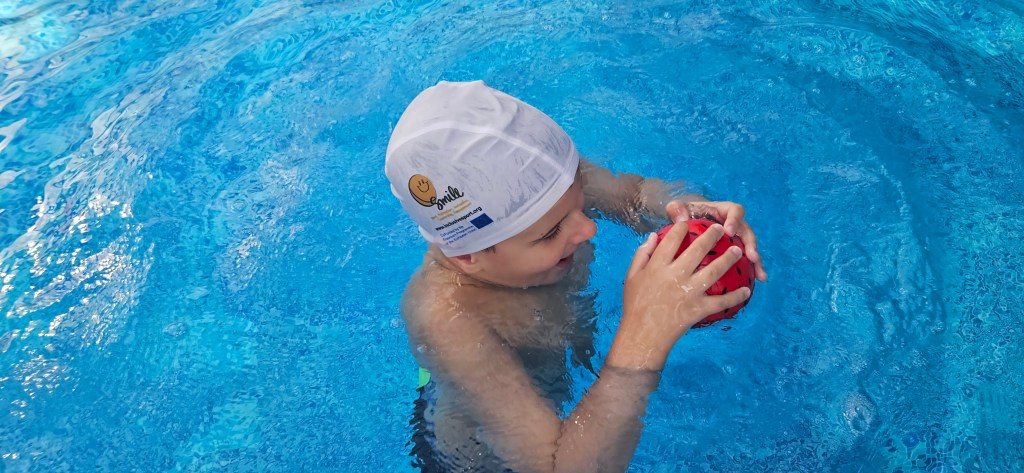
The multi-day itinerary began with comprehensive team meetings aimed at ensuring the smooth and successful closure of the initiative. Over the course of its implementation, the SMILE project has provided life-changing experiences for the participating athletes, offering them rare opportunities to travel, compete internationally, build lasting friendships, and develop a profound sense of self-reliance and leadership. Following the administrative and evaluative closure sessions, the delegation transitioned from theory to practice with an immersive site visit to an adapted swimming session. This practical demonstration highlighted the methodologies developed throughout the project, showcasing how professional coaching frameworks can be successfully tailored to accommodate diverse physical and cognitive needs in aquatic sports environments.
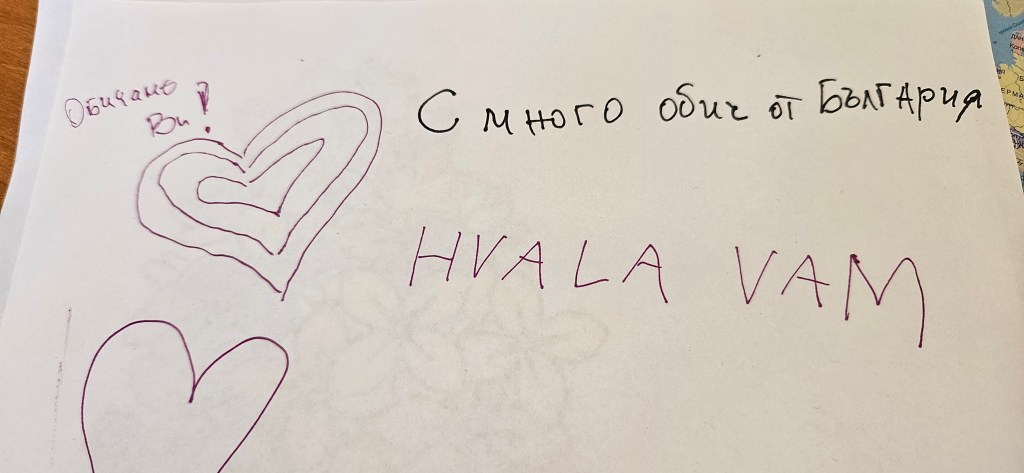
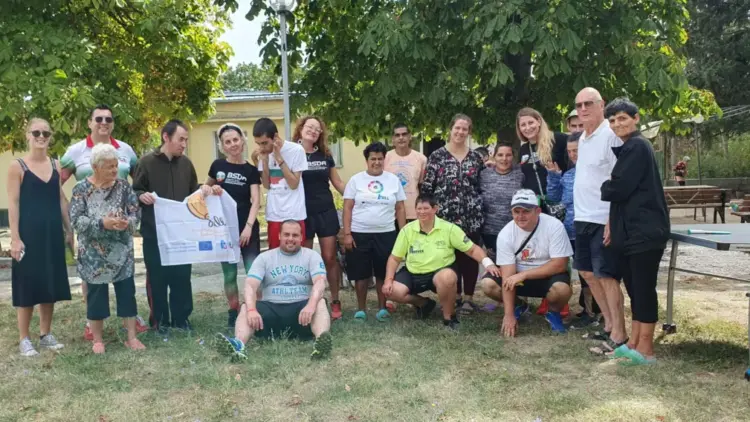
On the subsequent days of the meeting, the project partners expanded their outreach beyond traditional athletic venues, engaging directly with community institutions and social enterprises that champion the rights and dignity of individuals with intellectual disabilities. The delegation visited participants of the international sport event that had been held earlier in the year in Croatia. During this leg of the itinerary, the partners spent time with residents at a specialized state facility for adults with intellectual disabilities located in the historic town of Banya. This visit provided an invaluable opportunity to observe the daily living conditions, support structures, and ongoing integration efforts within state-run residential care environments in Bulgaria.
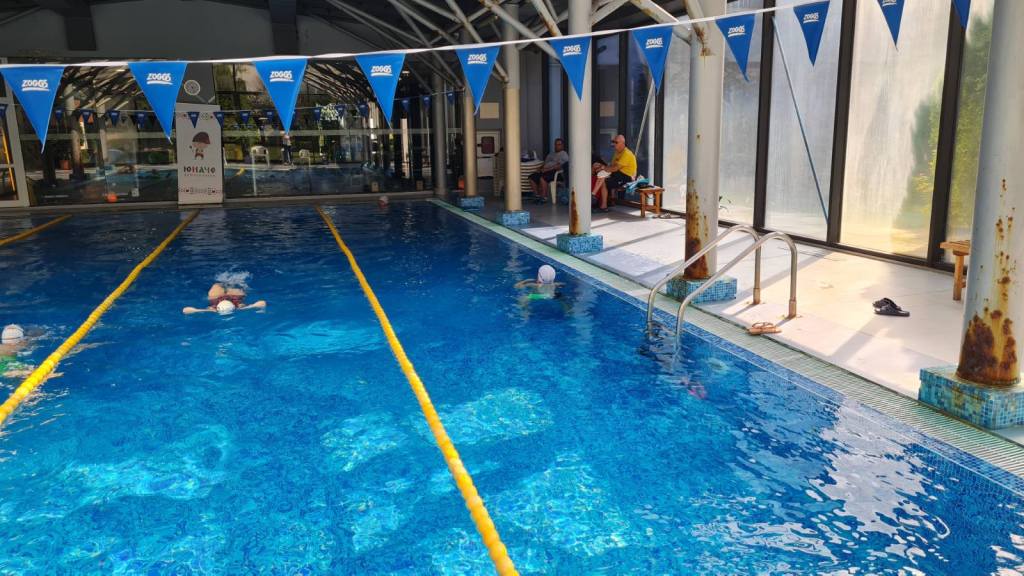
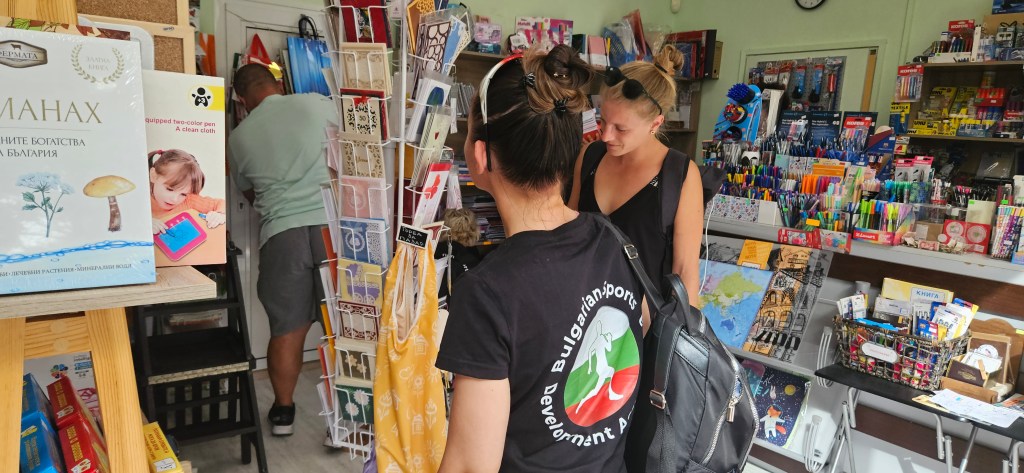
Continuing their journey, the project team traveled to Plovdiv, where they visited "Sonic Start" and the renowned social bookstore known as "Hope." These visits offered a powerful testament to the broader economic and social dimensions of inclusion championed by the SMILE initiative. In Plovdiv, the partners met directly with individuals with disabilities who are gainfully employed within the social enterprise, observing firsthand how meaningful employment, vocational support, and community engagement contribute to independence and long-term societal integration. The interactions at the social bookstore reinforced the project’s foundational belief that inclusion extends far beyond the athletic arena into the workplace, the marketplace, and the fabric of everyday civic life.
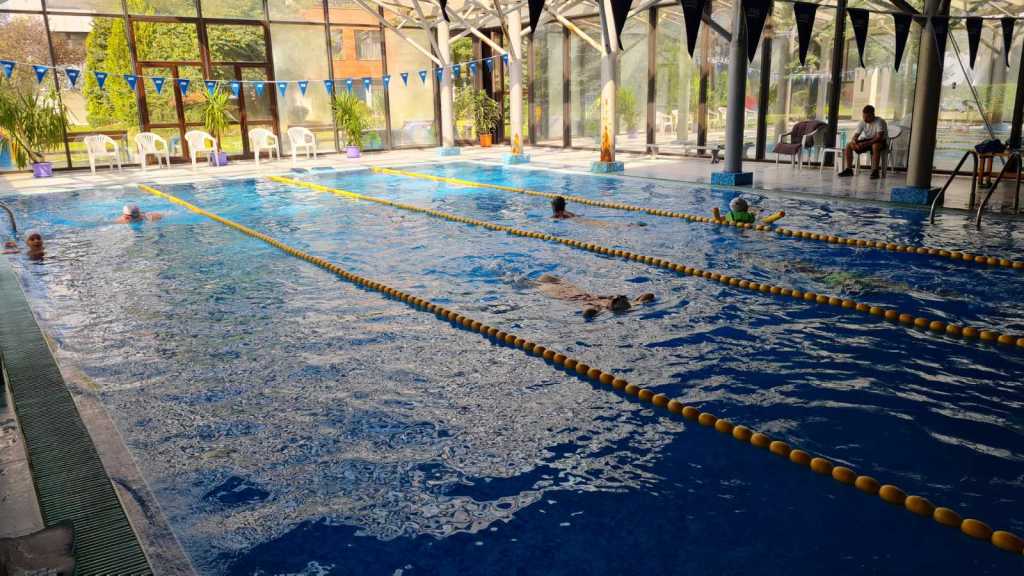
Throughout its lifecycle, the SMILE initiative has worked tirelessly to develop targeted outputs designed to achieve its ambitious project aims. By combining academic analysis with grassroots athletic engagement, the project has established robust frameworks that support inclusive sports coaching, foster motivation among participants with intellectual disabilities, and cultivate essential leadership skills. These outputs serve as practical blueprints for sports organizations, civil society groups, and educational institutions across Europe seeking to implement genuinely inclusive programs that accommodate athletes of all abilities.

At its core, the activities implemented through the SMILE project have been carefully calibrated to empower persons with intellectual disabilities in several fundamental ways. The initiative has consistently striven to equip participants with the confidence, psychological resilience, and physical competence necessary to take active control of their lives. By stepping onto international stages, interacting with peers from different cultural backgrounds, and mastering new athletic disciplines, the athletes involved in SMILE have broken through traditional limitations. The project actively encourages these individuals to step into leadership roles, advocate for their own needs, and engage deeply with their local and international communities as visible, valued contributors.

The SMILE project aligns seamlessly with the overarching horizontal objectives pursued by the European Union’s Erasmus+ Programme, which co-funded the initiative. A primary horizontal priority of Erasmus+ is the promotion of social inclusion and diversity across all fields of education, training, youth, and sport. The SMILE initiative serves as a prime, real-world representation of this priority in action, successfully bridging the gap that often isolates a highly disadvantaged group from mainstream international activities and cultural exchanges. By intentionally designing a framework that places persons with intellectual disabilities at the center of international sports events, the project directly challenges exclusion and fosters a more equitable European sports community.

Furthermore, the initiative is deeply aligned with the European priority of encouraging widespread participation in sport and physical activity. Traditional sports structures have historically struggled to accommodate individuals with intellectual disabilities, often resulting in systemic exclusion from regular training and competitive pathways. The actions implemented by SMILE systematically addressed this gap by creating sustainable avenues for regular physical involvement on local, national, and international levels. By proving that inclusive sport is not only achievable but profoundly beneficial, the project has laid the groundwork for lasting changes in how sports organizations approach accessibility and diversity.

As the final project meeting in Bulgaria drew to a close, the stakeholders reflected on the profound impact of the journey shared since the inception of the initiative. The combination of high-level administrative evaluation, practical athletic demonstrations, and deeply human community engagements in Banya and Plovdiv encapsulated the holistic vision of the SMILE project. By uniting sport, motivation, inclusion, leadership, and engagement under a single banner, the initiative has left an indelible mark on the participating athletes, coaches, and partner organizations. The relationships forged, the methodologies tested, and the barriers broken during the lifespan of SMILE will continue to resonate long after the official closure of the project, serving as an inspiring model for future inclusive sports initiatives throughout Europe and beyond.