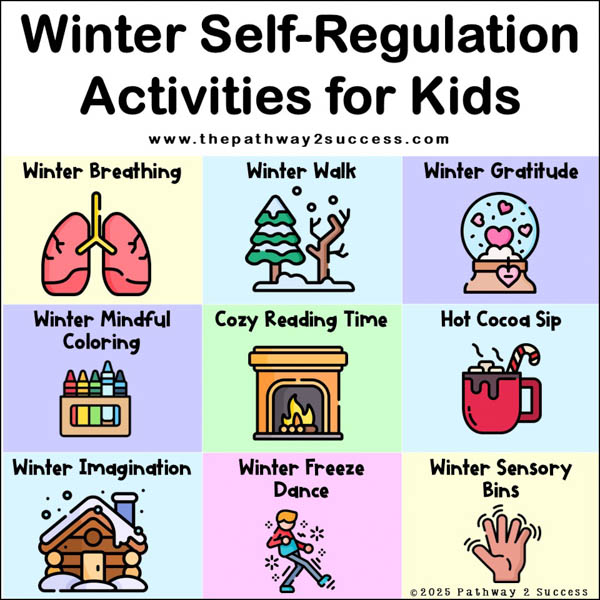
The confluence of shifting daily routines, increased indoor confinement, and the potential for holiday-related stress often leaves children and adolescents requiring extra behavioral support during the colder months. To address these seasonal challenges, experts emphasize that practicing self-regulation skills can and should be an engaging experience. A comprehensive overview of winter-themed activities highlights ten dynamic approaches designed to help kids and teens build these vital capacities through mindfulness, sensory engagement, physical movement, and creative expression.
Winter Breathing Exercises
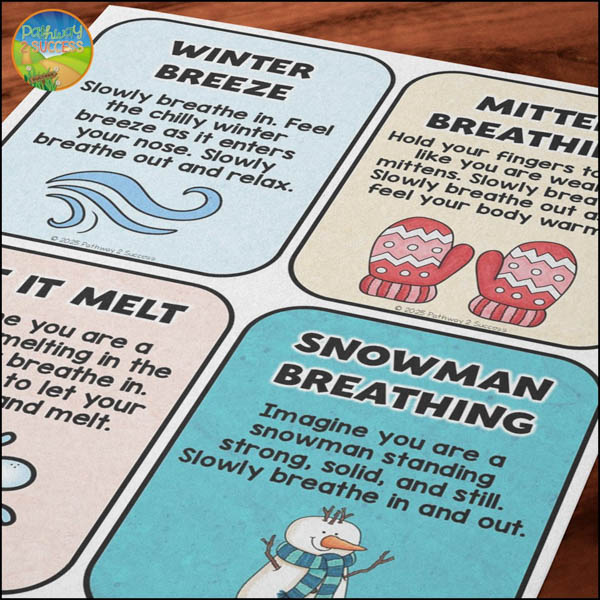
At the foundation of emotional control are deep breathing exercises designed to calm both the body and mind. Experts suggest introducing mindful breathing by explaining how focusing on inhales and exhales serves as an internal pause button. Rather than reacting immediately to impulses or overwhelming feelings, children can utilize slow, deep breaths to regain composure, relaxation, and focus. This strategy offers a versatile tool that can be deployed at any moment.
Research underscores the physiological impact of this practice, revealing that focusing on the breath activates the parasympathetic nervous system, which governs the body’s ability to truly rest and relax. Extensive studies consistently demonstrate that mindful breathing supports self-regulation, enhances cognitive focus, and cultivates an overall sense of calm in educational and home settings.
Outdoor Nature Walk
Transitioning outside, outdoor exploration walks encourage children to observe their immediate surroundings by actively engaging their senses of sight, sound, feel, smell, and taste. After establishing basic expectations regarding group safety and environmental respect, participants bundle up to experience the winter landscape firsthand. Whether noticing a hawk soaring across the sky or feeling a crisp winter breeze, children are encouraged to process their sensory experiences and share their findings through discussion or writing.
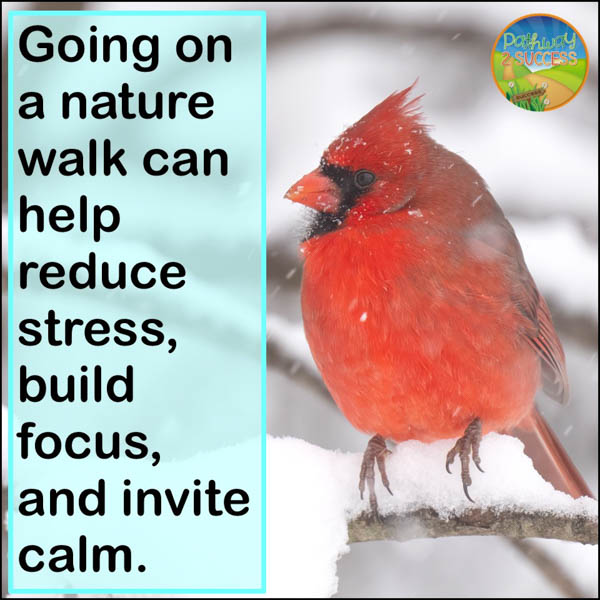
When outdoor access is limited, educators often substitute nature-themed brain breaks. Scientific literature highlights that spending time in nature significantly reduces stress, strengthens attention spans, and improves overall mood and well-being. Furthermore, outdoor winter excursions promote physical exercise and provide exposure to natural sunlight, addressing a common seasonal deficit.
Winter Gratitude
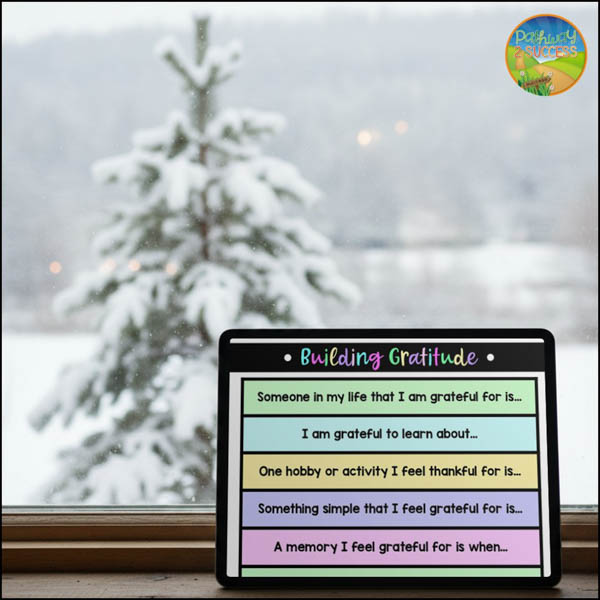
Reflecting on positive aspects of the winter season provides another avenue for emotional regulation. Group discussions and simple brainstorming lists help children identify elements they appreciate during the colder months, ranging from hot cocoa and seasonal holidays to skiing and extended family time. Encouraging participants to articulate specific observations, such as the warmth of winter sunshine on a chilly day, deepens the reflective process.
Writing activities and structured sentence starters further support this practice by allowing students to document and share what they value. Research indicates that practicing gratitude actively rewires the brain to focus on positive stimuli, yielding measurable benefits that include reduced stress, improved mood, enhanced resilience, better sleep quality, and heightened overall well-being.
Mindful Winter Coloring
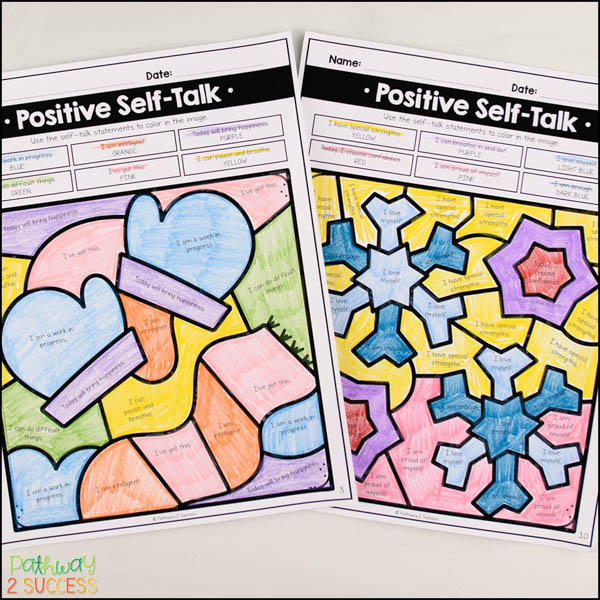
For children who struggle with the stillness required for traditional meditation, mindful coloring offers an accessible alternative. By working with winter-themed pages and shared supplies such as colored pencils, crayons, and gel pens, students are encouraged to slow down and focus on the present moment. The primary objective centers on relaxation and breathing rather than artistic perfection.
Evidence-based findings support the use of mindful coloring as an effective tool for reducing stress, mitigating anxiety symptoms, and elevating mood. Because the activity incorporates physical movement through the hands, it serves as an especially valuable self-regulation strategy for kinetic learners.
Cozy Reading Time
Establishing a calm and connected atmosphere through reading provides another reliable method for promoting stillness. Educators often simulate a cozy environment by displaying digital fireplace visuals while students engage in silent reading or participate in read-aloud sessions. While silent reading offers independent focus, group read-alouds foster interpersonal connection and co-regulation among participants.
Studies confirm that immersive reading naturally lowers stress levels, relieves muscle tension, enhances empathy, and contributes to long-term psychological well-being. Becoming absorbed in a narrative offers a constructive mental break from other daily stressors.
Winter Sensory Bins
Hands-on tactile exploration through winter-themed sensory bins engages children in purposeful play using large containers filled with safe materials. This sensory-driven approach encourages mindfulness, calm, and focus while simultaneously supporting the development of fine motor skills, narrative storytelling, and natural curiosity.
Hot Cocoa Sip
Transforming a simple treat into a mindfulness exercise, the hot cocoa experience invites students to engage multiple senses. Participants hold the warm cup, inhale its aroma, and consume the beverage slowly, pausing deliberately between sips to process the entire sensory event.

Beyond its comforting nature, mindful consumption quiets the central nervous system. The warmth of the beverage physically relaxes muscle tension and signals the body to transition into a state of rest and comfort, making it an effective mechanism for self-regulation.
Winter Imagination
Guided visualization encourages children to close their eyes and mentally construct a relaxing winter scene prompted by sensory descriptions. By guiding students to imagine the sights, sounds, textures, and smells of various cold-weather environments, visualization exercises help individuals intentionally shift their physiological and mental state toward calm.
Winter Crafts
Creative hands-on art projects provide structured opportunities for emotional and behavioral management. Whether following specific directions or exercising creative freedom with winter-themed projects, learners practice concentration, sequential task execution, and emotional resilience when facing creative challenges. Craft activities engage fine motor control while offering a structured environment that supports self-regulation.
Play Winter-Themed Music
Integrating gentle, instrumental winter music into daily routines establishes a soothing background atmosphere. Whether utilized during transitions or independent work periods, carefully selected music can be paired with guided visualization where children close their eyes and imagine peaceful winter landscapes. Auditory stimuli serve as a potent neurological tool for triggering relaxation responses and sustaining focus.

Winter Freeze Dance
Combining physical movement with impulse control, winter freeze dance activities require participants to dance while music plays and instantly freeze their bodies upon hearing specific seasonal vocabulary words, such as snowman or icicle. This playful game reinforces self-regulation by challenging children to listen attentively, monitor their physical movements, and rapidly transition between dynamic action and complete stillness.