The high cost of health care continues to cast a long shadow over American households, serving as a primary driver of financial worry, forcing difficult choices regarding insurance and medical care, and contributing to widespread medical debt. Updated polling data highlights that economic anxieties surrounding medical expenses persist as a dominant concern for adults across diverse demographic backgrounds, income levels, and insurance statuses.
For the majority of the year, health care expenses have remained at or near the pinnacle of the public’s financial anxieties. In the period leading up to the midterm elections, comprehensive data reveals that approximately six in ten U.S. adults are either "very" or "somewhat" worried about their ability to afford health care costs for themselves and their families. This broad category encompasses everything from monthly health insurance premiums to out-of-pocket costs for routine office visits and essential prescription drugs.
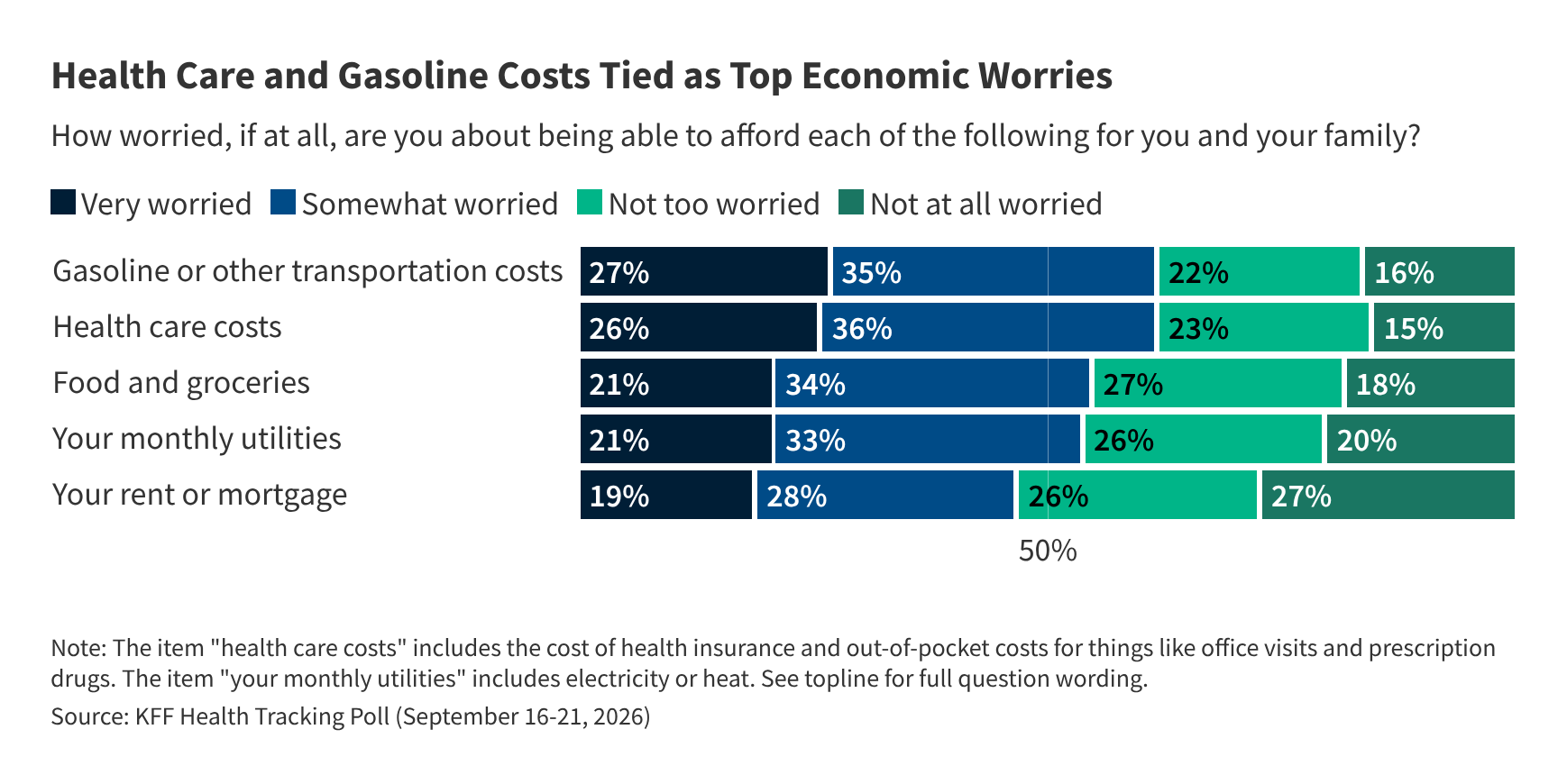
When measured against other household economic pressures, medical expenses consistently rank at the top. While worries about affording gas and transportation closely parallel health care anxieties—with about 27 percent of adults expressing deep concern—other household necessities register somewhat lower on the scale of acute stress. Roughly one in five adults report being very worried about covering monthly utility bills, food and groceries, or rent and mortgage payments.
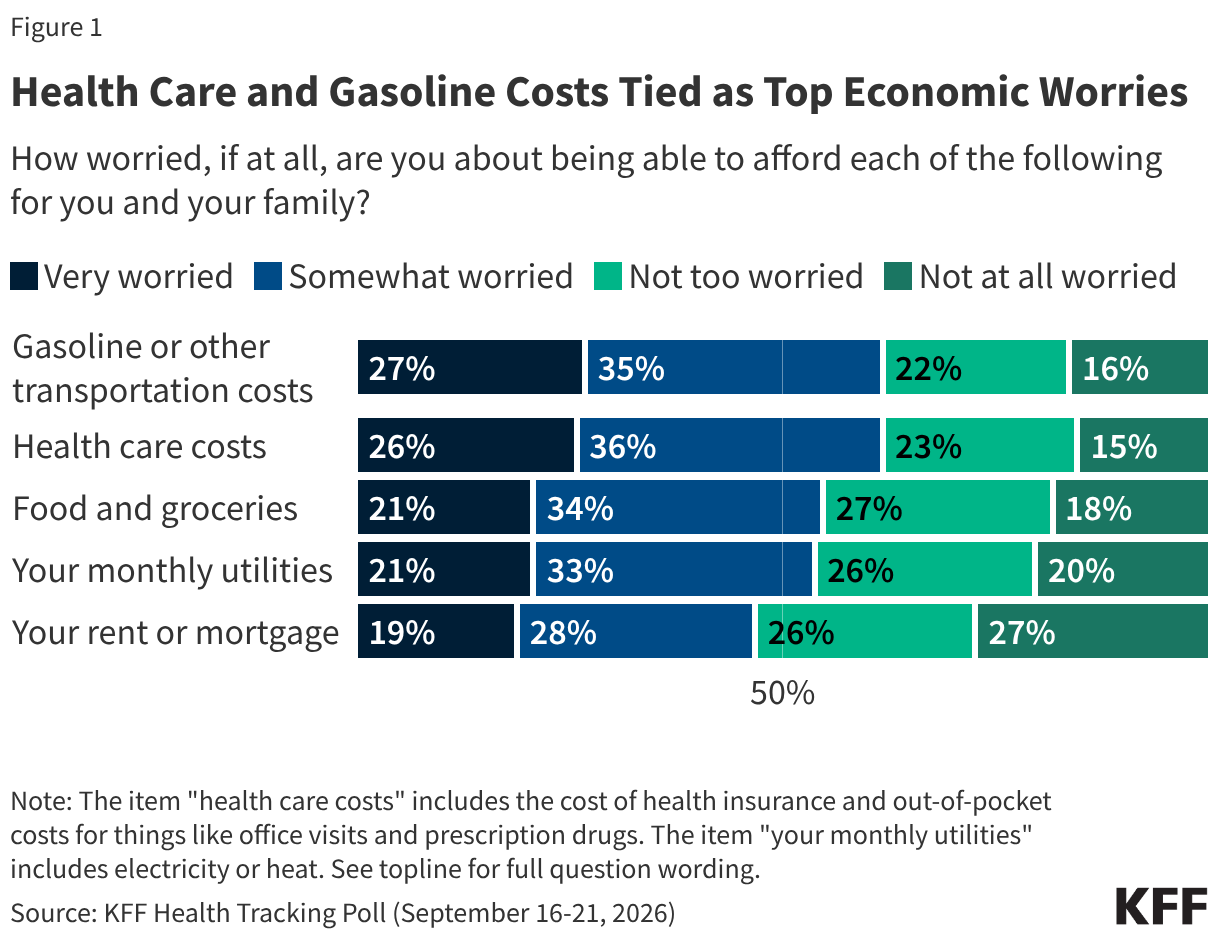
The weight of these medical cost worries is particularly crushing for those without health insurance. Among uninsured adults under the age of 65, an overwhelming eight in ten report feeling very or somewhat worried about affording health care. Yet, having coverage offers only partial peace of mind. A striking 63 percent of insured adults under 65 share these same anxieties, demonstrating that health care cost concerns transcend insurance categories and political party lines.
Worries and Difficulty Affording Medical Costs
Echoing these pervasive worries, a substantial share of the U.S. public encounters direct difficulty in affording medical care. While lower-income and uninsured populations bear the brunt of this financial strain, the high cost of medicine ensures that insured individuals and those with higher household incomes are far from immune.
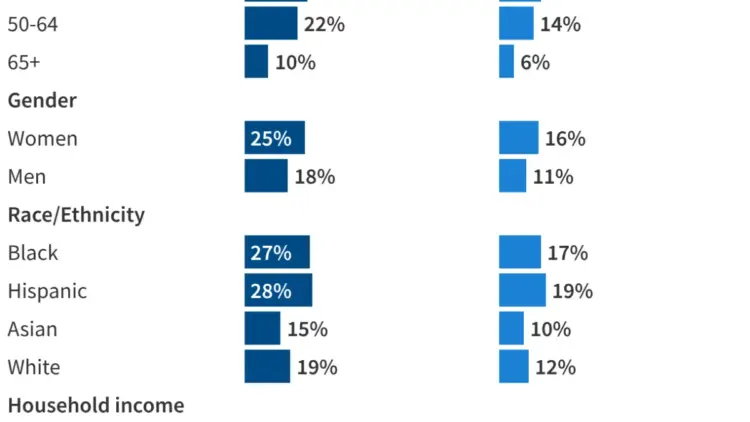
Just under half of all U.S. adults report that it is very or somewhat difficult for them to manage and afford their health care costs. This difficulty is starkest among the uninsured under 65, where 82 percent report struggles compared to 42 percent of those with health insurance coverage. Disparities are also visible along racial and ethnic lines, with a slight majority of Hispanic adults and nearly half of Black adults reporting difficulty affording care, compared to roughly four in ten White adults. Furthermore, financial hardship is heavily concentrated in households with annual incomes under $40,000, where paying for medical care presents a recurring hurdle.
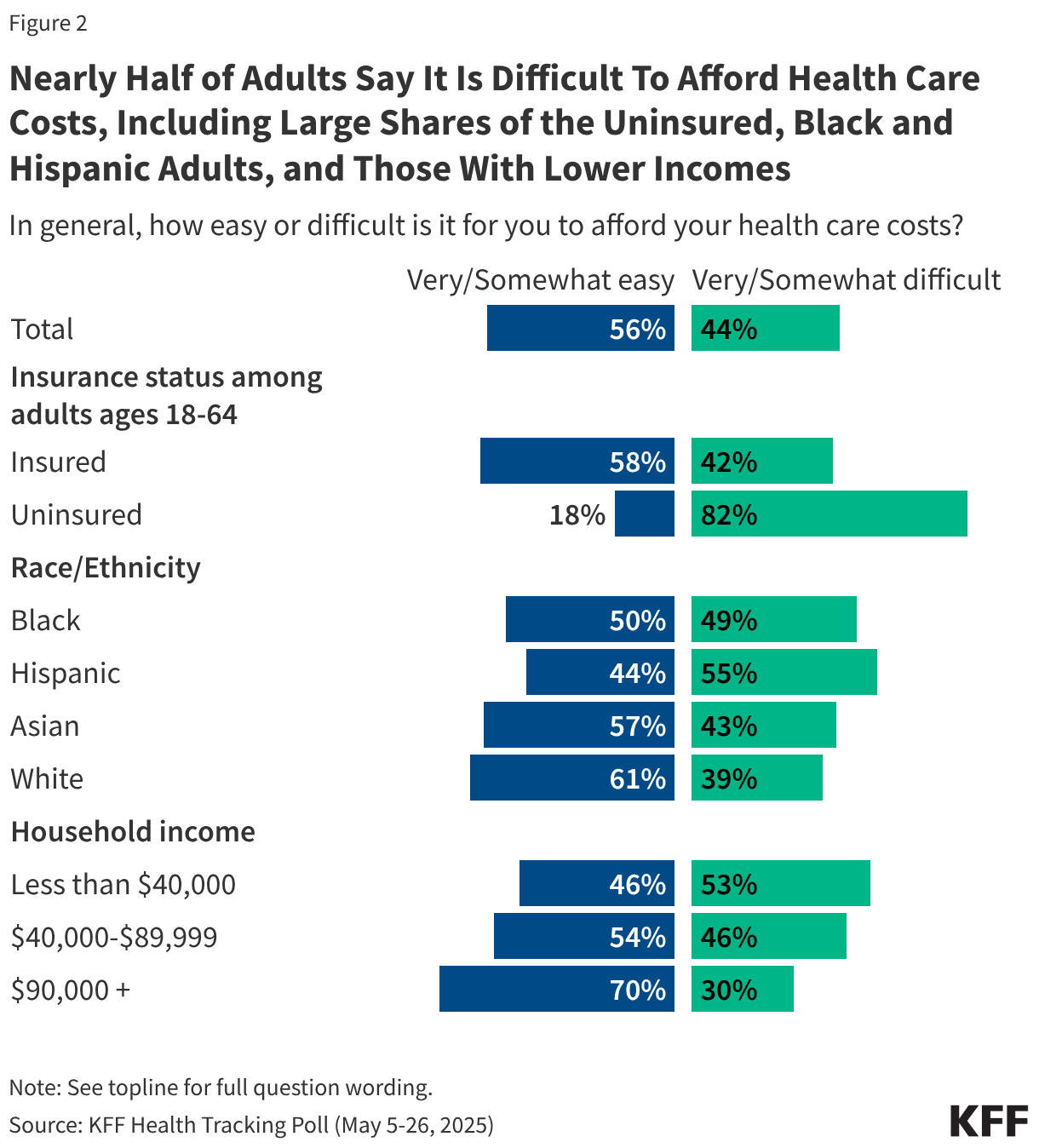
This persistent lack of affordability frequently translates into delayed or entirely bypassed medical attention. Roughly three in ten adults state they have skipped or postponed needed health care services over the past twelve months explicitly because of the cost. Women, younger adults, Hispanic individuals, and lower-income households are consistently more likely to report making these sacrifices.
While uninsured individuals are the most vulnerable—with roughly six in ten reporting deferred care due to cost—insurance status alone does not guarantee access. Three in ten adults between the ages of 18 and 64 who actually possess health insurance still report forgoing necessary medical services because they cannot afford the associated out-of-pocket expenses.
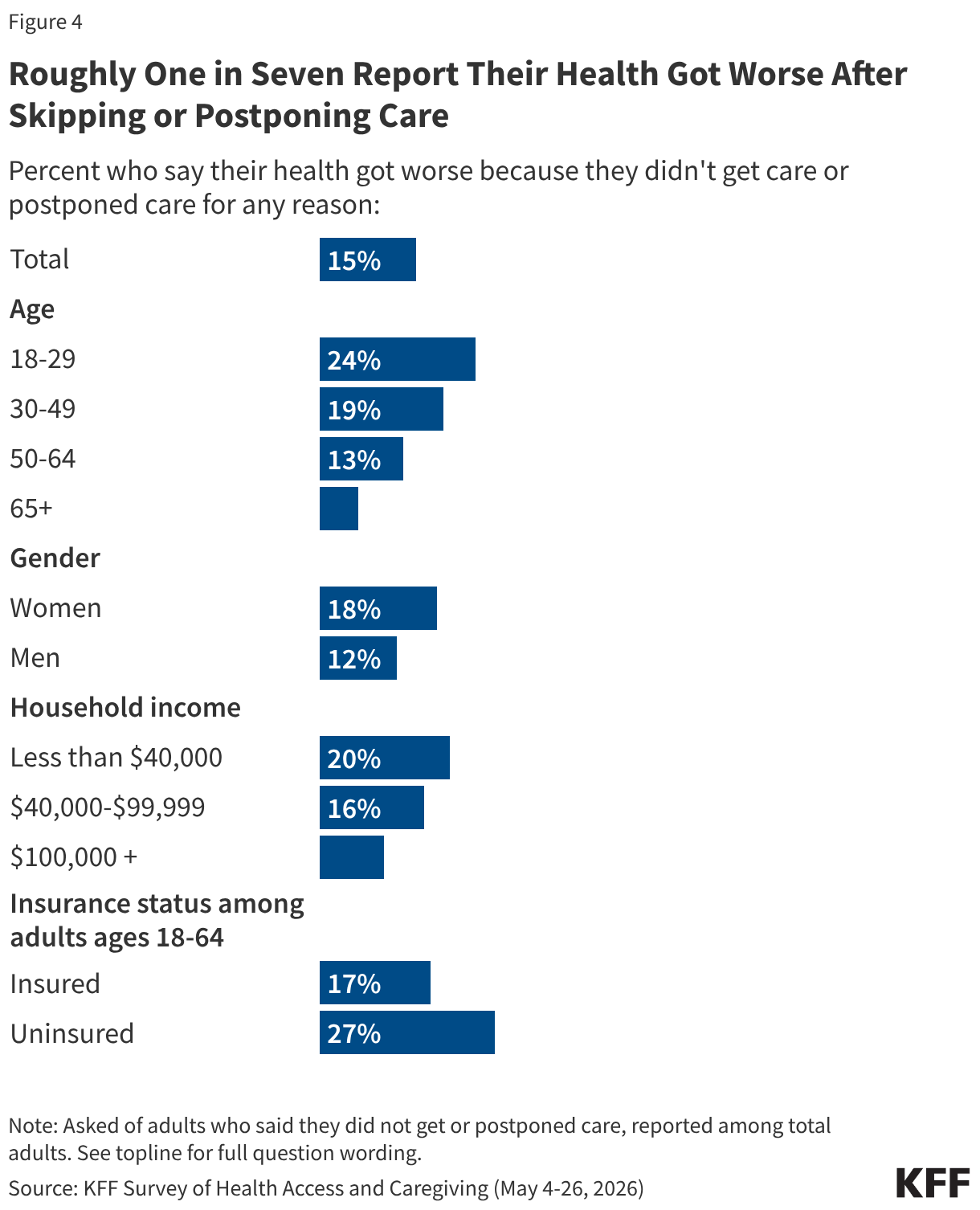
Postponing or avoiding care inevitably takes a toll on physical well-being. Approximately one in seven adults report that their overall health deteriorated because they skipped or delayed medical treatment for any reason. Among adults under 65, the uninsured are significantly more vulnerable to this decline than those with coverage. Furthermore, younger generations feel this impact acutely; adults under 30 are four times as likely as adults aged 65 and older—most of whom benefit from Medicare—to report that their health worsened after skipping medical care.
Problems Paying Medical Bills
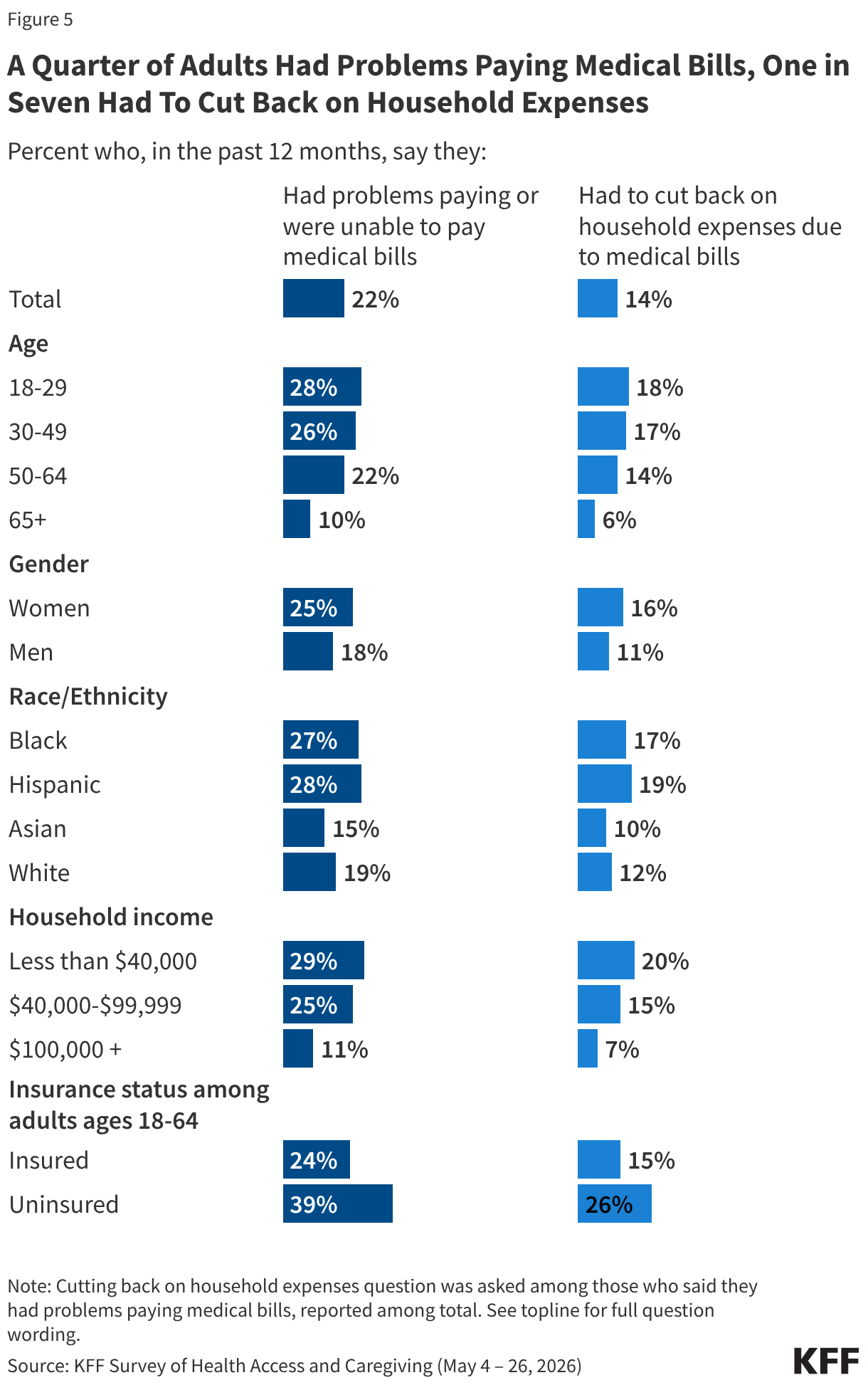
The financial fallout of accessing health care extends directly into household budgeting and bill management. About one in five adults overall report experiencing problems paying or being entirely unable to pay medical bills over the past year. These bills encompass charges from physicians, diagnostic tests, laboratory work, and prescription medications. Younger adults, women, Hispanic and Black adults, lower-income households, and uninsured working-age adults report these billing struggles at notably higher rates.
These medical debt and bill-paying crises frequently trigger severe secondary consequences for household finances. One in seven adults report having to cut back drastically on essential household expenses—such as food, clothing, and other basic necessities—merely to afford their health care costs. This sacrifice is particularly pronounced among lower-income households and uninsured adults under 65, a quarter of whom report diverting funds away from basic survival needs to meet medical obligations.
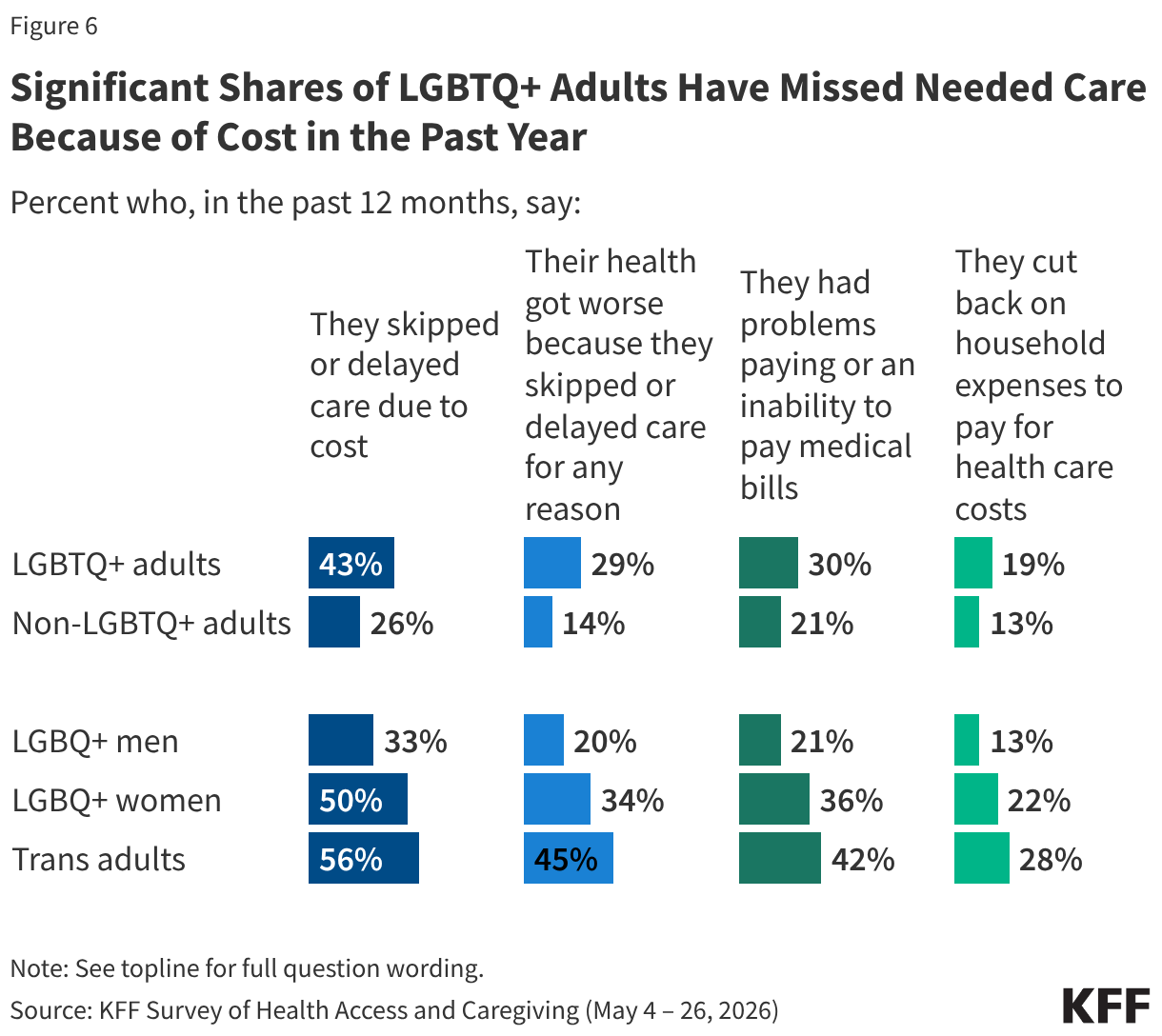
Particular demographic groups and individuals managing complex health profiles face disproportionately severe challenges regarding affordability and care access. LGBTQ+ adults, who tend to be younger and possess lower average incomes than their non-LGBTQ+ peers, report significantly higher rates of health care hurdles. More than four in ten LGBTQ+ adults delayed or skipped care due to cost in the past year, while nearly a third encountered medical bill payment problems. Within this community, transgender adults face even steeper obstacles, with over half reporting delayed care due to cost and nearly half noting that their overall health suffered as a direct result.
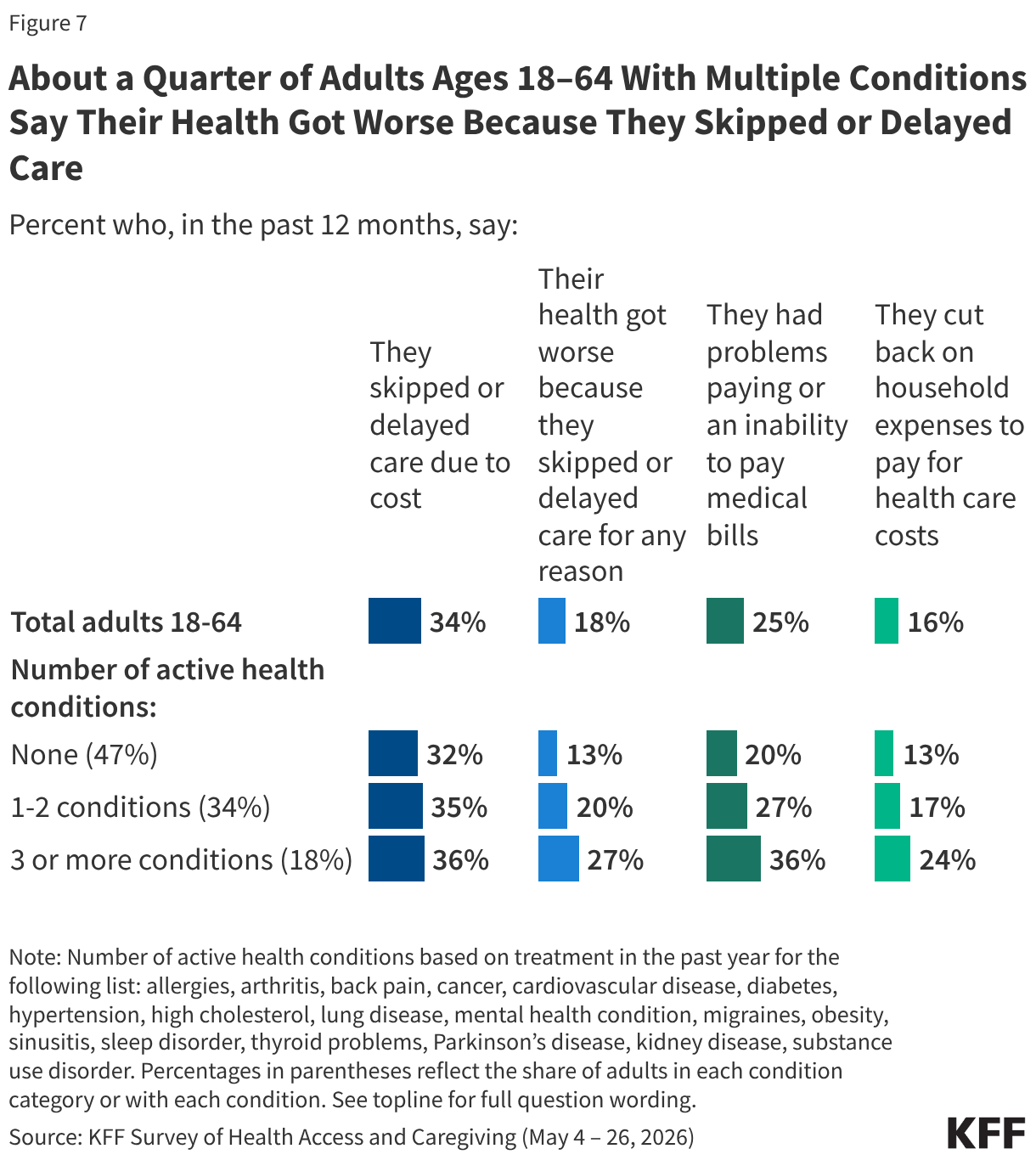
A similar vulnerability affects adults managing multiple or complex health conditions. Roughly one-third of working-age adults with three or more active health conditions report forgoing necessary care due to cost, and a quarter state their health worsened as a result. Furthermore, over a third of these individuals faced problems paying medical bills over the past year, with many forced to cut back on basic household goods to manage their medical expenses.
Prescription Drug Costs
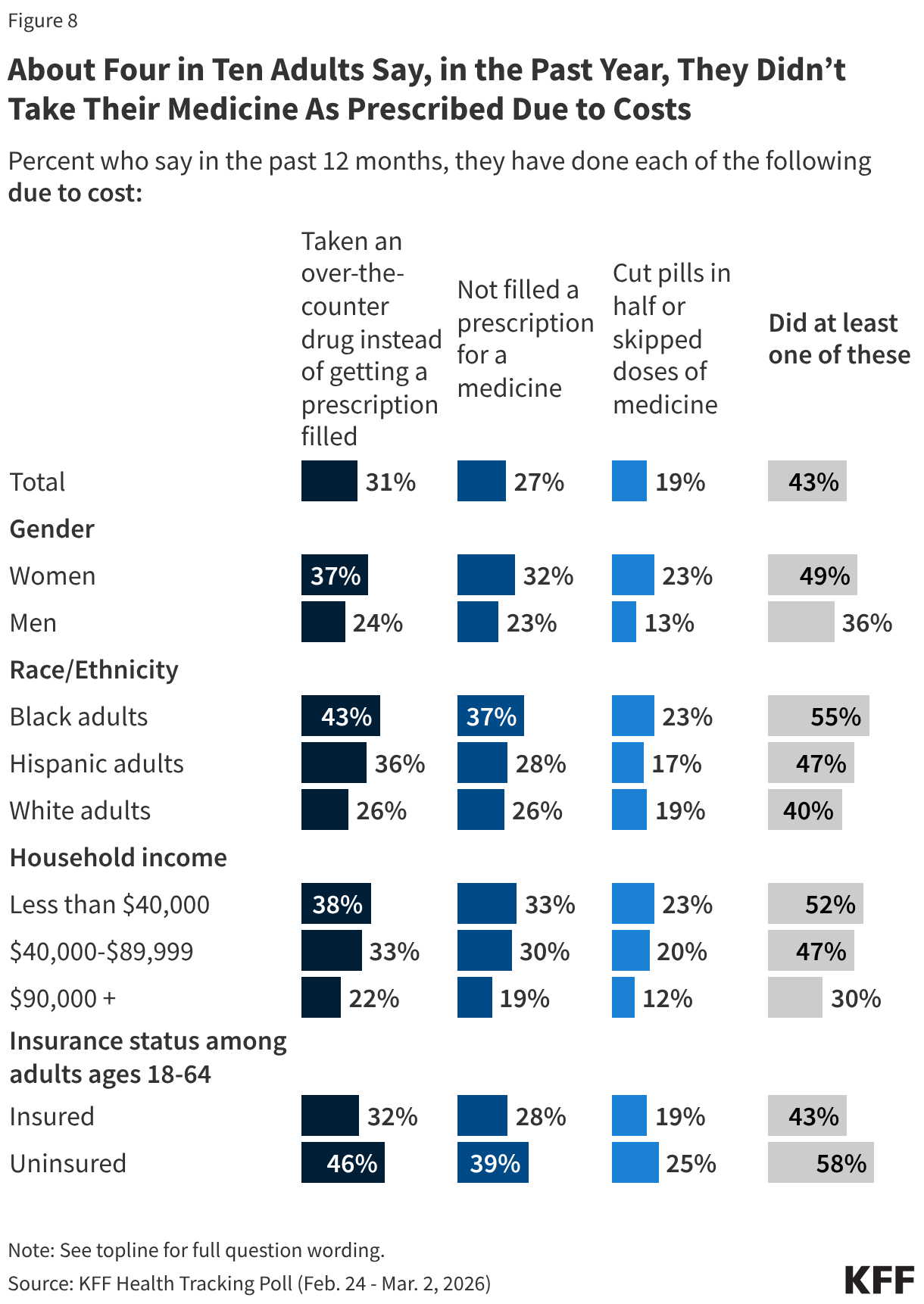
Prescription medications represent another major flashpoint for household budgets, driving many patients to alter how they take their prescribed treatments. Roughly three in ten adults report taking over-the-counter alternatives instead of filling a prescription due to cost concerns. Additionally, about a quarter of adults have left prescriptions unfilled, and nearly one in five have resorted to cutting pills in half or skipping doses to stretch their medication supply.
In total, four in ten adults report taking at least one of these cost-saving measures over the past year, continuing a steady upward trend observed in previous years. These desperate measures are most common among low- and middle-income households. Over half of adults in households earning under $40,000 annually, and nearly as many in households earning between $40,000 and $90,000, report not taking medications as prescribed due to cost. Uninsured adults under 65, women, and Black and Hispanic adults also report engaging in these medication-rationing behaviors at elevated rates.
Despite the financial protections health insurance is designed to provide, many consumers express mixed reviews regarding the true affordability of their coverage. While a majority of insured adults rate their insurance as good or excellent regarding out-of-pocket prescription expenses, doctor visit copays, and monthly premiums, a substantial minority—at least three in ten—give their plans mediocre or poor ratings on these same financial metrics.
Satisfaction with insurance costs varies widely depending on the type of coverage. Individuals with private insurance, whether obtained through an employer or a state Marketplace, are generally more critical of their monthly premiums, doctor visit copays, and prescription costs than beneficiaries of Medicare or Medicaid. Medicaid enrollees are typically the least likely to give negative affordability ratings, reflecting structures that generally eliminate monthly premiums and maintain nominal copays.
Health Insurance Cost Ratings and Medical Debt
The cumulative impact of these systemic costs is vividly illustrated by the prevalence of health care debt across the United States. A wide-reaching body of research indicates that four in ten U.S. adults currently carry some form of medical or dental debt. This includes roughly a quarter of adults grappling with past-due or unpaid bills, one in five paying off debt directly to providers over time, and similar shares owing money to banks, collection agencies, or credit card lenders for loans taken out to cover medical treatments.
This widespread debt load underscores the precarious financial footing of millions of families, many of whom are merely one unexpected medical event away from severe economic distress. Approximately half of U.S. adults state they would be incapable of paying an unexpected medical bill totaling $500 out of pocket. This vulnerability includes one in five who could not pay it at all, individuals forced to borrow from friends, family, or lenders, and those who would be compelled to incur new credit card debt. Women, lower-income households, and Black and Hispanic adults are disproportionately represented among those who would find such an unexpected bill entirely unaffordable.
As adults age, the financial anxiety surrounding health care expands to encompass long-term care and support services. More than half of adults aged 65 and older express anxiety about affording a nursing home or assisted living facility if the need arises, alongside similar worries regarding paid home health aides. These apprehensions are even more pronounced among adults aged 50 to 64, with over seven in ten expressing deep concern about their future ability to finance residential care or professional support services as they age.