Readers of the Wheelchair Travel Newsletter will find a brief pause in regular programming this week as founder John Morris concludes leading group trips across Europe. Upon his return, Morris is slated to announce a brand-new Summer 2027 tour, keeping the travel community eagerly anticipating the next adventure on the horizon. In the meantime, regular operations and content will resume shortly, led by family reflections on the universal companion to travel: a good book.
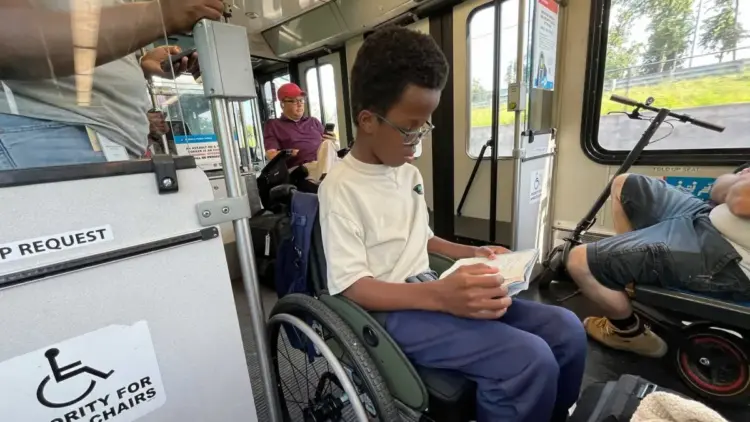
Whether spending hours on trains, waiting anxiously at boarding gates, or navigating inevitable air travel delays, journeys provide ample opportunities for reading. As part of an upcoming feature on boredom busters for young travelers, the importance of reading is a central theme for the family. Avid readers by habit, the household enjoys books almost nightly, anchored by a book group with close friends that has spanned nearly five years. That foundational fondness for literature extends deeply into everyday life and travel routines alike.
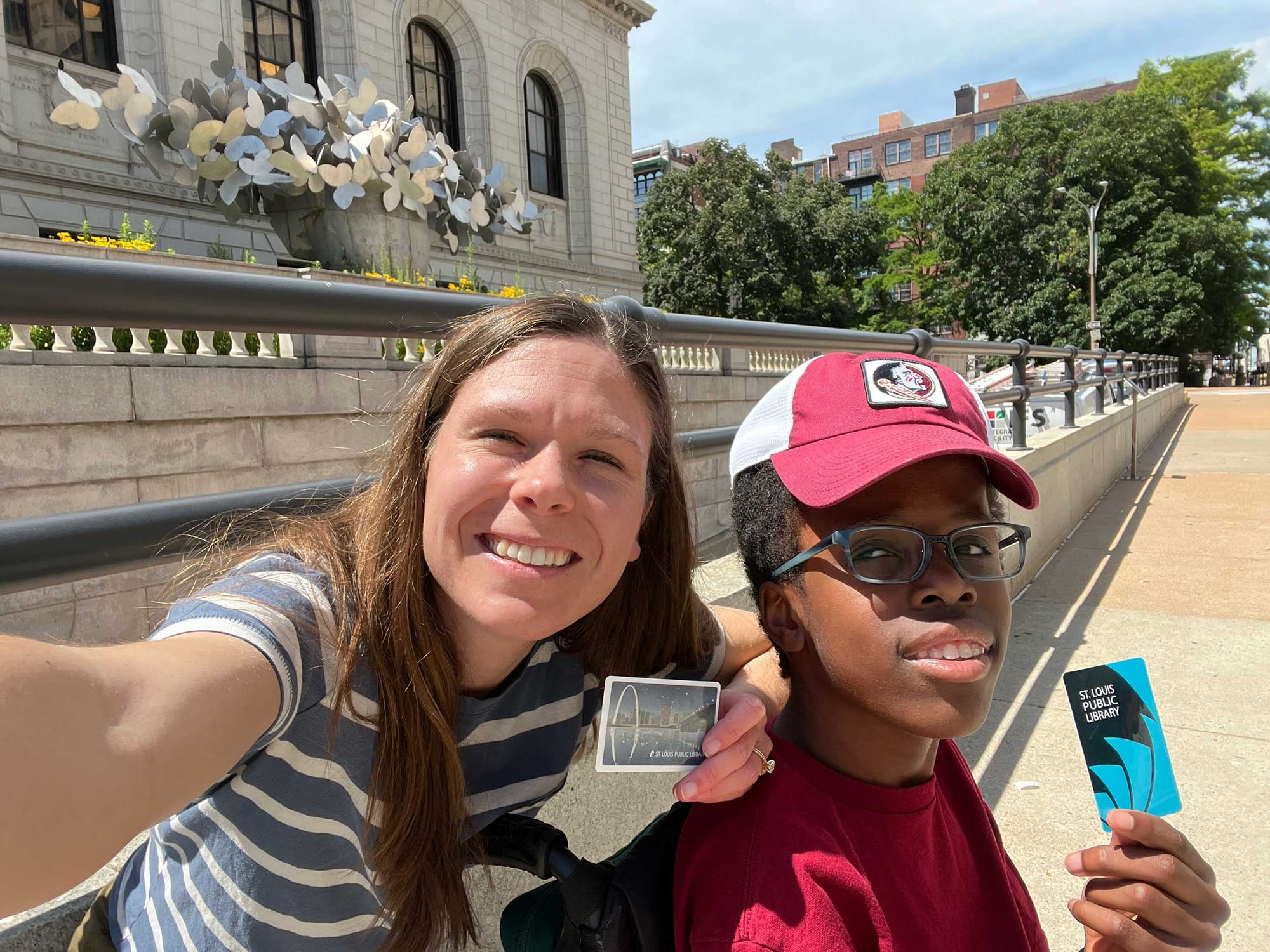
The family’s literary appreciation has found a fitting backdrop in their new home city of St. Louis, anchored by the grand and historic Central Library. Built with classical architectural majesty, the grand old building evokes the quintessential atmosphere one hopes to feel when surrounded by volumes of history and stories. Inscribed around the exterior of the library are timeless reflections on literature, including a notable quote by industrialist and philanthropist Andrew Carnegie: "I choose free libraries as the best agencies for improving the masses of the people because they only help those who help themselves. They never pauperize. A taste for reading drives our lower tastes."
Driven by a passion for introducing others to impactful literature, the family has curated a selection of top disability-lit books categorized loosely by age grouping. Sifting through hundreds of titles read over the years, the selected works reflect both personal resonance and broader societal discussions.

Early Childhood Picture Books
Introducing children to diverse perspectives early on is essential, and the selection for early childhood picture books focuses heavily on representation, empathy, and history tailored for young minds.
Among the favorites is What Happened to You? by James Catchpole. Having followed the Catchpoles for years via social media, the family welcomed the United States release of the book. The story addresses the unspoken, often awkward experiences disabled children frequently encounter in public spaces. Through the main character, Joe, the book tackles the overwhelming presence of ingrained ableism in a manner that young children can easily grasp. It provides language for experiences that many families recognize but struggle to articulate clearly.
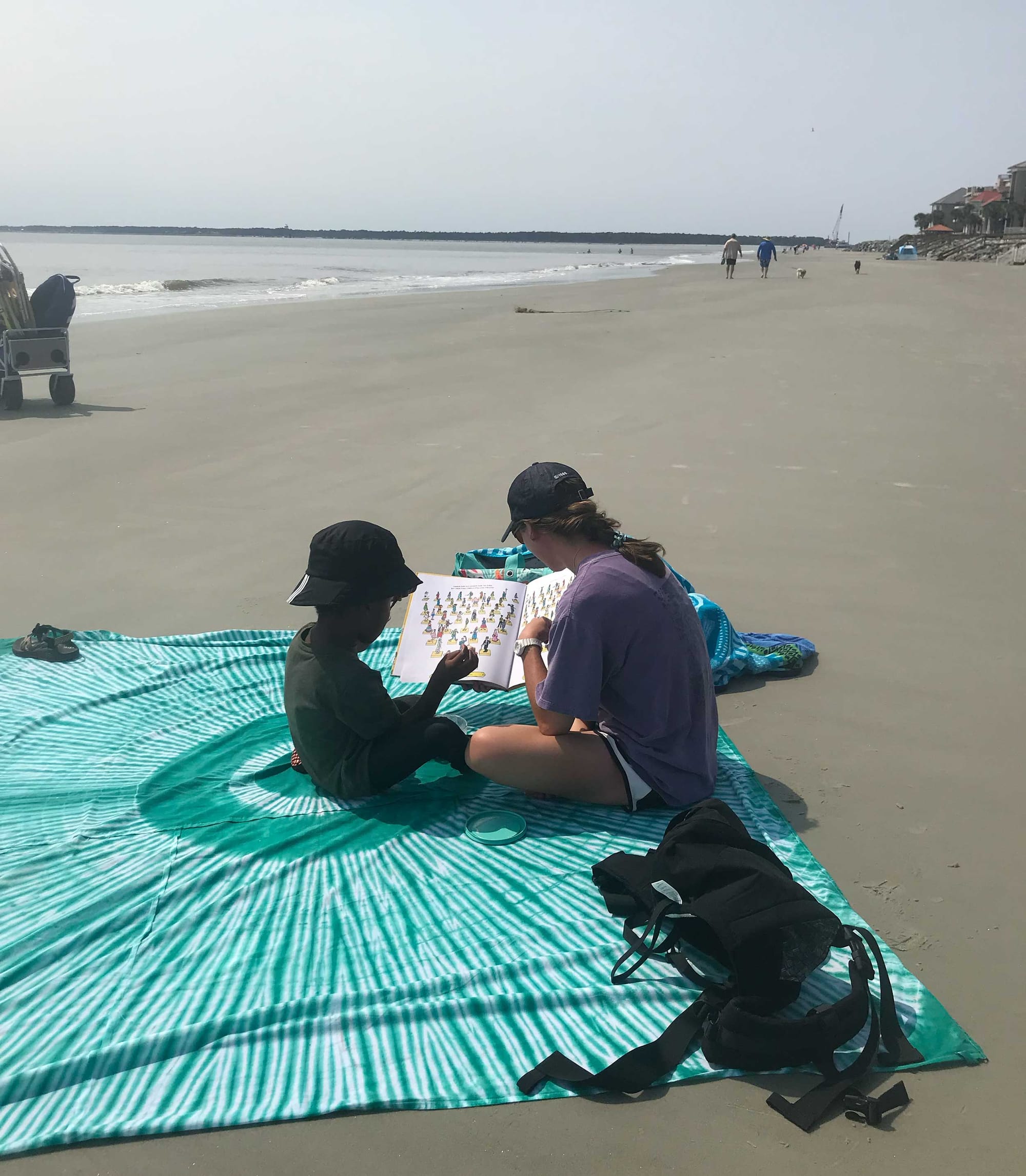
Another standout is Best Day Ever by Marilyn Singer, illustrated by Leah Nixon. The upbeat picture book centers on a joyful puppy devoted to her young owner, who happens to use a wheelchair. Offering disability representation naturally without making it the sole focus, the book serves as a welcome mirror for disabled children. Discussing books through the conceptual lens of "windows" into unfamiliar lives and "mirrors" reflecting one’s own lived experience, the family notes a historical void of mirrors for disabled youth that this title helps to fill.
Rounding out the early childhood selections are Jordan Scott’s award-winning I Talk Like a River and Annette Bay Pimentel’s All the Way to the Top. Scott’s book follows a boy who, with his father’s guidance, relates his stutter to the flow of a river, capturing an authentic emotional resonance that transcends generations. Pimentel’s illustrated biography introduces young readers to disability history through the childhood experiences of activist Jennifer Keelan-Chaffins, highlighting her participation in the historic Capitol Crawl and demonstrating that children can actively contribute to a more accessible world.
Middle Grade Novels
As children grow into middle-grade readers, longer narratives allow for deeper explorations of identity, humor, and resilience.
Dusti Bowling’s Insignificant Events in the Life of a Cactus stands out as a self-proclaimed favorite for younger readers in the family, having been read cover-to-cover multiple times. The novel follows Aven, who was born without arms, as her family relocates to a new state. While her physical experience is central to the narrative, the book blends humor, lighthearted mystery, and friendship—including a secondary character with Tourette Syndrome—offering a realistic and refreshing characterization of disability.
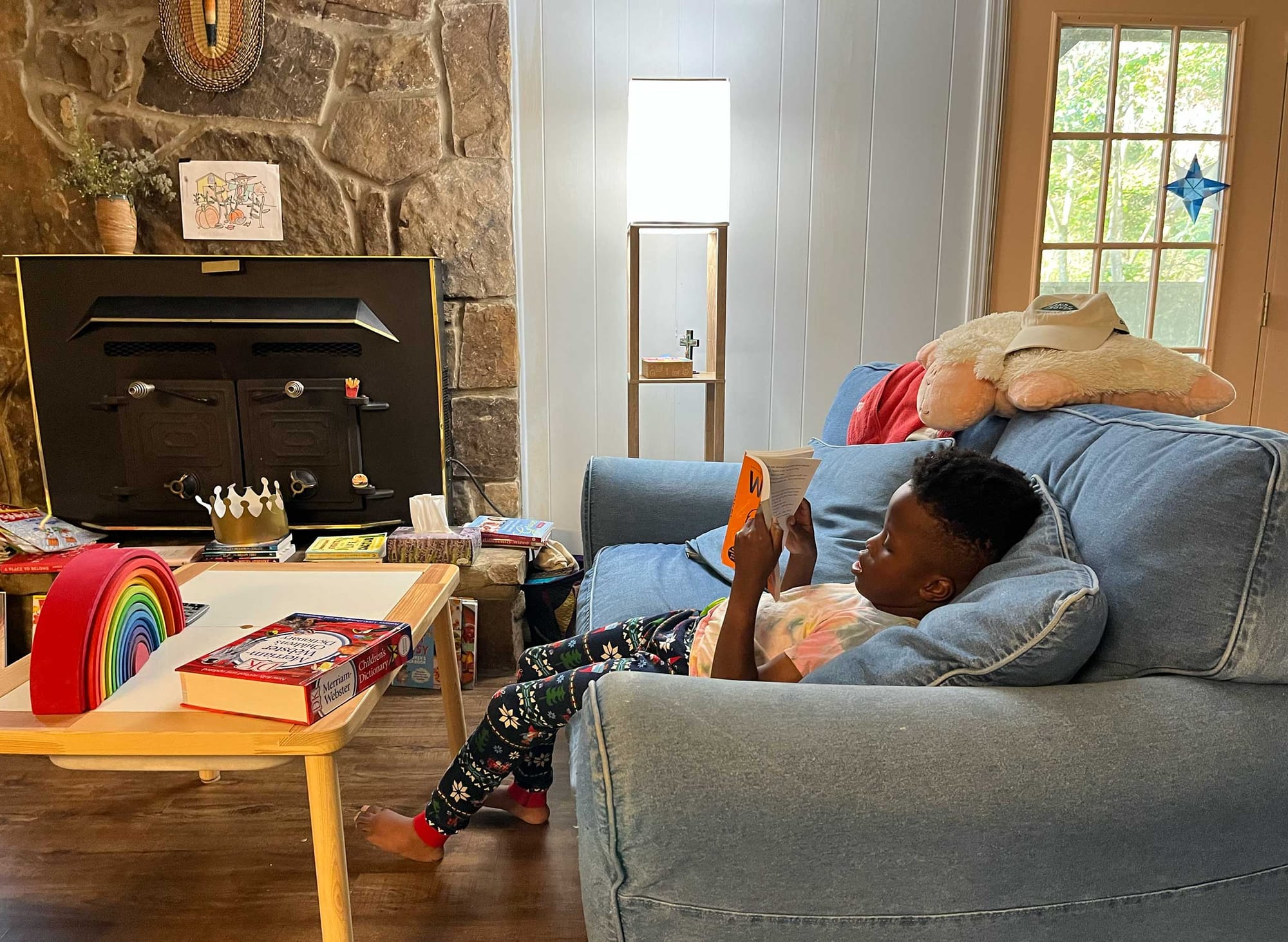
Rob Harrell’s Wink shares a similarly well-worn, dog-eared place on the family’s bookshelves. Based on the author’s early-life experience with a rare form of eye cancer during middle school, the novel follows a young protagonist named Ross navigating diagnosis, quirkiness, and music. Its relatable portrayal of feeling like an outsider resonates broadly with readers of various backgrounds.
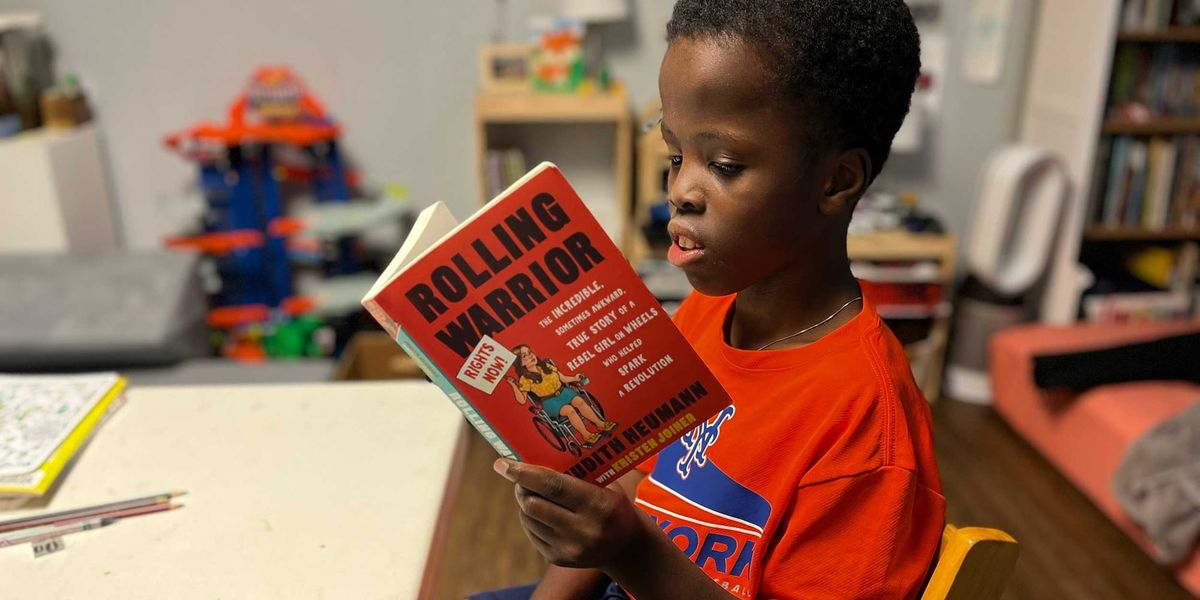
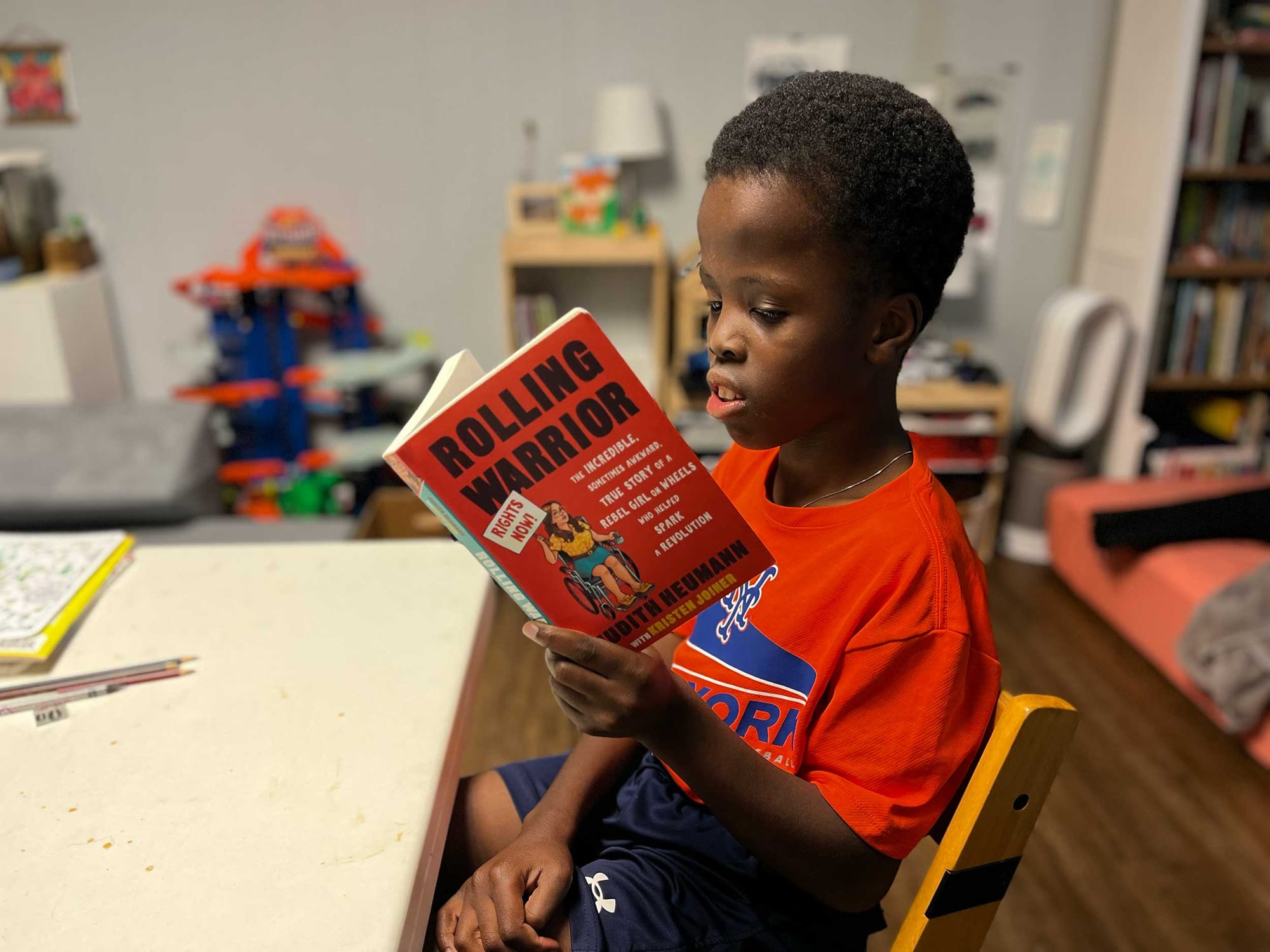
Biographical and historical nonfiction also feature prominently in this age bracket, including Judith Heumann and Kristen Joiner’s Rolling Warrior. Adapted for younger readers from Heumann’s adult memoir, the book recounts the journey of a pioneering disability rights activist. The subtitle—The Incredible, Sometimes Awkward, True Story of a Rebel Girl on Wheels Who Helped Spark a Revolution—captures its spirit, offering young readers a genuine peek into the history of the disability rights movement. Cerrie Burnell’s I Am Not a Label complements this with short profiles of more than 30 disabled artists, thinkers, performers, and activists, pushing back against limiting stereotypes and offering inspiring role models.
Titles for Young Adults and Adults
For mature readers, memoirs and essay collections provide deeper introspection into systemic barriers, advocacy, and personal identity.
Rebekah Taussig’s Sitting Pretty offers a nuanced collection of essays unpacking disability both personally and within the broader social landscape. Without sugarcoating reality, Taussig maintains a grounded hope that encourages readers to examine their own perspectives. Similarly, Ariel Henley’s A Face for Picasso delivers a raw, thought-provoking memoir detailing her experiences growing up with Crouzon Syndrome, confronting societal definitions of beauty, identity, and facial difference.
Judith Heumann’s comprehensive memoir, Being Heumann: An Unrepentant Memoir of a Disability Rights Activist, co-written with Kristen Joiner, provides an unfiltered account from a central figure of the disability rights movement. From the historic 504 Sit-In and the passage of the Americans with Disabilities Act to serving as Special Advisor on Disability Rights for the U.S. State Department under the Obama administration, Heumann’s historical insights remain essential reading.
Concluding the adult list is Haben Girma’s Haben: The Deafblind Woman who Conquered Harvard Law. Girma’s autobiography details her journey of adapting, advocating, and innovating in a society not inherently designed to be accommodating, reframing disability as a powerful catalyst for creative problem-solving.

Beyond building a home library, travelers and local residents alike are reminded that public libraries often offer benefits extending far beyond book loans. Cardholders across many municipal systems can access free or discounted admission tickets to local museums, science centers, and cultural attractions, offering affordable enrichment both at home and on the road.