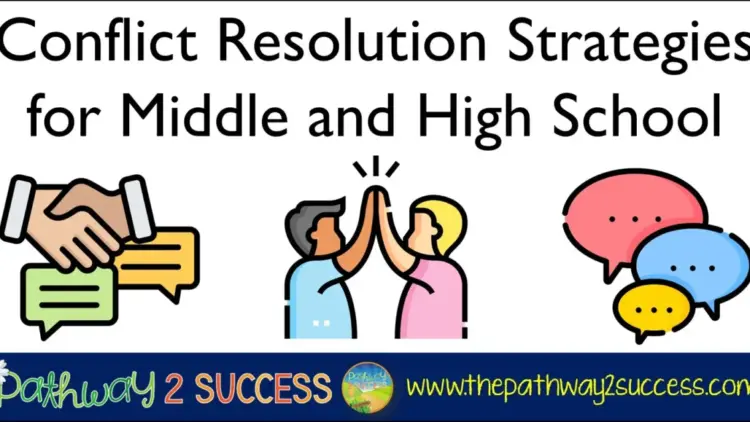
As diverse groups of adolescents and teenagers converge in middle and high schools, everyday friction is an inevitable part of the educational landscape. From scientific project teams clashing over experimental techniques and students feeling marginalized when peer groups opt for other partners, to learners experiencing frustration over interruptions during discussions, interpersonal tension routinely surfaces in the modern classroom. Rather than viewing these friction points as disruptions to be stamped out, educators and child development specialists are increasingly recognizing them as crucial learning opportunities.
Recent pedagogical frameworks emphasize that effective conflict resolution is not about eliminating disagreements altogether. Instead, the core objective is to equip youth with the psychological and communication tools necessary to manage conflicts independently and healthily. By fostering these competencies, schools aim to empower students to talk through deadlocks with collaborative partners, communicate transparently within peer networks, and constructively navigate the complex social dynamics that define adolescent life.
Why Focus on Conflict Resolution Strategies?
Integrating conflict resolution into the middle and high school curriculum serves as a foundational pillar for academic and personal success. Proponents of social-emotional learning note that teaching these supports yields profound ripple effects, helping young adults build resilience, enhance emotional intelligence, and foster safer school environments. Because learning how to navigate interpersonal problems is an inherently challenging lifelong endeavor requiring continuous refinement, establishing these skills early lays the groundwork for long-term relational health.
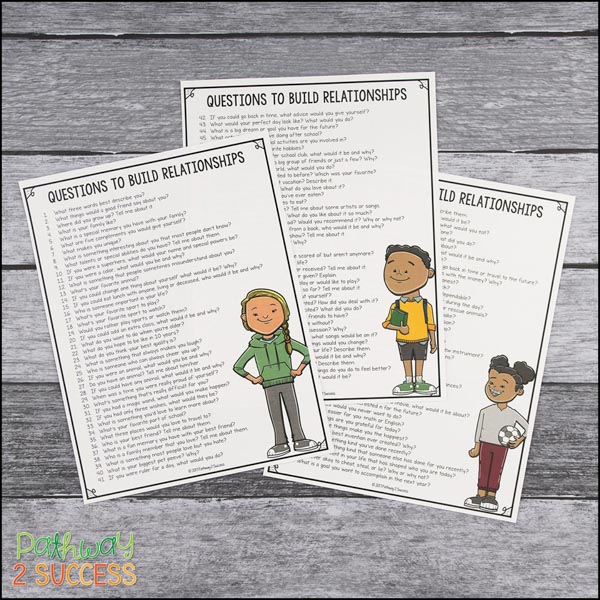
A primary catalyst for successful conflict resolution is the deliberate cultivation of classroom relationships. When young adults feel genuinely connected to their peers and educators, the baseline empathy required to work through disputes increases significantly. Instructors frequently lay this relational groundwork by incorporating structured group conversations and targeted relationship-building questions into their daily routines, opening doors to deeper, more meaningful discussions before tensions ever have a chance to boil over.
Explicitly Teaching Conflict Resolution and Emotional Regulation
Shifting toward proactive conflict resolution means providing students with strategies ahead of time, transforming classrooms from reactive environments into spaces of preparedness. Educators emphasize that some level of conflict is entirely normal and, in many cases, productive. Working through disagreements teaches adolescents how to articulate their boundaries, understand their personal needs, and collaborate effectively to reach mutual goals.
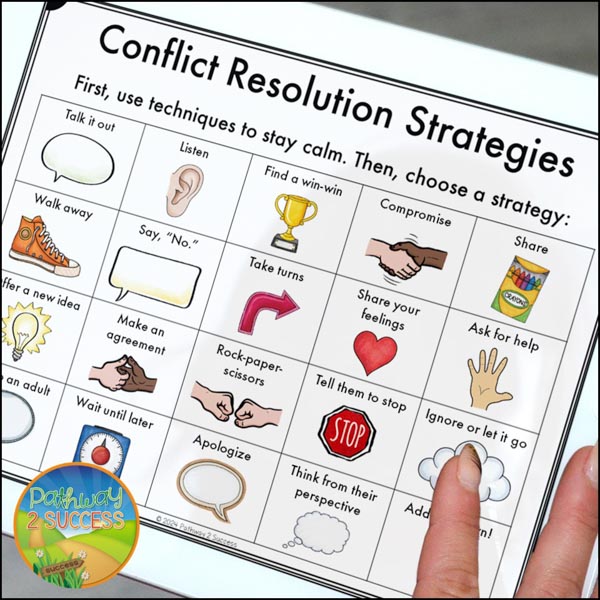
Furthermore, students learn that different situations demand different approaches. While a disagreement over an academic concept might require active listening and open dialogue, a situation involving peer pressure demands assertive self-advocacy, such as firmly declining an uncomfortable request. Navigating these nuances requires intentional practice and exposure to varied scenarios within a secure classroom environment.
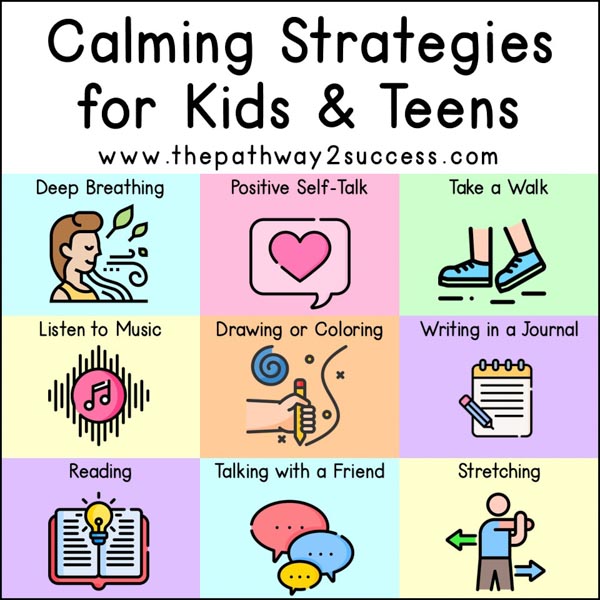
Underpinning these social strategies is a vital biological component: emotional regulation. Neuroscientists note that when adolescents become overwhelmed, stressed, or upset, the amygdala—the brain’s "fight, flight, or freeze" response center—takes over, driving impulsive and reactive behavior. Conversely, when students are calm, the prefrontal cortex, which governs planning, logic, and decision-making, regains control. Because teen and pre-teen brains are still developing, young people often require dedicated support to activate their sense of calm during stressful moments. Schools are increasingly integrating calming techniques, such as controlled deep breathing, positive self-talk, reflective journaling, and brief mindfulness breaks, to help students reset before attempting to resolve disputes.
Practical Approaches in the Modern Classroom
To bridge the gap between theory and practice, educators utilize a variety of interactive methods designed to build conflict resolution literacy. Scenario-based discussions allow students to examine realistic interpersonal dilemmas, analyze underlying problems, and brainstorm peaceful resolutions within a supportive setting. By exploring multiple viable solutions to common adolescent conflicts, students develop critical thinking and collaborative problem-solving skills.
Class meetings also serve as a semi-structured forum where entire classes can address collective concerns, evaluate strategies, and establish community norms. These gatherings encourage students to take collective ownership of their classroom culture while practicing respectful discourse. Closely tied to these meetings is the emphasis on self-advocacy. Educators stress that conflict resolution and self-advocacy are deeply interconnected; as students learn to stand up for their own needs—whether that means asking an instructor for clarification on a difficult assignment or setting personal boundaries—they become more capable of navigating complex social landscapes.
Group work activities provide immediate, real-time testing grounds for these competencies. By embedding collaborative tasks into the weekly curriculum, teachers give students an authentic arena to apply conflict management frameworks on the spot. Central to this group work is the practice of disagreeing respectfully. Since differences in opinion regarding everything from academic problem-solving approaches to creative preferences are guaranteed, students are taught specific phrasing to voice dissent constructively without alienating their peers. High-interest discussion topics and open-ended queries further allow learners to debate varying viewpoints in a low-stakes, engaging manner.
To reinforce these behaviors consistently, classrooms frequently utilize visual reminders, such as dedicated bulletin boards and poster sets, which serve as constant prompts for peaceful problem-solving. Finally, educators often dedicate the final moments of the school day to reflective practices. By engaging in daily reflection, students evaluate what strategies proved effective, identify areas for personal growth, and take accountability for their actions, ensuring that conflict resolution remains a continuous, evolving journey rather than a one-time lesson.