It began with a lingering stare, a common prelude to an all-too-familiar social interaction. As Stevie Morris sat across from her partner, John, during their second date at a breakfast spot in Knoxville, she braced herself. She recognized the look—lips caught between a downturned pout and a sympathetic smile—and instinctively anticipated the unsolicited inspirational affirmation that usually followed, something along the lines of "you’re an angel." Having already been adjacent to the disability experience through her son, Robert, Stevie thought she knew exactly what to expect. What was said next, however, caught her completely off guard.
The couple had been enjoying a relaxed morning meal before heading to the Knoxville Museum of Art. Though their first in-person date had taken place only the night before, their connection was already well-established through a deep friendship and an ongoing long-distance relationship. They were relishing the simple excitement of uninterrupted quality time when a staff member abruptly interrupted their conversation.
The employee expressed sheer amazement that John was not only responsible for his own meal but had managed to retrieve his own juice from the serving station. Then came the exclamation: "He doesn’t even have a whole body!"
The remark was so pointed and so remarkably specific that Stevie found herself momentarily speechless. Stifling a spreading grin, she offered a curt head nod and briskly left the restaurant. She barely made it outside the front door before bursting into the first of many giggle-fits that John would come to witness throughout their relationship.
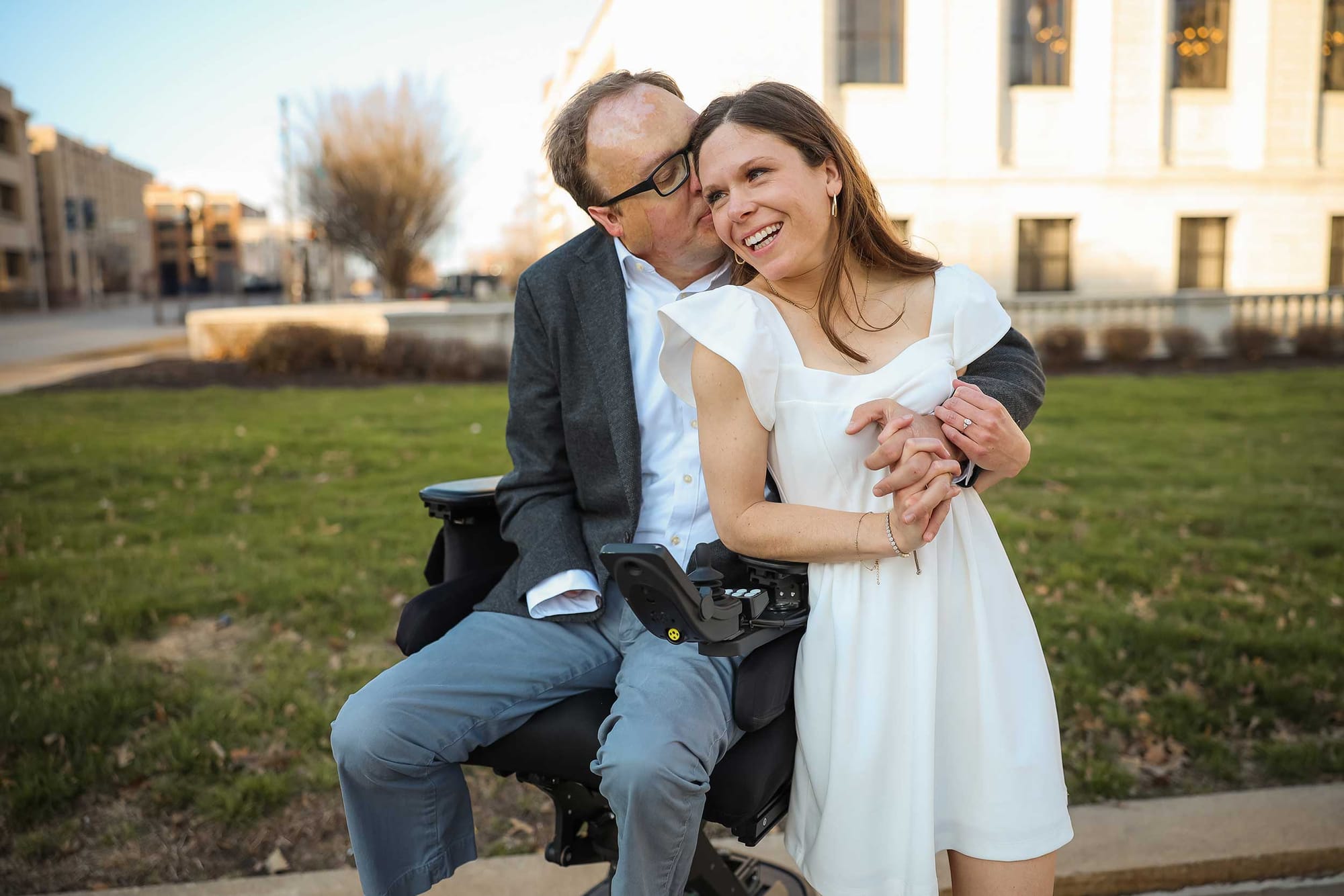
Finding humor in the absolute absurdity of everyday ignorance has since become a cornerstone of their dynamic. While it routinely elicits an eye-roll from Robert—a reaction the family attributes to normal teenage angst—they recognize that the teenager ultimately benefits from the shared humor and resilience modeled by his parents.
Reflecting on that interaction, Stevie has often wondered if she would have reacted differently had she been with Robert, or how she would expect Robert to handle a similar situation. Navigating and teaching a teenager how to respond to ableism is a continuous, complex mental exercise. It requires dismantling many of the unspoken social rules that people unknowingly adopt just to function in society. Uncovering these hidden biases and teaching Robert how to stand his ground remains one of the most recurring conversations in their household.
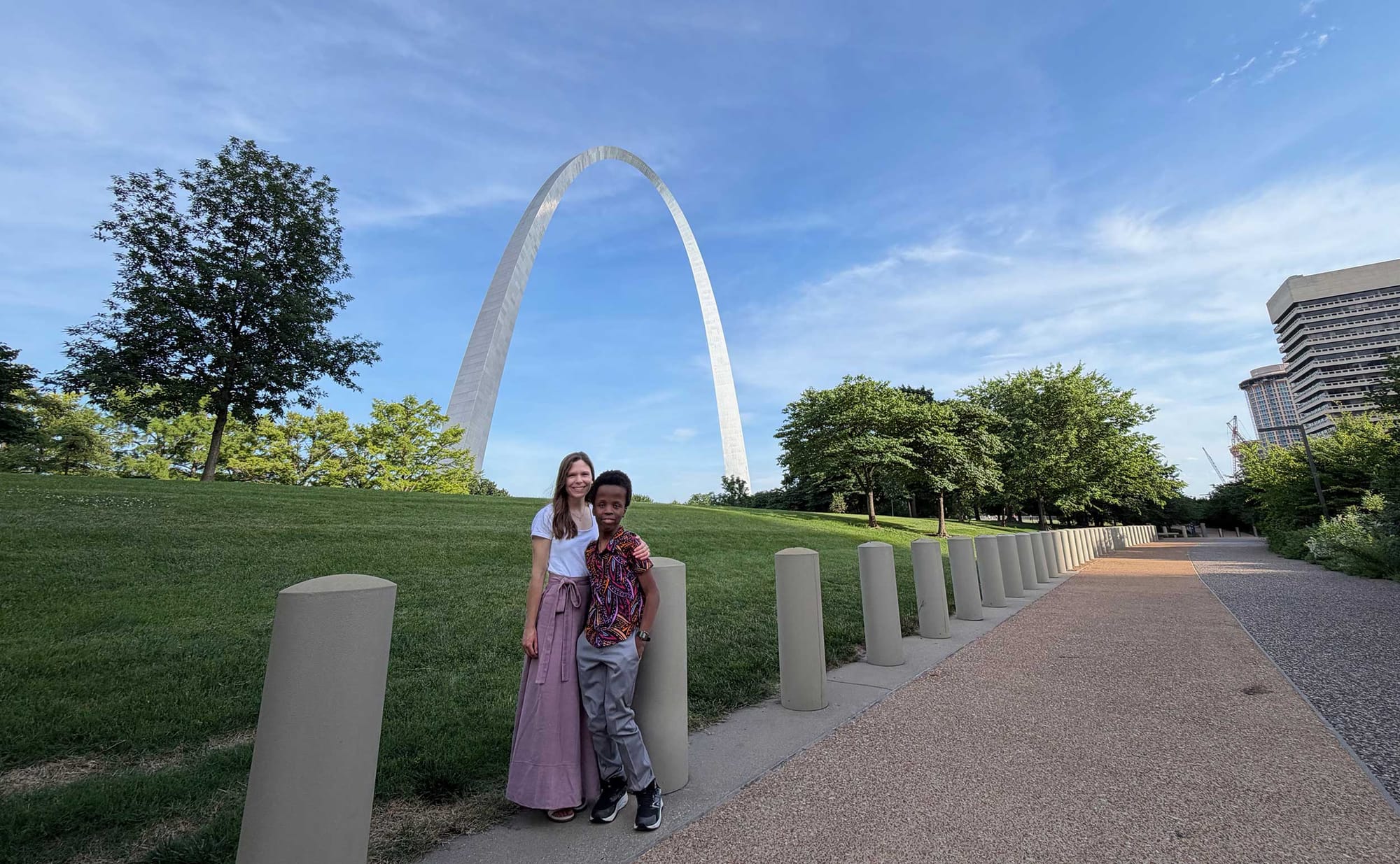
Society conditions individuals to believe it is rude to ignore people, yet Stevie has taught Robert that he has every right to walk away when faced with intrusive, objectifying, or infantilizing comments. Similarly, people are routinely taught to automatically submit to authority. However, John actively models and helps Robert practice prioritizing his own needs while critically questioning which claims to authority are actually valid.
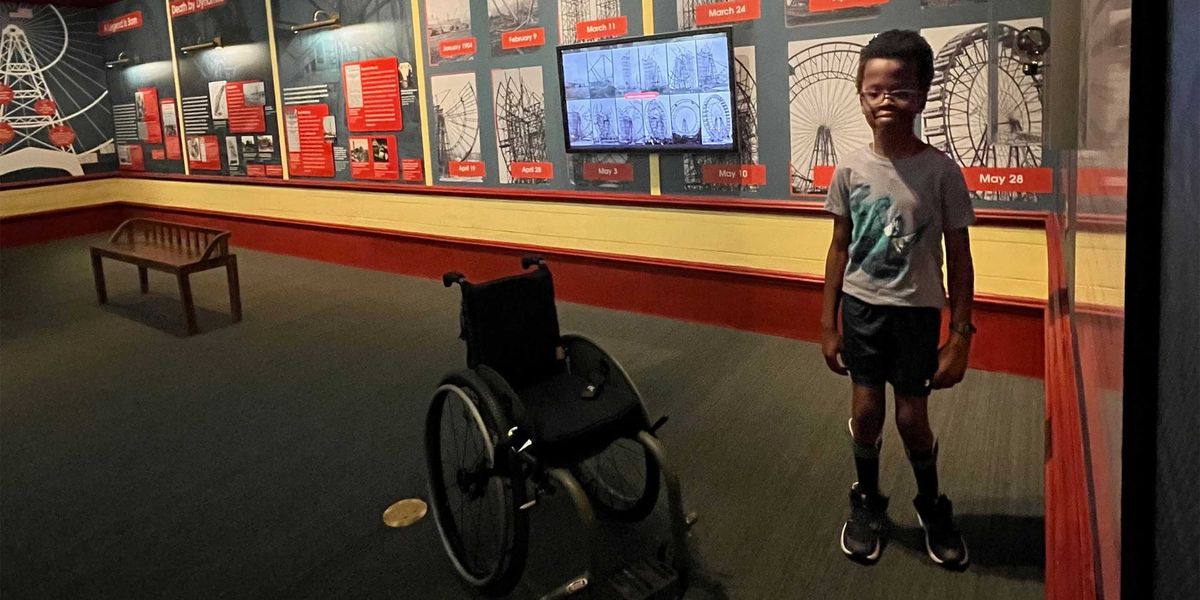
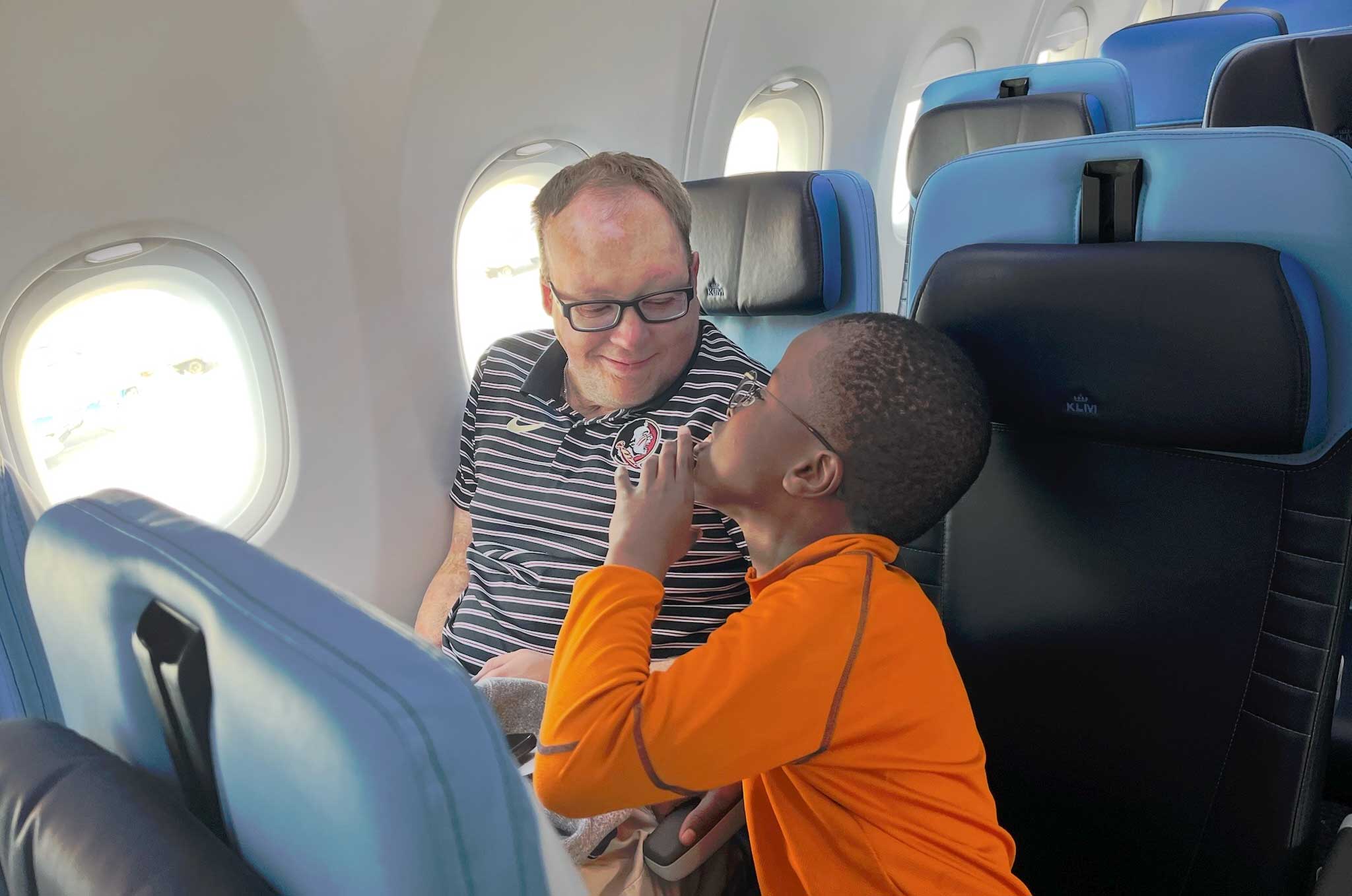
A prime example of this dynamic occurs during air travel. Airline wheelchair assistants frequently demand that John and Robert exit airplanes before their personal wheelchairs have been returned to the jetbridge. Refusing to comply with such impractical and inaccessible directives, they routinely decline to move until their mobility equipment is safely restored to them—a struggle John has documented to help other travelers challenge the authority of gate agents and assistance staff.
Public interactions often carry implicit demands for emotional labor. People frequently expect disabled individuals to offer exhaustive personal explanations for their mobility aids and accommodations. To counter this, the family maintains a set of rehearsed responses, such as a firm "we don’t share personal medical information," ready for immediate use.
Cultural norms also dictate that "thank you" is the mandatory response whenever help is offered, even when that "help" is unsolicited or infringes upon personal autonomy. Stevie has explicitly told Robert that he is entirely justified in pulling away without a backward glance if someone attempts to grab his wheelchair without permission. This conditioning of disabled children to show excessive gratitude for basic equal access is a pervasive issue that Stevie and John frequently address through their writing and advocacy.

Honesty is a core value in their home, with one notable exception: inventing utterly absurd, completely fabricated tales about how John or Robert acquired their disabilities. When confronted with intrusive "What happened to you?" questions from strangers, John has famously attributed his leg amputations to a shark attack, using humor to effectively shut down inappropriate inquiries.
Critics might argue that it would be easier to maintain a single, uniform response strategy for Robert, or to deny him the agency to formulate his own replies in order to spare him from negative public perceptions. But Stevie and John must weigh the long-term costs against their present strategies. Cultivating a young teen who strictly follows arbitrary social rules and fits a comfortable mold inevitably means asking him to sacrifice a piece of his dignity. Alternatively, they can raise a young teen who may occasionally ruffle feathers but remains resolutely true to himself and capable of self-advocacy. For them, the choice regarding the greater good is glaringly obvious.
Even so, tackling such a pervasive social justice issue in daily life remains an uphill battle. Responding to ableism on a personal level is exhausting, which is why Stevie has developed specific mental shifts to keep her focus aligned.
Perspective has proven vital. Stevie likens the ongoing work against ableism to doing laundry—it is a chore that is never truly finished, and accepting that reality is essential. Households are always in some stage of the laundry cycle: piling up dirty clothes, washing, drying, folding, and putting garments away. Sometimes people avoid the pile for an embarrassing amount of time; other times, they double down, power through multiple loads, and spend a full day catching up. Yet, even then, the clothes currently being worn will eventually need to be washed. The cycle continues. Recognizing this cyclical nature rather than adopting a rigid check-box mentality has provided Stevie with a balanced viewpoint. Success does not depend on completing a task that is never truly done. Responding to ableism operates the same way—addressing it a little at a time, learning, pivoting approaches, and occasionally taking a break when exhaustion sets in.

Discussion is equally critical. A foundational rule in their home is to always examine responses together through questions. Stevie constantly asks Robert what can be learned from a given situation, what worked, what failed, and how specific encounters made him feel. Because a teenager’s responses and emotional landscape evolve over time, these conversations frequently yield surprising insights, emphasizing collaborative problem-solving over a singular magic fix.
Rehearsal turns theory into practice. Once a recurring problem is identified, the family actively role-plays potential responses. They have practiced scenarios using stuffed animals, acted out real-world confrontations, and even collaborated on comic books detailing specific strategies. Airplane boarding, for instance, used to be a major source of stress because assistance staff would routinely make unilateral decisions about Robert’s mobility without asking. By discussing the best approach and rehearsing at home—with Stevie pretending to be an overzealous staff member grabbing the chair—Robert built the muscle memory needed to respond clearly and respectfully in high-stress environments.
While the family has accumulated a wide array of skills for addressing ableism, they still occasionally stumble or wonder if a different approach might have been better. The pressure of constantly evaluating everyday social interactions is undeniable. Furthermore, John and Stevie recognize that what constitutes an acceptable response to ableism can shift depending on intersecting factors such as age, race, gender, and the specific nature of a person’s disability, all of which influence the pre-existing assumptions held by the public. By combining careful planning with flexible strategies, they continue to foster Robert’s confidence, hoping their experiences offer a useful framework for others navigating similar challenges.