Every teacher, by the very nature of the profession, is a teacher of executive functioning skills. Whether guiding a fourth-grade class through a complex math assignment, overseeing an eighth-grade English essay, or supervising a middle school art project, educators are constantly relying on foundational brain-based abilities. Skills such as planning, organization, attention, and time management are woven into the very fabric of everyday academic instruction, serving as the hidden engine behind student achievement.
To understand why integrating these skills into daily routines has become a vital discussion point in modern education, it is helpful to examine what executive functioning actually entails. These are the core cognitive abilities that empower individuals to accomplish everyday tasks and reach long-term goals. They encompass a wide spectrum of mental processes, including planning out steps, organizing materials, initiating tasks promptly, managing time efficiently, maintaining focus through distractions, and problem-solving when faced with unexpected academic or social hurdles.
Clearly, these competencies are not isolated to a single subject; they are deployed across every content area. When students sit down at their desks, they are routinely called upon to plan multi-step writing assignments, navigate challenging questions through critical thinking, pace themselves during timed assessments, and maintain concentration over the course of a long lesson. Recognizing this reality, educators are increasingly shifting toward intentional integration, viewing these cognitive strategies not as separate interventions, but as the foundational bedrock every learner needs to secure long-term success.
The good news for classroom instructors is that building these competencies does not require overhauling an existing curriculum or adopting a complex new instructional framework. Every educator already possesses the power to intentionally target executive functioning skills using the materials, lessons, and content they already have in place. By making minor, deliberate adjustments to how daily activities are introduced and executed, teachers can seamlessly blend cognitive skill-building with academic content in a way that feels natural and unforced.
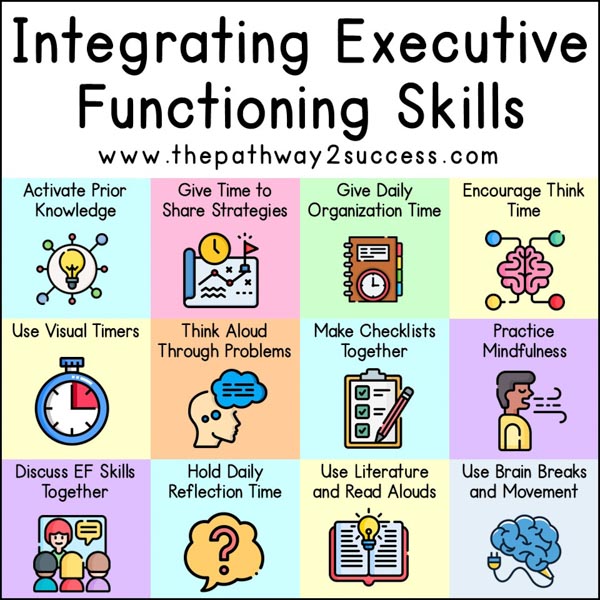
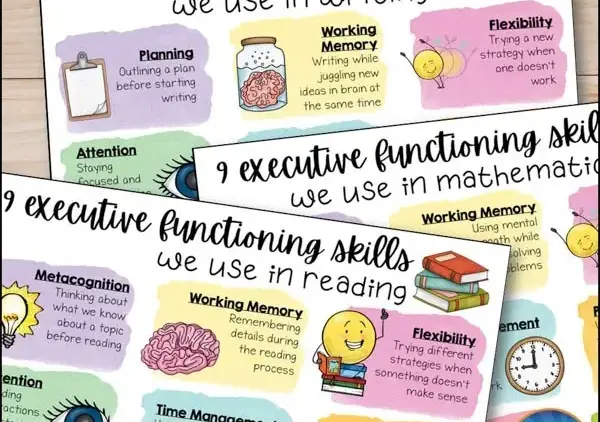
At the heart of this pedagogical approach is planning—the ability to comprehend what is required to reach a specific goal and to formulate the sequential steps necessary to get there. Closely related is metacognition, which involves teaching students to think about their own thinking, allowing them to evaluate their comprehension and adjust their strategies in real time. Alongside these mental processes are fundamental logistical skills like organization, which governs how students keep their physical and digital materials in order, and task initiation, which addresses the common hurdle of getting started on an assignment in a timely manner without prolonged procrastination or hesitation.
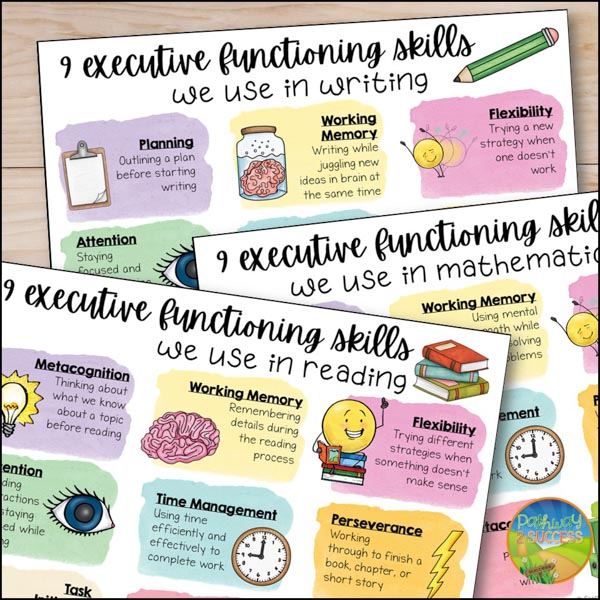
Attention and focus represent another critical pillar of the classroom experience. Defined as the ability to concentrate effectively on tasks, peers, and instructional ideas, attention can be nurtured through targeted discussions and positive reinforcement. Time management follows closely, equipping students with the capacity to use their available hours efficiently to achieve their objectives. Furthermore, educators emphasize self-monitoring, where learners routinely check in on their own progress toward a goal, and self-control, which provides the crucial pause button needed to stop and think before making a behavioral or academic choice.
Beyond these administrative and cognitive controls, classrooms frequently test a student’s perseverance and problem-solving capabilities. Perseverance involves working steadily through academic and personal challenges to complete a goal, while flexible thinking encourages students to consider alternative perspectives and adapt gracefully to unexpected changes in routine or expectations.
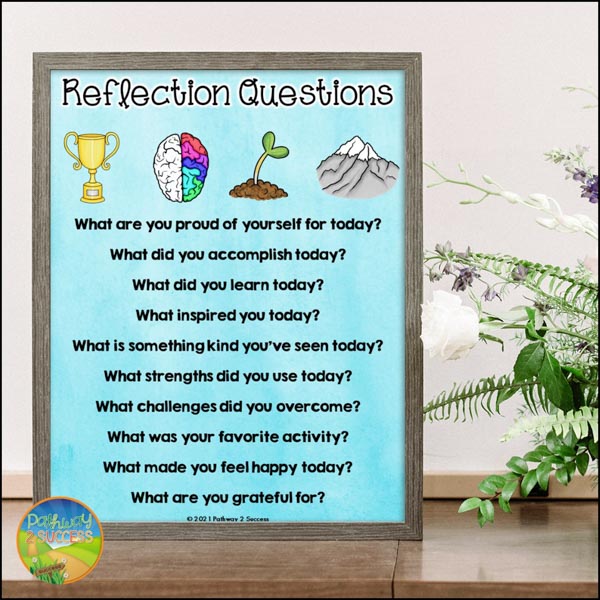
While embedding these skills into existing curricula forms the backbone of effective instruction, many schools and educators are also carving out brief, dedicated periods of time to explicitly teach and discuss executive functioning concepts. Proponents of this balanced approach note that these sessions do not need to consume massive blocks of instructional time. Instead, short mini-lessons often provide precisely the right amount of information to introduce a concept, ensure comprehension, and lay the groundwork for ongoing application throughout the school year.
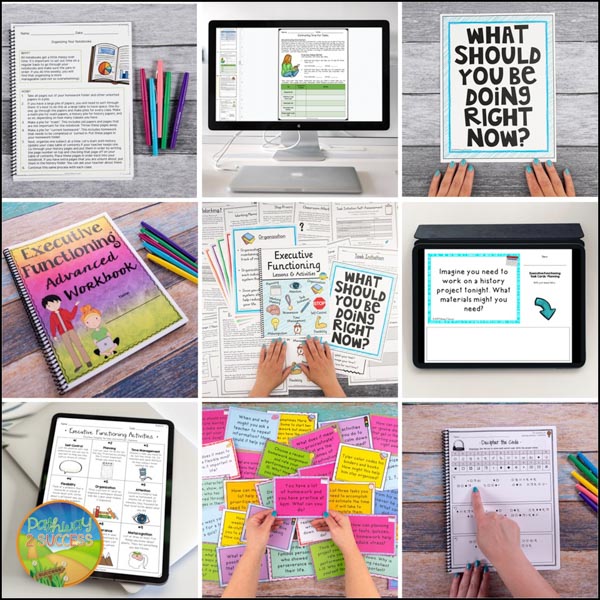
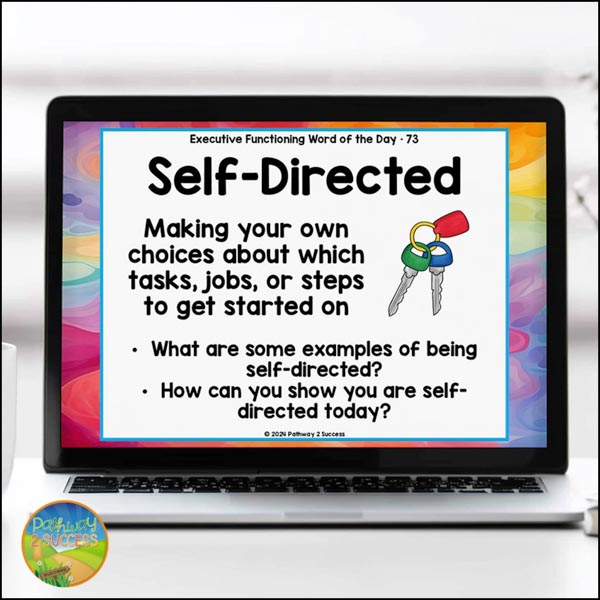
To facilitate this direct instruction, educators frequently utilize a variety of targeted activities designed to keep students engaged. Some classrooms incorporate a regular focus on specific vocabulary, targeting terms like neuroplasticity, momentum, challenge, routine, adapt, and self-discipline through structured bell-ringer slides. These vocabulary exercises are typically paired with guided questions that prompt students to reflect on how these concepts apply to their own learning journeys and daily habits.
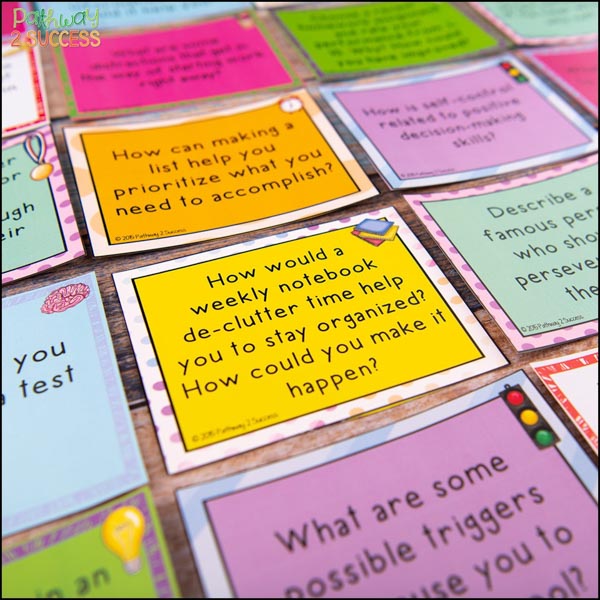
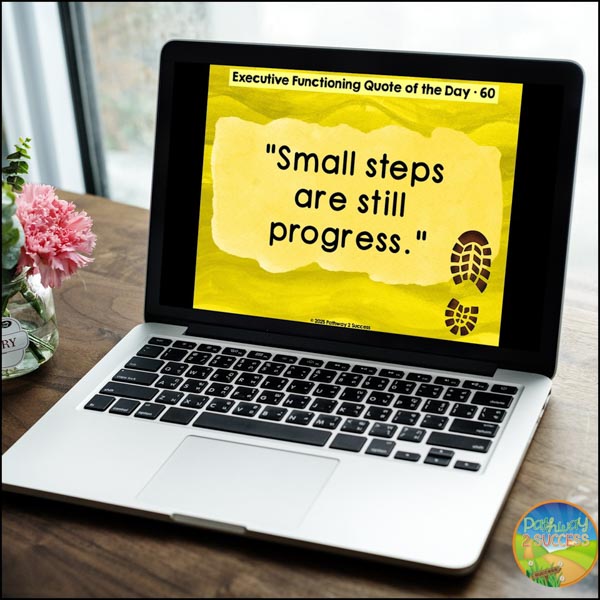
Discussion prompts and task cards offer another avenue for building these competencies, sparking conversations around practical scenarios. Students might be asked to consider how creating a prioritized list helps them manage a heavy workload, or how exercising self-control relates directly to positive decision-making. Similarly, starting the school day with a motivational quote centered on perseverance, organization, or problem-solving provides a brief, engaging entry point for classroom dialogue before diving into core academic subjects.
Read-aloud stories serve as yet another versatile tool, particularly for younger learners and middle schoolers alike. By pausing during a shared reading to analyze character choices, identify conflicts, and discuss how figures in a story navigate adversity, teachers can bring abstract cognitive concepts to life. This narrative approach allows students to observe executive functioning skills in action through the experiences of literary characters, making the lessons more relatable and memorable.
Ultimately, the intentional integration of executive functioning strategies transforms the classroom environment. By shining a spotlight on how to plan, focus, adapt, and persevere, educators do more than simply deliver academic content. They equip students with the cognitive tools necessary to navigate independence, build resilience, and achieve lasting success both inside the classroom and out in the wider world.