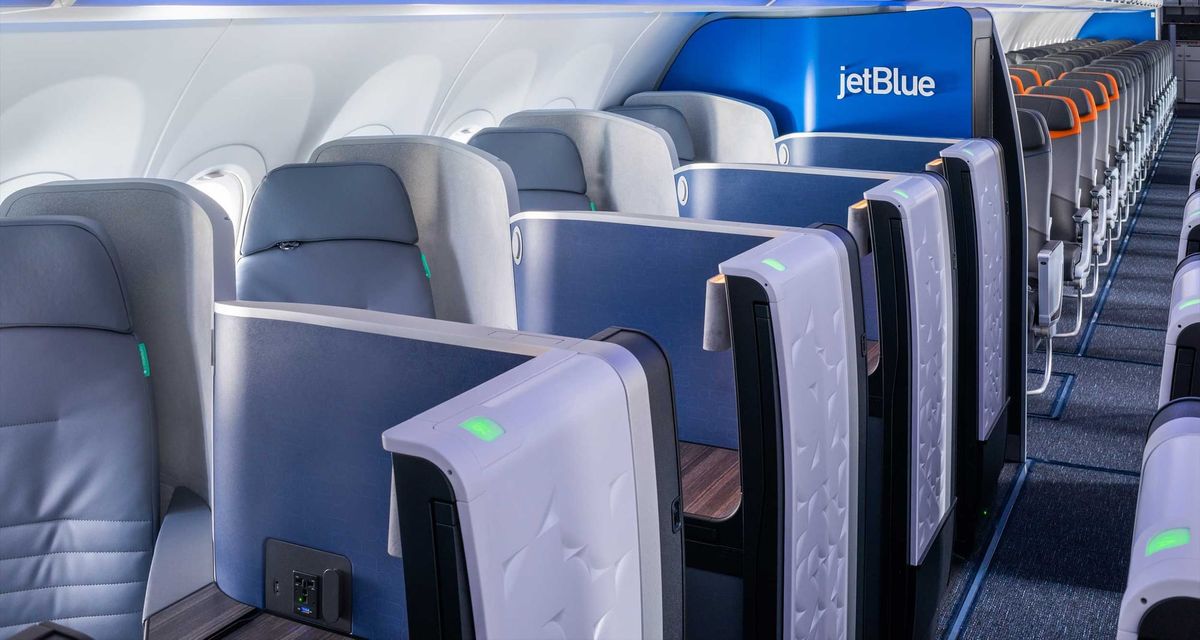
For a wheelchair user navigating the skies, a commercial flight can quickly shift from a routine journey into a harrowing ordeal. In 2023, during a JetBlue Mint Suite flight from Boston to Los Angeles, one of the most frightening moments of my life as a frequent flyer unfolded in an airplane seat. Upon arrival, a team of airline staff attempted to lift me out of the seat using a standard sling. They lost their grip entirely, leaving me dangling upside down with my head perilously close to the floor. In the panic that ensued, one employee grabbed me by the shirt collar, effectively choking off my air supply. It was an alarming experience that underscored a glaring systemic issue in modern commercial aviation, prompting me to document the ordeal and designate the configuration as the least accessible business class seat flying today.
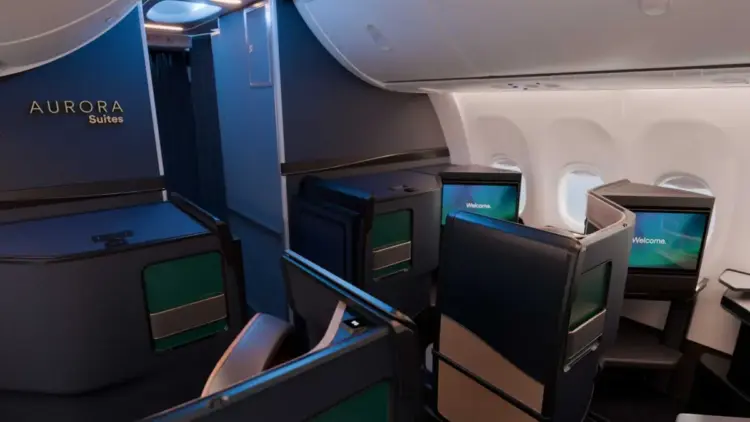
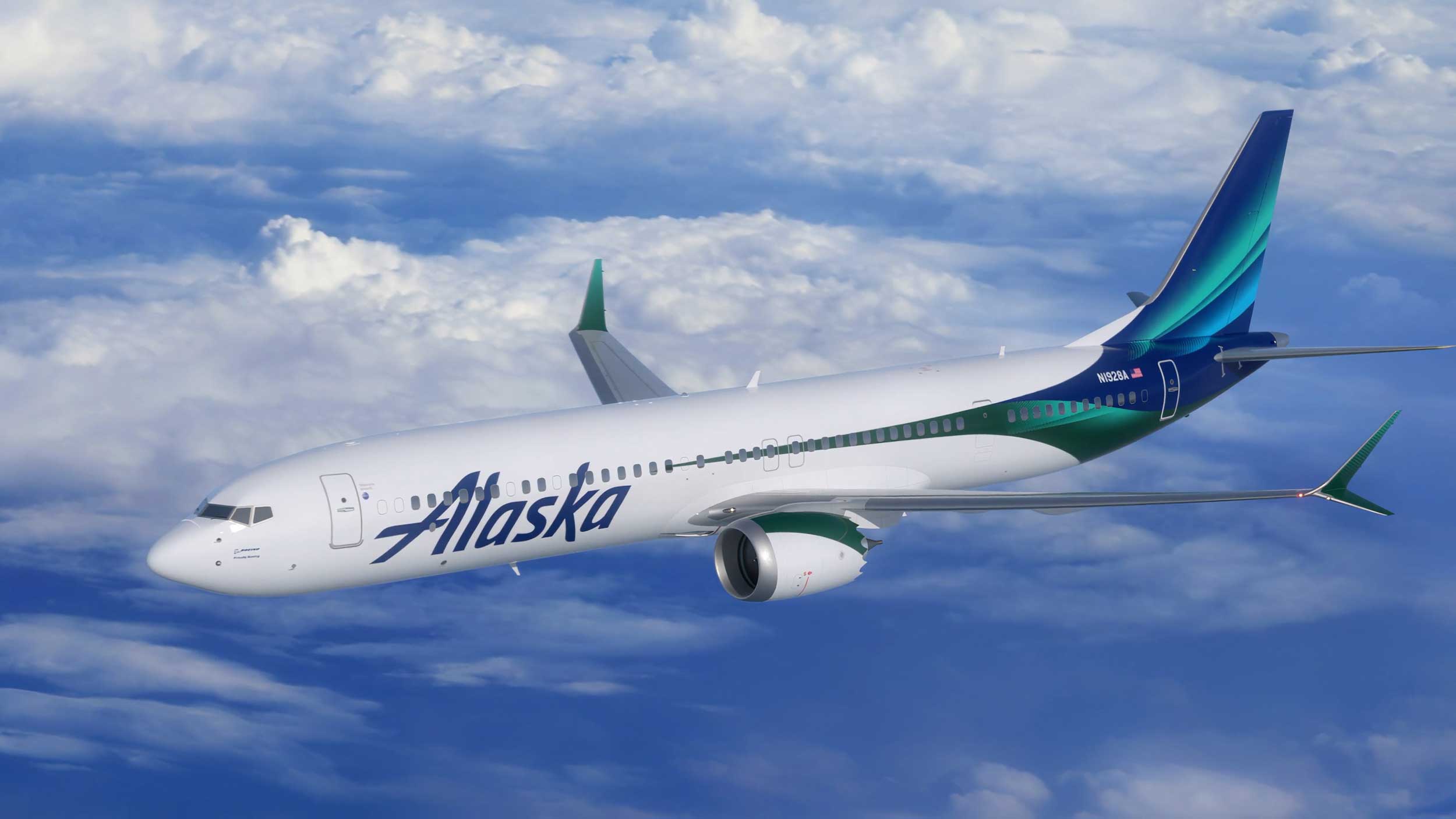
Given that sobering history, when Alaska Airlines unveiled its brand-new "Aurora Suites" for the incoming Boeing 737-10 MAX fleet last month, my attention immediately bypassed the flashy marketing materials, the oversized entertainment screens, and the striking new northern lights paint job. I looked for one crucial detail that dictates the physical safety of disabled travelers: which way the seats face.
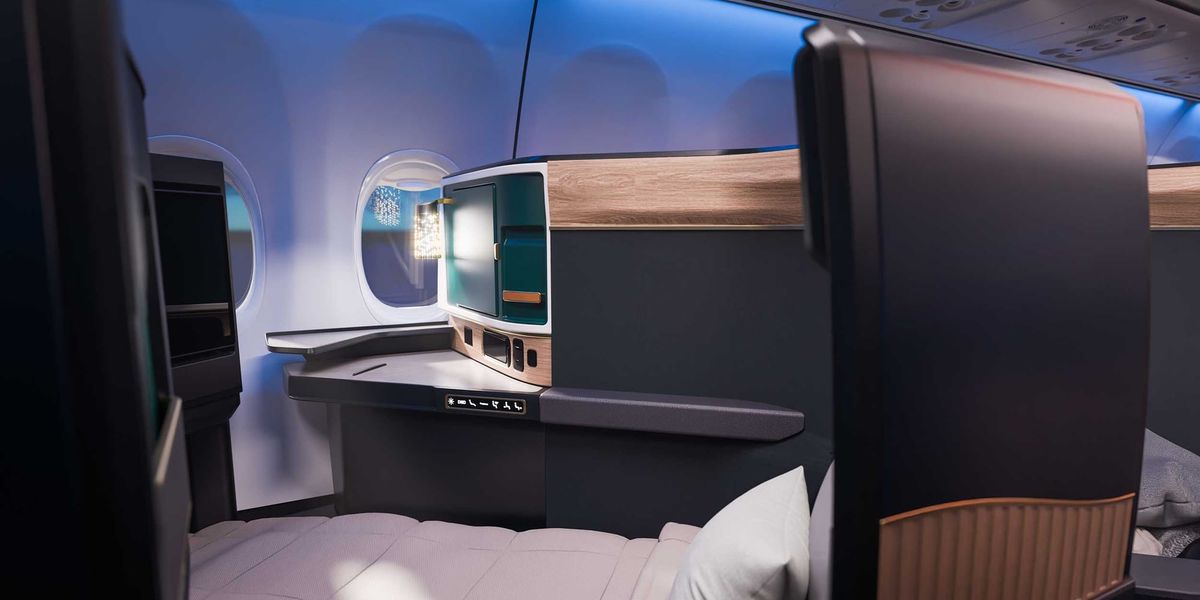
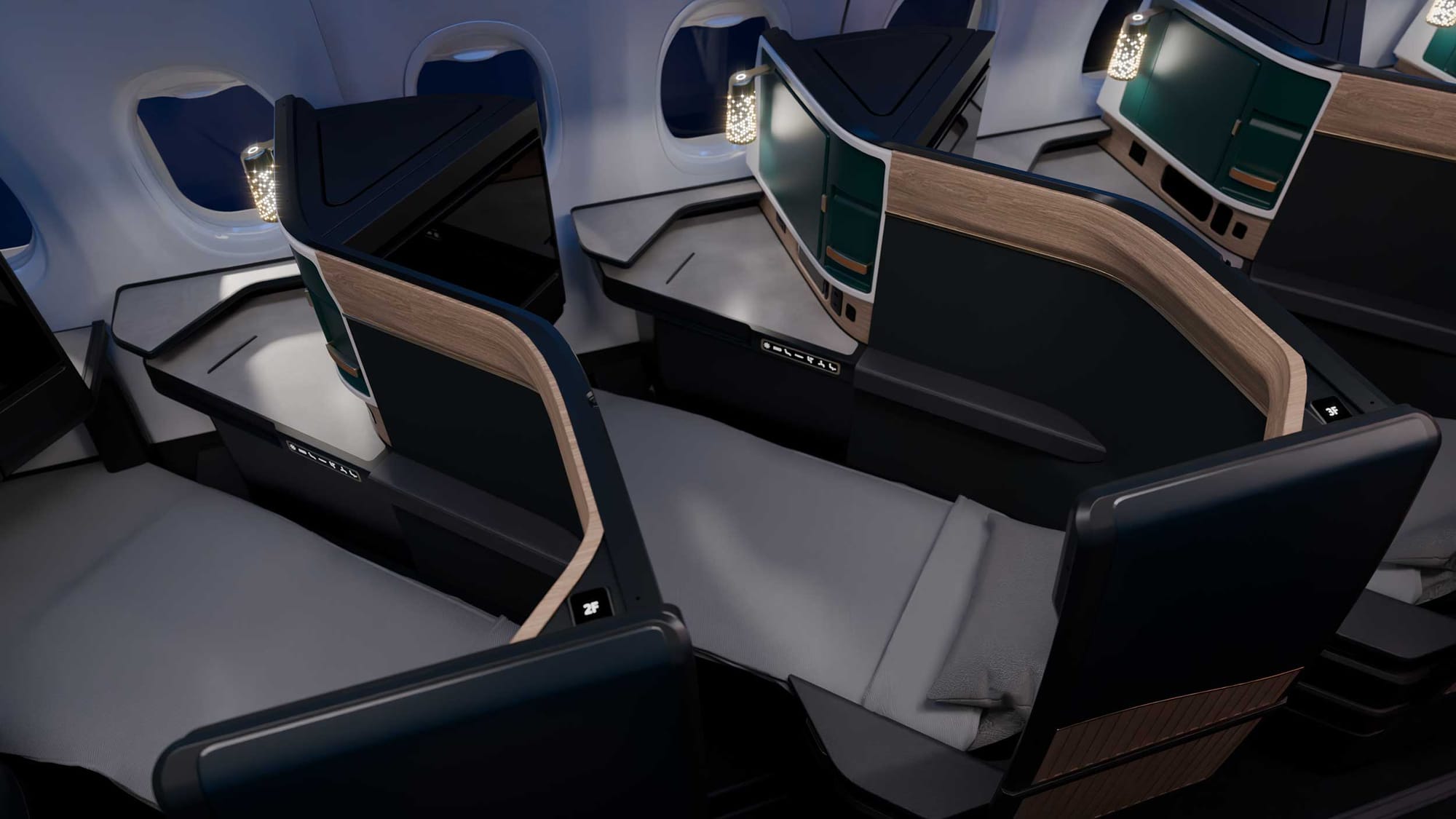
To my pleasant surprise, Alaska’s new layout adopts a reverse herringbone configuration, meaning the seats face outward toward the window. This strategic design choice bucks a problematic trend established by competitors like JetBlue, American Airlines, and United Airlines, all of which have increasingly installed herringbone seats that face the narrow interior aisle on single-aisle aircraft. On a narrow-body plane, seat orientation is a make-or-break design choice. It fundamentally decides whether a wheelchair user can perform a safe lateral transfer from the airport-provided aisle chair into the aircraft seat, or whether they must be precariously hauled and squeezed sideways into a cramped, restrictive pod.
"Holy Aurora!," I thought upon reviewing the specifications. Alaska had genuinely gotten this major engineering and design choice right where so many legacy carriers have faltered.

Hello, Aurora!
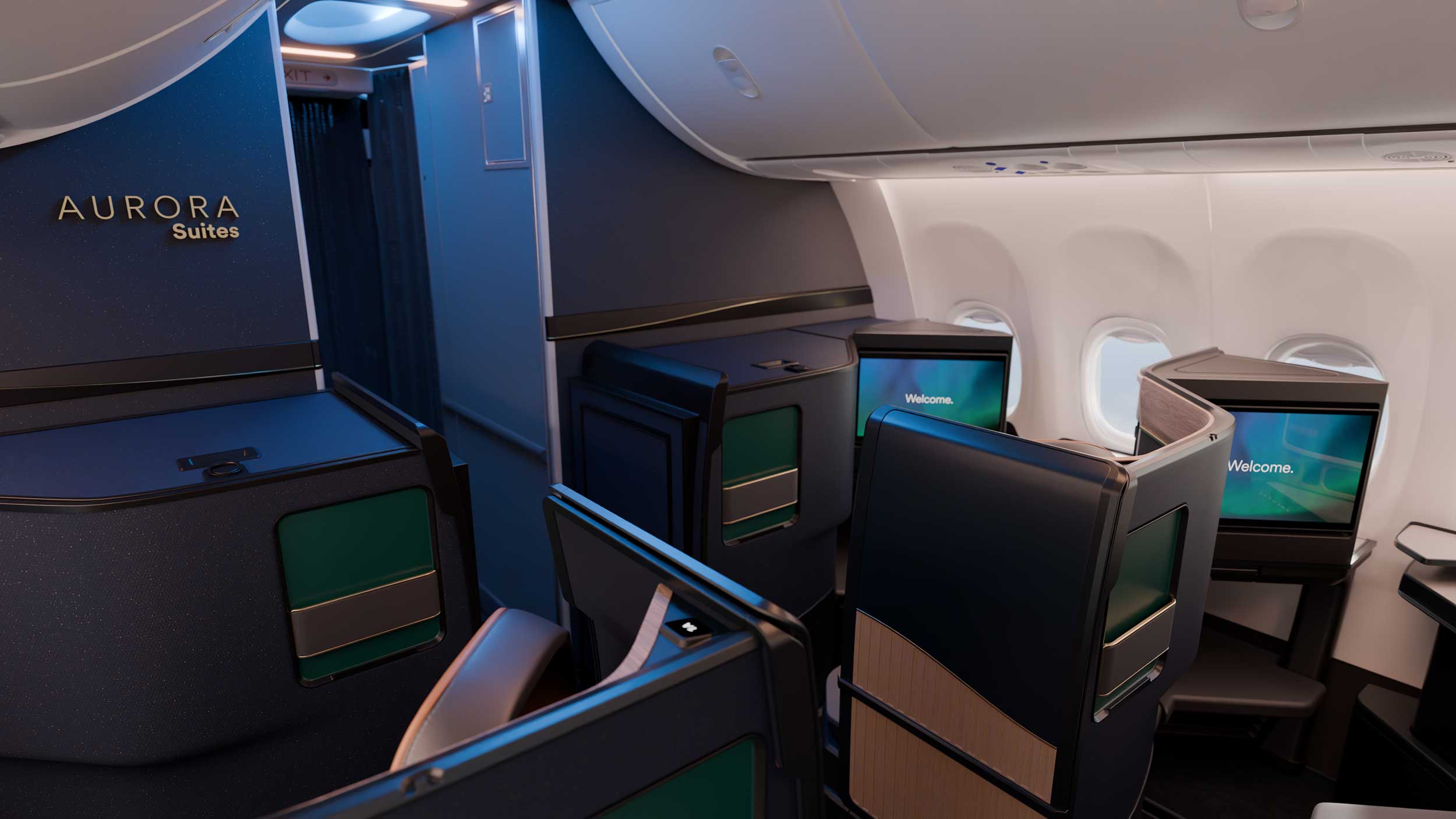
"Aurora" is Alaska Airlines’ newly branded moniker reserved for its highest-tier premium seating and service offerings. On the carrier’s wide-body Boeing 787 Dreamliners, Aurora will represent the airline’s international long-haul business class product. Meanwhile, on the single-aisle Boeing 737-10 MAX, the Aurora product will be marketed and sold as first class on transcontinental and coast-to-coast flights. This rollout marks a historic milestone for Alaska, representing the very first time the carrier has offered fully flat-bed seats on a single-aisle aircraft.
Under the current plans, at least 25 of the incoming Boeing 737-10 MAX airframes will feature a total of 12 Aurora Suites each. The layout places one suite on each side of the central aisle spanning across six rows. Each individual suite will feature direct aisle access, a seat that transforms entirely into a fully flat bed for long-haul comfort, a large-format entertainment screen, and an array of accessible power and charging options. Deliveries and commercial operations for these upgraded planes are widely expected to commence around 2028, with early routes anticipated to connect major West Coast hubs with New York and other key transcontinental markets.
The Elevate Ascent Business Class Seat
To power this new premium experience, Alaska Airlines has selected a single-aisle variant of the Ascent seat, manufactured by Elevate Aircraft Seating, for its Boeing 737-10 MAX fleet. Elevate originated as Adient Aerospace, a joint venture originally co-founded by Boeing alongside automotive seating manufacturer Adient, before rebranding under its current name in 2025.
As an advocate and frequent flyer, I am already deeply familiar with the Ascent seating product. I experienced it firsthand earlier this year on American Airlines, marking my inaugural flight in that specific configuration. On American’s aircraft, the seat is marketed under the "Flagship Suite" name and has been progressively installed on select wide-body Boeing 787-9 and Boeing 777-300 airframes.
In my published review of that specific product, I noted a mixed bag regarding accessibility. While the reverse herringbone layout faces the correct direction toward the window, American chose to box the seat in with a fixed partition wall that houses a sliding privacy door. That solid wall blocks a significant portion of the seat from the main aisle, creating a physical barrier that makes a safe, unobstructed lateral transfer from an aisle chair exceptionally challenging. Furthermore, during my testing, the fold-down aisle armrest collapsed completely under my body weight when I attempted to use it for leverage to reposition myself.
Fortunately, Alaska’s forthcoming 737 adaptation appears to omit the sliding privacy door—though the surrounding structural wall remains—which will hopefully translate to a slightly more open profile facing the aisle, easing some of the physical friction during the boarding and deplaning process.
What Alaska Still Needs to Get Right
Securing a window-facing orientation is an undeniably strong foundational start, but it cannot be treated as the ultimate finish line for true accessibility. Alaska Airlines still has a valuable window of time before these aircraft take to the skies in commercial service, and four critical operational and design details will ultimately decide whether the Aurora Suite truly functions safely for wheelchair-dependent passengers on the Boeing 737-10 MAX.
By selecting a reverse herringbone seating architecture for the Aurora cabin, Alaska Airlines has undeniably outmaneuvered its primary domestic competitors. However, the aviation industry as a whole can and must do significantly more to elevate the travel experience for disabled passengers who have historically been sidelined by poor cabin architecture.
The Bottom Line
Alaska Airlines watched its industry rivals make a deeply frustrating, customer-unfriendly mistake by implementing aisle-facing business class suites across narrow-body aircraft fleets. The carrier’s forthcoming Aurora business class product on the Boeing 737-10 MAX successfully sidesteps that engineering error, opting instead for a window-facing seating product that naturally facilitates safer, more dignified transfers for wheelchair users.
While it is entirely likely that accessibility was not the primary boardroom driver behind this configuration—industry trends show that all mainstream passengers simply prefer looking out a window rather than staring directly into a narrow aisle—disabled travelers will happily take a positive outcome regardless of its motivation. If accessibility is truly a core operational priority for Alaska Airlines moving forward, the carrier should proactively collaborate with disability advocates to incorporate sturdy, weight-bearing armrests, retractable or flexible partition walls, rigorous staff training, hands-on testing with actual wheelchair users, and a genuinely accessible lavatory into these new single-aisle airframes. Should Alaska take those vital extra steps, the Aurora Suite has the genuine potential to become the most accessible lie-flat business class seat operating on any single-aisle airplane in the United States.