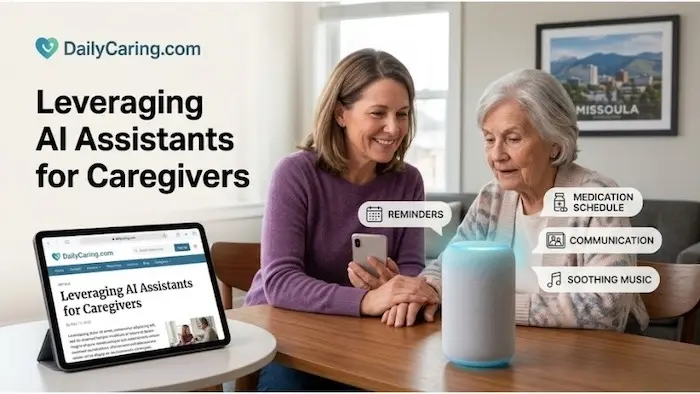
Being a family caregiver is widely recognized as an act of profound love, unwavering dedication, and, all too frequently, an overwhelming amount of responsibility. Across the country, millions of individuals juggle a relentless cycle of medical appointments, complex medication schedules, household maintenance, emotional support, and countless other daily duties. In the process, many caregivers routinely sacrifice their own physical and mental well-being to ensure the comfort and safety of their aging or ailing relatives.
Experts and advocates emphasize that while the physical tasks of caregiving are exhausting, beneath the surface lies an invisible yet crushing weight known as the caregiver’s mental load. Fortunately, recent developments in technology highlight how the right artificial intelligence tools can help alleviate this strain. Industry observers and healthcare professionals note that modern artificial intelligence assistants offer a practical, powerful pathway to support family caregivers, not by replacing the essential human touch, but by automating mundane tasks, organizing complex schedules, and carving out vital moments for caregivers to simply breathe and be present with their loved ones.
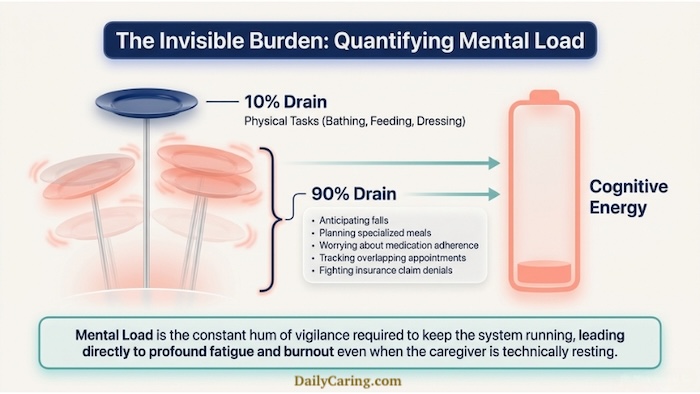
To understand the value of these emerging technological solutions, one must first examine the nature of the challenge. The mental load of caregiving functions much like a constantly spinning set of plates. Each plate represents an active mental obligation: tracking medication compliance, keeping track of physical therapy schedules, managing grocery and household inventories, coordinating with insurance companies, balancing personal or familial obligations, and constantly monitoring the comfort and safety of a relative. This mental load encompasses far more than the physical execution of these tasks; it involves the continuous remembering, planning, anticipating, and worrying that persists even when the caregiver is resting. It is a silent, relentless cognitive effort required to keep daily life running smoothly, often carried out with little to no external recognition.
Over time, this invisible burden takes a heavy toll. The relentless cognitive strain can erode a caregiver’s physical health, emotional resilience, and overall quality of life. Many caregivers report chronic fatigue, irritability, difficulty concentrating, persistent anxiety, sleep disturbances, and a pervasive feeling of being overwhelmed. When left unaddressed, this accumulation of stress frequently culminates in caregiver burnout—a state of complete emotional, physical, and mental exhaustion. Recognizing these warning signs is a critical first step, leading many families to explore digital solutions and specialized technological aids to reclaim their well-being.
In recent years, the role of technology in caregiving has undergone a significant transformation. While earlier tech solutions were largely limited to basic reminders or simple alarms, modern artificial intelligence has evolved into a sophisticated co-pilot. Contemporary AI systems are designed to learn household routines, interpret complex commands, integrate seamlessly with various smart home devices, and offer proactive suggestions. Rather than acting as mere digital notepads, these tools anticipate needs and streamline administrative processes, serving as impactful digital solutions for families managing long-term care at home.

The core promise of artificial intelligence in this sector is to return valuable time and mental space to the caregiver. By automating repetitive tasks, organizing scattered health information, and providing instant access to resources, AI tools help reduce decision fatigue, enhance home safety, and provide accessible emotional outlets.
In practice, these technologies span several key areas of daily life. For routine tasks, AI-driven applications and smart home assistants manage calendar synchronization, generate grocery lists, and handle medication reminders, drastically cutting down on frantic last-minute errands. For household coordination, centralized platforms keep medical notes and family updates in a single accessible location, preventing the communication breakdowns that often occur when relying on exhausting group text chains. For wellness support, conversational interfaces offer accessible emotional outlets and guided relaxation exercises. Meanwhile, monitoring and safety features—ranging from fall detection to intelligent audio sensors—enhance home security while actively reducing the baseline anxiety experienced by remote or working caregivers.
Several real-world tools currently illustrate how these technologies operate in practice. Systems like Sensi.ai address safety monitoring without compromising privacy. Designed for homes where families worry about nighttime wandering or sudden falls but wish to avoid invasive video cameras, the system utilizes small, audio-only pods placed in living spaces. The AI listens for specific anomalies, such as a sudden thud, persistent coughing, distress sounds, or unusual nighttime bathroom activity, and immediately notifies the caregiver via a smartphone alert. This setup provides continuous peace of mind while preserving the older adult’s dignity and personal space.

Another notable development is ElliQ, a proactive, AI-driven companion robot built specifically for older adults. Unlike standard smart speakers that remain idle until spoken to, this robotic companion initiates interactions, guides users through light physical exercises like chair yoga, plays trivia games, facilitates video calls with distant family members, and gently reminds individuals to stay hydrated or take medications. For family caregivers, the companion’s accompanying mobile application provides regular updates regarding the older adult’s mood, sleep patterns, and daily engagement, helping to alleviate the lingering guilt of not being physically present every hour of the day.
For administrative organization and team coordination, applications like ianacare are designed to mobilize informal support networks—the friends, neighbors, and extended family members who frequently offer general assistance without knowing how to help. By utilizing smart algorithms, the platform allows caregivers to organize and delegate specific tasks, such as grocery drop-offs, transportation to medical appointments, or designated respite hours, centralizing communication and removing the burden of managing individual requests.
Additionally, general-purpose artificial intelligence models such as ChatGPT and Google Gemini are increasingly utilized to handle time-consuming administrative burdens like drafting formal medical care appeals, organizing care schedules, or planning specialized dietary menus. Experts emphasize, however, that when utilizing public AI models for healthcare paperwork or planning, users must strictly anonymize sensitive data. Protecting personal privacy requires omitting real names, birthdates, Social Security numbers, and specific insurance details from chat prompts, relying instead on generic descriptors to safeguard personal health information.
As families evaluate these options, technology experts recommend identifying specific pain points—such as household organization, safety monitoring, communication coordination, or emotional support—before selecting a tool. Ensuring ease of use, robust security protocols, and reliable integration capabilities remains essential for a successful transition.
Bringing new technology into an established caregiving routine requires patience and a gradual approach to navigate the initial learning curve. Experts suggest introducing features incrementally rather than overhauling a daily routine all at once. As the technology becomes familiar, caregivers often find that these tools absorb a significant portion of the administrative friction that feeds chronic stress.
Looking ahead, observers note that the broader caregiving sector is moving toward a future where artificial intelligence and human caregivers operate in a symbiotic relationship. With systemic challenges and growing demands facing the caregiving workforce, tools that incorporate automation, specialized robotics, and artificial intelligence are expected to play an increasingly prominent role in daily routines. Industry advocates emphasize that embracing these innovative tools does not mean outsourcing personal dedication or taking shortcuts; rather, it represents a strategic deployment of modern resources to manage immense responsibilities sustainably over the long marathon of family caregiving.