Young people today are growing up in a world unlike any generation before them, characterized by constant digital connectivity, rising academic pressures, the pervasive influence of social media, widespread uncertainty, and escalating mental health challenges. As parents, educators, and caregivers search for effective ways to help children navigate these complex realities, interest in Social-Emotional Learning, commonly known as SEL, has surged significantly. Communities are increasingly recognizing that emotional well-being is just as essential to a young person’s development as traditional academic success. However, many adults still feel uncertain about how to effectively teach or support these vital skills.
In response to this growing need, educators and families are turning to SEL for practical, evidence-based strategies designed to help children and teens build resilience, strengthen communication, regulate their emotions, and handle life’s challenges with greater confidence. High school, in particular, represents one of the most transformative yet demanding phases of a young person’s life. Between rigorous academic expectations, shifting social dynamics, family pressures, extracurricular commitments, and looming questions about the future, countless teenagers find themselves trying to navigate stress, anxiety, and loneliness entirely on their own.
Advocates note that SEL activities tailored for high school students provide them with the practical tools necessary to identify what they are feeling, communicate those emotions effectively, and cope with adversity before it becomes overwhelming. Just as importantly, implementing these frameworks creates consistent opportunities for trusted adults to check in, actively listen, and remind students that they do not have to shoulder their burdens alone. Experts emphasize that parents and educators do not need to possess the perfect response to every situation; rather, they simply need to show up consistently. Often, knowing that an adult is genuinely willing to listen is precisely what a struggling teenager requires.
Fundamentally, SEL is the ongoing process through which individuals develop the core competencies needed to understand and manage their emotions, set and achieve positive goals, feel and show empathy for others, establish and maintain positive relationships, and make responsible decisions. These foundational skills help students succeed not only within the four walls of the classroom but also in their friendships, family lives, and future careers. By deliberately creating opportunities to practice these principles every day, parents and educators help young people cultivate resilience, self-awareness, confidence, and long-term emotional well-being.
Crucially, experts stress that SEL does not have to be treated as a standalone lesson, a clinical therapeutic intervention, or a rigidly scheduled academic activity. Some of the most meaningful social-emotional moments happen naturally during everyday interactions, occurring whenever adults carve out space for teens to reflect, express themselves freely, and feel genuinely heard. Misconceptions about SEL often persist, with some mistakenly viewing it as therapy or assuming it forces students to share deeply personal experiences or process trauma publicly in front of their peers. In reality, it is neither of those things, nor is it an added academic subject designed to overburden teachers or parents. Instead, it focuses on fostering small, consistent opportunities for teens to recognize their internal states, build healthy coping mechanisms, and understand that seeking help is a sign of strength rather than weakness.
Integrating these practices into a daily routine does not require a complete overhaul of a classroom schedule or family life. Small, consistent moments that encourage students to recognize their emotions, reflect on their lived experiences, and talk openly about mental health can yield a lasting impact over time. Whether through a thoughtful question during a classroom transition or a supportive conversation at the dinner table, these everyday interactions help shape a supportive environment.
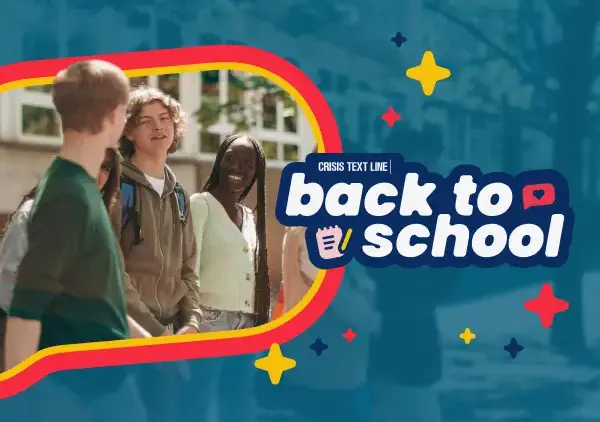
Organizations across the educational and mental health sectors are stepping up to provide resources to aid this integration. For instance, Crisis Text Line offers specialized tools such as the Back-to-School High School Mental Health Toolkit, which is designed to make it easier for educators and parents to introduce social-emotional concepts into their environments. These resources are intended to spark important conversations that might otherwise never take place, helping to bridge the gap between youth and the support systems they need.
Ultimately, the overarching goal of social-emotional learning is not to achieve perfection in communication or instruction, but rather to ensure that every teenager feels seen, supported, and a little less isolated in their struggles. When young people recognize that there is a trusted adult willing to listen, alongside accessible resources available whenever they need them, they become far better equipped to navigate life’s inevitable challenges with resilience and poise.
For individuals currently struggling with their mental health, professional support remains readily accessible. Anyone in need of immediate assistance can text the keyword SCHOOL to 741741 to access free, confidential support from a live crisis counselor available around the clock. Those who wish to support the continued availability of these free mental health services can also contribute through charitable donations to organizations like Crisis Text Line, ensuring that no young person has to face their darkest moments completely alone.