
As the fall calendar of wheelchair-accessible group tours across Europe comes to a close, travel advocates and enthusiasts are reflecting on a season filled with remarkable triumphs and unexpected hurdles. Over the past few months, more than 30 readers of Wheelchair Travel joined curated journeys through some of the continent’s most iconic destinations. From soaking in the breathtaking grandeur of the Swiss Alps to mastering the art of crafting authentic Italian pasta in Sicily, these adventures delivered unforgettable memories for every participant.
However, behind the scenes of these carefully orchestrated group excursions, the realities of international travel—combined with sudden personal emergencies and systemic industry shortcomings—created a uniquely challenging period for the travel community. From misplaced travel documents in London hubs to inconsistent rail accessibility and frustrating hotel reservation failures, recent weeks have underscored just how vital accessibility advocacy remains for travelers with disabilities.
Facing the Unexpected and a Family Emergency
Running multiple back-to-back group tours alongside personal side excursions typically keeps organizers away from home for well over a month. For Wheelchair Travel founder John Morris, a carefully managed itinerary was abruptly upended by an urgent phone call: his son, Robert, had been rushed to the hospital and required unexpected emergency surgery.
In keeping with a strong family belief in personal privacy, particularly concerning health matters, the intimate details of the medical event remain private. However, the outcome brought immense relief and pride. The surgery was a resounding success, and Robert demonstrated remarkable strength and resilience through the ordeal.
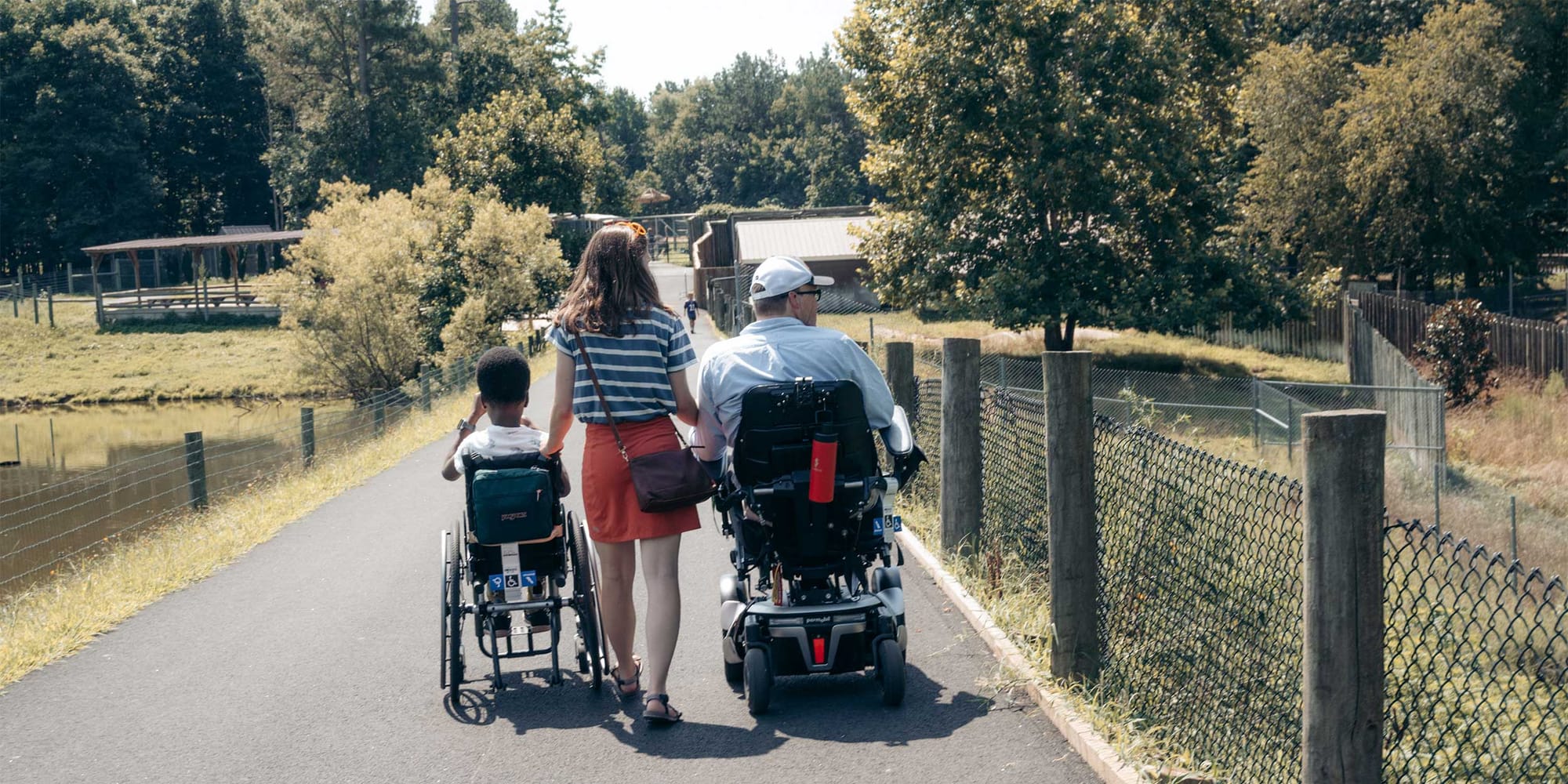
Naturally, the emergency prompted an immediate return home. After spending roughly a week with his family, Morris traveled back to Europe to resume his scheduled obligations, starting in London, England. This return to the road, however, immediately collided with another stressful logistical emergency that temporarily halted his transit to the European continent.
Temporarily Trapped in London
To pick up where his interrupted itinerary left off, Morris booked a flight from the United States to London, intending to catch a same-day Eurostar train to Cologne, Germany. Eager to explore a destination he had never visited before, he made his way to the Eurostar check-in desk at London’s King’s Cross-St. Pancras Train Station, only to make a chilling discovery: his passport was missing.
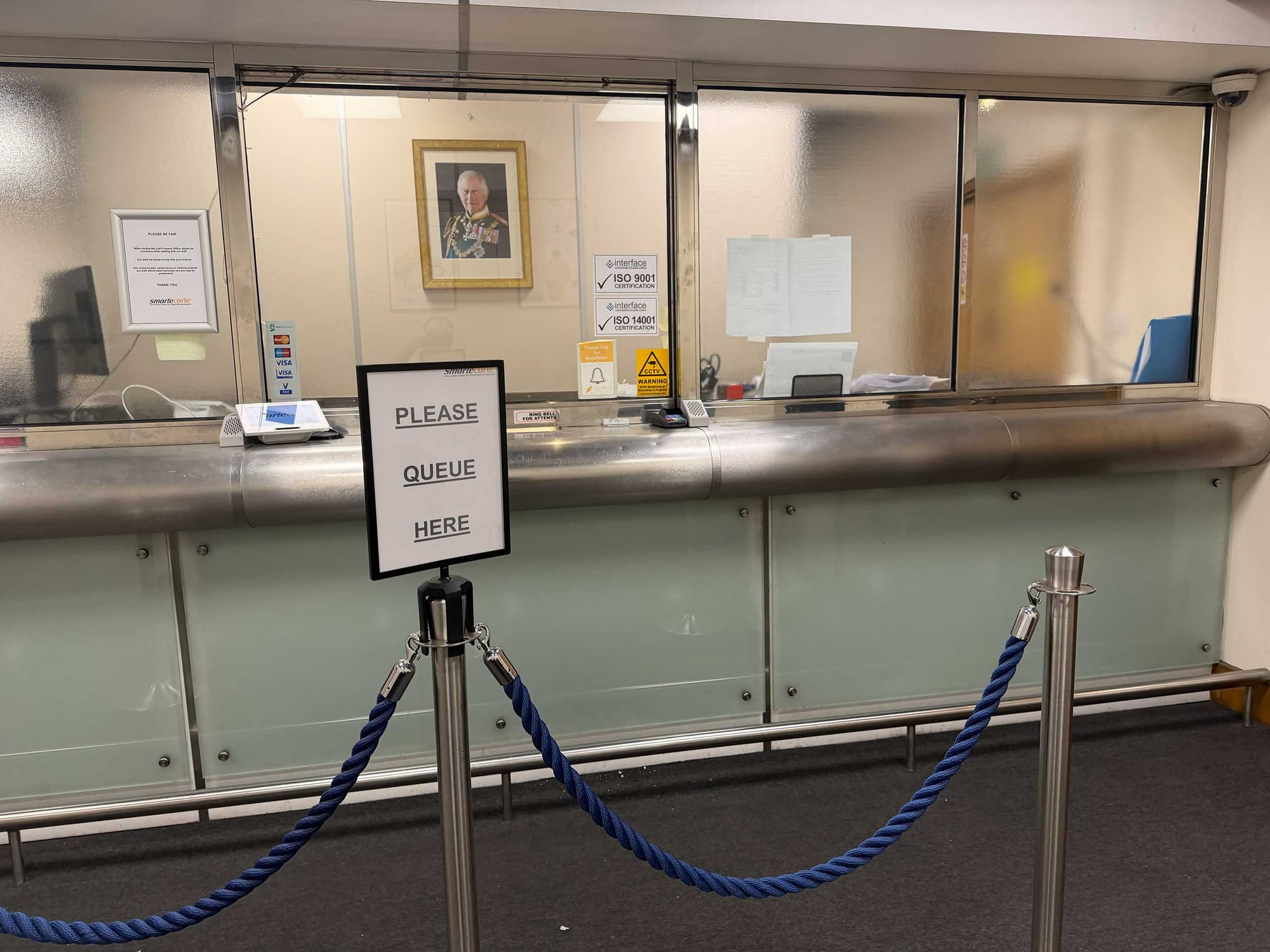
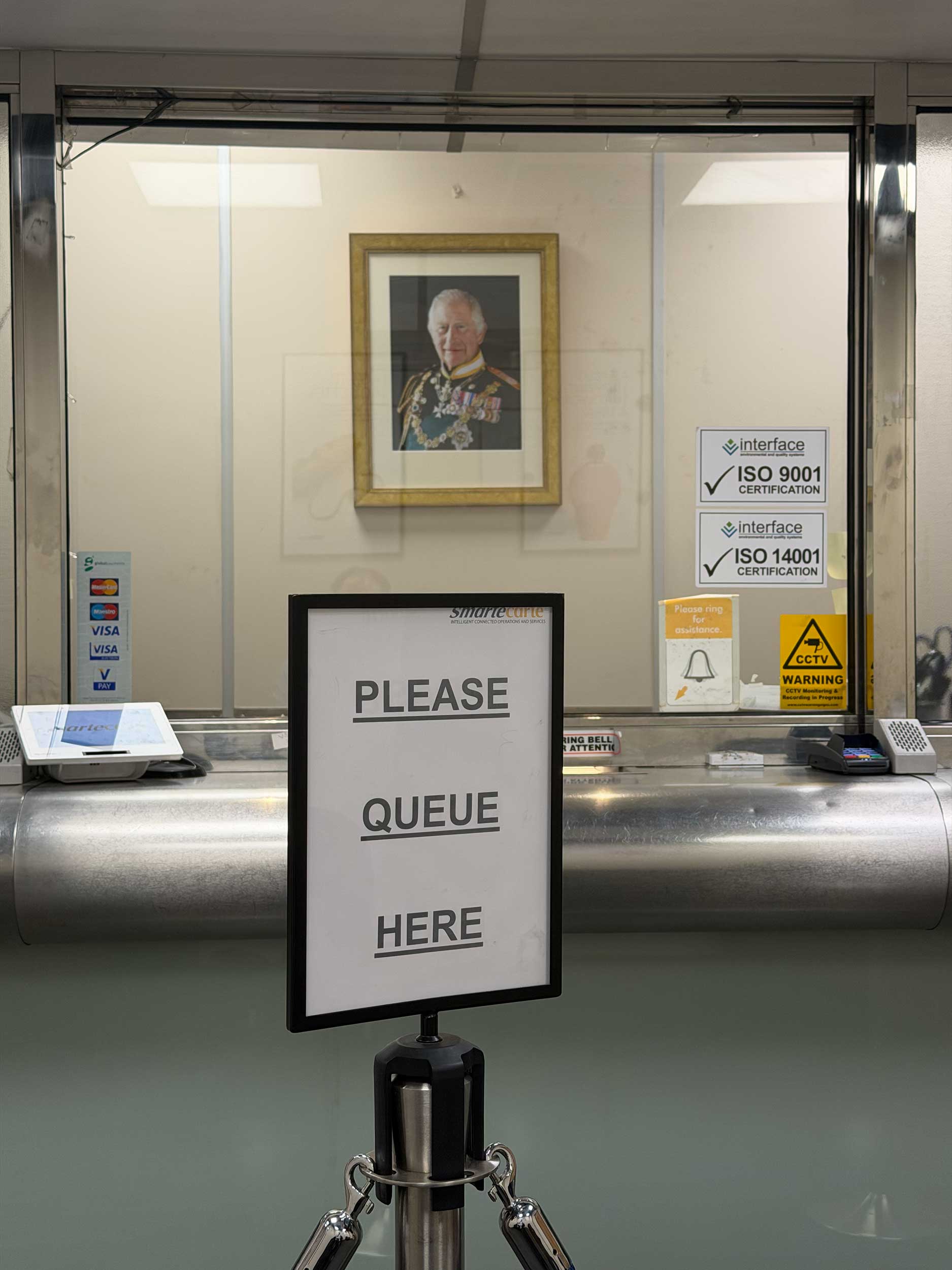
A frantic search ensued, retracing his steps through his luggage, the crevices of his wheelchair, nearby restrooms, and the café where he had recently ordered coffee. Ultimately, with no passport in hand, he was forced to head back to Heathrow Airport. He filed formal lost-item reports with the airport and Transport for London. Standing in a long queue at Heathrow’s lost and found office, staring silently at a portrait of King Charles III, he was delivered the grim news by staff members who confirmed that no one had turned the document in.
To compound the stress, it was a Saturday, meaning the United States Embassy was closed until Monday. Even if it had been open, standard protocol on emergency travel documents would not have sufficed for a crossing into France, where Eurostar passengers departing London undergo French border checks. He faced the sobering reality of an unplanned overnight stay—or longer—in London, effectively stranded, stateless, and unidentifiable.
Fortunately, Eurostar’s customer-friendly ticketing policy provided a rare bright spot. The company permits free ticket changes with no exchange fees up to one hour prior to departure, requiring passengers to cover only potential fare differences. This flexibility allowed him to adjust his train departure multiple times free of charge as the situation evolved.
In a final, desperate bid before resigning himself to a multi-day delay, Morris asked to speak with an American Airlines manager at the check-in desk. Though he knew he had used the passport at immigration upon entering the United Kingdom and hadn’t left it on the aircraft, he had time to kill and nothing to lose. Twenty minutes later, a manager emerged holding a familiar booklet, calling out his name. As it turned out, the passport had slipped onto the floor near the baggage carousel. Someone had spotted boarding passes tucked inside and handed it to an American Airlines agent, who had not yet routed it to the central lost and found office.
Reflecting on the harrowing experience, Morris noted that even seasoned travelers can fall victim to basic oversights, serving as a reminder to always secure critical travel documents safely.
Door Ajar on the Eurostar and a Bad Merger
With his passport successfully recovered and a restful night of sleep behind him, Morris resumed his journey the following day, boarding a Eurostar train bound for Cologne’s Central Station via Brussels, Belgium.
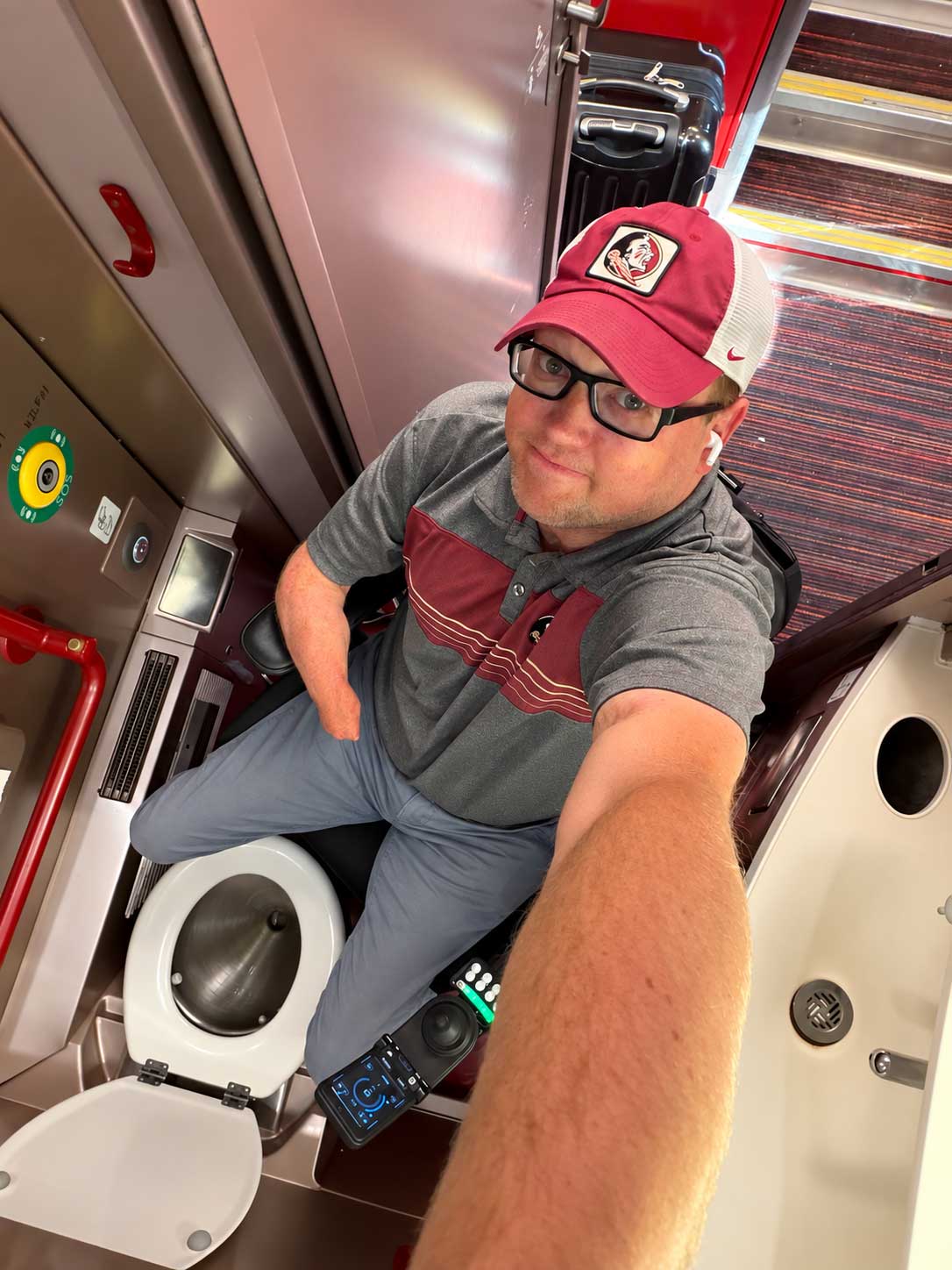
The initial leg of the rail journey from London to Brussels was smooth, featuring a fully accessible Eurostar train equipped with a large onboard restroom capable of accommodating a power wheelchair. Unfortunately, that high standard of accessibility did not persist onto the connecting train from Brussels to Cologne.
In 2023, two of Europe’s premier high-speed rail operators, Eurostar and Thalys, finalized their corporate merger. While European high-speed rail is generally heralded for accessibility, the specific TGV train sets deployed on former Thalys routes—such as the Brussels-to-Cologne corridor—fall critically short. These trains feature exceptionally cramped corridors, a single designated wheelchair space within the designated accessible car, and restrooms that cannot accommodate a wheelchair inside.
For travelers accustomed to the highly accessible Eurostar services linking London with Amsterdam, Brussels, or Paris, encountering these restrictive train sets comes as an unwelcome shock. The inability to deliver a consistent, reliable accessible experience across all unified routes remains a significant blemish on the post-merger Eurostar brand.
Trainspotting and Railbuffing in Wuppertal, Germany
Because of the initial travel delay in London, Morris’s arrival in Cologne was too brief for an extended stay. He immediately transferred to a Deutsche Bahn train for a 45-minute journey to a destination that had long occupied a spot on his travel bucket list: Wuppertal, Germany.

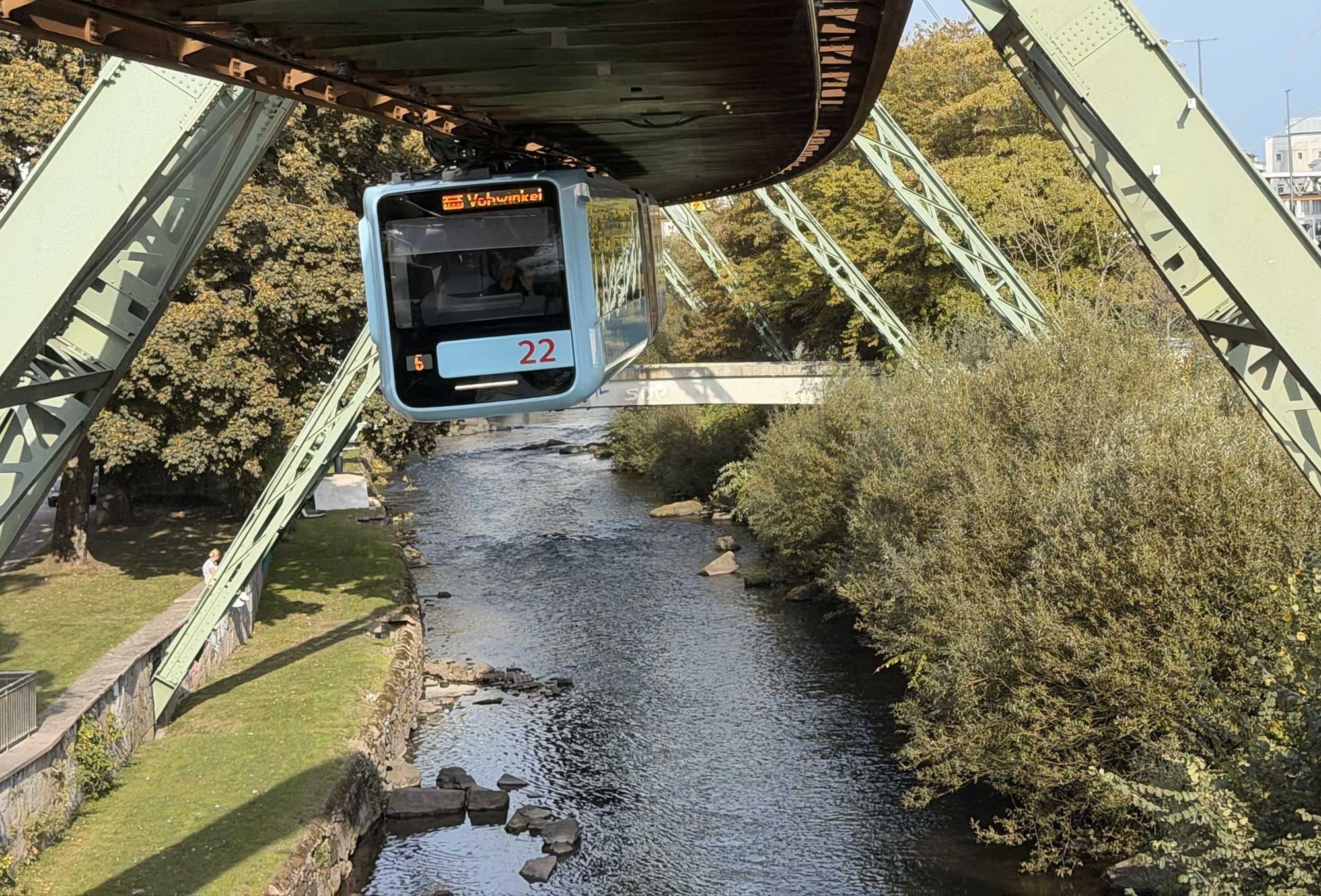
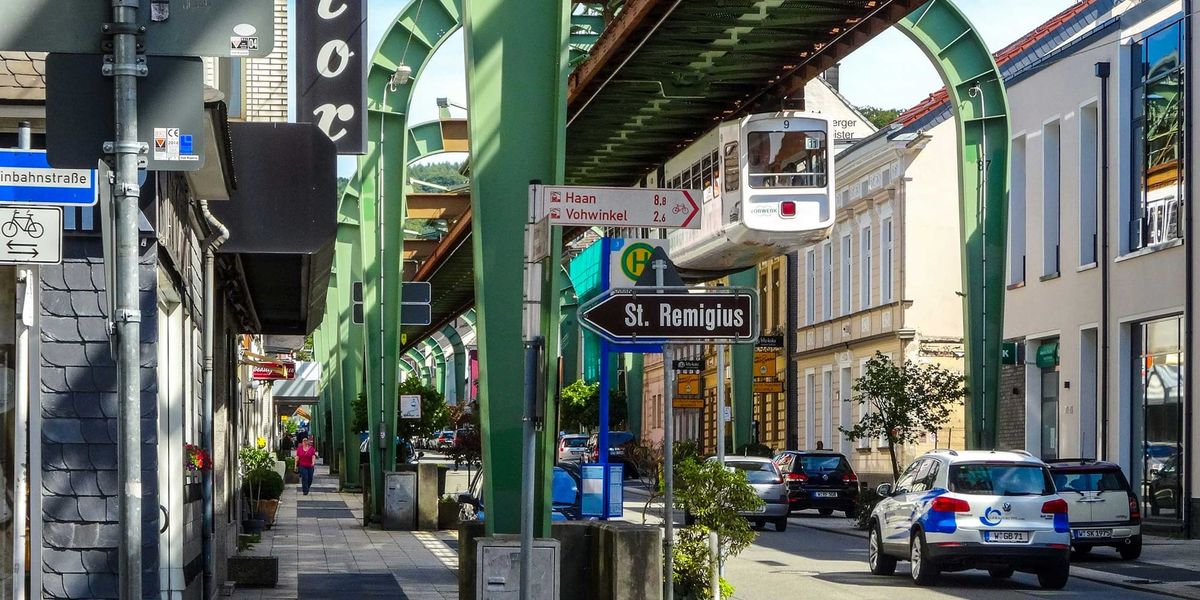
Though Wuppertal is steadily drawing more international tourists, it remains relatively under-the-radar for mainstream travelers. Its crown jewel is the historic Schwebebahn, an iconic suspended monorail system that celebrated its 125th anniversary earlier this year. Historically, the municipality served as an industrial powerhouse and is famously recognized as the birthplace of philosopher Friedrich Engels, who co-authored The Communist Manifesto alongside Karl Marx.
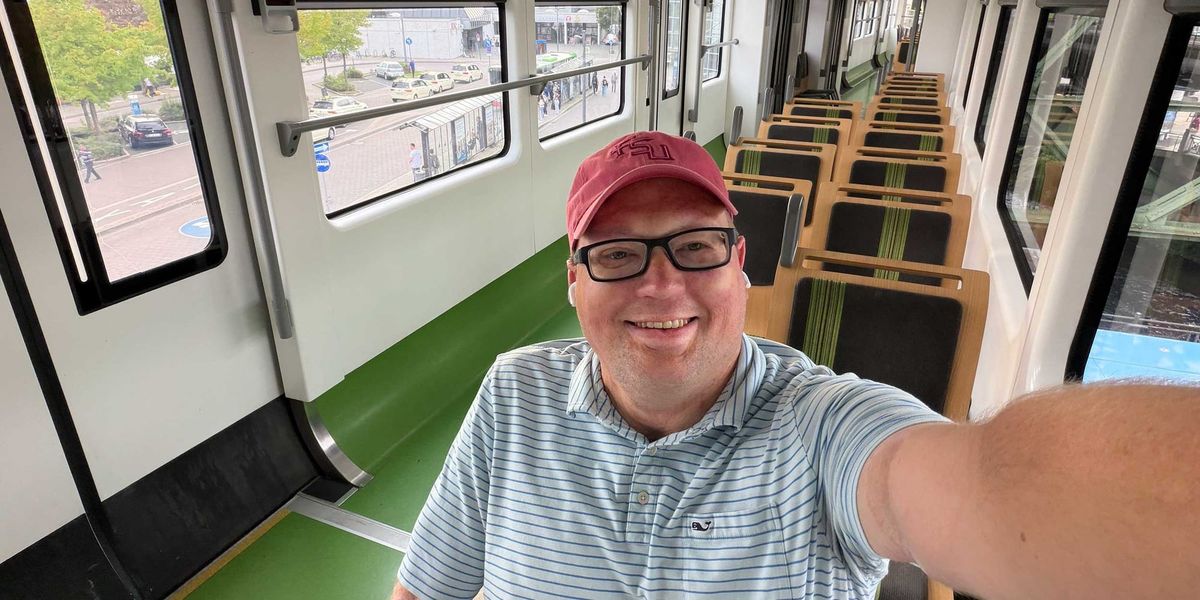
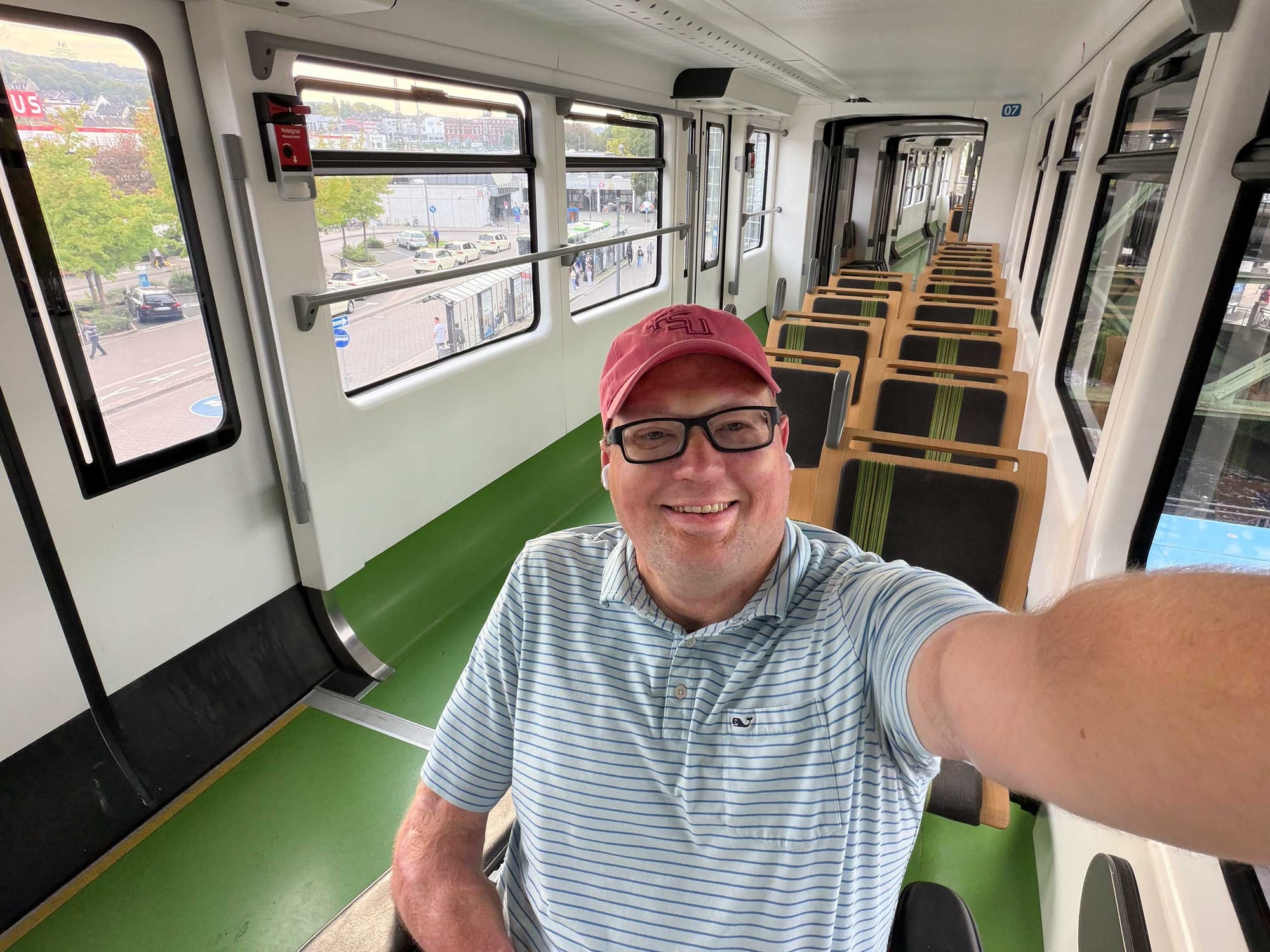
As an avid transit enthusiast, Morris dedicated his time in the city to comprehensive railbuffing. He rode the Schwebebahn end-to-end in both directions, captured extensive photo and video documentation, and explored local highlights, including the city’s acclaimed Green Zoo.
Group Travel Horizons and Hotel Accessibility Battles
Looking ahead to the upcoming travel calendar, Wheelchair Travel Tours has officially announced its next major group expedition: an 11-day journey to Scotland scheduled for June 6 through June 16, 2027. The itinerary will immerse participants in the historic, artistic, and cultural landscapes of Edinburgh, Glasgow, and Inverness, all curated with accessibility as a primary focus.
The announcement coincides with a growing industry-wide conversation regarding the reliability of accessible hotel accommodations. Renowned violinist Itzhak Perlman recently shared a frustrating experience on social media after arriving at a prominent hotel in North Bethesda following a concert performance. Despite having confirmed an accessible room six months in advance, Perlman was informed at the front desk that his room had been given away. With no alternative solutions offered by the hotel staff, he had to rely on his concert promoter to secure lodging miles away.

Perlman’s public commentary emphasized a fundamental truth: for individuals with disabilities, accessibility is never a luxury or a preference, but an absolute necessity. Under the Americans with Disabilities Act, hotels are legally mandated to guarantee that guests receive the specific accessible room type they reserved, covering bed configurations and necessary bathroom fixtures.
Echoing these frustrations, Morris encountered a remarkably similar ordeal just weeks prior in Wuppertal, Germany, where a Holiday Inn Express reassigned his reserved accessible room, forcing him to seek alternative lodgings at a nearby Hilton property. Although American disability statutes do not govern European properties, the systemic failure to honor confirmed accessible bookings remains a universal challenge for travelers with mobility needs.

As the fall season winds down, preparations continue for upcoming industry engagements, including the annual TravelAbility Summit in Tampa, Florida, where travel advocates will continue pressing major airlines, hotel chains, and tourism boards to prioritize seamless, reliable access worldwide.