As the winter season sets in, bringing with it a dramatic shift in daily routines, increased indoor confinement, and the unique pressures surrounding holiday breaks, educators, parents, and youth development specialists are focusing heavily on a crucial developmental tool: self-regulation. Defined as the ability to effectively manage thoughts, feelings, and behaviors, self-regulation enables children and young adults to navigate everyday emotions, maintain focus on tasks, and foster positive social connections. While this capability is essential year-round, experts note that the period immediately preceding and following extended winter breaks often requires intentional, targeted support to help youths manage heightened stress and behavioral volatility.
To address these seasonal challenges, specialists emphasize that building emotional and behavioral resilience does not have to feel like a chore. Instead, integrating purposeful, creative, and engaging activities into daily schedules can provide children with the tools they need to stay grounded. Whether implemented in traditional classrooms or at home, a variety of winter-themed strategies have emerged as effective methods for supporting kids and teens through the colder months.
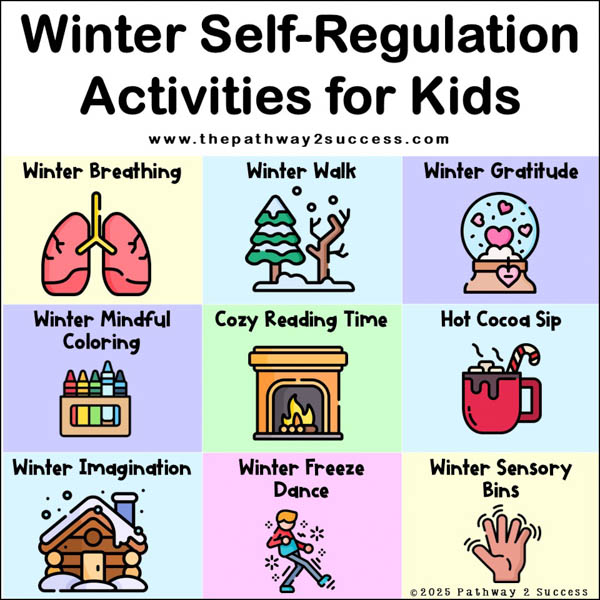
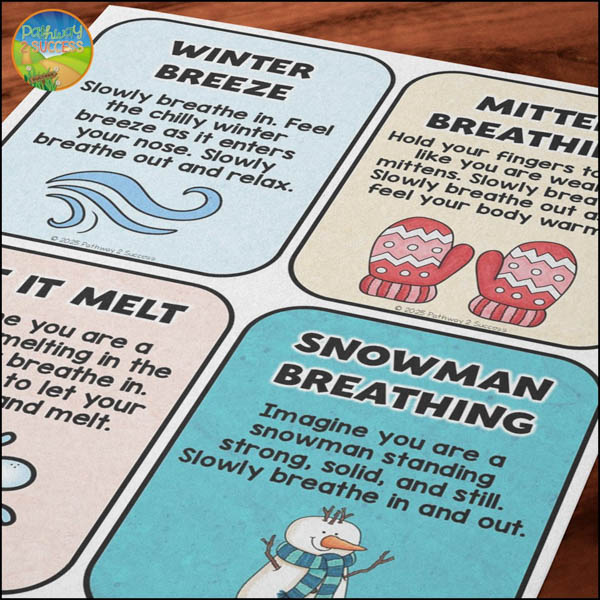
At the foundation of many emotional management programs are winter breathing exercises. By focusing deliberately on inhales and exhales, children learn to utilize mindful breathing as a physiological pause button. Rather than reacting immediately to impulses or intense feelings, participants practice slow, deep breathing to activate the parasympathetic nervous system—the biological mechanism responsible for rest and relaxation. Extensive research demonstrates that these foundational exercises support self-regulation, enhance concentration, and promote a lasting sense of calm.
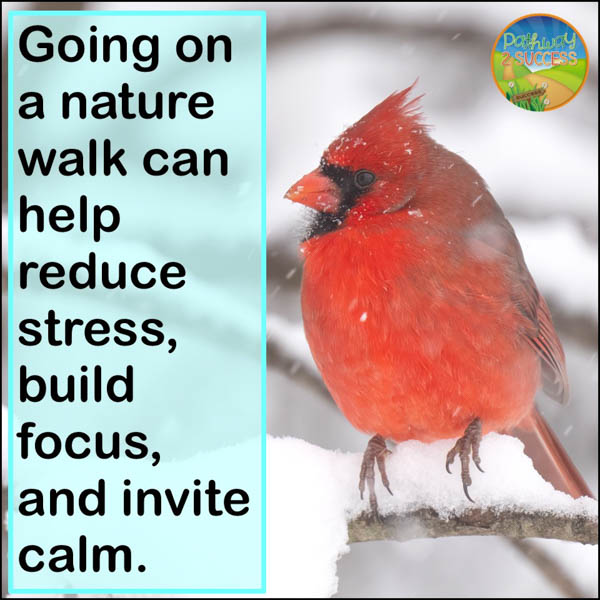
Physical movement paired with environmental awareness offers another powerful avenue for emotional stability. Outdoor nature walks, designed around sensory exploration, encourage kids to observe their immediate surroundings by engaging sight, touch, hearing, smell, and taste. Walking through a brisk winter landscape—noticing the chill in the air or the sight of wildlife overhead—allows children to practice mindfulness naturally. When weather conditions prevent outdoor excursions, nature-themed brain breaks serve as a viable alternative. Studies consistently show that time spent engaging with the outdoors or nature-inspired routines helps reduce stress, sharpens attention, and improves overall mood.
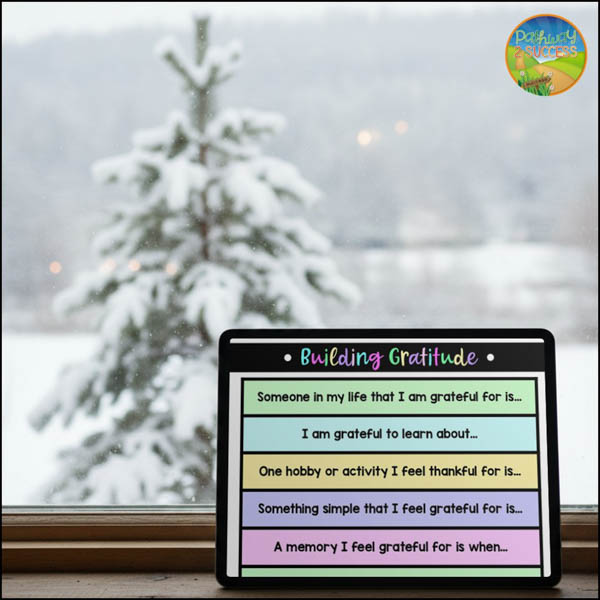
Gratitude reflection represents another psychological tool gaining traction during the winter months. By taking time to articulate specific aspects of the season they appreciate, such as the warmth of sunshine on a cold day, time spent with family, or seasonal traditions, youths are encouraged to redirect their cognitive focus toward positive experiences. Educators frequently incorporate gratitude sentence starters and journal writing into daily routines. Scientific research highlights that intentional gratitude practices help rewire cognitive patterns, yielding reduced stress levels, stronger emotional resilience, and improved sleep quality.
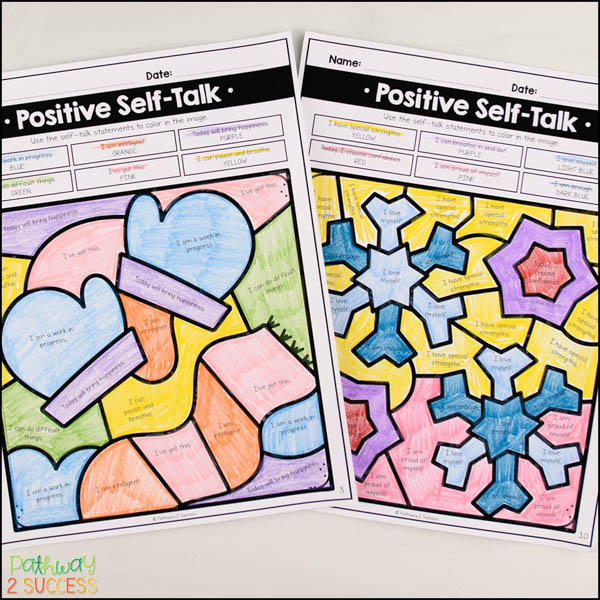
Creative outlets also play a vital role in emotional regulation during the winter season. Mindful coloring utilizes winter-themed imagery paired with positive self-talk phrases, providing a structured mechanism for focus and relaxation. Unlike traditional meditation that requires physical stillness, coloring accommodates children who require mild movement while still lowering anxiety and boosting mood. Similarly, cozy reading sessions—whether through silent independent reading or shared read-alouds—allow participants to immerse themselves in literature. Alongside video projections of crackling fireplaces, reading helps lower cortisol levels, ease muscle tension, and foster social connection and co-regulation among peers.

Hands-on sensory exploration provides further support for emotional stabilization. Winter-themed sensory bins filled with tactile materials engage children in tactile play that encourages calm, curiosity, and fine motor skill development. Complementing these tactile experiences are mindful culinary moments, such as the slow, deliberate consumption of hot cocoa. By focusing entirely on the sensory attributes of a warm beverage—feeling the warmth in the hands, noticing the aroma, and pausing deliberately between sips—participants engage in mindfulness in action, signaling the central nervous system to relax.
Beyond sensory and tactile exercises, imaginative visualization allows children to mentally transport themselves to relaxing winter environments, utilizing sensory prompts to picture peaceful snowy landscapes and anchor their minds in a state of calm. Structured hands-on winter crafts further support emotional regulation by demanding fine motor engagement and sustained focus, teaching children how to navigate frustration when creative projects encounter minor obstacles.

Finally, auditory and movement-based strategies round out the seasonal approach to emotional well-being. Playing gentle, winter-themed instrumental music creates a focused atmosphere during transitions or independent study, triggering a natural relaxation response. Meanwhile, active games like winter freeze dance combine physical movement with impulse control, challenging children to listen closely, manage their bodies, and practice self-restraint when musical cues halt. Through this diverse array of seasonal strategies, adults are provided with flexible, evidence-based methods to help children maintain emotional equilibrium throughout the winter months.