In any middle or high school classroom, a diverse group of students brought together on a daily basis will inevitably experience disagreements, friction, and misunderstandings. Whether it is a science group clashing over the technical approach to a collaborative project, a teenager feeling alienated when social circles shift away from including them, or a learner feeling deeply disrespected by frequent interruptions, interpersonal friction is a natural part of the adolescent school environment.
Educational experts emphasize that effective classroom management is not about preventing disagreements altogether. Instead, the ultimate objective is to equip children and teens with the proactive tools and psychological strategies necessary to manage conflicts independently and in a healthy manner. Cultivating these capabilities ensures that students can articulate their perspectives during group work, communicate effectively with their peers, and constructively resolve interpersonal problems as they arise.
Why Focus on Conflict Resolution Strategies?
Implementing conflict resolution strategies serves as a foundational pillar for success in middle and high school settings. Beyond merely addressing immediate disputes, these proactive measures foster a web of developmental benefits for adolescents. Focusing on these competencies allows educators to transform potential disruptions into teachable moments that enhance overall classroom culture and student well-being.
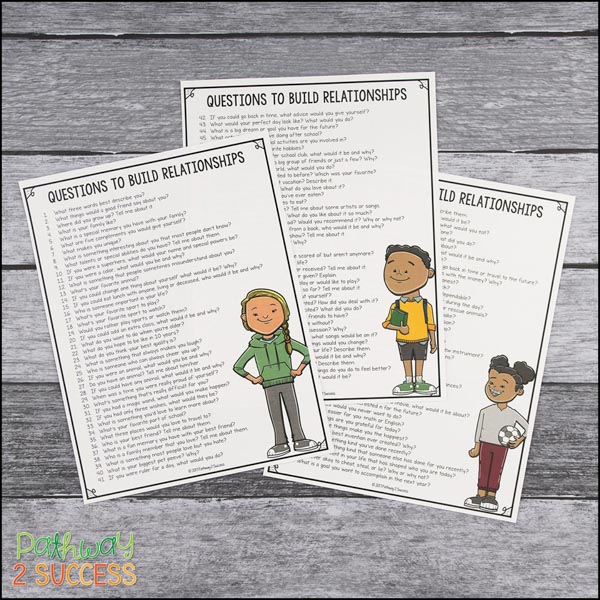
The foundational starting point for building these skills lies in intentional relationship-building within the classroom. Navigating through interpersonal challenges is inherently difficult—a lifelong pursuit that requires continuous refinement. Consequently, it is critical for young adults to feel genuinely connected to their peers and educators. When students experience a sense of belonging and connection within their school community, working through disagreements becomes significantly less daunting. Investing instructional time into strengthening relationships lays the essential groundwork for peaceful problem-solving. Educators frequently utilize targeted conversation prompts and relationship-building questions to open the door to meaningful, community-enhancing discussions.
Explicitly Teaching Conflict Resolution
Approaching conflict resolution from a proactive rather than reactive stance means providing students with problem-solving mechanisms well before tensions boil over. A vital shift in perspective involves teaching adolescents that some degree of conflict is not only normal, but beneficial. Working through disagreements safely helps students communicate their boundaries, understand their personal needs, and collaborate effectively to ensure those needs are met.
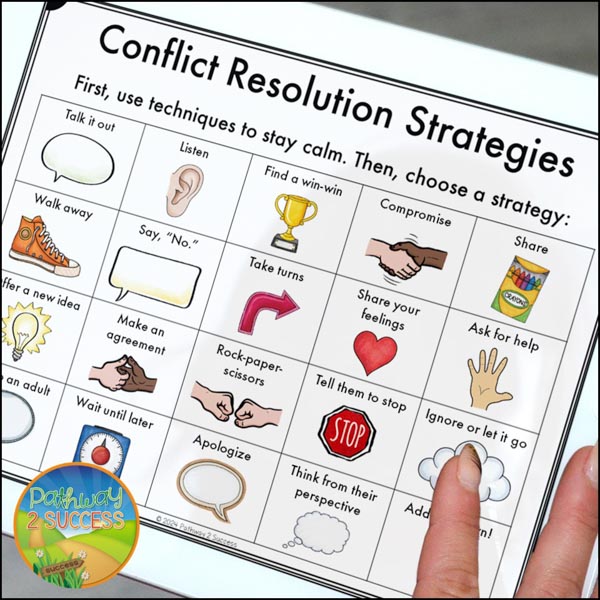
Furthermore, educators emphasize that different situations call for entirely different approaches. For instance, two peers who disagree on an academic problem may need to engage in active listening and compromise. Conversely, a student facing peer pressure to share answers on a project must learn to advocate for themselves by asserting a firm, respectful refusal. Finding the appropriate response for each unique situation requires continuous practice, reflection, and guidance within a supportive educational environment.
Managing Stress and Activating Inner Calm
To manage conflict effectively, students must first achieve a state of emotional and physiological calm. From a neurological standpoint, when an adolescent feels overwhelmed, stressed, or emotionally triggered, the amygdala—the brain’s survival and "fight, flight, or freeze" center—takes control. This primal response often leads to impulsive, reactive behavior rather than rational problem-solving. Conversely, when a student is calm and relaxed, the prefrontal cortex, which governs planning and decision-making, can properly function, allowing for clear thinking and sound judgment.
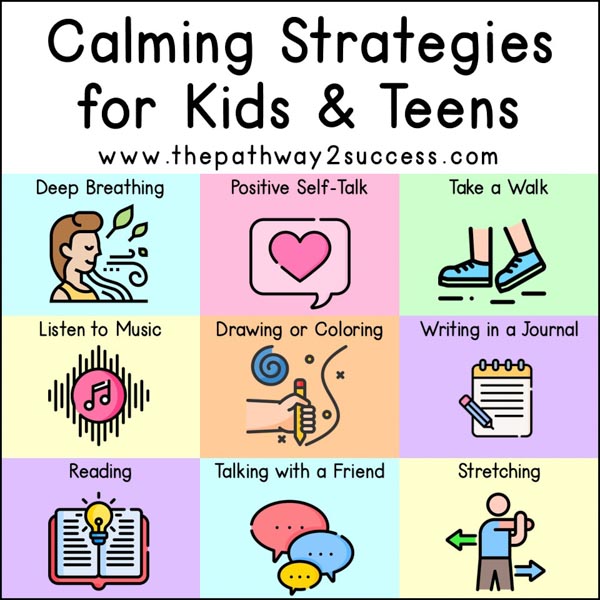
Given that middle and high school students possess developing brains, they frequently require additional support to regulate their nervous systems during stressful moments. Educators help students build inner calm through techniques such as controlled deep breathing, positive self-talk, peer communication, and reflective journaling. Many classrooms seamlessly integrate these calming practices by utilizing them as brief transitions or brain breaks between demanding academic tasks, ensuring students develop a familiar repertoire of soothing techniques to draw upon during high-stress scenarios.
Engaging Through Scenarios, Class Meetings, and Self-Advocacy
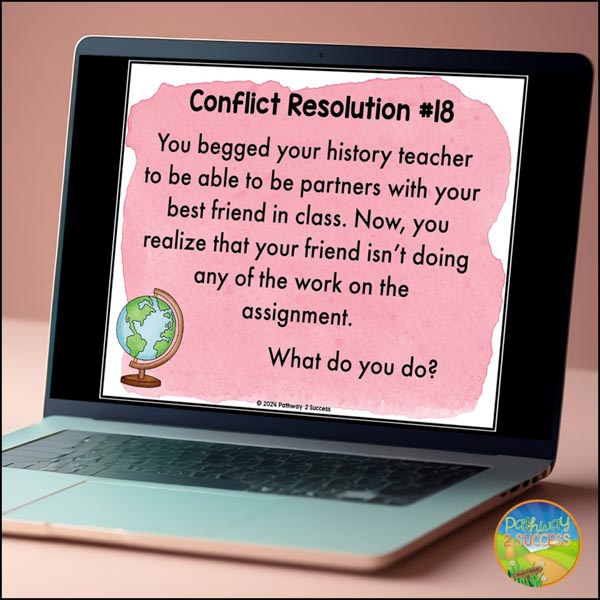
To bridge the gap between theory and real-world application, educators frequently introduce realistic conflict scenarios into the curriculum. By examining hypothetical situations in a safe and supportive environment, students can analyze underlying problems and brainstorm constructive solutions collaboratively. Because complex interpersonal conflicts often yield multiple valid resolutions, these scenario-based discussions encourage vibrant dialogue about effective decision-making.
Similarly, structured class meetings provide an organized forum for students to address ongoing concerns, evaluate group dynamics, and collectively establish classroom norms. These discussions are closely intertwined with the development of self-advocacy. As teens navigate complex social landscapes, learning to advocate for their own needs—whether that means requesting additional help from a teacher when a concept is unclear or respectfully declining to participate in uncomfortable situations—remains paramount.
Respectful Discourse and Daily Reflection
Disagreements regarding preferences, opinions, and academic approaches are an inevitable part of the human experience. Teaching students how to voice differing opinions respectfully without resorting to hostility is a critical objective of modern secondary education. Educators encourage the use of constructive conversational framing, allowing students to express alternative viewpoints gracefully. High-interest discussion topics, ranging from popular culture to historical perspectives, often serve as engaging vehicles for students to practice respectful debate and active listening.
To reinforce these behaviors, many classrooms utilize visual reminders, such as dedicated bulletin boards and poster sets, which serve as constant reference points for peaceful resolution strategies. Finally, incorporating brief daily reflection periods into the conclusion of the school day enables students to evaluate their interpersonal interactions, assess what strategies proved effective, and identify areas for personal growth. Through sustained guidance, structured practice, and a supportive environment, young adults can master the art of resolving conflict constructively.