As the back-to-school season gets underway, educators and families alike are focusing on setting the stage for a productive academic year. While traditional academic subjects like mathematics, reading, and writing remain central to the curriculum, a growing body of educational insight highlights the foundational role that executive functioning skills play in a student’s daily classroom experience. Competencies such as planning, organization, time management, self-control, and sustained attention form the invisible architecture behind successful learning. When students possess a strong command of these skills, the transition into a new school year tends to unfold smoothly. Conversely, learners who struggle with executive functioning often face a rocky start, frequently experiencing the heightened stress of misplaced papers, confused schedules, and overwhelmed cognitive resources.
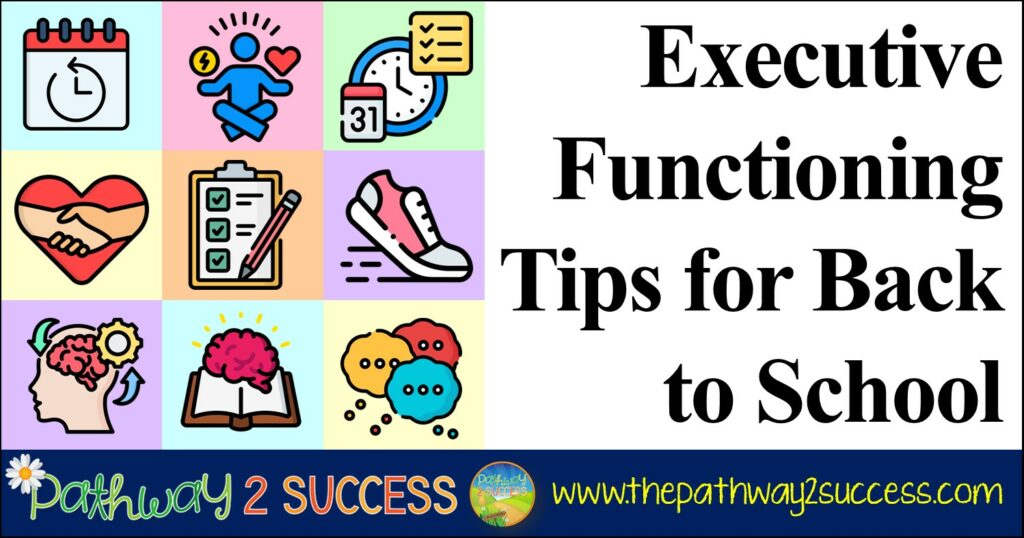
Educational experts emphasize that these challenges are not insurmountable. Rather than viewing executive functioning solely as an innate trait, educators have the opportunity to intentionally model, build, and strengthen these crucial capabilities from the very first day of the school year. By implementing targeted strategies early on, teachers can provide the necessary scaffolding for children and teenagers to navigate complex daily tasks and achieve long-term academic resilience.
Why Executive Functioning Skills Matter for Back to School
Executive functioning skills are the mental processes that enable individuals to plan, focus remember instructions, and juggle multiple tasks successfully. While these cognitive abilities are essential year-round, the beginning of the academic year carries unique weight. Establishing robust executive functioning frameworks early sets a predictable, supportive tone that helps students manage the transition from summer relaxation to the structured demands of the classroom environment.
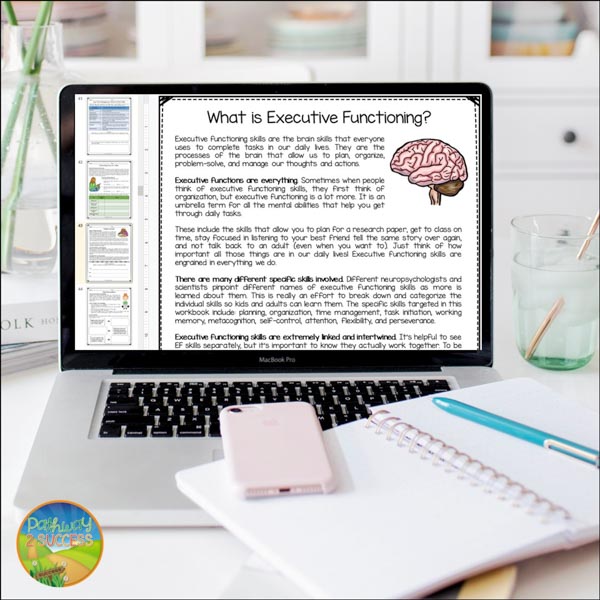
When schools prioritize these competencies from day one, students are better equipped to handle everyday challenges, regulate their emotional responses, and engage more deeply with academic content. Rather than leaving these skills to chance, proactive educators are weaving executive functioning support directly into the fabric of daily classroom life.
Developing Routines and Explicit Instruction
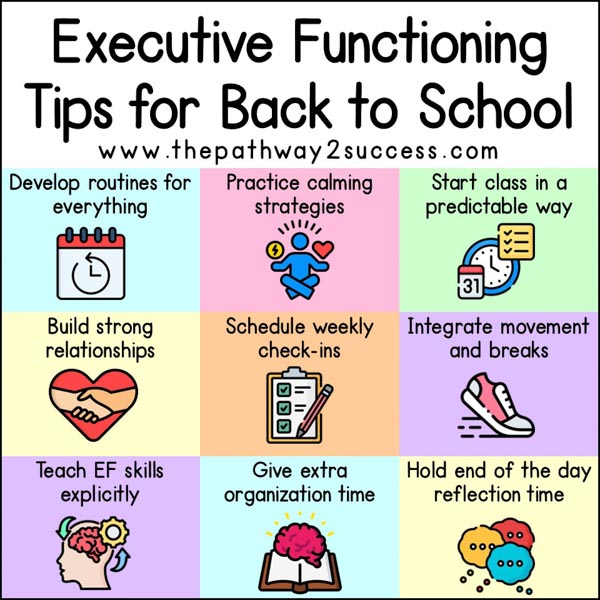
One of the primary methods for supporting executive functioning is the intentional development and practice of classroom routines. Starting the year with clear, predictable routines establishes structure and sets explicit expectations for how activities should unfold. Because learners cannot be expected to follow guidelines they do not fully understand, educators often begin by outlining regular classroom activities and breaking them down into simple, step-by-step procedures.
Practicing these routines repeatedly until they become second nature helps students internalize vital behaviors associated with organization, planning, self-control, and attention. This structured approach directly complements explicit instruction. Just as schools dedicate specific time to teaching reading comprehension or mathematical formulas, many classrooms now incorporate comprehensive executive functioning curricula to guide students through lessons dedicated specifically to self-regulation, perseverance, and goal-setting.
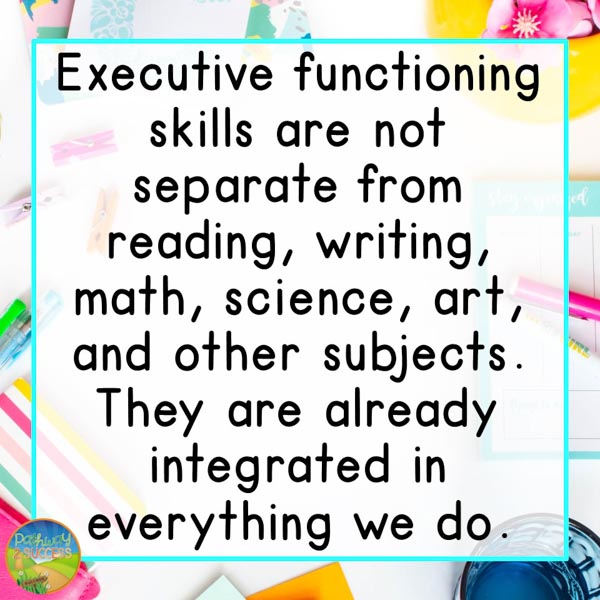
Rather than treating executive functioning as a separate domain, successful classrooms integrate these strategies directly into everyday subject matter. Whether students are outlining a research paper, organizing data in a science experiment, or working through multi-step math problems, teachers look for natural opportunities to discuss and practice the cognitive strategies required to complete the task.
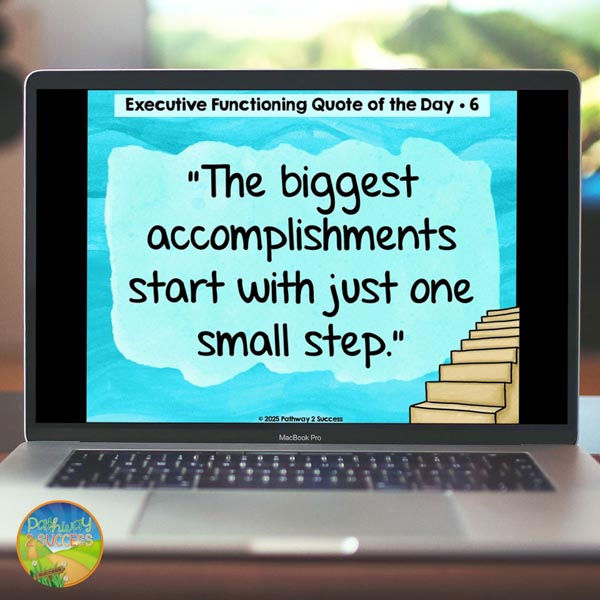
Fostering Calm, Connection, and Predictability
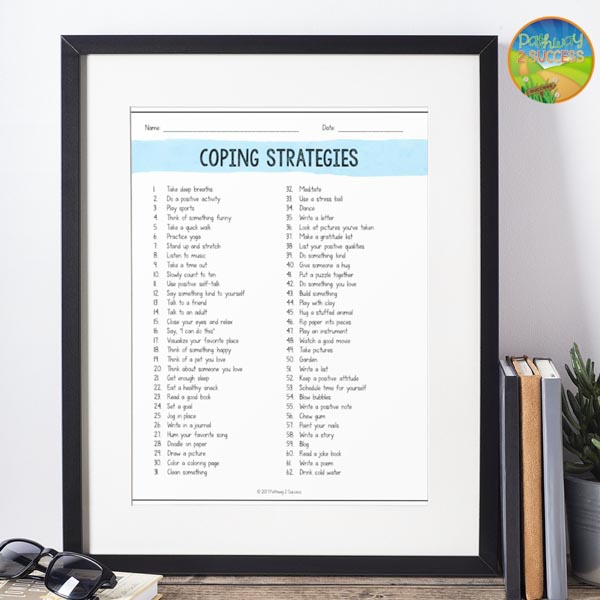
Cognitive performance is deeply tied to emotional well-being. Educators note that a calm mind and body are essential for students to stay focused, make sound choices, and absorb new information. Because children and teenagers often lack innate tools for emotional regulation, prioritizing evidence-based calming strategies from the start of the school year is vital. Simple grounding exercises, mindful breathing, and structured brain breaks can be utilized whenever students need a personal reset or a transition between demanding tasks.
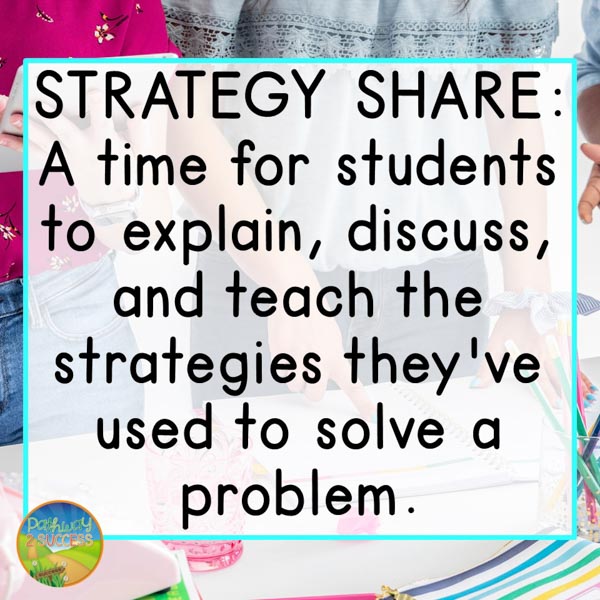
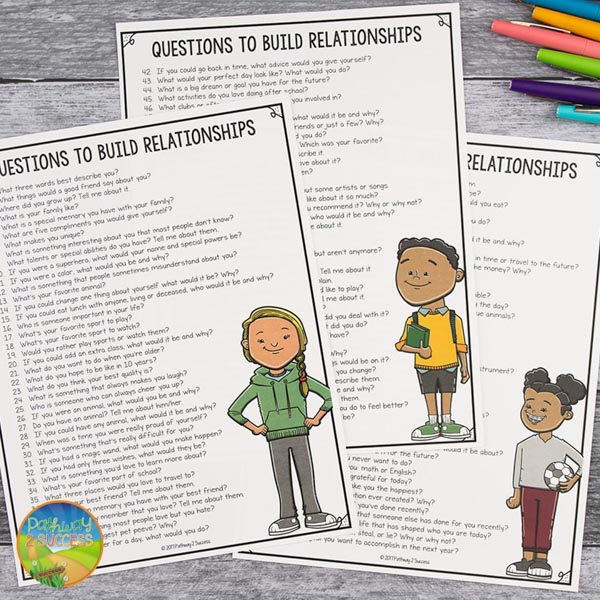
Alongside emotional regulation, classroom environment and interpersonal relationships play a significant role. A well-organized physical classroom space helps students focus and reduces cognitive clutter, while actively building strong relationships—both between teachers and students, and among peers—creates a supportive community. A connected classroom encourages learners to take healthy academic risks, accept constructive feedback, and work collaboratively through challenges.
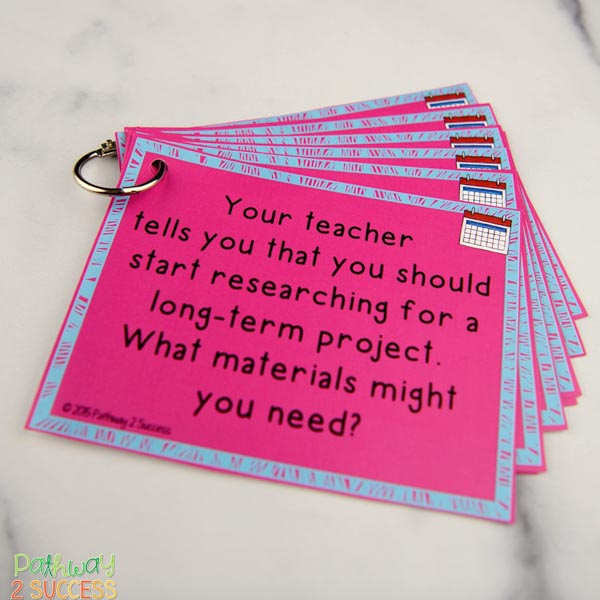
Predictability further reduces cognitive fatigue. Beginning the day with a consistent morning routine and maintaining a visible, reliable daily schedule frees up mental energy, allowing students to focus on learning rather than worrying about what comes next. When unavoidable schedule changes occur due to assemblies or special events, previewing these adjustments early helps mitigate anxiety and supports flexible thinking.
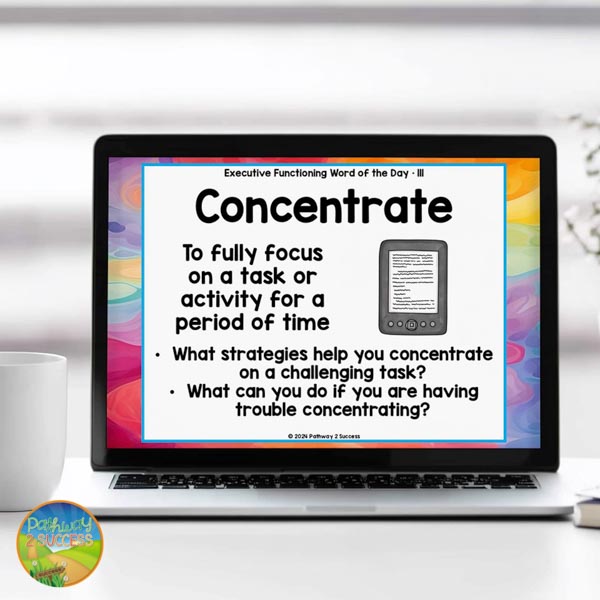
Cultivating Reflection and Self-Monitoring
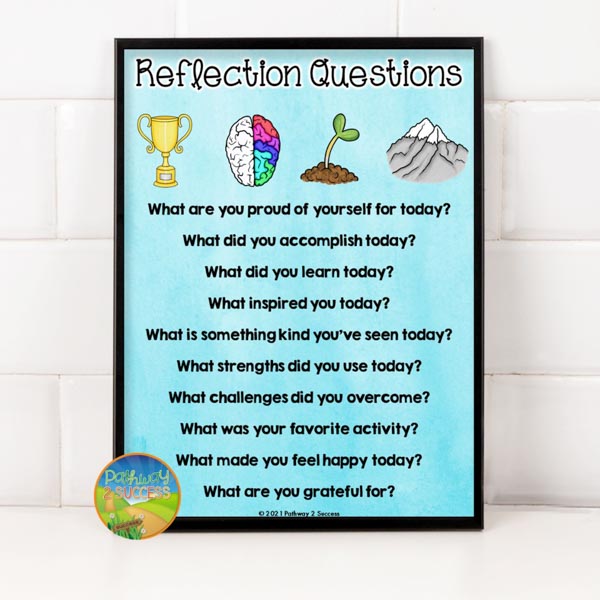
To foster long-term independence, educators are increasingly carving out space for strategy shares, self-monitoring, and daily reflection. Strategy shares allow students to articulate the specific methods they used to solve a problem, fostering peer learning and community empowerment. Similarly, regular self-monitoring techniques give students the tools to pause, check in with their progress, and adjust their approach if they begin to drift off track.
Integrating movement throughout the school day also serves as more than just a reward; it functions as an essential component of focus and self-regulation. By allowing students to move between learning stations or incorporate kinesthetic elements into academic tasks, classrooms support diverse learning styles and physical needs.
Weekly individual conferences and end-of-the-day reflection routines provide additional opportunities for students to evaluate their progress, celebrate small wins, and refine their strategies for the future. By maintaining open discussions about executive functioning challenges and modeling patience—both for students and for themselves—educators can build a resilient, adaptable learning environment designed to support every student through the ups and downs of the academic year.