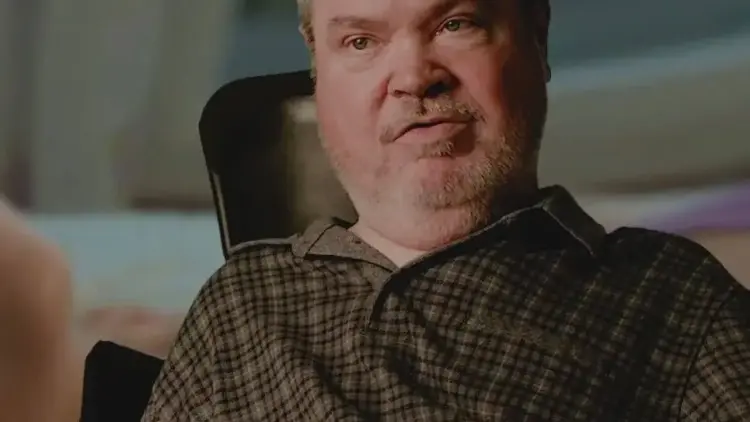
The disability community is mourning the loss of Mike Ervin, a brilliant advocate, writer, and organizer whose sharp wit, unwavering determination, and lifelong commitment to justice left an indelible mark on the fight for civil rights and societal inclusion. Throughout his life, Ervin possessed an unmistakable sense of humor paired with an unshakable belief that people with disabilities can and should have full, unhindered access to all that life has to offer. He lived the values he championed, demonstrating every day through his own life that an individual with significant disabilities could live fully, boldly, and entirely on their own terms.
As a powerful voice in the ongoing effort to reframe disability narratives, Ervin challenged conventional perceptions and confronted societal paternalism head-on. Many will remember him fondly and respectfully for his widely read and influential blog, Smart Ass Cripple, where he utilized his trademark candor and biting satire to critique institutional barriers, media misrepresentation, and the daily obstacles faced by disabled people. Through his writing and activism, he refused to let society gloss over the realities of disability, demanding instead that disabled individuals be recognized not as objects of pity or inspiration porn, but as autonomous citizens with full human rights.
Ervin’s legacy is rooted in concrete victories and grassroots organizing that fundamentally changed the landscape of accessibility. Among his many contributions, he founded a group called Jerry’s Orphans, a coalition organized to fight the profound harm caused by the Muscular Dystrophy Association Labor Day Telethon. For decades, the telethon format relied heavily on pity-driven tropes, framing disabled children and adults as tragic figures in need of a miracle cure rather than neighbors, colleagues, and equal members of society. Jerry’s Orphans sought to dismantle these damaging cultural narratives, culminating in 2005 with the release of the documentary film The Kids are All Right, which gave voice to the disability community’s critique of telethon culture and highlighted the demand for dignity over charity.

Long before the landmark Americans with Disabilities Act became federal law, establishing civil rights protections for millions of Americans, Ervin was already on the front lines of structural change. He was especially proud of the successful campaign he and fellow activists led to win accessible public transportation in Chicago. At a time when public transit systems were largely exclusionary and utterly inaccessible to people using wheelchairs and mobility devices, Ervin and his peers organized, protested, and negotiated to demand a right that many take for granted: the ability to board a bus or train and navigate their home city independently. That campaign proved that grassroots pressure could force massive municipal systems to bend toward equity and inclusion, laying crucial groundwork for the broader disability rights victories that followed.
Those who knew his work and his spirit note that Ervin’s impact extended far beyond any single campaign or organization. He was a mentor, a connector, and a relentless voice for equity who understood that true liberation requires structural transformation, cultural reframing, and community solidarity. His passing marks the loss of a giant within the disability community, yet the foundation he helped build remains robust, sustained by the countless activists, writers, and organizers he inspired over the course of his remarkable life.
Organizations and community members wishing to learn more about his profound impact and enduring legacy are invited to read the detailed tribute published by Access Living, which honors his remarkable life and his relentless pursuit of a more just and accessible world.