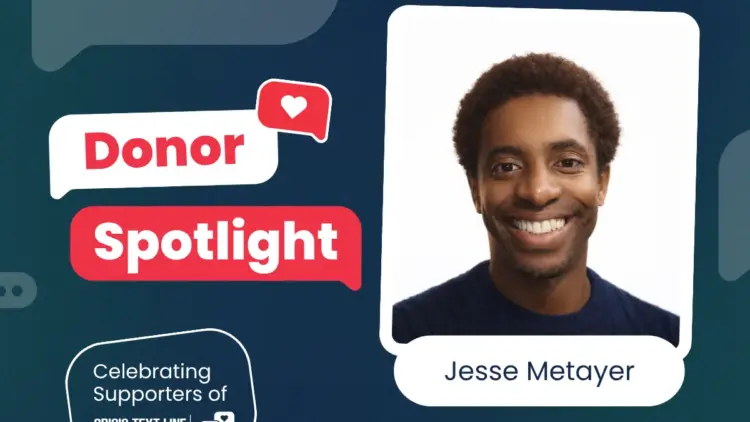
Every text message received by crisis intervention services is answered because someone believed it mattered enough to make it possible. For Crisis Text Line, that driving force is personified by individuals like Jesse Meyer. Operating simultaneously as a donor, a volunteer, and a vocal mental health advocate, Meyer’s ongoing financial generosity and personal dedication help train the Crisis Counselors who field urgent messages from texters navigating their hardest moments.
Meyer’s journey toward becoming a pillar of support for others is rooted in his own path through adversity, personal transformation, and the eventual dismantling of deep-seated stigmas regarding mental health care.
Overcoming Isolation and the Stigma of Therapy
Reflecting on his early years, Meyer shares that he spent a significant portion of his childhood feeling fundamentally different from his peers. Throughout school, he was placed in learning disability classes and expended considerable emotional energy trying to hide how difficult everyday academic and social tasks were for him. The compounding pressures ultimately led him to drop out of college at the age of eighteen, triggering a period of intense isolation.
In what he describes as his darkest moment, Meyer felt as though all hope had vanished. Faced with overwhelming despair, he made the pivotal decision to reach out for professional help. That single step fundamentally altered the trajectory of his life.
His therapist listened with deep empathy, providing the emotional support and practical resources that allowed Meyer to gradually rebuild his mental health and regain his footing. The experience served as an awakening, demonstrating the critical importance of seeking professional intervention when personal hardships feel insurmountable.
Before that experience, Meyer admits he subscribed to a common and harmful societal misconception: the belief that therapy was exclusively meant for individuals dealing with severe mental illnesses. Experiencing the benefits of professional guidance firsthand taught him that this stigma is entirely untrue. Anyone, at any given moment, can experience profound difficulties in life, and asking for help is a universal human right rather than a sign of weakness.
Transforming Crisis Into Clarity Through Training
That personal breakthrough planted the seeds for Meyer’s eventual involvement with Crisis Text Line, an organization that provides free, 24/7 mental health support to individuals in distress. After completing the organization’s rigorous, free six-week training program, Meyer stepped into the role of a Crisis Counselor.
The training equipped him with specialized emotional techniques and communication strategies that he regularly puts into practice with texters reaching out for immediate help. By applying these methods, Meyer has successfully navigated volatile situations, transforming what he calls "hot moments" during initial conversations into "cool moments" of de-escalation. By the end of these exchanges, he works to guide texters toward a place of emotional stabilization and empowerment.
For Meyer, the work brings a profound sense of satisfaction, rooted in the tangible difference he makes in the lives of strangers during their most vulnerable hours.
Supporting mental health initiatives holds immense personal significance for Meyer, particularly when it comes to crisis intervention. He notes that individuals suffering from acute emotional distress are often the people we encounter first in our daily lives, whether personally or professionally. Being trained to support brave individuals by guiding them through acute crises—and ultimately encouraging them to seek ongoing professional help after their conversation concludes—has transformed his perspective on human communication.
Through his work as a counselor, Meyer discovered that active listening is not an innate trait, but a learned skill that cultivates patience and sharpens critical thinking. It enables individuals to truly comprehend a person’s words, underlying emotions, and unmet needs without leaping to premature conclusions.
The Reciprocal Impact of Compassion and Giving
The impact of volunteering extends far beyond the individuals sending text messages; it offers a profound sense of personal validation for Meyer as well. Being there for texters reassures them that confidential support is available at any time of day or night, entirely free of charge. Hearing expressions of gratitude from texters at the end of a conversation validates his efforts and reinforces his self-worth. By simply being present and extending compassion, Meyer realizes he has the power to help someone weather a severe storm.
When evaluating his philanthropic priorities, Meyer emphasizes why Crisis Text Line remains central to his charitable giving. He believes deeply in the tangible impact of helping people in urgent need, particularly through a platform that maintains a 24/7, zero-cost model. Through his participation as both a donor and a volunteer, Meyer has strengthened his own listening skills and empathy while delivering nonjudgmental support. He credits much of this growth to the availability of supportive coaches and supervisors within the organization who are always ready to answer questions and provide guidance.
Giving back has also permanently altered how Meyer handles interpersonal conflict and personal stress in his everyday life. He has trained himself never to make significant decisions when his emotions are running high. By intentionally slowing down, he clears his mind and sharpens his critical thinking, bringing that same cultivated patience and empathy to stressful situations in his professional and personal spheres.
Volunteering has taught him the vital importance of listening before judging, a practice that prevents unfair misunderstandings and fosters deeper understanding when helping friends and family members navigate their own challenges.
Sustaining Hope Through Community and Personal Projects
For those considering financial support or volunteering for Crisis Text Line, Meyer offers a clear and impassioned perspective. He points out that donors and volunteers serve as the invisible backbone of the platform, keeping it free and fully operational around the clock for individuals dealing with disasters, systemic poverty, war, and other profound hardships. Keeping emotional assistance free ensures that those who need help the most are never barred from receiving care simply because they cannot afford it.
For anyone currently struggling, Meyer shares a reassuring message drawn from his own life story: you are never alone, and reaching out is always the first courageous step toward hope.
To maintain his own mental health and sustain his advocacy work, Meyer relies on a balanced routine of community engagement, creative outlets, and physical wellness. He remains active in his church, dedicates time to volunteering with Crisis Text Line, and pours his energy into personal creative endeavors, such as developing the StarTalk app, which brings him a deep sense of joy and tranquility. He also stays grounded by regularly visiting the gym and taking long, contemplative walks through local parks, ensuring he remains centered and ready to show up for others when they need it most.