As a diverse group of young adults comes together within the modern middle and high school classroom, interpersonal friction is an inevitable part of the daily routine. Whether it is a science group debating the most effective methodology for a collaborative project, a student feeling isolated because peers prefer not to partner with them, or a learner experiencing frustration when interrupted during a discussion, minor misunderstandings routinely blossom into classroom friction. However, educators and child development advocates emphasize that the ultimate objective of modern education is not to eradicate disagreements entirely, but rather to equip adolescents with the practical tools necessary to navigate and resolve these challenges independently and constructively.
Rather than viewing conflict exclusively as a disruptive force, pedagogical experts are increasingly reframing it as a vital opportunity for social-emotional learning. When students learn to talk through disagreements with group members, communicate boundaries with friends, and work through interpersonal problems, they build foundational competencies that extend far beyond the academic curriculum. By shifting the focus from a purely reactive disciplinary model to a proactive instructional approach, schools are discovering that intentional conflict resolution strategies serve as critical catalysts for overall student success, emotional maturity, and community well-being.
Why Focus on Conflict Resolution Strategies?
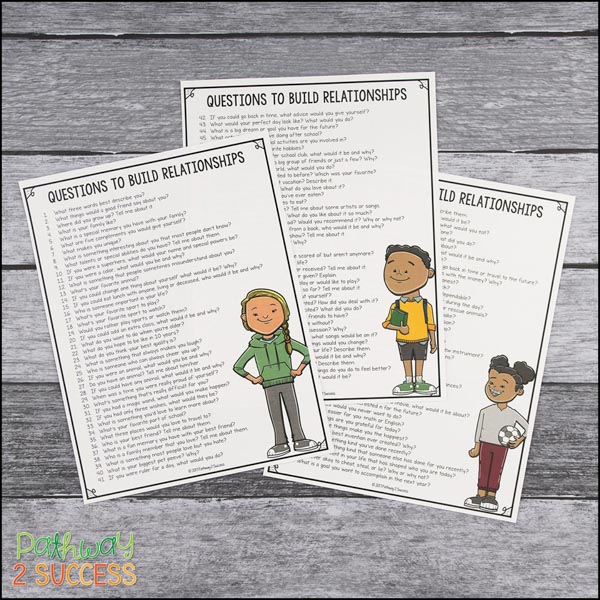
Implementing structured conflict resolution initiatives yields profound benefits for adolescents, whose developing brains are continually adapting to complex social environments. One of the primary starting points for building these essential skills is the intentional cultivation of classroom relationships. Navigating interpersonal problems is inherently challenging—a reality that persists throughout adulthood—making it vital for young adults to feel genuinely connected to their peers and educators. When students experience a strong sense of belonging and community, the psychological barrier to resolving disagreements diminishes significantly. Educators frequently foster these vital connections by embedding daily group conversations and targeted relationship-building questions into their routines, thereby opening the door to meaningful dialogue before conflicts even arise.
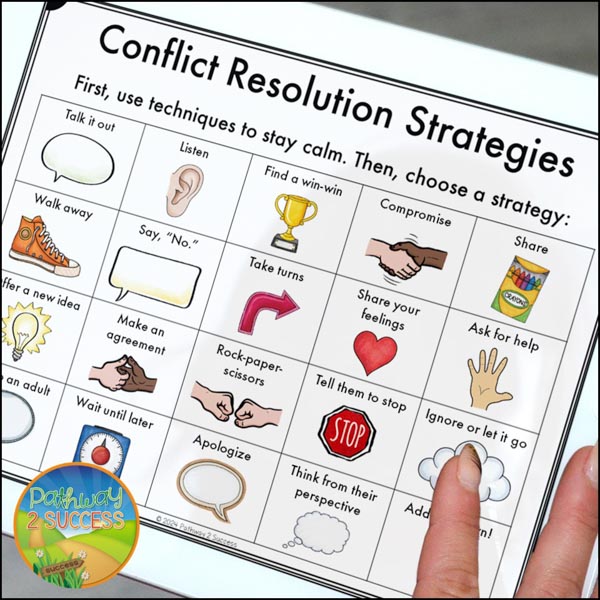
In addition to strengthening relationships, educators are stressing the importance of explicitly teaching conflict resolution strategies as a proactive measure. By preparing students ahead of time, teachers convey the healthy message that conflict is a natural component of human interaction. Experiencing and working through disagreements helps adolescents articulate their needs, understand opposing perspectives, and collaborate more effectively. Furthermore, students quickly learn that a one-size-fits-all approach does not apply to every situation. While two peers who disagree on a math problem might benefit from active listening and open negotiation, a student facing undue peer pressure can practice assertive self-advocacy by firmly establishing personal boundaries. Navigating these distinct scenarios requires ongoing practice and exposure within a safe environment.
The Science of Calm and Active Listening
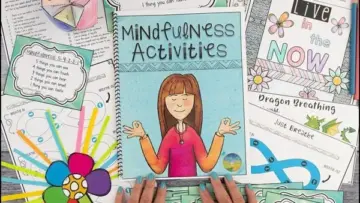
At the heart of effective conflict resolution lies the neurological reality of emotional regulation. To manage a dispute constructively, students must first achieve a state of calm. Neuroscientists note that when adolescents feel overwhelmed, anxious, or deeply upset, the amygdala—the brain’s emotional flight, fight, or freeze center—takes control, often resulting in impulsive and reactive behaviors. Conversely, when a student is relaxed and grounded, the prefrontal cortex, which governs planning and decision-making, resumes command. Because young adults have developing brains that require additional support during periods of high stress, educators are increasingly integrating calming techniques such as controlled deep breathing, positive self-talk, and reflective writing into the school day as routine brain breaks.
Coupled with emotional regulation is the practice of active listening, defined as the intentional process of genuinely hearing and processing another person’s perspective with the sole aim of understanding. Because active listening does not come naturally to developing adolescents, educators weave listening exercises directly into daily academic content. When students learn to listen without immediately formulating a rebuttal, the entire dynamic of classroom discourse shifts. This active engagement creates a supportive atmosphere where students feel valued and heard, laying the groundwork for respectful dialogue even when opinions clash sharply.
Simulating Real-World Scenarios and Fostering Self-Advocacy
To bridge the gap between abstract theory and real-world application, many middle and high schools utilize conflict scenarios. By examining hypothetical or real-life situations within a controlled and supportive setting, students can analyze problems and brainstorm healthy resolution strategies without the immediate pressure of high-stakes emotions. Because complex social situations frequently feature multiple viable solutions, evaluating these scenarios encourages rich classroom conversations about appropriate courses of action and the underlying reasoning behind them.
These discussions naturally intersect with the development of self-advocacy. As teens navigate the complexities of peer relationships, mastering the ability to advocate for their own needs is paramount. Whether a student needs to request academic assistance from an educator after struggling with a difficult concept or articulate a clear, respectful refusal when made to feel uncomfortable, self-advocacy and conflict resolution remain deeply interconnected skills. Schools foster these capabilities by encouraging open communication, providing safe avenues for students to voice concerns, and embedding problem-solving activities directly into the curriculum.
Encouraging Respectful Discourse and Daily Reflection
Disagreements regarding preferences, ideas, or methodologies are a universal aspect of human experience. To prevent these ordinary differences from escalating into hostility, classrooms are actively practicing the art of disagreeing respectfully. By introducing structured phrasing and high-interest discussion prompts—ranging from debates over historical inventions to inquiries regarding favorite genres of music—students practice the delicate balance of defending a personal viewpoint while honoring the dignity of a peer. This ongoing practice helps normalize the coexistence of differing opinions within a shared space.
To reinforce these behaviors, educators utilize visual reminders such as dedicated bulletin boards and classroom posters, which serve as constant, passive prompts for peaceful problem-solving. Finally, the school day often concludes with dedicated reflection time. By allocating the final moments of the day to reflective inquiry, students evaluate what strategies proved effective, identify areas where communication faltered, and take personal ownership of their actions. Through this continuous cycle of instruction, practice, and reflection, middle and high schools are successfully guiding young adults toward becoming more communicative, resilient, and empathetic members of their communities.