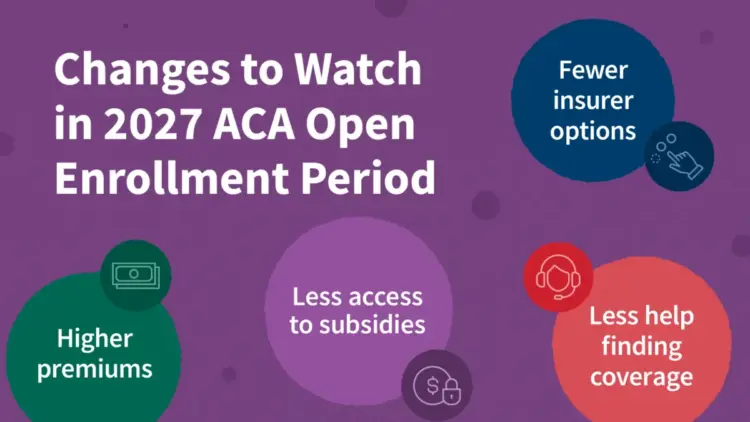
As the Affordable Care Act (ACA) Marketplace open enrollment period for the 2027 plan year gets underway on November 1, 2026, in most states, millions of consumers are preparing to navigate a significantly transformed health insurance landscape. Following the expiration of enhanced premium tax credits, the implementation of provisions from the 2025 federal budget reconciliation law—commonly referred to as the "One Big Beautiful Bill Act"—and shifting regulatory frameworks introduced by the Trump administration, the upcoming coverage year brings a complex mix of higher costs, tighter eligibility rules, and ongoing legal challenges.
To make sense of the shifting environment, healthcare analysts and policy experts have outlined nine crucial developments defining the 2027 open enrollment season.
Premiums Surge by Double Digits as Subsidies Cushion the Blow for Most
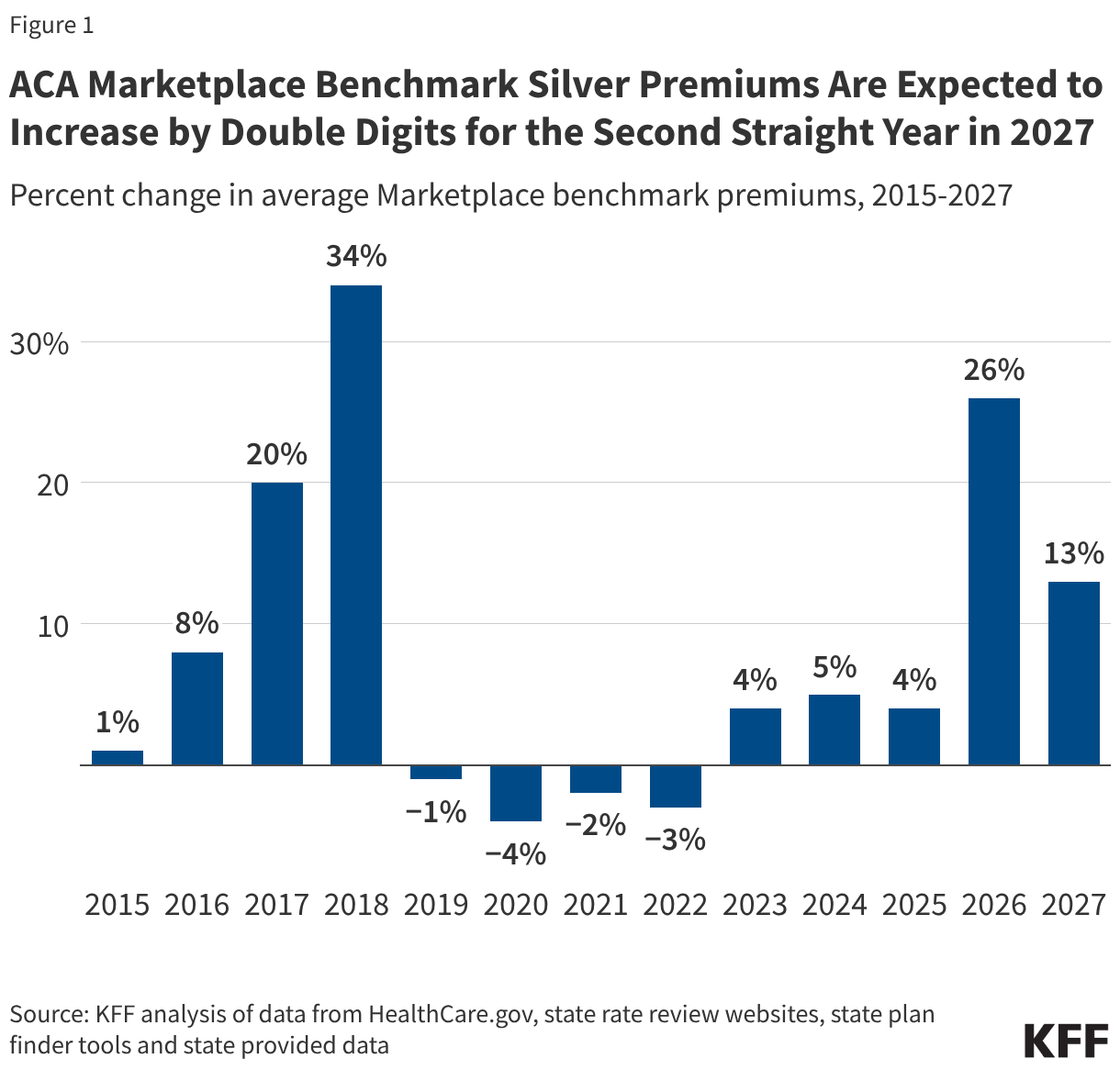
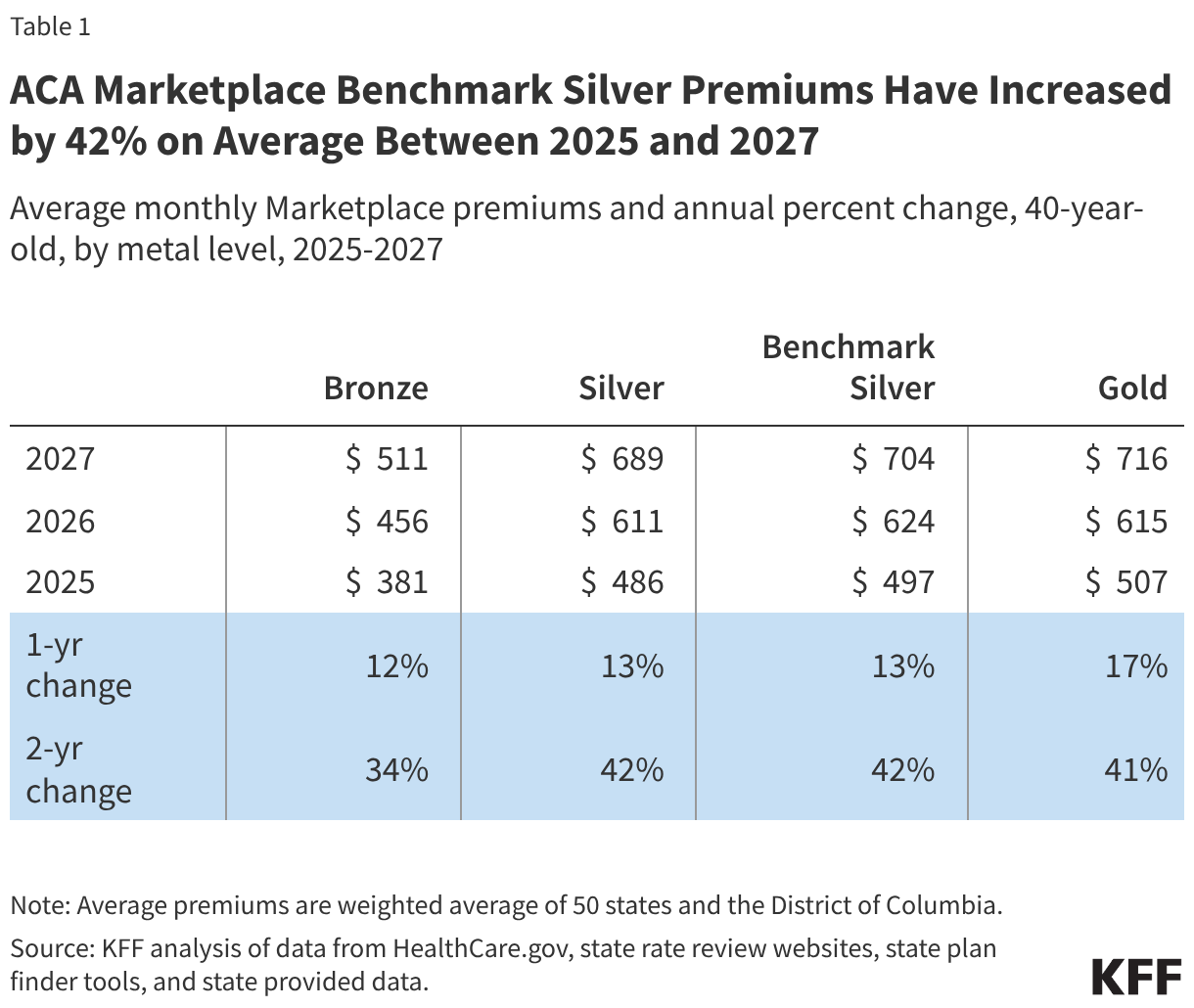
Consumers returning to the Marketplace will find that insurance costs are climbing steeply for the second consecutive year. While health insurers initially proposed a median premium increase of 15%, finalized benchmark silver premiums for 2027 show an average rise of 13%. This follows a sharp 26% jump in benchmark premiums from 2025 to 2026.
The trajectory varies by state governance structure. In states utilizing the federally facilitated Healthcare.gov platform, benchmark silver premiums are increasing by 11%. Meanwhile, states that operate their own independent enrollment platforms are seeing average premium increases of 16%. In comparison, from 2025 to 2026, HealthCare.gov states experienced a 30% surge, while state-based marketplaces saw roughly a 17% increase.
Insurers attribute the rising rates to a higher-than-usual escalation in the underlying cost of medical care—a trend mirroring steep increases seen across employer-sponsored health plans. Additionally, carriers point to the expiration of enhanced premium tax credits and the resulting shifts in the risk pool as major cost drivers. KFF analyses of insurer filings indicate that risk pool changes added approximately four percentage points to premiums in 2026, with a similar upward effect anticipated for 2027.
While subsidies will continue to shield most enrollees from the full brunt of these hikes, individuals with household incomes exceeding 400% of the federal poverty level (FPL) will face the harshest financial impact. Because they no longer qualify for premium tax credits under current rules, these consumers must pay the full cost of coverage. Analysts warn that consecutive years of double-digit premium increases could drive healthier enrollees to drop coverage entirely, further destabilizing the risk
pool and exerting additional upward pressure on future rates.
Enrollment Declines Follow the Expiration of Enhanced Tax Credits
Marketplace enrollment has already begun to contract in the wake of expired enhanced premium tax credits, and projections suggest the downward trend will persist. During the 2026 open enrollment period, total plan selections fell by 1.2 million compared to 2025. By February 2026, effectuated enrollment—representing individuals who actually paid their premiums and maintained coverage—dropped by 12%, or 2.6 million people, bringing the total down to 19.2 million.
Broader individual market data, which encompasses both Marketplace plans and policies purchased directly through insurers or brokers, indicate an even steeper contraction. By June 2026, total individual market enrollment fell by 18%, dropping from 25.2 million to 20.5 million people—a net loss of more than 4.6 million participants.
Looking toward 2027, several insurance carriers anticipate continued market deterioration as the loss of enhanced tax credits fully resonates across households. Furthermore, new anti-fraud initiatives and stricter tax credit eligibility rules for certain immigrants are expected to put additional downward pressure on enrollment numbers. In its latest baseline projections, the Congressional Budget Office (CBO) estimates that ACA Marketplace enrollment will fall from a peak of 22.4 million in 2025 down to 13.1 million by 2027.
Insurer Exits Outnumber New Entrants Across States
The number of insurance carriers participating in the ACA Marketplaces is projected to shrink again for the 2027 plan year. As of late October 2026, 11 carriers had announced plans to withdraw from at least one state market, while only seven carriers announced intentions to enter a new state.
Shrinking enrollment pools following the expiration of enhanced tax credits have reduced the viable market for insurers, raising long-term concerns regarding risk pool stability. While market impacts vary significantly by region, consumers in certain areas will face diminished choices. Major national carriers, such as Cigna, are pulling out of the individual market entirely across all 11 states where they currently operate. Industry experts note that these insurer exits frequently reduce local market competition, leave consumers with fewer choices for provider networks, and cause coverage disruptions for existing policyholders.
State-Based Exchanges Move to Backfill Lost Federal Subsidies
In response to the expiration of enhanced federal tax credits, several states operating their own independent health insurance exchanges have stepped in with state-funded subsidy programs to protect local consumers.
New Mexico established the most comprehensive state-level backstop in 2026, fully replacing the lost federal assistance for Marketplace enrollees. Consequently, while national enrollment fell, New Mexico actually experienced Marketplace growth during the 2026 open enrollment period and is maintaining its financial assistance for 2027.
Other states that offered more limited relief in 2026 are expanding their programs for the upcoming year. California is continuing its state-funded premium subsidies while expanding eligibility to partially backfill lost enhanced tax credits for households with incomes between 165% and 200% of the FPL. Previously, state assistance was restricted to households earning between 138% and 165% of the FPL.
Other states have maintained existing programs or introduced new mechanisms. New Jersey has preserved its state subsidy framework, while Rhode Island and Virginia rolled out new state-specific premium savings options for the 2027 plan year. Although these localized efforts offer a lifeline to consumers in participating states, the availability and depth of financial support vary widely based on geography and income level.
Federal Anti-Fraud Initiatives Impact Enrollment Counts and Broker Access
Federal efforts to crack down on unauthorized brokerage practices and fraudulent enrollments are reshaping the administrative landscape for the 2027 open enrollment cycle. While these initiatives aim to protect consumers, they have also created friction for individuals relying on broker assistance.
In September 2026, the Department of Health and Human Services (HHS) reported that it canceled coverage for approximately 760,000 individuals identified as "phantom" enrollees—consumers who had been signed up by agents or brokers without their knowledge or consent. CMS flagged roughly 1.2 million accounts featuring missing Social Security numbers, unverified immigration documents, and no premium payments, ultimately canceling policies where insurers could not verify valid claims or contact the policyholder. While these actions targeted bad actors, subsequent reports indicated that some legitimate enrollees were mistakenly flagged and lost coverage, though appeals and reinstatement efforts remain ongoing for affected consumers.
Concurrently, HHS has enacted stricter conduct standards for agents, brokers, and web-brokers to curb deceptive marketing tactics. Prohibited practices now include offering cash rebates or equivalents to entice sign-ups, falsely guaranteeing zero-dollar insurance premiums, and misrepresenting enrollment deadlines. Furthermore, HHS implemented a temporary moratoria halting the registration of new agents and brokers in federally facilitated marketplaces until February 2027, preventing roughly 19,000 new agents from entering the system. Combined with previous funding reductions for the Navigator assistance program, consumer advocates warn that enrollees may face reduced access to trusted guidance this season.
Policy Changes Restrict Subsidies for Lawfully Present Immigrants
While lawfully present immigrants remain legally eligible to purchase ACA Marketplace coverage, statutory changes are sharply narrowing their access to financial assistance. The 2025 federal budget reconciliation law restricts premium tax credit eligibility to specific categories of lawfully present immigrants, such as lawful permanent residents (green card holders) and individuals on work visas.
Other categories of lawfully present immigrants—including refugees, asylees, and victims of human trafficking—retain the right to purchase Marketplace plans, but they are no longer eligible for premium tax credits. Without the cushion of subsidies, many individuals in these groups are expected to find coverage unaffordable and drop their plans. The CBO projects that this specific provision will result in one million additional individuals becoming uninsured by 2035.
Elimination of Repayment Limits Introduces Financial Risk for Enrollees
Beginning with the 2026 tax year—with tax filings occurring in early 2027—Marketplace enrollees will face the elimination of statutory limits that previously capped how much consumers had to repay in excess premium tax credits if their incomes rose during the year.
Because the upcoming open enrollment period precedes the first round of tax filings under these uncapped rules, consumers will select 2027 plans without having experienced the practical consequences of the policy shift. Households whose actual incomes exceed their initial projections could face substantially larger tax liabilities than anticipated. Financial counselors emphasize that accurately estimating modified adjusted gross income (MAGI) and promptly reporting mid-year income changes will be critical, particularly for individuals hovering near income thresholds for tax credits or cost-sharing reductions.
Some enrollees may mitigate their tax exposure by utilizing tax-advantaged accounts, such as traditional individual retirement accounts (IRAs) or health savings accounts (HSAs), to lower their adjusted gross income. However, HSA contributions remain restricted to individuals enrolled in high-deductible, HSA-eligible health plans, and many low- and middle-income consumers lack the disposable funds required to make meaningful contributions.
Medicaid Work Requirements Link Coverage Losses to Tax Credit Ineligibility
Starting in January 2027, the implementation of broader federal work requirements across state Medicaid programs will introduce a new barrier to subsidized health coverage. Under the 2025 budget reconciliation law, 43 states and the District of Columbia are required to implement Medicaid work requirements by the beginning of 2027.
Under these rules, consumers who are denied or removed from Medicaid coverage solely for failing to meet work requirements will simultaneously be rendered ineligible for subsidized ACA Marketplace plans in those states. Previously, individuals losing Medicaid could seamlessly transition to subsidized Marketplace coverage provided they met general income criteria. Because Medicaid eligibility is determined by monthly income while Marketplace subsidies rely on annual projections, the intersection of these rules is expected to complicate coverage transitions, particularly for individuals experiencing sudden job losses who struggle to navigate complex reporting mandates.
Ongoing Litigation Halts Several Key Marketplace Regulations
The rollout of Marketplace rules for 2027 continues to be shaped by active federal litigation challenging major regulatory packages, including the 2025 program integrity rule and the HHS Notice of Benefit and Payment Parameters for 2027.
Multiple legal challenges, notably consolidated under cases such as City of Columbus et al. v. Kennedy and California et al. v. Kennedy, have successfully paused the implementation of several controversial administrative provisions as court proceedings continue. Legal analysts note that while the broader open enrollment timeline and statutory framework established by Congress remain in effect, the ultimate enforcement of specific compliance standards and administrative safeguards will depend heavily on upcoming judicial rulings working their way through the federal courts.