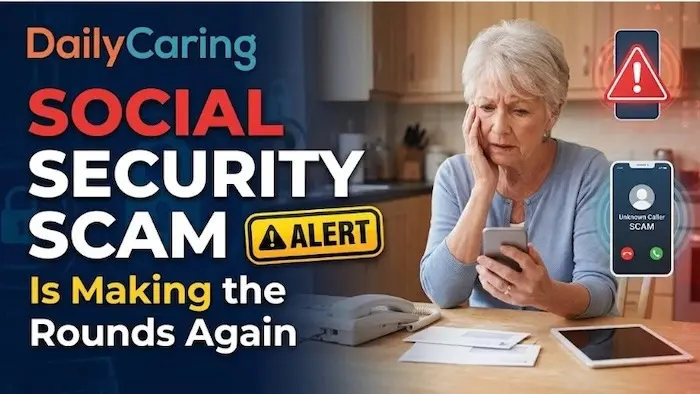
WASHINGTON — Federal regulators are issuing urgent warnings to older adults and family caregivers following a sharp increase in sophisticated phishing scams involving fraudulent Social Security statement notifications. The deceptive emails, which mimic official government communications, are designed to trick recipients into clicking malicious links that harvest sensitive personal data and compromise financial accounts.
Caring for an older adult frequently requires navigating complex medical schedules, daily routines, and delicate financial management. In recent months, internet fraudsters have introduced a deceptive twist to traditional government imposter scams, sending fake Social Security statement notifications straight to the inboxes of seniors and their family members. Because many older adults routinely track their benefits or annual cost-of-living adjustments online, an official-looking alert announcing that an updated statement is ready for review can easily feel like a standard, urgent administrative task. Unfortunately, interacting with these fraudulent messages can lead directly to identity theft and compromised financial accounts.
According to formal alerts issued by the Social Security Administration Office of the Inspector General, the criminal scheme typically begins with an unsolicited email claiming that a loved one’s latest Social Security statement is available for download. Cybercriminals routinely copy official government logos, agency typography, and standard structural layouts to make the messages appear identical to legitimate communications. These emails often pressure recipients to click an embedded link or open an attached file immediately.
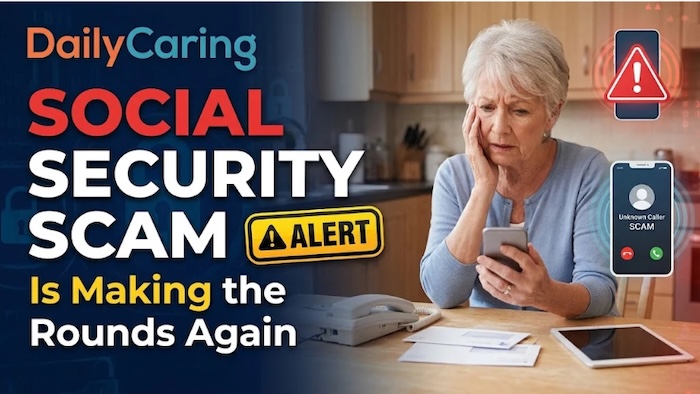
When victims click these links, they are redirected to counterfeit landing pages crafted to look like official government web portals. These fake sites prompt seniors to sign in, subsequently harvesting their Social Security numbers, login credentials, and banking details. In other instances, opening an attached file installs malicious software directly onto the device, granting scammers backdoor access to personal files and private data.
To help the public distinguish between authentic communications and fraudulent attempts, federal agencies and consumer advocates have highlighted several key differences. Legitimate emails from the Social Security Administration originate strictly from web domains ending in ".gov," whereas phishing scams typically rely on free webmail or spoofed lookalike domains. Furthermore, real agency communications never include direct links to document downloads or statements; instead, they provide neutral courtesy notices instructing users to check their secure online Message Center. While fraudulent messages often employ high-pressure tactics, such as threatening benefit freezes or suspensions, legitimate administration notices maintain a professional, non-punitive tone and never request sensitive information like Social Security numbers, bank details, or passwords via email.
Cybersecurity specialists and consumer advocates emphasize that caregivers and older adults can easily protect themselves by adopting a strict browsing habit known as "Type, Don’t Tap." Rather than clicking links embedded within an unexpected email, individuals should open a clean web browser window and manually navigate to the official online portal. From there, users can securely log in to view official benefit statements, review earnings history, and check their Message Center safely.

For families assisting older adults with administrative tasks, experts recommend taking a few proactive steps, such as checking spam filters, bookmarking the genuine agency portal, and establishing a clear family rule never to click links in unexpected emails concerning money or government benefits.
If a loved one has inadvertently clicked a suspicious link, downloaded an attachment, or entered personal information into a questionable form, swift action is essential to prevent or mitigate identity theft. Families are advised to secure their accounts immediately by updating passwords, notifying financial institutions, and monitoring credit reports closely for unauthorized activity.
Navigating the day-to-day responsibilities of caregiving is challenging enough without the added burden of digital traps targeting family inboxes. Because aging adults rely heavily on fixed retirement income, sudden notifications regarding benefits naturally trigger concern, making deceptive statement notices particularly insidious for vulnerable populations. By establishing simple defensive routines—such as refusing to click links in unexpected messages and always logging directly into the official administration portal—families can effectively neutralize the tactics these fraudsters rely upon, safeguarding their peace of mind and hard-earned financial security.