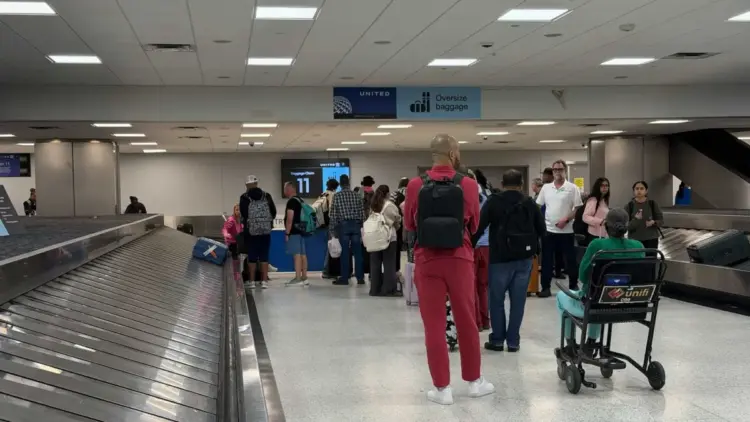
For travelers with disabilities, boarding a commercial flight involves a unique brand of anxiety that has little to do with delays, turbulence, or middle seats. The most harrowing part of the journey often occurs entirely out of sight: the gate-checking and handling of an expensive, highly customized, and essential mobility device. For one frequent flyer, this reality was underscored once again after a brand-new, custom power wheelchair was damaged on a routine domestic trip, marking yet another chapter in a relentless cycle of airline mishandling.
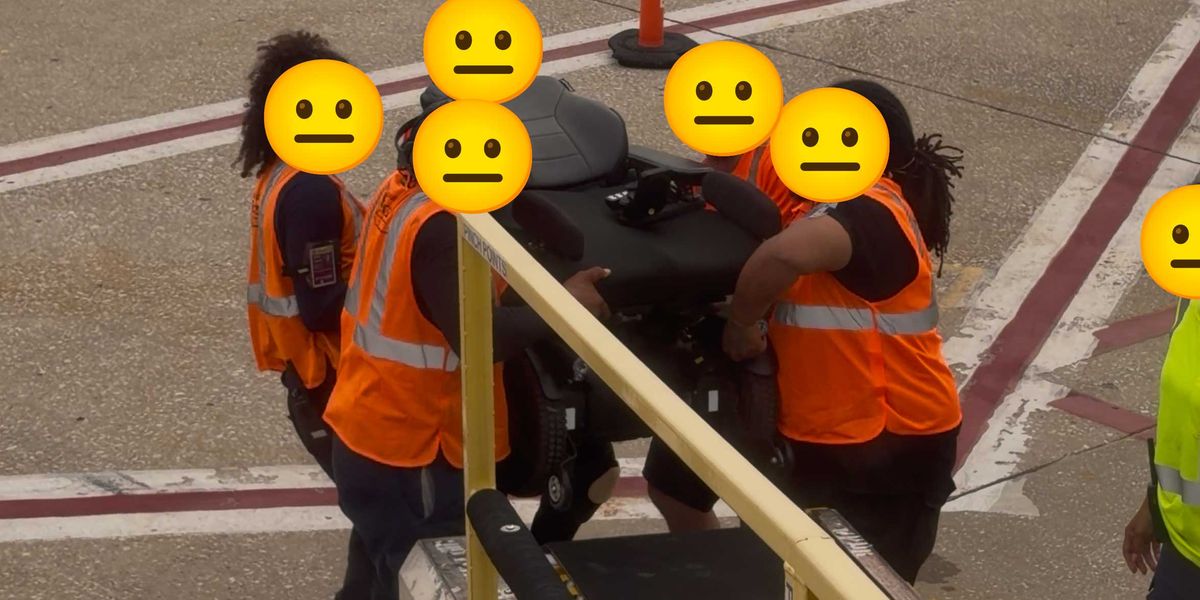
The trouble began earlier this year on an American Airlines flight, when the author watched from the cabin window as baggage handlers bypassed the proper procedure of using a specialized wheelchair lift. Instead, handlers attempted to physically lift the heavy mobility device directly from the belt loader. Weighing hundreds of pounds, the chair was far too heavy for the personnel to handle manually. The inevitable outcome occurred when the device slipped and dropped onto the tarmac at a severe, awkward angle.
At the time, viewing the incident from high above on the aircraft, the passenger suspected structural frame damage, though the full extent was not immediately obvious. Submitting a formal damage claim, the traveler reported the issues that could be personally verified: a broken piece of plastic trim, a bent headlight, and, most alarmingly, a strange, persistent noise emanating from the wheel assembly. Visually, the chair appeared relatively unscathed, but as frequent users know all too well, looks are entirely deceiving when it comes to complex motorized equipment.

What followed was a protracted, exhausting ordeal involving a revolving door of local wheelchair repair technicians dispatched to the traveler’s home. The first technician diagnosed a bent drive wheel, leading to a replacement part installed a few weeks later. However, the mysterious noise remained. A subsequent technician evaluated the chair, concluded the motor was damaged, ordered a replacement unit, and installed it weeks later. Yet, the noise persisted through every attempted fix.
During this drawn-out diagnostic phase, the wheelchair was subjected to further mishandling—not once, but twice—during subsequent travels with United Airlines. On these occasions, the device was dropped even more forcefully. The resulting impacts left the chair with a bent armrest, a torn seat cushion, and an even louder, more disruptive mechanical noise grinding away from the undercarriage.
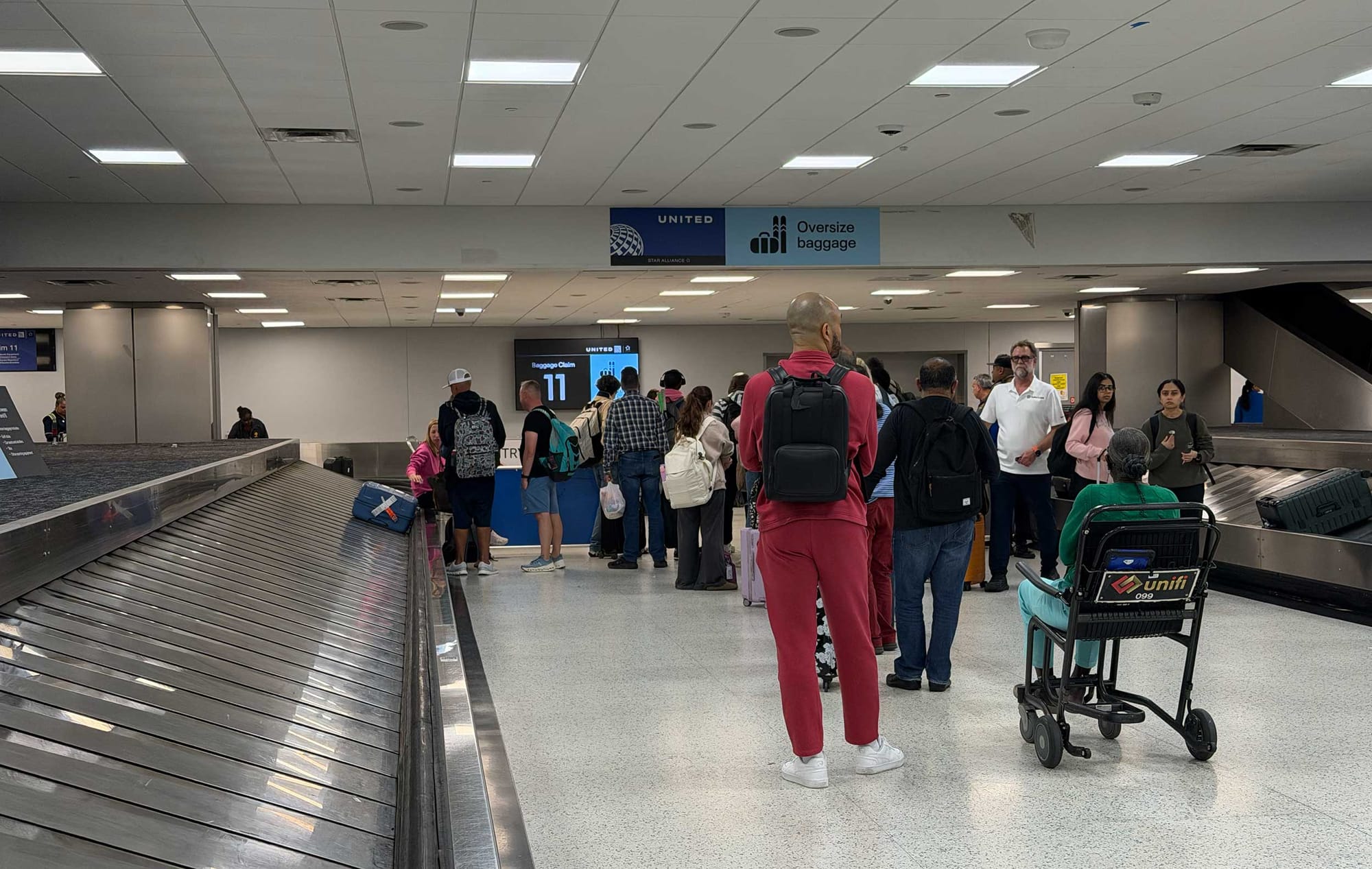
Over more than ten separate service appointments, hours of valuable personal time were sacrificed to no avail. A succession of local technicians replaced virtually every component possible, including motors, wheels, casters, and shock absorbers. Still, the underlying mechanical failure refused to vanish. Completely exhausted and ready to throw in the towel, the traveler made one final, last-ditch effort by requesting an assessment directly from the equipment manufacturer.
The intervention of a Permobil representative—an expert intimately familiar with the specific engineering of the hardware—finally brought clarity to the situation. Upon inspection, the manufacturer’s representative determined that the wheelchair’s frame had indeed sustained structural damage during the initial drops. The expert delivered a definitive and sobering assessment: once a wheelchair of this caliber is dropped, the manufacturer can no longer certify that it is safe to use.

That official pronouncement provided the necessary leverage. United Airlines approved a complete replacement wheelchair. With that replacement secured, the traveler reached a grim milestone, noting that a power chair had now been completely destroyed and subsequently replaced by each of the major three U.S. carriers: once by Delta Air Lines, multiple times by American Airlines, and now by United Airlines.
Reflecting on the months of futile service calls, the root of the problem became glaringly obvious. Local wheelchair repair technicians possess virtually no experience in identifying or repairing structural frame damage on heavy-duty power chairs. Their daily routines consist of straightforward, local service calls—changing worn tires, swapping out batteries, and replacing minor failed parts on equipment primarily used inside private homes and local neighborhoods. They rarely, if ever, encounter mobility devices that are hoisted into the cargo holds of more than a hundred commercial airplanes every single year.
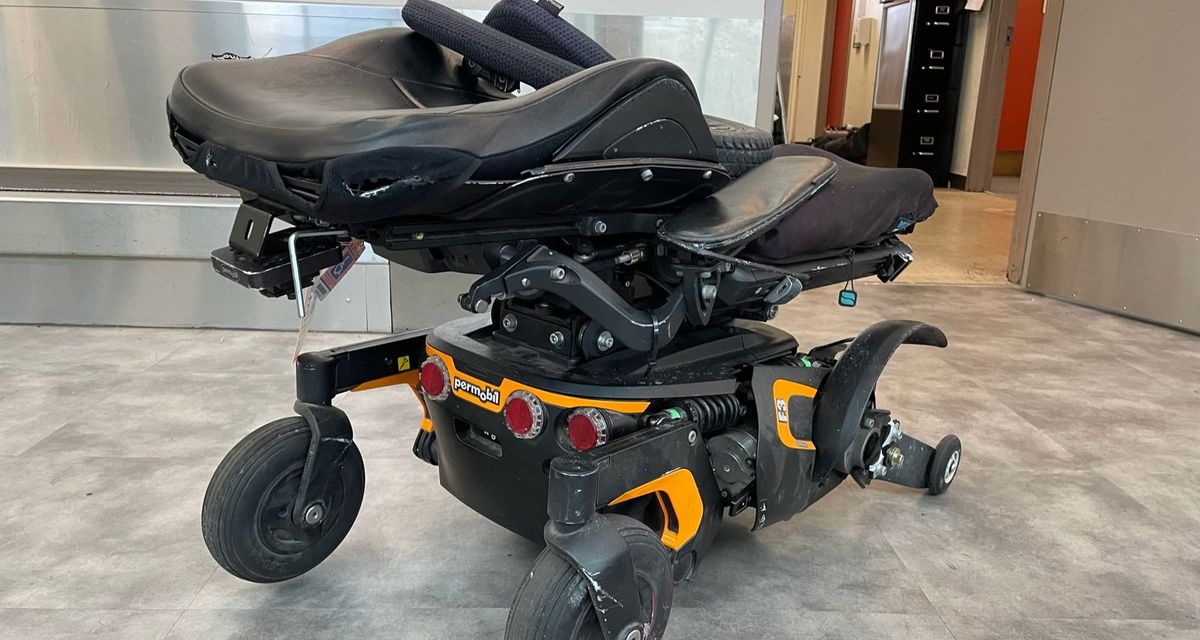
When these well-meaning technicians were dispatched to evaluate the damaged chair, they heard an unusual noise and systematically attempted to fix it based on standard troubleshooting protocols. While a seemingly logical approach, the underlying damage was fundamentally irreparable from the start, turning every repair attempt into a futile exercise.
The harsh reality is that commercial airlines subject wheelchairs to forces and drops that would never occur in a domestic or community environment. Weighing approximately 400 pounds, the traveler’s power chair had never been lifted completely off its wheels anywhere except under the supposed "care" of airline baggage operations, and it had certainly never been dropped on a concrete pavement at home. Moving forward, the traveler intends to bypass local contractors entirely and call upon the manufacturer’s specialized representatives much earlier in the claims process to accurately identify irreparable structural compromises.
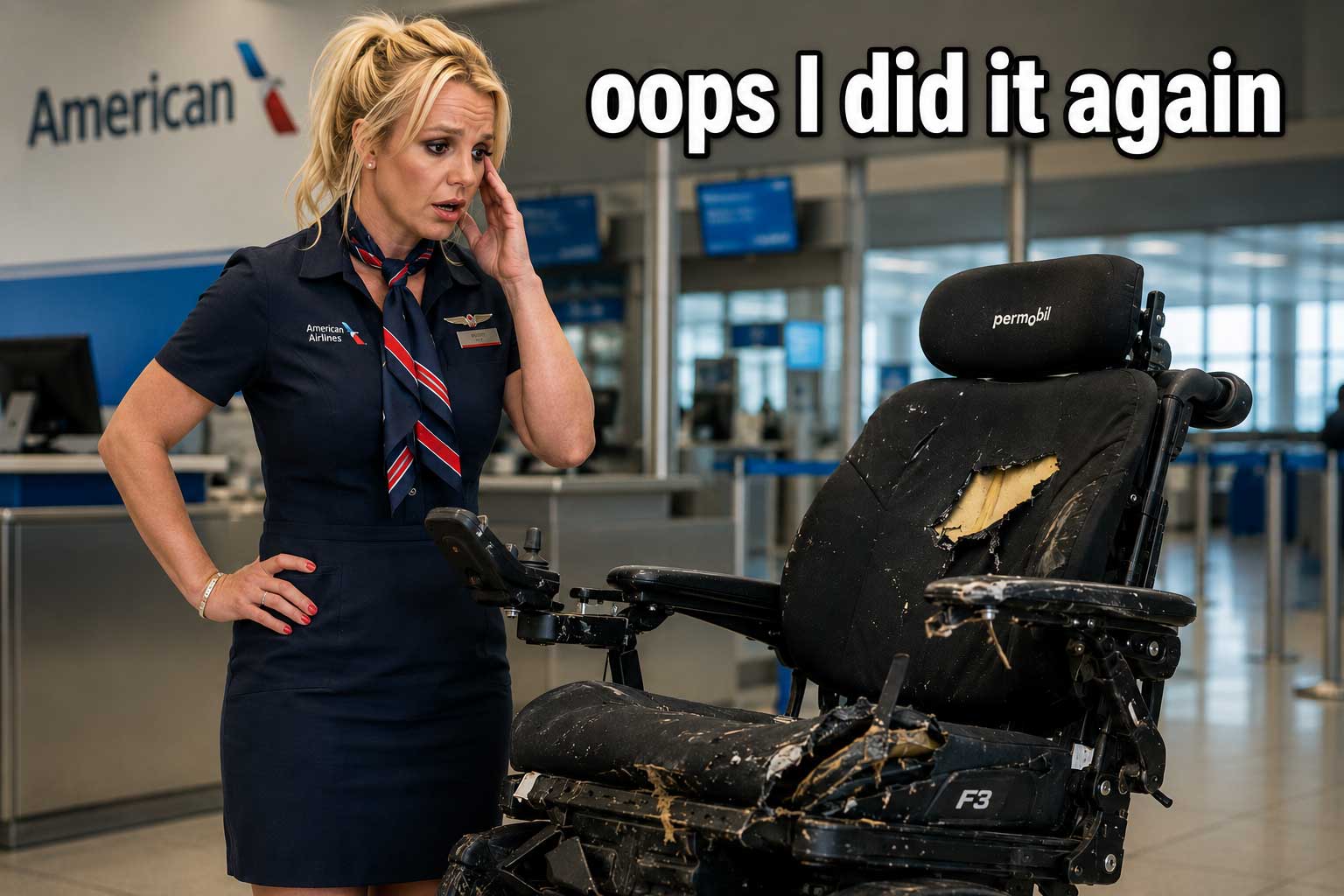
The newly manufactured replacement wheelchair was delivered just last month and embarked on its maiden round-trip journey a week later, flying from St. Louis to Dallas on American Airlines. While the outbound flight went smoothly, the return trip brought an unwelcome sense of déjà vu. Upon retrieval, the brand-new wheelchair exhibited new, loud squeaking noises originating from the seating system and central pillar. Exactly how severe the internal damage is remains to be seen, but for this frequent flyer, the familiar, frustrating cycle appears ready to begin all over again.