The start of a new academic year brings a mixture of excitement and apprehension for students, educators, and families alike. While some children and teenagers adapt seamlessly to the shifting demands of a new grade, others find themselves overwhelmed by the organizational and cognitive requirements of school life. According to educational experts, a strong foundation in executive functioning skills—such as planning, organization, and time management—can mean the difference between a smooth transition and a stressful start to the year.
Without these critical cognitive tools, students frequently encounter daily friction. Educators often witness the predictable fallout: the student who routinely misplaces assignments, or the learner who struggles to navigate a complex schedule of rotating classrooms. Such experiences can quickly become overwhelming, causing anxiety not only for the students, but for the teachers and parents supporting them. Fortunately, educational specialists emphasize that these skills are not fixed traits; rather, educators can intentionally model, build, and strengthen executive functioning capabilities from the very first day of school through deliberate classroom strategies.
Why Executive Functioning Skills Matter for Back-to-School Success
Executive functioning encompasses the mental processes that enable individuals to plan, focus, remember instructions, and juggle multiple tasks successfully. While these cognitive abilities are essential throughout a person’s life, the back-to-school season represents a critical window of vulnerability and opportunity. Setting the stage early through structured, executive functioning-focused strategies provides children and teens with the scaffolding they need to handle complex academic environments.
When students enter the classroom with robust executive functioning foundations, they are better equipped to manage their workloads, regulate their emotions, and engage meaningfully with their peers. Conversely, an absence of these foundational skills can derail academic progress before the school year truly gets underway. To combat this, educators are increasingly shifting away from viewing executive functioning as an innate ability and are instead treating it as a core competency that requires explicit instruction, much like reading or mathematics.
Establishing Predictable Routines and Environments
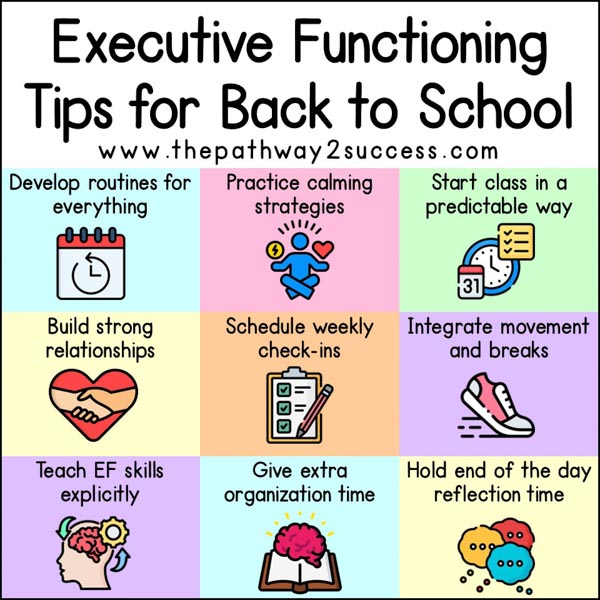
One of the most effective ways educators can foster executive functioning is by developing and practicing clear routines for everyday classroom activities. Establishing structure from the outset provides students with a predictable outline of how expectations should be met. Experts note that learners cannot reasonably follow expectations that have not been explicitly taught or understood. By breaking down daily tasks into simple, step-by-step procedures and practicing them repeatedly until they become second nature, teachers help students internalize critical habits related to organization, planning, self-control, and attention.
This emphasis on structure extends directly into the physical design of the learning environment. An organized classroom space helps students focus, locate materials, and transition between tasks with minimal cognitive strain. When teachers create a designated place for every item and involve students in maintaining that order, they model the exact behaviors they wish to see replicated in academic work habits.
Similarly, starting the school day in a predictable, structured manner helps reduce cognitive fatigue. When students know what to expect upon arrival, they do not have to waste valuable mental energy trying to figure out how to begin. Incorporating consistent morning routines, daily schedules, and previewing upcoming changes to the school day ensures that students feel secure and prepared.
Explicit Instruction and Integration Across Subjects
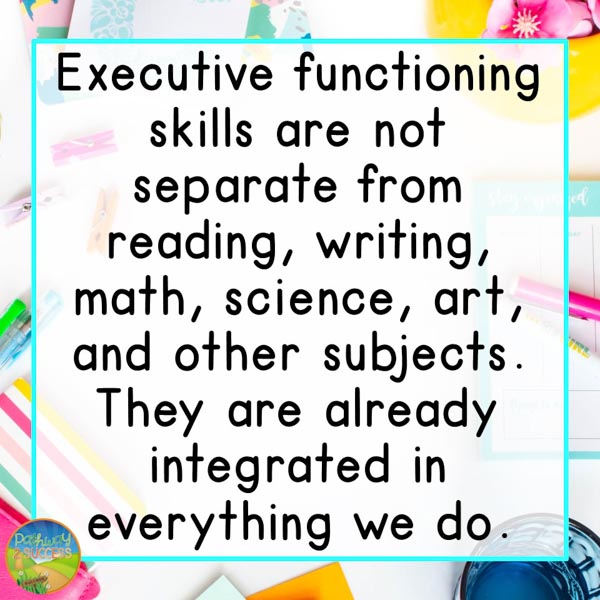
Just as schools dedicate specific instructional time to core academic subjects, educators are being encouraged to teach executive functioning skills explicitly. Utilizing structured curricula and dedicated lessons allows teachers to address specific deficits in planning, attention, and perseverance. However, experts stress that executive functioning is not a separate domain isolated from daily learning; it is inherently embedded in everything students do.
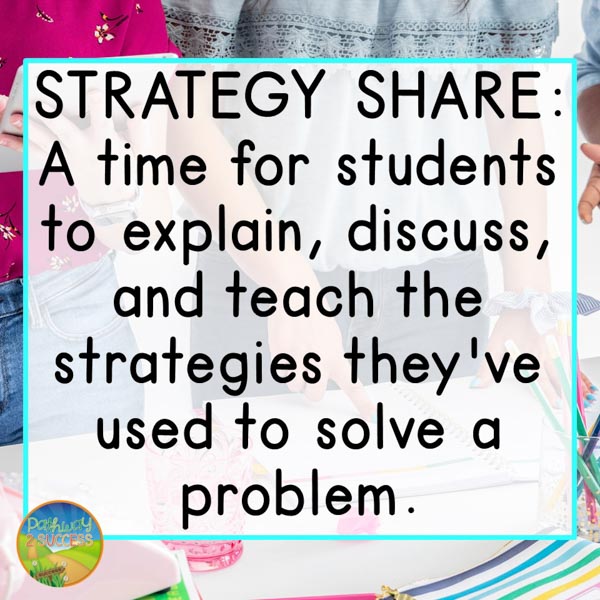
Whether learners are drafting a research paper, solving complex math problems, or participating in science labs, executive functioning strategies are constantly at play. Educators can weave these strategies directly into existing subject matter, using opportunities like strategy shares—where students explain and discuss the methods they used to solve a problem—to foster peer-to-peer learning and community building. Furthermore, integrating movement into daily lessons serves a dual purpose, supporting both physical engagement and the self-regulation required for sustained focus.

Managing Emotions and Fostering Relationships
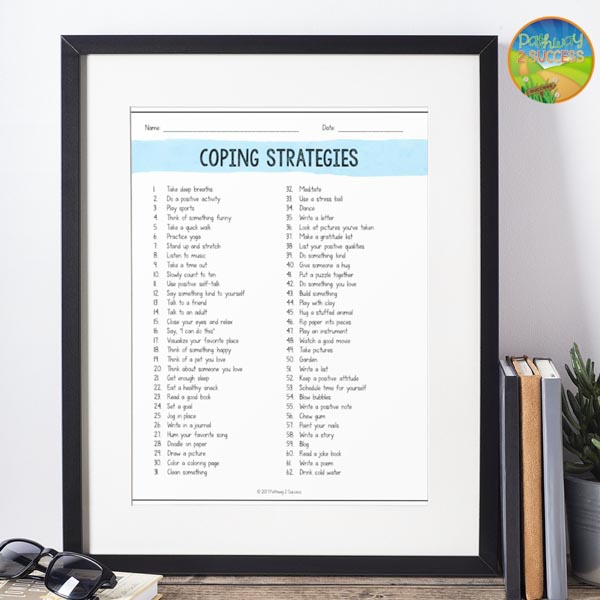
Cognitive performance is deeply intertwined with emotional well-being. A calm mind and body are prerequisites for effective learning, yet many children and teens lack the tools to regulate their stress levels independently. Consequently, prioritizing evidence-based calming strategies and brain breaks from the beginning of the year helps students reset and refocus when they feel overwhelmed.
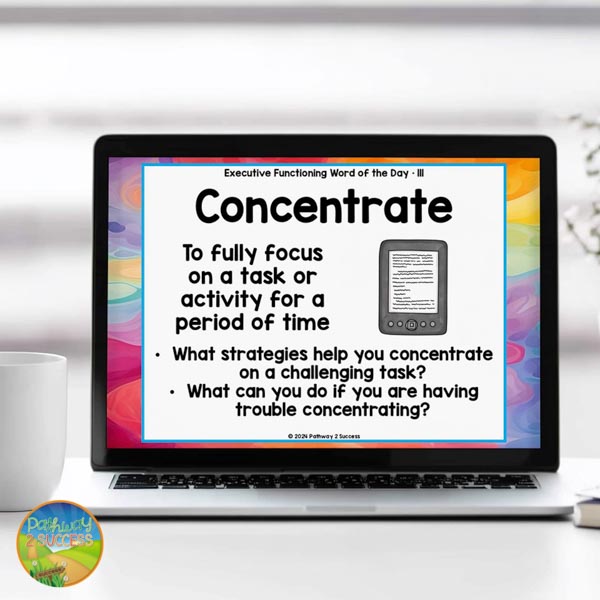
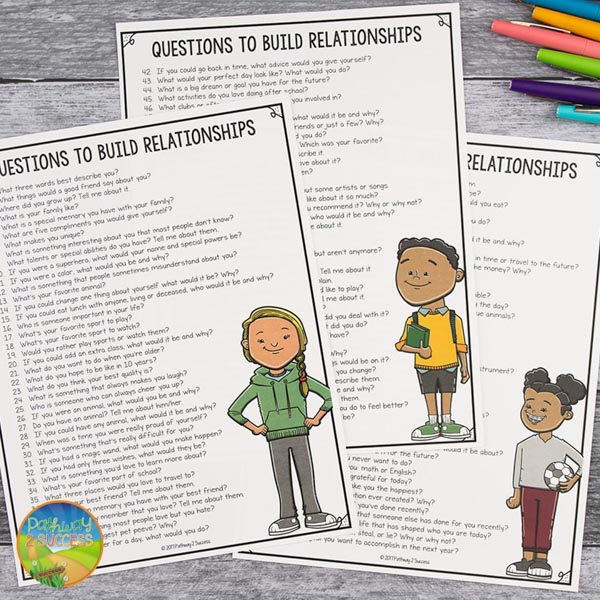
Emotional regulation is further supported by intentional efforts to build robust classroom communities. Cultivating strong teacher-to-student and student-to-student relationships creates a safe psychological space where learners feel comfortable taking healthy risks, making mistakes, and accepting constructive feedback. When classrooms operate on the shared understanding that everyone is continuously learning and adapting, the inevitable stumbles of a new school year are transformed into valuable opportunities for growth.
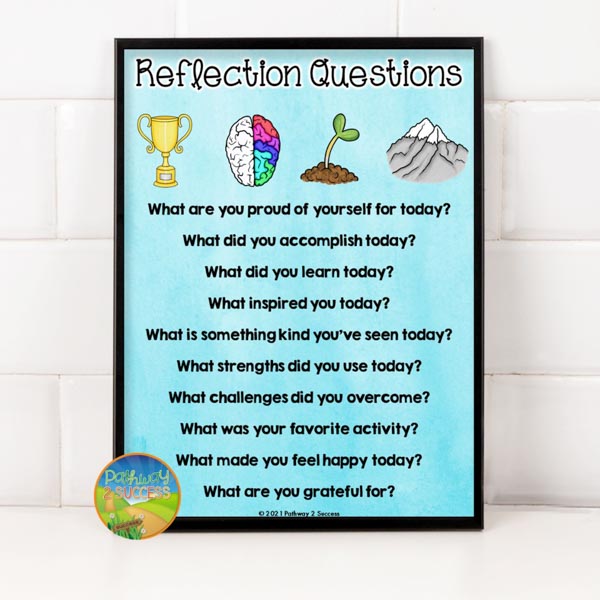
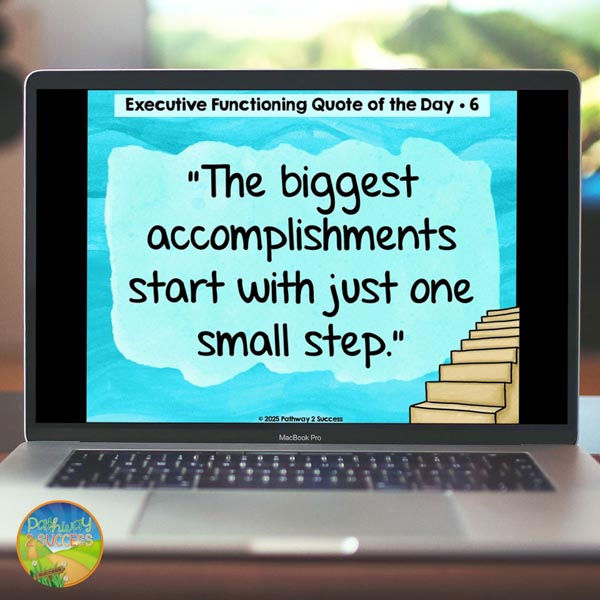
By investing time during morning meetings, study halls, or dedicated lesson blocks to explicitly teach, practice, and reflect on executive functioning skills, educators can significantly alter the trajectory of a student’s academic year. Through weekly check-ins, intentional self-monitoring practices, and consistent routines, schools can empower learners to take charge of their own educational journeys and build resilience that extends far beyond the classroom.