
ks, and Hotel Reservation Failures in Europe
The fall calendar for wheelchair-accessible group tours across Europe has officially drawn to a close, marking another successful season of exploration for Wheelchair Travel. More than 30 travelers joined the group to experience some of Europe’s most iconic destinations, ranging from the breathtaking scenery of the Swiss Alps to authentic pasta-making classes in Sicily. While these trips created unforgettable memories, the season was also defined by unexpected personal challenges, transportation hurdles, and a broader industry conversation regarding the fundamental rights of disabled travelers.
Facing the Unexpected and a Family Emergency
Managing a demanding schedule of back-to-back group tours and international side trips means extended periods away from home. However, the itinerary came to an abrupt halt when an urgent phone call delivered alarming news: a family member required emergency surgery.
Respecting the family’s strong commitment to personal health privacy, the details of the medical event remain private, save for the acknowledgment that the surgery was a complete success. Following a week at home to support the family through the recovery process, international travel resumed, with the itinerary picking up in London, England. This return to the road, however, immediately presented a new and entirely unexpected set of logistical obstacles.
Temporarily Trapped in London
The journey back to Europe began with a flight from the United States to London, where a seamless same-day connection on the Eurostar train was scheduled to take passengers to Cologne, Germany. Upon arriving at the Eurostar check-in desk within London’s King’s Cross-St. Pancras Train Station, a routine check for travel documents revealed a glaring problem: the passport was missing.
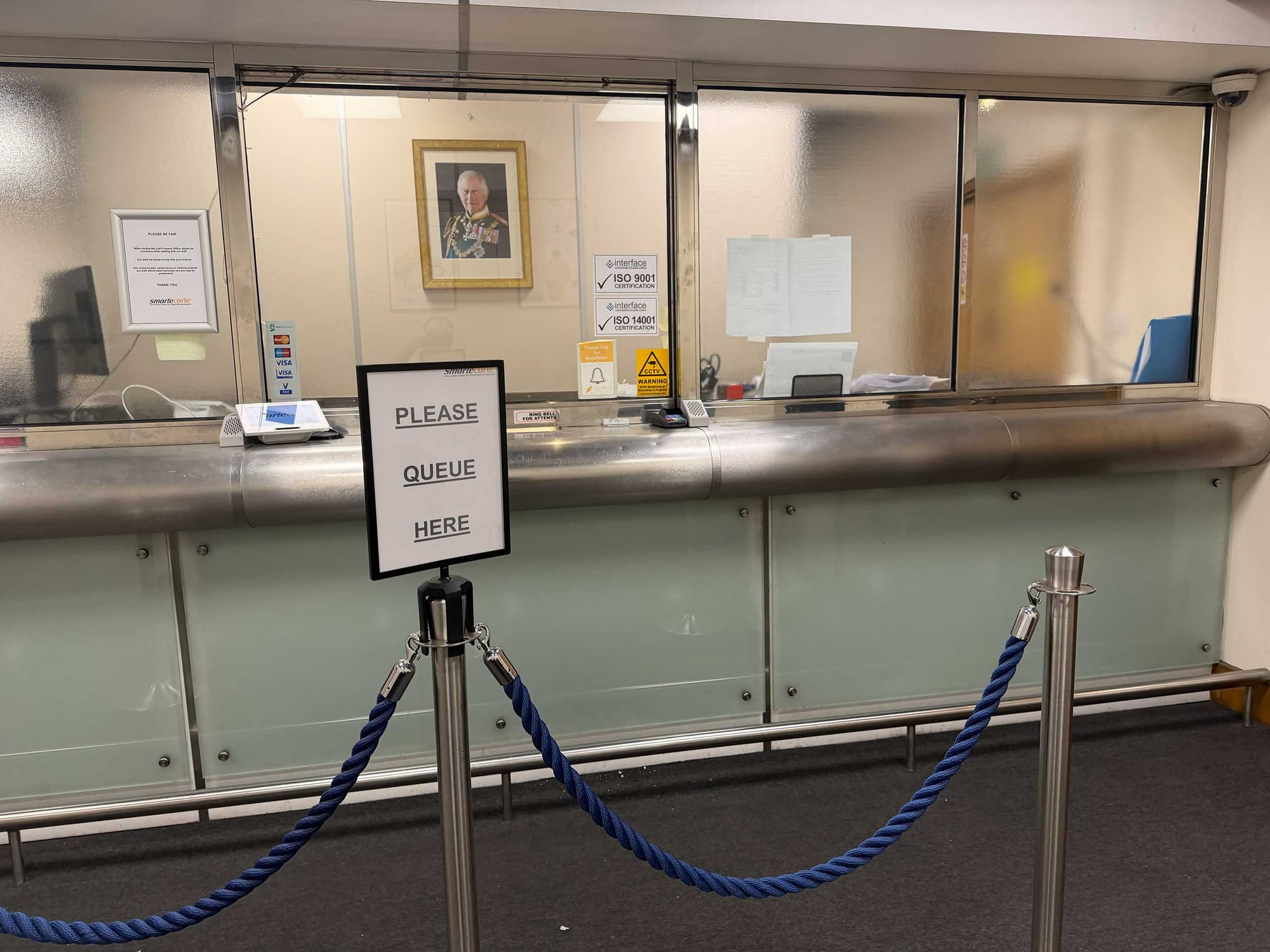
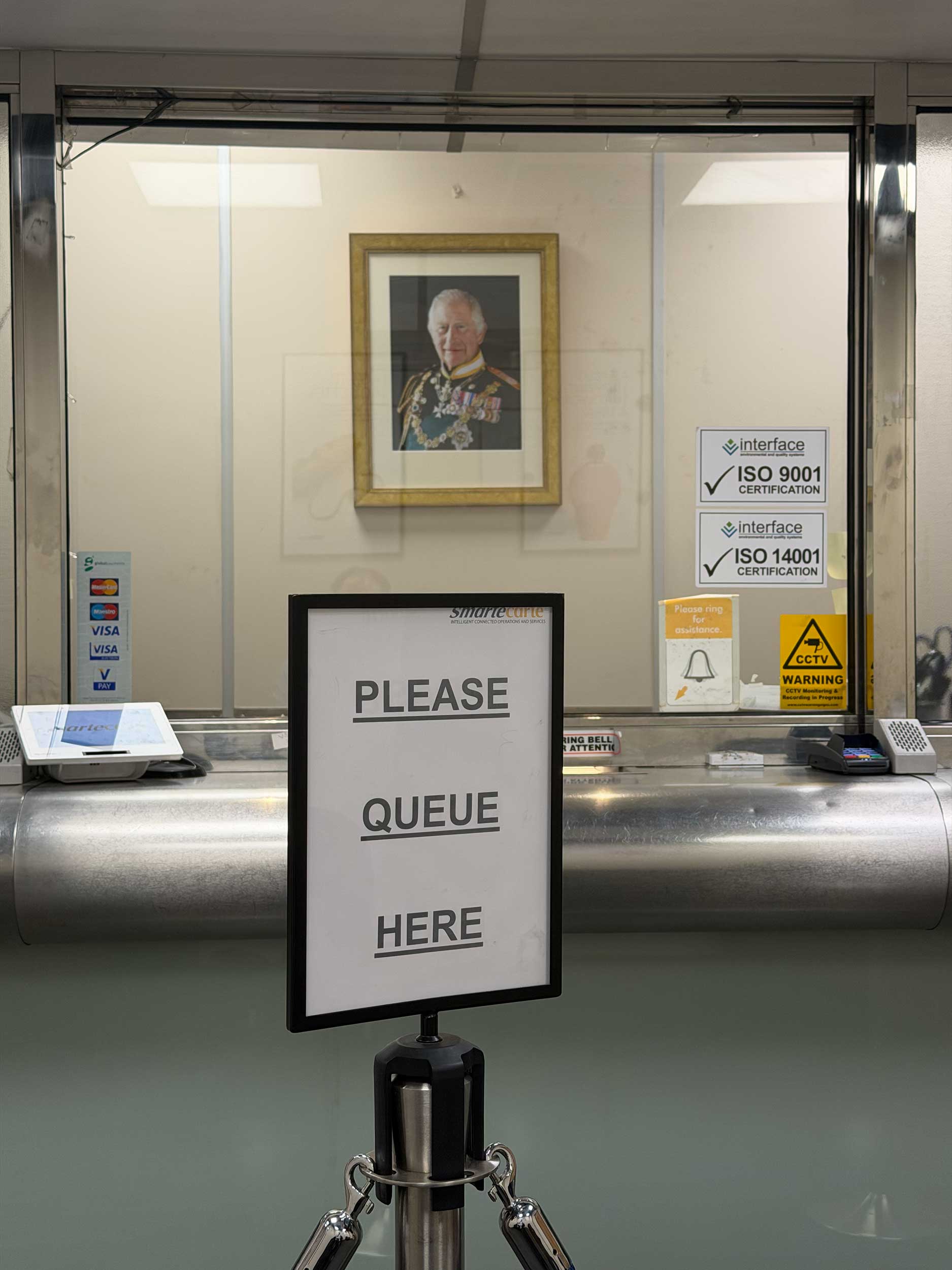
A frantic search ensued, covering airport terminals, the crevices of a power wheelchair, local restrooms, and the café where a morning coffee had been purchased. Ultimately, the search led back to Heathrow Airport, where lost-item reports were filed with both the airport authorities and Transport for London. Standing in a long queue at the Heathrow lost and found office, surrounded by the silence of the terminal, the reality of the situation set in. As a weekend, Saturday was the worst possible day to lose a passport, with the United States Embassy closed until Monday. Furthermore, even an emergency passport issued on Monday would not clear French border controls, which process Eurostar passengers departing from London.
Fortunately, Eurostar’s customer-friendly policies offered a glimmer of hope. The rail operator permits free ticket changes up to one hour prior to departure with no exchange fees, requiring passengers to cover only potential fare differences. This policy allowed for multiple departure rescheduling options without financial penalty.
In a final, desperate attempt before conceding to an unplanned multi-day stay in London, a visit to the American Airlines check-in desk led to an unexpected breakthrough. After speaking with a manager, a passport was produced with a familiar name. It appeared the document had slipped to the floor near the baggage carousel; an observant traveler spotted the boarding passes inside and handed it over to an airline agent before it could be logged into the central lost and found system. The incident served as a humbling reminder that even seasoned travelers can fall victim to basic oversight, emphasizing the critical importance of keeping vital identification secure at all times.
Door Ajar on the Eurostar and a Bad Merger
With the passport successfully recovered and a restful night in London completed, the journey resumed via Eurostar to Cologne, routing through Brussels, Belgium. The initial leg from London to Brussels was smooth and fully accessible, featuring a spacious train car and a large bathroom designed to accommodate a power wheelchair.
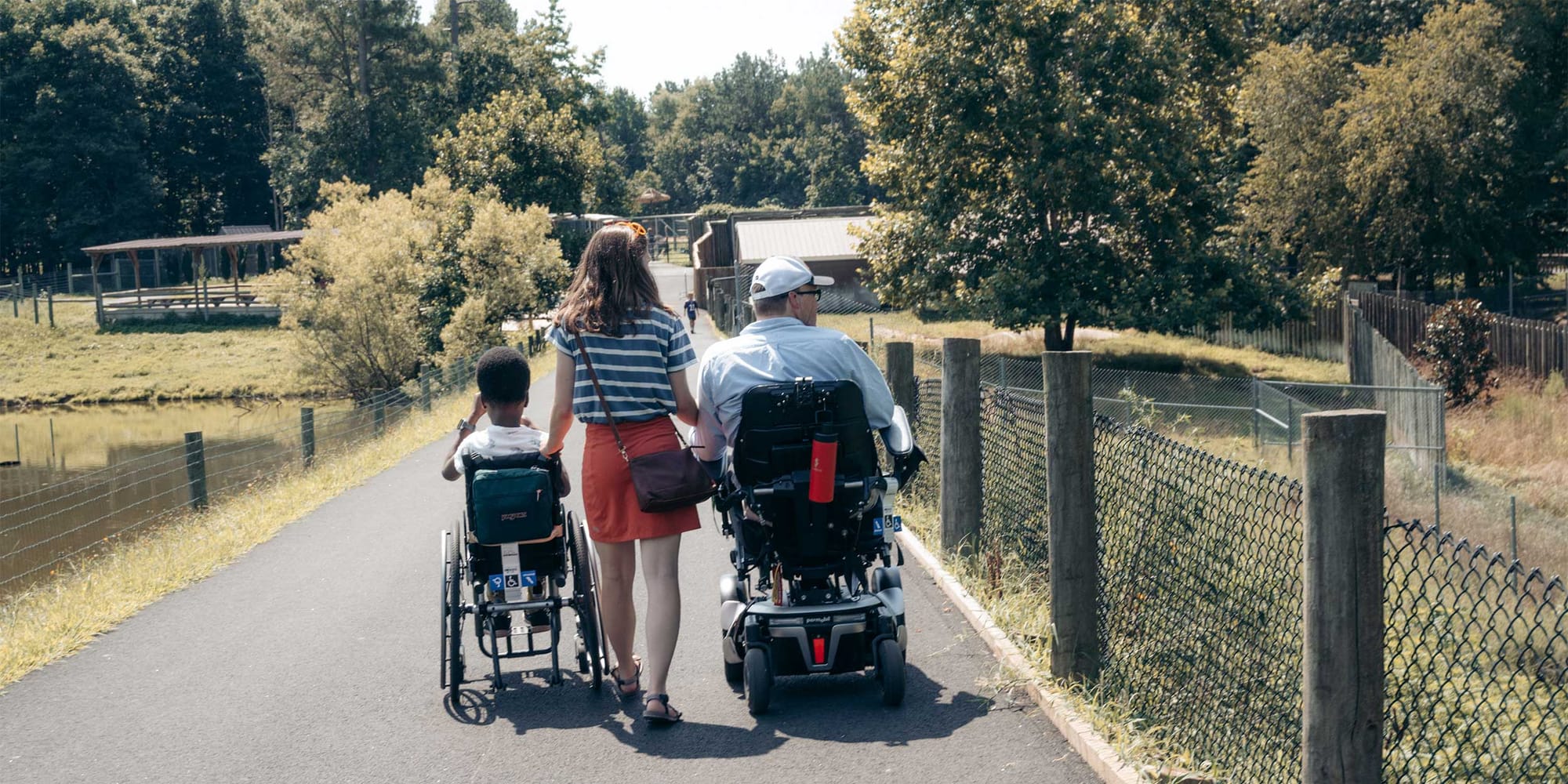
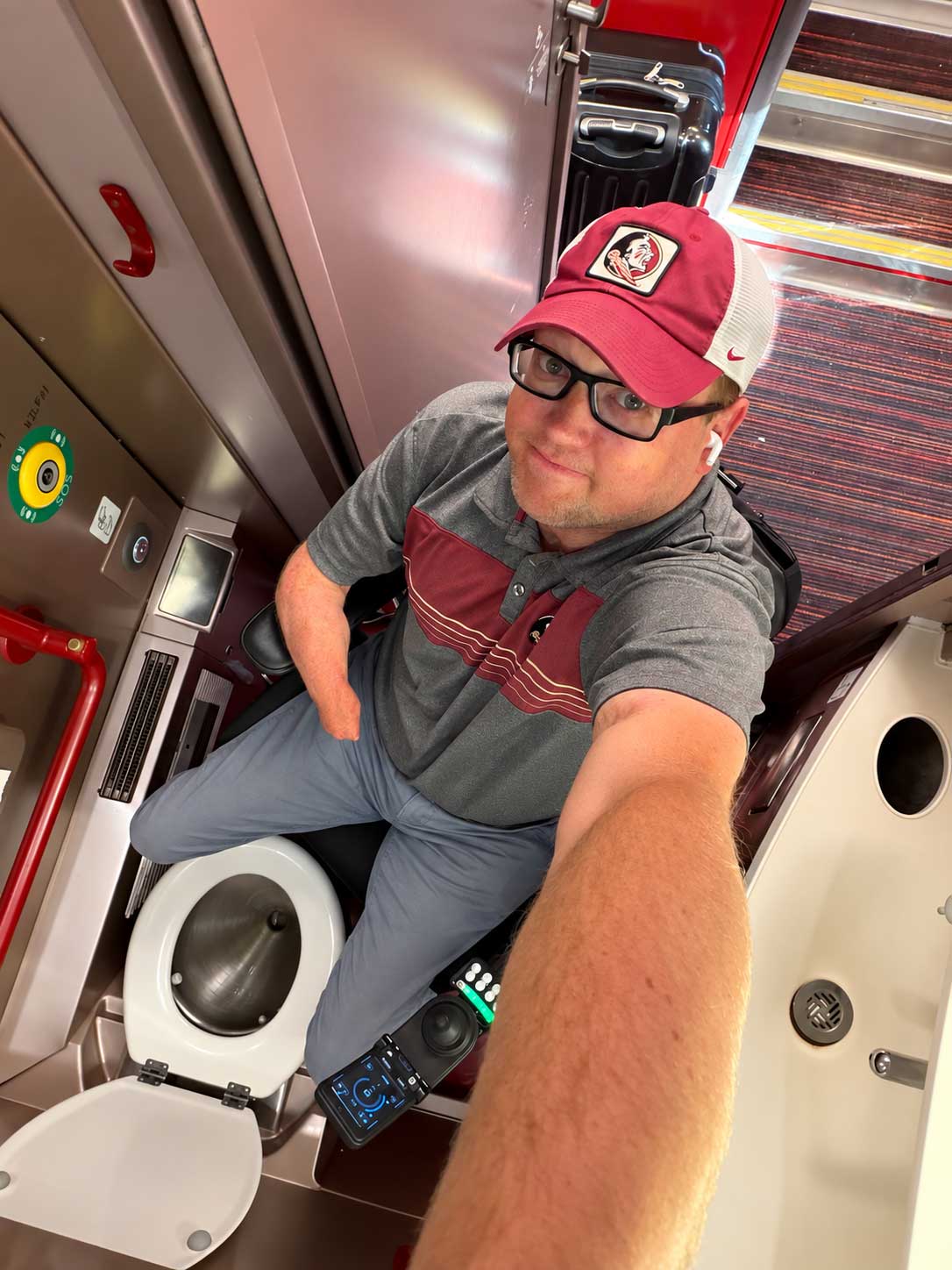
Unfortunately, that high standard of accessibility did not extend to the second leg aboard the former Thalys TGV train operating between Brussels and Cologne. Following the 2023 merger of Europe’s major high-speed rail operators, Eurostar and Thalys, inconsistencies across routes have become apparent. While European high-speed rail is generally lauded for accessibility, the TGV train sets used on former Thalys lines feature severely cramped corridors, a single designated wheelchair space in accessible cars, and bathrooms that cannot accommodate a wheelchair, forcing passengers to travel with the door open. The failure to maintain uniform accessibility standards across all combined routes remains a significant shortcoming for the Eurostar brand.
Trainspotting and Railbuffing in Wuppertal, Germany
Due to the initial travel delays in London, the original schedule in Cologne had to be adjusted, prompting an immediate transfer to a Deutsche Bahn train for a 45-minute journey to Wuppertal, a German city long featured on accessibility bucket lists.
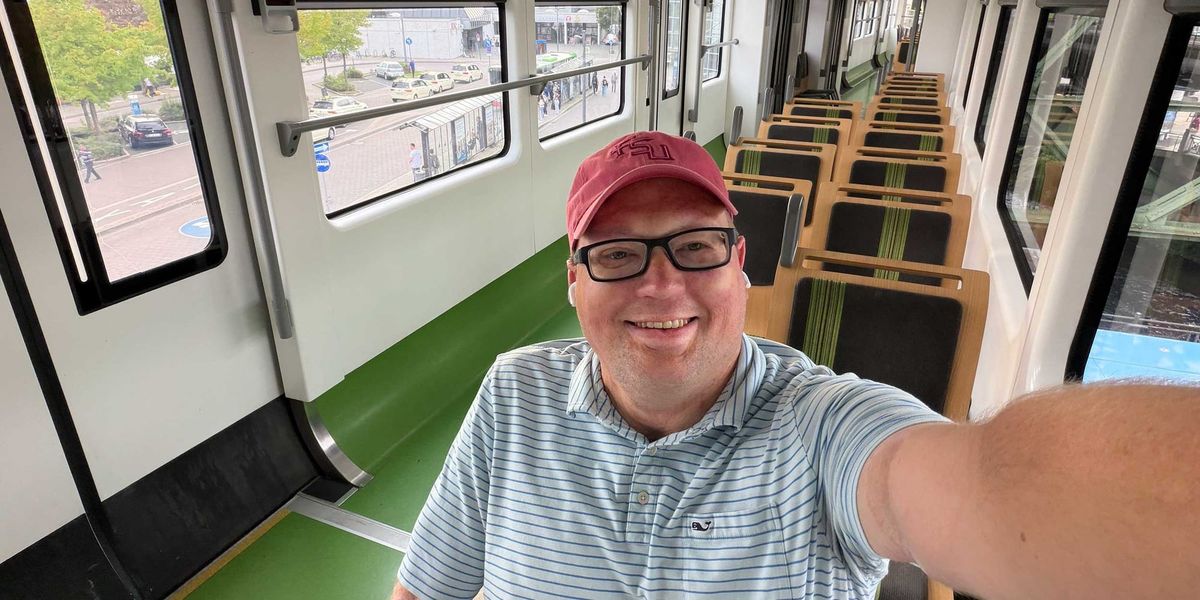
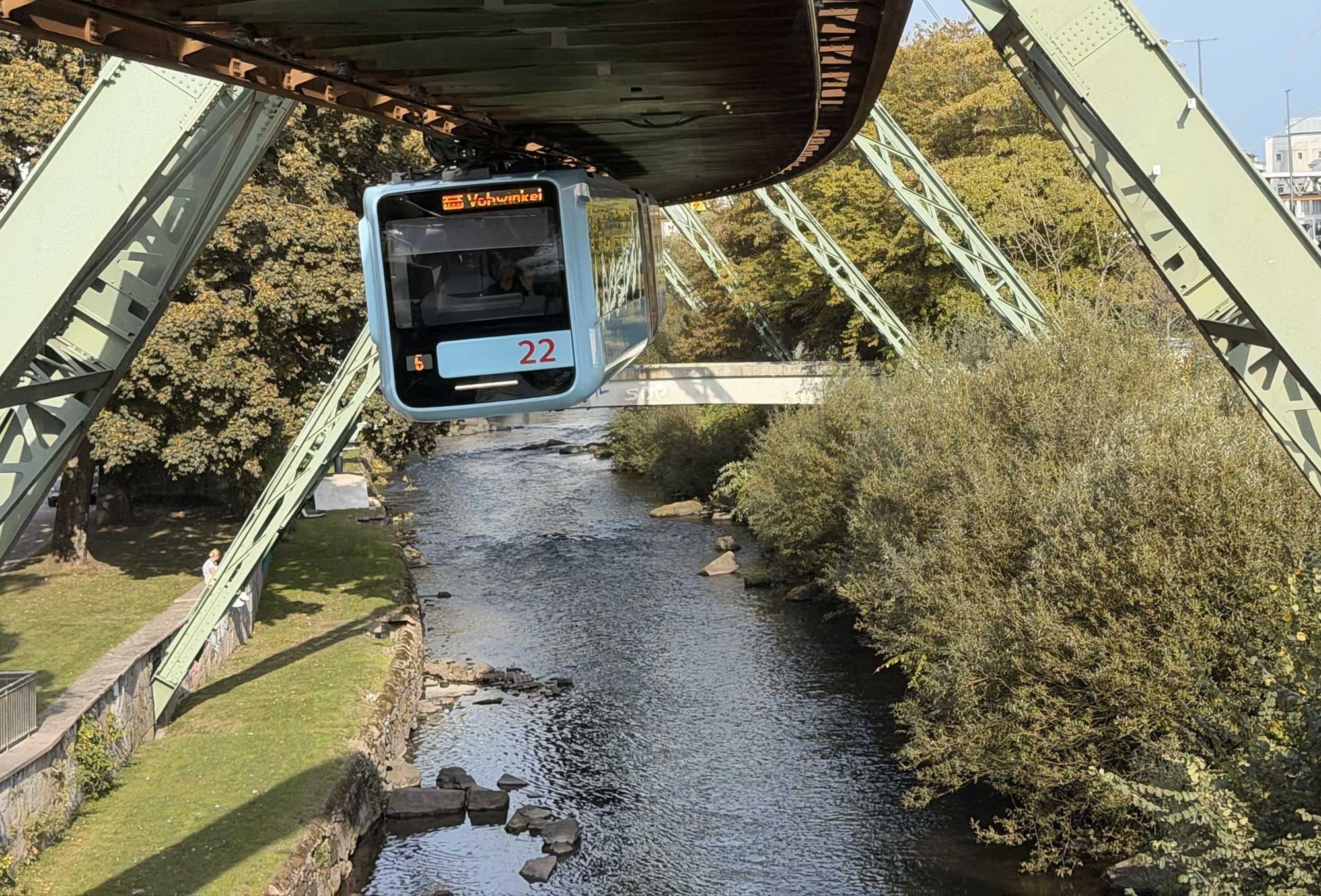
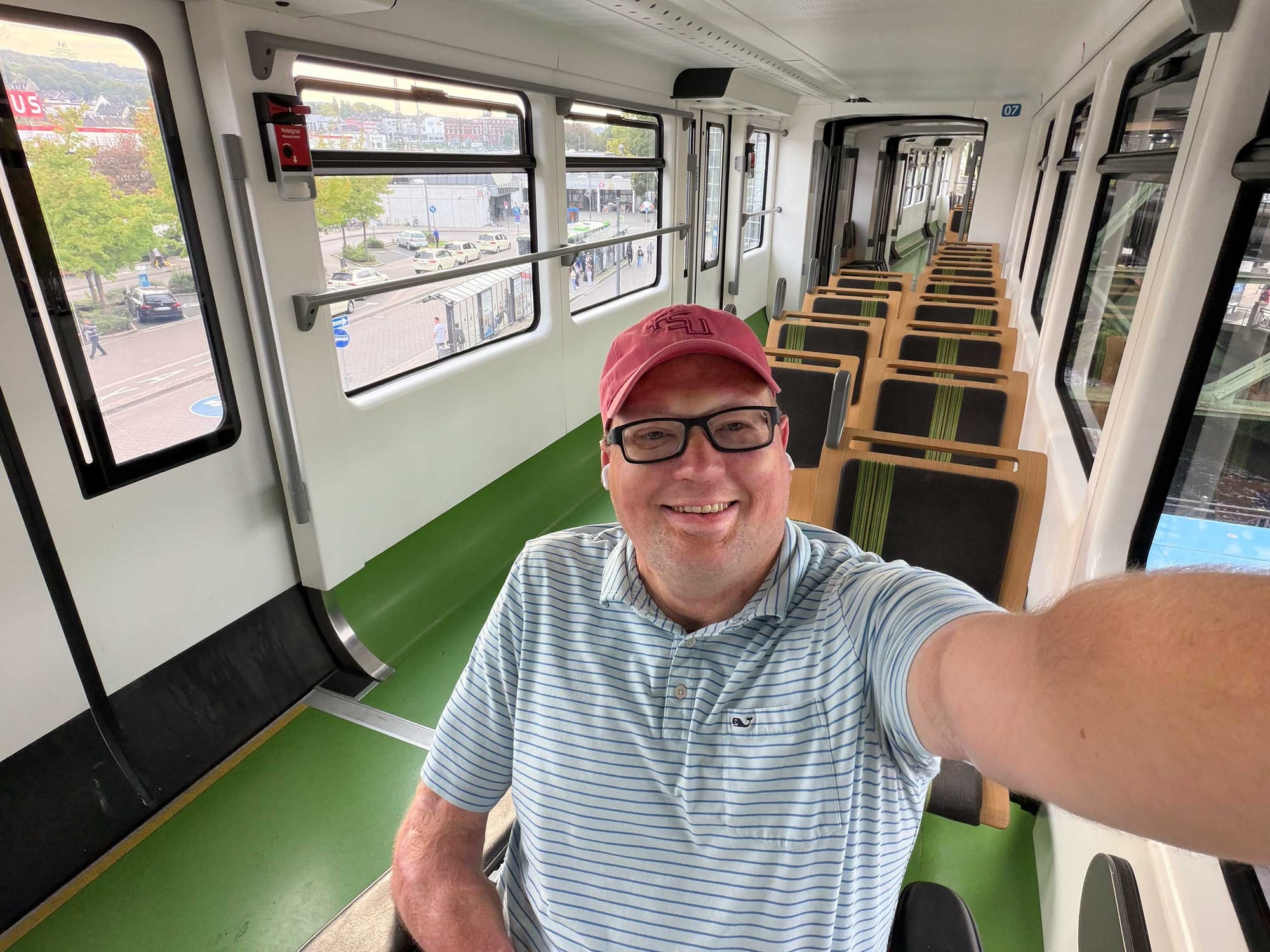
Wuppertal is best known for its historic Schwebebahn, a suspended railway that recently celebrated its 125th anniversary. Historically recognized as an industrial center and the birthplace of philosopher Friedrich Engels, the city offers unique transit experiences for rail enthusiasts. Riding the Schwebebahn end-to-end provided an immersive look at the unique transit system, which is detailed further in the recently published Wheelchair Accessible Travel Guide to Wuppertal.
Coming Soon: Wheelchair Travel Group Trip to Scotland!
Building on the success of the fall season, Wheelchair Travel Tours has announced its next major group itinerary: a comprehensive tour of Scotland scheduled for June 6–16, 2027. The 11-day journey will cover historical, cultural, and culinary highlights in Edinburgh, Glasgow, and Inverness, all curated with accessibility in mind.
Details of the complete itinerary will be released exclusively to paid newsletter subscribers, who will receive a three-day private booking window before remaining spaces open to free subscribers.
Itzhak Perlman and ADA Hotel Room Reservations
The challenges of accessible travel extend far beyond transportation, as highlighted by a recent social media post from world-renowned violinist Itzhak Perlman. Following a concert in North Bethesda, Perlman arrived at a prominent hotel to check into an accessible room that had been confirmed six months prior. Upon asking if the room was ADA accessible at the front desk, staff spent ten minutes investigating before revealing that the confirmed room had been given away. With no alternative solutions offered by the hotel, Perlman had to rely on the concert promoter to secure alternative lodging miles away.
"For people with disabilities, accessibility is not a luxury or a preference. It is a necessity," Perlman noted in his public statement.

This experience mirrors widespread frustrations across the hospitality industry. Under Americans with Disabilities Act (ADA) regulations, hotels are legally required to guarantee that guests receive the specific accessible room type they reserved. Similar issues occur internationally; just weeks prior, a confirmed accessible room was given away at a hotel in Wuppertal, Germany, requiring a last-minute relocation to a nearby property. While foreign jurisdictions may not fall under ADA purview, the operational failures remain equally disruptive.
Looking Ahead
Upcoming weeks will involve catching up on publishing and preparing new destination insights, including a forthcoming feature on Switzerland and an upcoming trip to Tallahassee, Florida. There, travel to Florida State University will involve speaking to business students about the core value of accessibility, followed by participation in the annual TravelAbility Summit in Tampa to engage with leaders from major airlines, hotel chains, and cruise lines.