As the democratic process continues to evolve across the United States, civic organizations and advocacy groups are renewing their focus on a persistent participation gap that affects millions of potential voters. Research underscores a significant opportunity to strengthen representative democracy by engaging a vital segment of the population that has historically faced distinct barriers at the polls. According to data highlighted by organizations such as the U.S. Election Assistance Commission and Rutgers University, if voters with disabilities cast their ballots at the exact same rate as voters without disabilities, roughly two million more voices would actively participate in shaping the direction of local, state, and national governance.
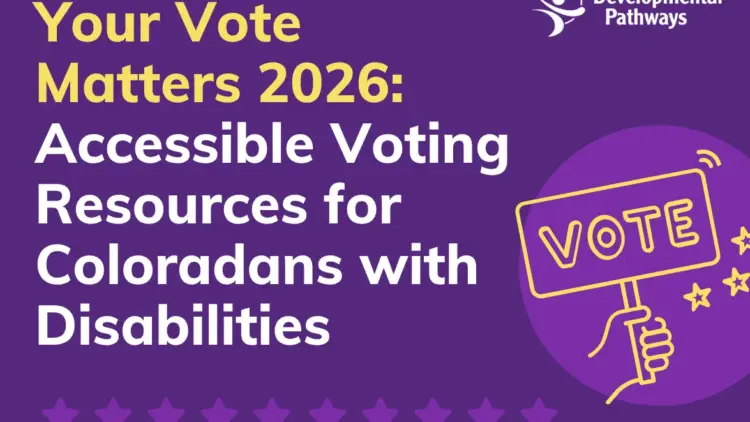
In Colorado, this broader national challenge is met with dedicated local initiatives designed to ensure that civic participation is accessible, equitable, and protected for every eligible citizen. Developmental Pathways, a prominent community organization committed to supporting individuals with intellectual and developmental disabilities, has reaffirmed its comprehensive mission to help individuals fully participate in all aspects of community life, with a primary emphasis on the fundamental right to vote. As preparations ramp up for the upcoming 2026 election cycle, Developmental Pathways has compiled a robust collection of information, guidelines, and resources tailored specifically to support Colorado voters with disabilities, ensuring they possess the tools and knowledge necessary to navigate the electoral landscape with confidence.
At the heart of these community efforts is a clear, unequivocal affirmation of individual civil rights. Navigating the electoral system can occasionally feel daunting, particularly for individuals who rely on legal support structures or decision-making assistance in their daily lives. However, Colorado law maintains explicit protections that safeguard the personal autonomy of voters, regardless of whether they utilize supportive services. In the state of Colorado, having an appointed guardian or another legal decision-maker does not affect an individual’s fundamental right to vote. Any resident who is eighteen years of age or older and meets the state’s basic eligibility requirements holds the legal authority to cast a ballot and make their own independent choices in any election.
For voters seeking detailed verification of their status or looking to understand the mechanics of voter registration, comprehensive guidance is readily available. The Colorado Secretary of State’s office provides extensive eligibility details as well as a specialized Voters with Disabilities Frequently Asked Questions resource, which addresses common inquiries regarding polling place accessibility, alternative formats, and assistive technology. Additionally, Disability Justice Colorado, which serves as the state’s designated Protection and Advocacy System, plays a critical role in safeguarding these rights. The organization provides vital assistance to citizens seeking to understand their legal protections, learn about accessible voting options, or formally file a complaint in the event that their voting rights are impeded or violated during the electoral process.
Beyond understanding legal rights, successful civic participation often requires deliberate preparation, particularly for individuals navigating specific accessibility needs. To assist voters in organizing their approach to the 2026 elections, Developmental Pathways has made practical planning tools available, including a printable resource known as the My Voting Plan sheet. This tool is designed to help voters map out their schedule, decide whether they prefer voting in person or by mail, and ensure all necessary logistical arrangements are addressed well in advance of Election Day.
Colorado’s decentralized and accessible voting model offers multiple pathways for citizens to cast and return their ballots safely and securely. State regulations mandate that every Voter Service and Polling Center must meet stringent accessibility standards, ensuring that individuals with physical, sensory, or cognitive disabilities can exercise their right to a secret ballot with dignity and independence. Whether voters choose to utilize accessible marking devices at a polling location, drop off their mail-in ballot at a secure 24-hour drop box, or return their materials through traditional postal channels, the state provides several flexible options to accommodate diverse schedules and mobility requirements. Furthermore, transparency remains a cornerstone of the Colorado voting experience, with the Secretary of State’s BallotTrax tool enabling voters to track the journey of their mail-in ballot online from the moment it is printed until it is securely processed and accepted by election officials.
Equally important to the mechanics of casting a ballot is the process of understanding the issues and candidates appearing before the electorate. Knowing what is on the ballot matters just as much as showing up on or before Election Day. In an era marked by an abundance of political information, voters are frequently inundated with analyses from various organizations, some operating under nonpartisan frameworks and others aligned with specific viewpoints. Navigating this landscape requires careful discernment, encouraging voters to select trusted, transparent sources that align with their personal values and community priorities.
To assist voters in this critical evaluation phase, Developmental Pathways has gathered an array of ballot guides and informational resources specifically curated to help individuals make informed decisions throughout the 2026 election cycle. Because comprehensive analyses and nonpartisan summaries are typically released incrementally as the election draws closer, these resource collections are designed to be dynamic and regularly updated. Organizers encourage community members to check back frequently for newly released materials, ensuring they remain fully informed on complex ballot measures, judicial evaluations, and candidate platforms. Through a combination of robust legal protections, accessible infrastructure, practical planning tools, and accessible informational resources, the ongoing initiative aims to ensure that every eligible voter in Colorado has the opportunity to make their voice heard in 2026.