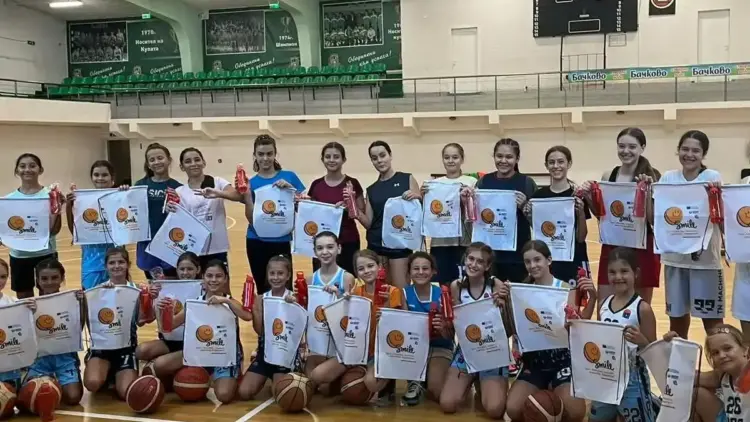
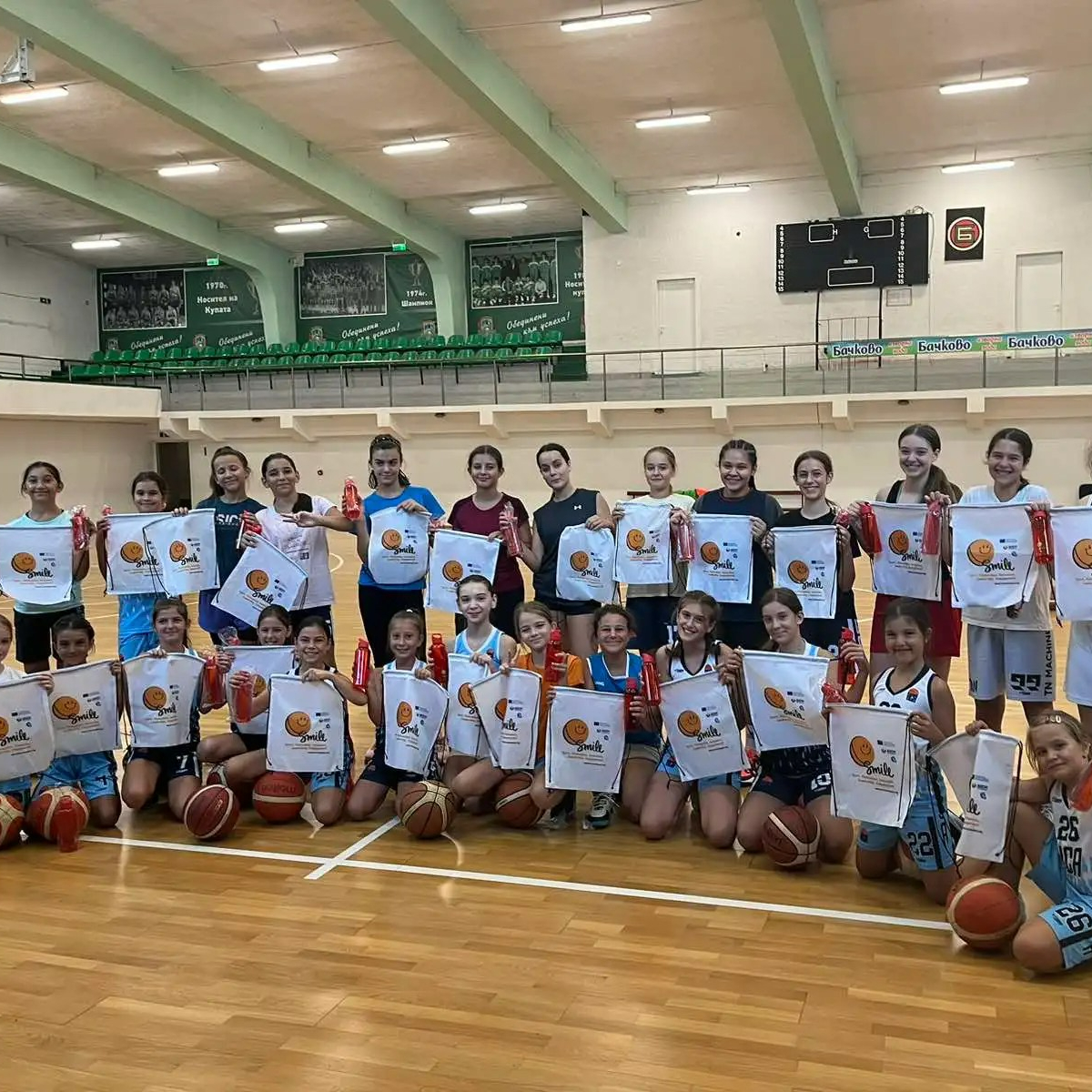
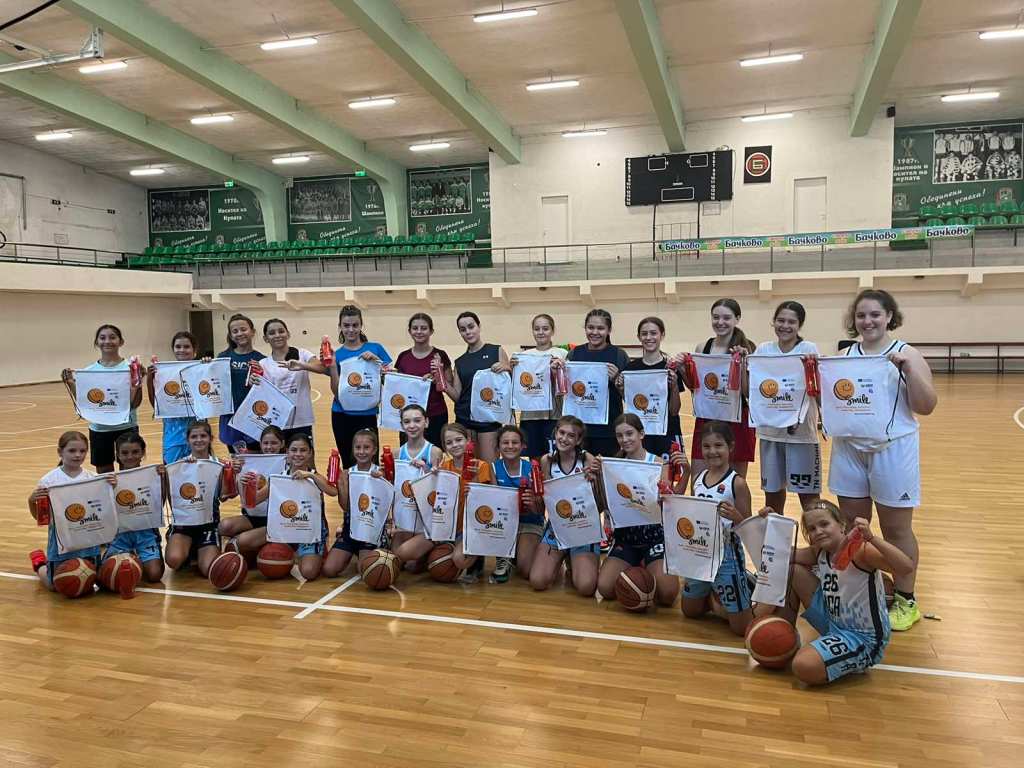
From September 1st to September 6th, 2023, the multifunctional sports hall “Arena Botevgrad” in Botevgrad, Bulgaria, became a vibrant hub of athletic determination, learning, and cross-border collaboration. During these six days, the facility hosted a comprehensive series of training activities dedicated to the #SMILE initiative. Standing for Sport, Motivation, Inclusion, Leadership, and Engagement, the #SMILE project is designed to fundamentally rethink how sports and social inclusion intersect. Rather than viewing athletics strictly through a competitive or recreational lens, the initiative approaches sports as an innovative vehicle for empowerment, specifically by opening doors for individuals with intellectual disabilities to actively participate in international athletic arenas.
The urgency and relevance of the initiative stem from ongoing disparities in sports access for marginalized groups. Traditionally, people with intellectual disabilities face significant systemic, social, and infrastructural barriers that limit their engagement in organized physical activities, particularly beyond their local communities. The #SMILE project confronts these challenges head-on by creating structured pathways for international participation, fostering personal growth, and shifting public perceptions regarding the athletic capabilities of individuals with intellectual disabilities. By gathering participants in a professional setting like the Arena Botevgrad, the initiative provided an environment where barriers were systematically dismantled through shared physical exertion, teamwork, and mutual respect.
To ensure that the initiative generated lasting, tangible results rather than temporary enthusiasm, the project developed several key outcomes designed to support sports organizations, coaches, and advocates across Europe. Among these foundational resources is the #SMILE Good Practices Handbook, which serves as a comprehensive toolkit available to the public and professionals alike. This handbook captures valuable methodologies, insights, and practical strategies gathered throughout the project’s lifecycle, offering a roadmap for educators and sports clubs seeking to implement inclusive practices in their own regions. Furthermore, the initiative successfully empowered a network of authorized sports experts and organizations, equipping them with the specialized tools necessary to replicate and sustain the methodologies developed within the framework of the #SMILE project.
Perhaps the most visible culmination of these efforts was the organization of the international sports event #SMILE, a landmark gathering that brought together people with intellectual disabilities from both Bulgaria and Croatia. This international event was not organized in isolation; it was preceded by rigorous local training sessions conducted within each participating country. These foundational local sessions ensured that participants were physically and mentally prepared for the dynamic environment of an international sports exchange, allowing them to build confidence, establish camaraderie, and refine their skills before stepping onto the broader European stage.
The core philosophy driving the #SMILE project is rooted in experiential learning and community transformation. Through the carefully structured itinerary of activities, the organizers set out to accomplish a series of interconnected objectives tailored to the needs of participants and the broader sports community. Primarily, the project aimed to provide individuals with intellectual disabilities the direct opportunity to discover the transformative power of sports as a tool for inclusion through personal experience. Rather than reading about inclusion or hearing theoretical lectures, participants lived the experience by sharing the court, the training ground, and the daily camp life with peers from different cultural backgrounds.
Collaboration remained a cornerstone of the initiative, reflected directly in the joint creation of the Good Practices Handbook for the Inclusion of People with Intellectual Disabilities, developed hand-in-hand with dedicated project partners. This collaborative process ensured that the resulting toolkit was not merely a theoretical document, but a practical synthesis of real-world experiences, challenges overcome, and successful interventions tested across different national contexts. By engaging individuals with intellectual disabilities in local-level training sessions, the project also sought to trigger a powerful ripple effect. These local sessions ensured that the benefits of the initiative extended far beyond the primary participants, encouraging regional sports clubs and community centers to open their doors to athletes who might otherwise have been excluded.
Moreover, the training camp in Botevgrad served as a vital mechanism for the transfer of good practices among project partners. Coaches, sports administrators, and support staff exchanged valuable insights regarding adaptive physical education, communication strategies, and the logistical frameworks required to safely and effectively host inclusive international sports events. This cross-pollination of expertise ensures that the impact of the #SMILE project will continue to resonate long after the final whistle blew at the Arena Botevgrad, influencing future inclusive sports policies and grassroots initiatives in both Bulgaria and Croatia.
The broader institutional framework supporting the #SMILE initiative is closely tied to the priorities of the European Union’s Erasmus+ program, which co-funds the project. Specifically, the initiative aligns seamlessly with the horizontal priorities of Erasmus+, which mandate the active promotion of inclusion and diversity across all spheres of education, training, youth, and sport. This commitment forms the very heartbeat of the #SMILE project, addressing the needs of a demographic group that has historically found itself in an unequal position regarding access to international mobility and sports development programs. By enabling these athletes to travel, train, and compete abroad, the initiative actively works to bridge the gap between policy commitments and lived reality.
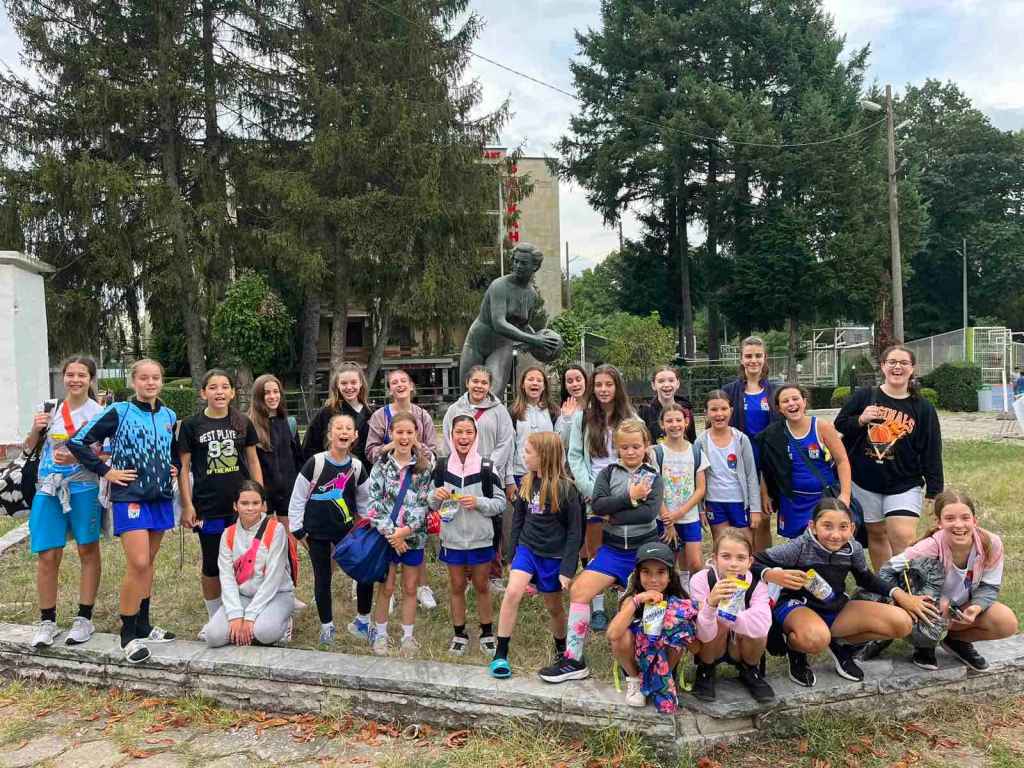
In addition to its strong focus on social inclusion, the project resonates deeply with the Erasmus+ priority of encouraging widespread participation in sports and physical activity. Modern public health and social cohesion policies increasingly recognize that regular physical activity is vital for physical well-being, mental health, and social integration. However, for people with intellectual disabilities, opportunities for sustained engagement are frequently limited by a lack of adapted programs and trained personnel. The activities carried out under the umbrella of the SMILE project directly address this deficit by fostering the sustainable inclusion of individuals with intellectual disabilities in sports activities across local, national, and international levels.
The successful execution of the training camp at Arena Botevgrad demonstrated that with the right structural support, appropriate training methodologies, and a genuine commitment to diversity, sports can truly function as a universal language. As the participants engaged in basketball drills, team-building exercises, and collaborative workshops captured in the camp’s documentation, the atmosphere reflected the core values of the initiative: motivation, leadership, and unreserved engagement. By proving that international athletic exchange is entirely achievable for individuals with intellectual disabilities, the #SMILE project has established a robust benchmark for future inclusive sports initiatives across Europe, leaving an enduring legacy of empowerment and shared athletic achievement.