For wheelchair users who love to travel, the journey through an airport often carries a hidden, compounding anxiety that goes far beyond typical delays, security lines, and tight flight connections. While able-bodied passengers worry about lost luggage or missed boarding calls, travelers with disabilities face a far more consequential risk: the potential destruction of their primary means of mobility. For many, a motorized wheelchair is not merely a convenience or a luxury; it is custom-fitted, highly complex medical equipment that serves as an extension of their own body. When airlines mishandle these essential devices, the disruption to a traveler’s life is profound, triggering a frustrating maze of inspections, repairs, misdiagnoses, and bureaucratic hurdles.
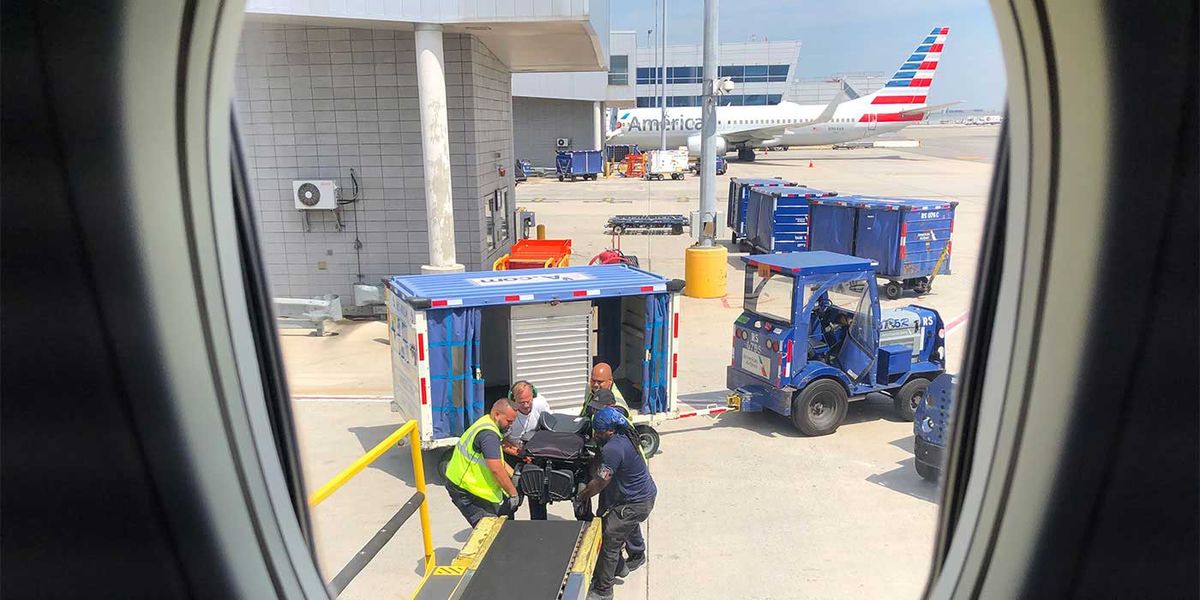
The sheer vulnerability of specialized mobility equipment during air travel was underscored once again earlier this year, following an incident involving an American Airlines flight. As the aircraft sat on the tarmac, a passenger watched in dismay from the airplane window as baggage handlers attempted to offload a heavy, motorized wheelchair. Rather than utilizing the proper wheelchair lift designed for safe transport, the personnel chose to physically lift the massive device directly from the belt loader.
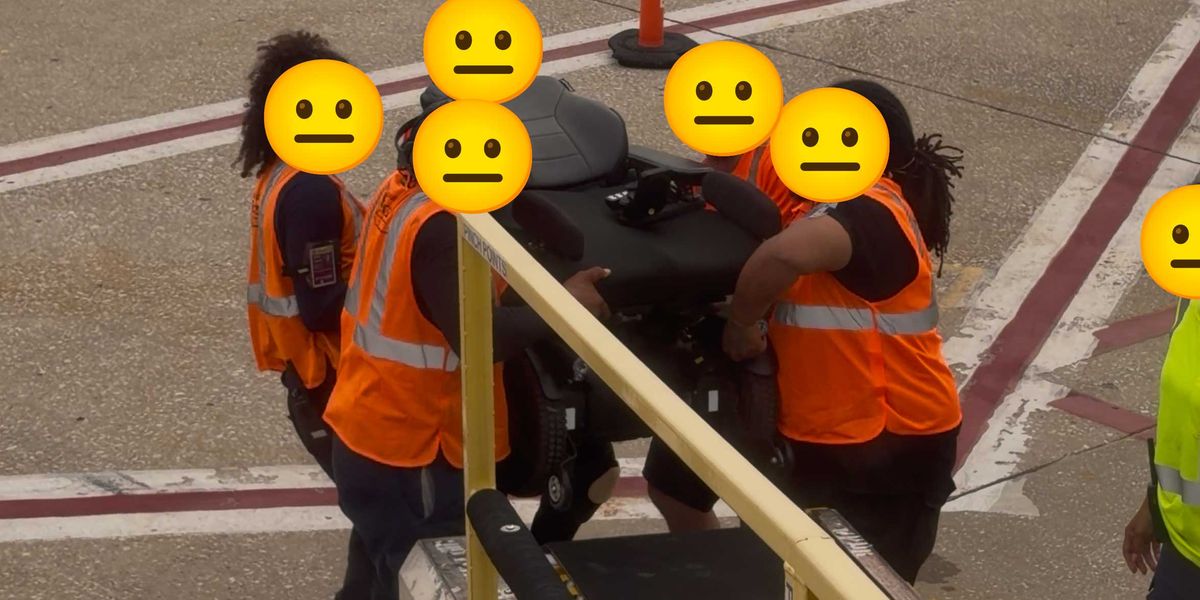
Predictably, the sheer weight of the equipment made it impossible for the handlers to manage safely. The multi-hundred-pound motorized chair slipped from their grip and dropped awkwardly onto the tarmac pavement below.
From the passenger cabin, the immediate assumption was that the core structural integrity of the frame had likely been compromised. However, assessing such complex damage visually is rarely straightforward. When the formal wheelchair damage claim was filed immediately following the flight, the traveler reported only the issues that could be personally and definitively verified at the time: a broken piece of plastic trim, a bent headlight, and, most concerningly, an unusual mechanical noise emanating from the drive wheel. Visually, the sophisticated chassis appeared largely intact, reinforcing the dangerous misconception that looks are everything when it comes to high-end medical equipment.

In response to the initial claim, a wheelchair repair technician was dispatched directly to the traveler’s home to investigate the mechanical anomaly. Following a brief inspection, the technician diagnosed the issue as a bent drive wheel and scheduled a replacement. A couple of weeks later, the new wheel was installed, yet the troubling noise persisted unchanged.
A subsequent technician was then sent out to re-evaluate the equipment, concluding this time that the underlying problem stemmed from a damaged motor. Another specialized part was ordered, shipped, and installed a few weeks later. True to form, the persistent noise remained completely unfazed.
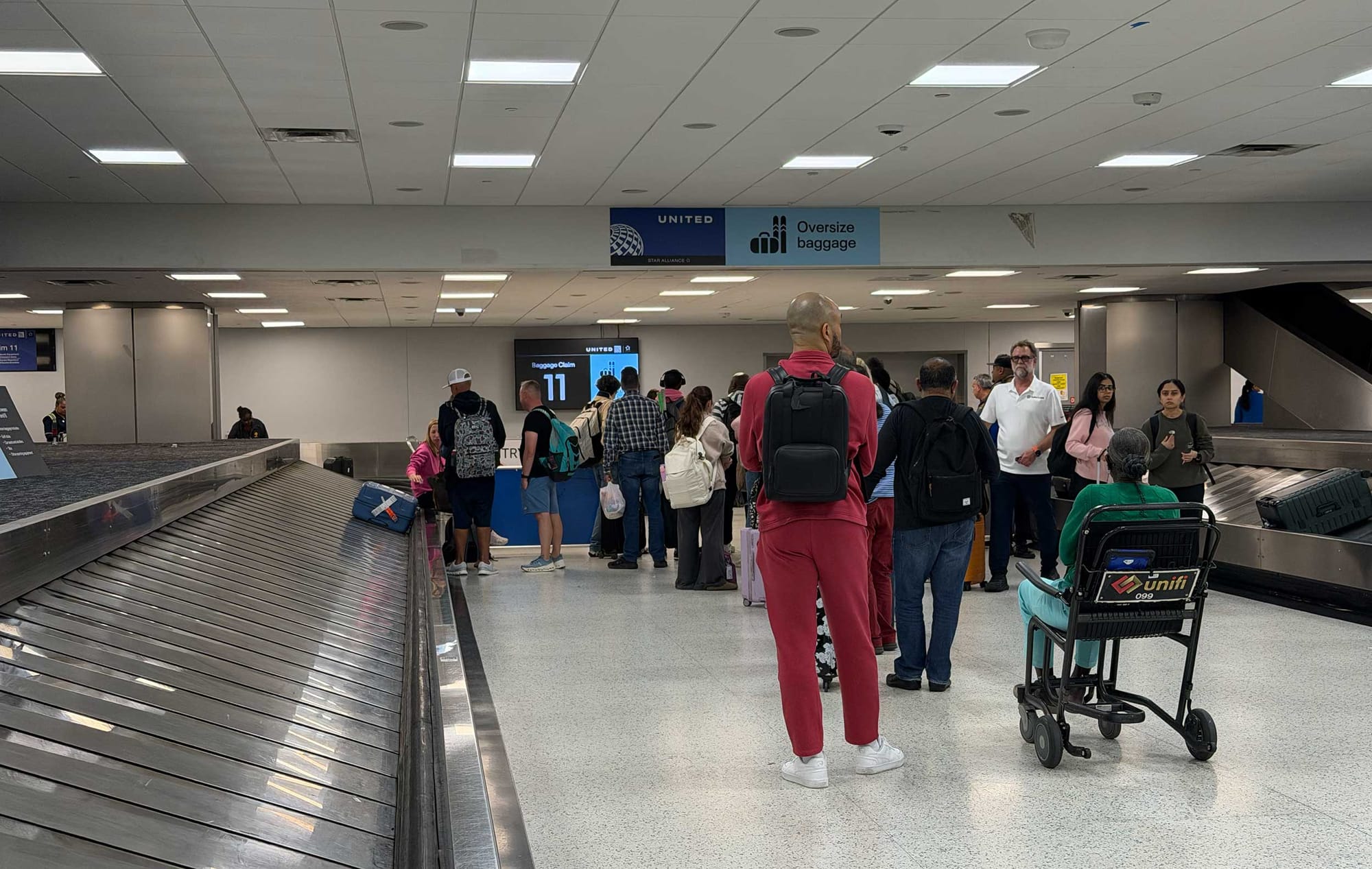
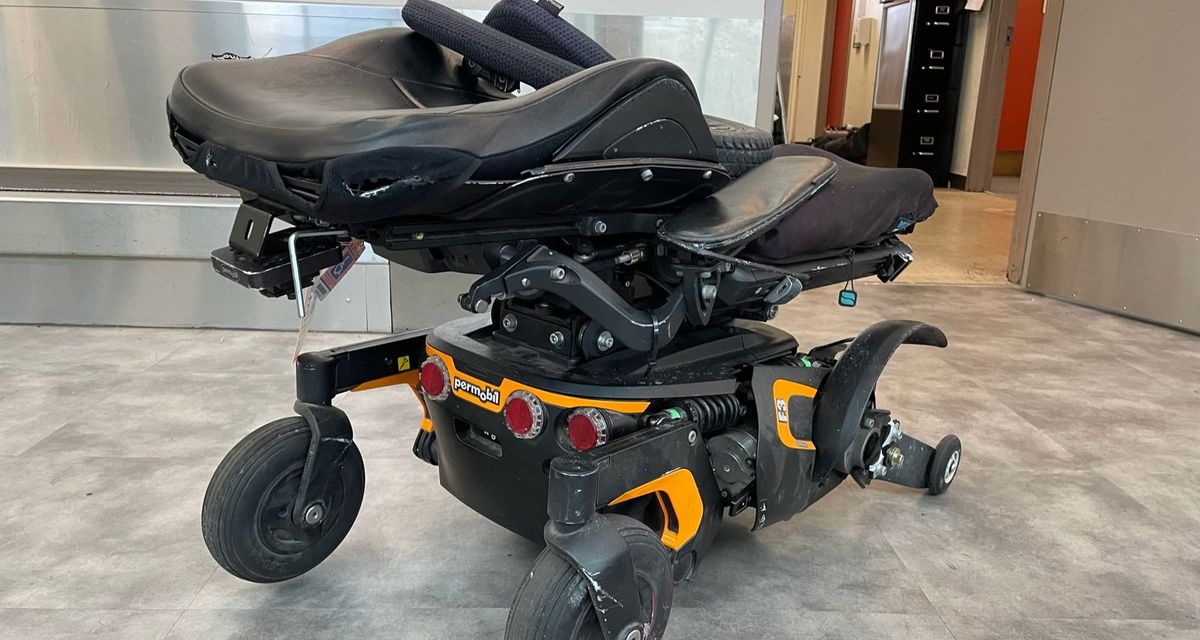
Before this initial saga could be resolved, the wheelchair was subjected to further mishandling during subsequent journeys—this time, enduring two separate dropping incidents at the hands of United Airlines personnel. The cumulative impact of these drops added insult to injury, resulting in a visibly bent armrest, a torn seat cushion, and an even louder, more disruptive mechanical noise emanating from the undercarriage of the chair.
What followed was a frustrating, revolving door of local wheelchair repair technicians visiting the residence. Over a series of appointments, practically every major component of the sophisticated machine—including motors, wheels, casters, and shock absorbers—was systematically swapped out. Despite the extensive overhaul, the mysterious noise never went away.

By this point, the traveler was utterly exhausted. Countless hours had been sacrificed across more than ten separate repair appointments, all yielding zero meaningful progress. The temptation to simply abandon the pursuit and accept the defective machine was high, but in a final, last-ditch effort to find a resolution, the traveler bypassed standard local repair networks and requested an evaluation directly from the manufacturer.
The intervention of a Permobil manufacturer representative fundamentally shifted the trajectory of the case. Unlike local contractors, this specialist possessed deep, expert-level familiarity with the exact engineering and safety tolerances of the equipment. Upon thorough inspection, the representative confirmed what the traveler had suspected from day one: the wheelchair’s frame had indeed sustained severe structural damage during the drops.
The specialist delivered a definitive, industry-standard verdict: once a heavy motorized wheelchair of this caliber is dropped, the manufacturer can no longer certify that the device is safe for daily use.
Those authoritative words proved to be the turning point. Armed with the manufacturer’s formal safety assessment, United Airlines finally approved a replacement wheelchair. With this latest resolution, the traveler achieved a grim milestone: having a high-end power chair completely destroyed and subsequently replaced by each of the major three U.S. carriers—once by Delta Air Lines, multiple times by American Airlines, and now by United Airlines.

Reflecting on the grueling ordeal, the root causes of the systemic failure become clear. Local wheelchair repair technicians generally possess little to no specialized experience in identifying structural frame damage on heavy-duty power mobility devices. Their daily routines consist primarily of standard service calls for in-home or local community equipment—tasks like changing tires, swapping batteries, and replacing routine wear-and-tear parts. The wheelchairs they typically service are never subjected to the brutal physical environment of commercial aviation, where equipment is repeatedly loaded onto more than a hundred aircraft a year.
When these well-meaning technicians were dispatched to assess the airline-damaged chair, they heard an audible malfunction and naturally tried to address it through component replacement. While seemingly reasonable, this approach was fundamentally flawed because the core structural damage was entirely irreparable. Every repair attempt focused on the symptoms rather than the disease, turning the entire diagnostic process into an exercise in futility.

The harsh reality is that commercial airlines routinely subject wheelchairs to forms of catastrophic physical trauma that would be virtually impossible in any normal domestic or community setting. For instance, a 400-pound custom wheelchair is never lifted entirely off its wheels anywhere except when placed under the questionable care of commercial airline baggage handlers. It certainly is never dropped onto concrete tarmac at home. Moving forward, frequent flyers who rely on mobility devices note the critical importance of bypassing general local repair networks early on and demanding evaluations from the equipment manufacturer’s own certified representatives, who are uniquely qualified to identify structural compromises.
Even as old battles conclude, new ones begin. Last month, the long-awaited replacement wheelchair was finally delivered and underwent its first real test a week later on a round-trip journey from St. Louis to Dallas operated by American Airlines. While the outbound leg of the journey went smoothly, the return flight brought immediate déjà vu.
Upon retrieval, the brand-new wheelchair showed signs of transit trauma, emitting loud, concerning squeaking noises from both the seating system and the central pillar. As the cycle threatens to repeat itself, the ongoing struggle highlights the persistent vulnerabilities faced by travelers with disabilities navigating the skies today.