As diverse groups of adolescents and young adults converge in middle and high schools, interpersonal friction is an inevitable part of the daily educational landscape. Whether it is a science lab group debating the correct methodology for a collaborative project, a student feeling alienated because their social circle chose a different path during group work, or a learner experiencing frustration after being repeatedly interrupted during a discussion, classrooms are dynamic environments where misunderstandings frequently arise.
Educational experts emphasize that effective conflict resolution is not about eliminating disagreements altogether. Rather, the primary objective is to equip students with practical strategies to independently manage these conflicts in healthy, constructive ways. By fostering these competencies, educators hope to cultivate young adults who can effectively talk through differences with peers, communicate clearly within friendship circles, and collaboratively resolve problems with those around them.
Integrating structured conflict resolution strategies serves as a foundational tool for academic and social success in secondary education. When implemented intentionally, these measures extend far beyond immediate problem-solving, paving the way for profound developmental benefits for teenagers.
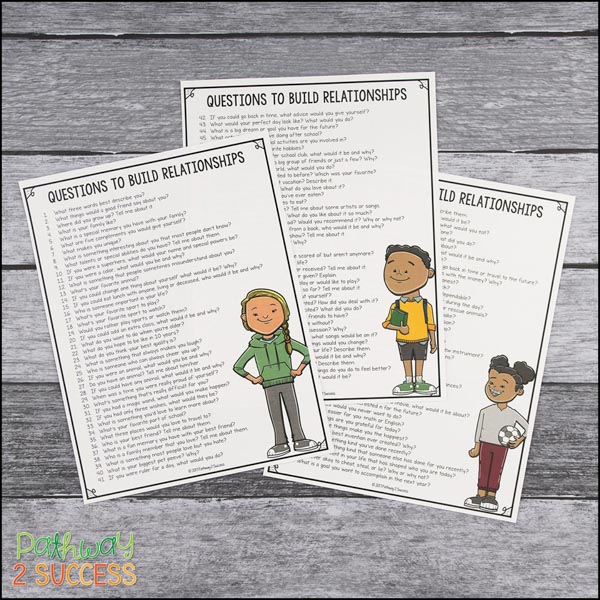
A primary starting point for building these essential skills involves prioritizing classroom relationships. Navigating interpersonal conflict is inherently challenging, requiring continuous refinement even for adults. Consequently, educators stress the importance of helping young adults feel genuinely connected to their peers and teachers. When students experience a sense of belonging and connection within their classroom community, working through complex problems becomes significantly more manageable. Strengthening relationship-building efforts lays a reliable groundwork for future success, often initiated through simple practices such as structured group conversations utilizing targeted questions to spark meaningful dialogue.
Rather than reacting solely when disputes boil over, proactive educators explicitly teach conflict resolution strategies from the start of the academic term. This forward-thinking approach provides students with the proactive tools necessary to navigate difficulties before they escalate. A crucial mindset shift for teenagers is understanding that conflict, when handled correctly, can be a positive catalyst. Working through disagreements encourages better communication, helps students articulate their personal needs, and fosters collaborative problem-solving.
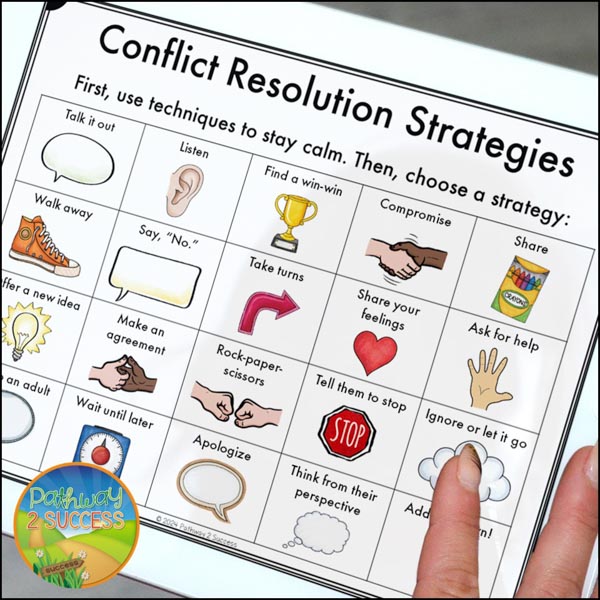
Furthermore, students learn that different scenarios demand tailored approaches. While two peers disagreeing over an academic problem might resolve the issue through active listening and compromise, a student facing peer pressure to share assignment answers must learn to advocate for themselves through assertive communication, such as firmly declining the request. Developing this situational awareness requires ongoing practice and reflection within a safe environment.
Active listening forms another core pillar of this developmental process. Defined as the intentional practice of truly hearing, processing, and seeking to understand another person’s perspective, active listening is vital for successful conflict resolution. Because it does not happen instinctively for developing adolescents, educators weave active listening exercises directly into daily curricula and standard content delivery.
Underpinning all conflict resolution efforts is the physiological necessity of practicing calming strategies. From a neurological standpoint, when individuals feel overwhelmed, stressed, or deeply upset, the amygdala—the brain’s emotional and reactive command center responsible for the fight, flight, or freeze response—takes over. This evolutionary mechanism often triggers impulsive and reactive behaviors. Conversely, when students achieve a state of calm and relaxation, the prefrontal cortex regains control, enabling rational planning, clear thinking, and sound decision-making.
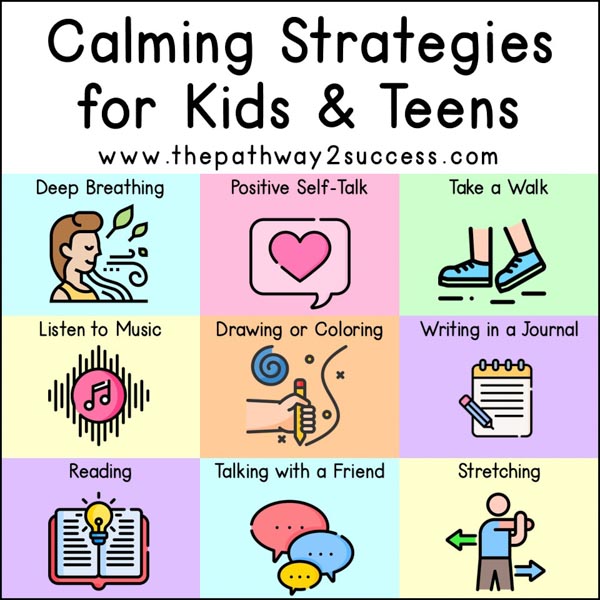
Given that middle and high school students possess developing brains, they frequently require external support and guidance to regulate their nervous systems during moments of stress. Educators can cultivate this inner calm through mindfulness practices, including deep breathing exercises, positive self-talk, supportive peer conversations, and reflective journaling. Integrating these techniques as brief brain breaks between rigorous academic tasks or prior to major assessments helps students internalize calming mechanisms, ensuring they are accessible during moments of heightened conflict.
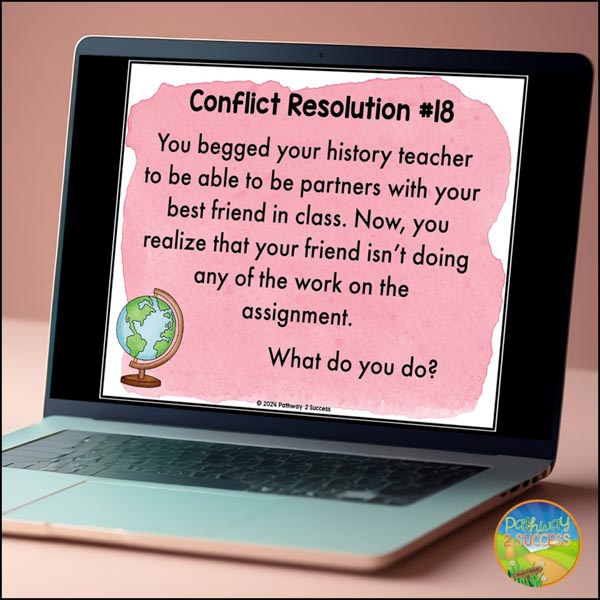
To bridge theory and real-world application, classrooms frequently utilize structured conflict scenario discussions. These exercises present teenagers with realistic interpersonal dilemmas within a supportive environment, encouraging them to analyze the situation, evaluate the core problem, and brainstorm healthy resolution pathways. Because many scenarios yield multiple viable solutions, these discussions promote critical thinking and open dialogue about appropriate courses of action.
Similarly, holding regular class meetings establishes a semi-structured forum where students can collectively examine classroom challenges, evaluate group dynamics, and participate in shared problem-solving. These gatherings reinforce the interconnected nature of conflict resolution and self-advocacy.
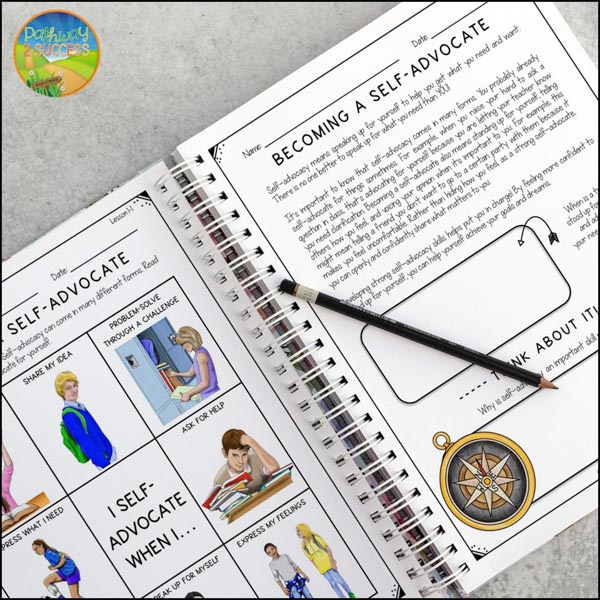
Self-advocacy remains closely tied to a student’s ability to navigate conflict effectively. As teenagers encounter interpersonal friction, possessing clear avenues to advocate for their own needs is essential. This might involve seeking clarification from an educator when academic material is unclear or establishing firm personal boundaries when uncomfortable. Encouraging these behaviors empowers students to take ownership of their educational and social experiences.
Group work activities serve as a natural testing ground for these competencies, challenging students to apply conflict resolution strategies in real time. Before beginning collaborative tasks, teachers often remind students of communication frameworks, preparing them to handle spontaneous disagreements constructively.
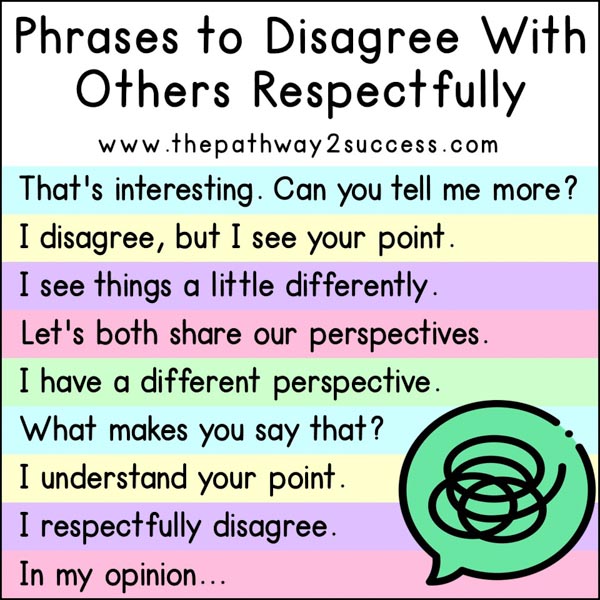
A fundamental aspect of this training involves learning how to disagree respectfully. Disagreements regarding creative preferences, operational methods, or viewpoints are normal facets of human interaction. Equipping students with specific verbal frameworks allows them to express differing opinions without undermining peer relationships. Educators often utilize high-interest topics—such as debates over literature, historical interpretations, or popular culture—as engaging vehicles for relationship-building while simultaneously practicing the art of respectful dissent.
To reinforce these concepts continuously, classrooms often incorporate visual reminders, such as dedicated bulletin boards or posters displaying conflict resolution steps. These ambient cues serve as steady reminders of peaceful problem-solving alternatives during stressful moments.
Finally, daily reflection time provides students with a structured opportunity to evaluate their daily interactions, assess what strategies yielded positive results, and identify areas for personal growth. Typically implemented during the final moments of the school day, reflection encourages self-awareness and personal accountability.
Ultimately, educational experts reiterate that effective conflict resolution in middle and high schools is not designed to eliminate human disagreements entirely. Instead, through targeted strategies, supportive environments, and consistent practice, educators can guide young adults toward managing inevitable conflicts in the healthiest and most constructive ways possible.