The fall calendar for wheelchair-accessible group tours in Europe has officially drawn to a close, marking another successful season of curated travel. Over the past few months, more than 30 readers and community members joined Wheelchair Travel for unforgettable journeys across some of the continent’s most iconic destinations. From taking in the breathtaking heights of the Swiss Alps to learning the art of crafting authentic Italian pasta in the heart of Sicily, these adventures showcased both the beauty of Europe and the growing viability of accessible global tourism.
Even as the autumn itineraries wrapped up, the travel season brought a mixture of deep personal triumphs, logistical hurdles, and broader industry challenges that underscore why advocacy in travel remains as crucial as ever. Looking ahead, the organization has announced that a brand-new group tour to Scotland will officially go on sale next week, offering travelers a fresh opportunity to explore historic landscapes.
Facing the Unexpected and a Family Emergency
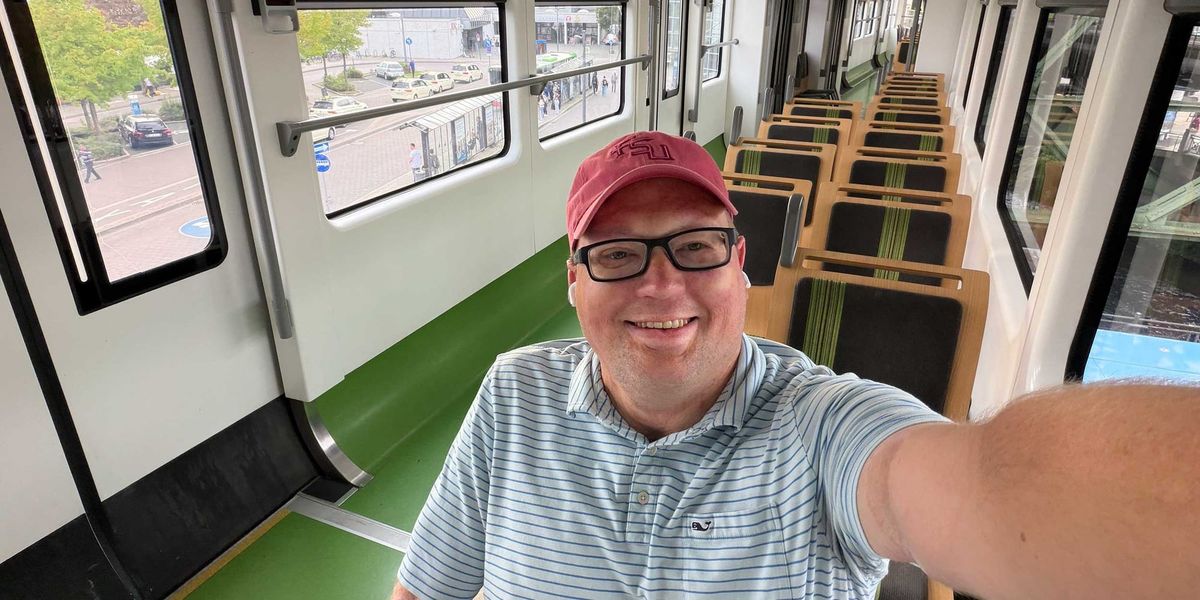
Maintaining an active schedule of back-to-back group tours and international side trips typically requires a traveler to remain away from home for well over a month. However, plans changed abruptly when an urgent phone call altered the schedule: a family medical emergency required an immediate return home.
The situation involved an unexpected emergency surgery for Robert, who faced the health crisis with remarkable strength and resilience. Respecting personal privacy regarding health matters, further details remain private, but the procedure was a complete success. Following a week at home to support the family through the ordeal, international travel resumed, with an itinerary that kicked off in London, England—where a completely different kind of emergency awaited.
Temporarily Trapped in London
The journey back to Europe began with a flight from the United States to London, where a seamless same-day transfer on the Eurostar train to Cologne, Germany, was supposed to follow. It was an inaugural visit to Cologne, a destination long anticipated, but those plans were quickly derailed.
Upon approaching the Eurostar check-in desk at London’s King’s Cross-St. Pancras Train Station, a routine check for a passport revealed an empty bag. What followed was a frantic, exhaustive search through luggage, the crevices of a power wheelchair, nearby restrooms, and a cafe where a morning coffee had been purchased. With no passport found, the search ultimately led back to Heathrow Airport.
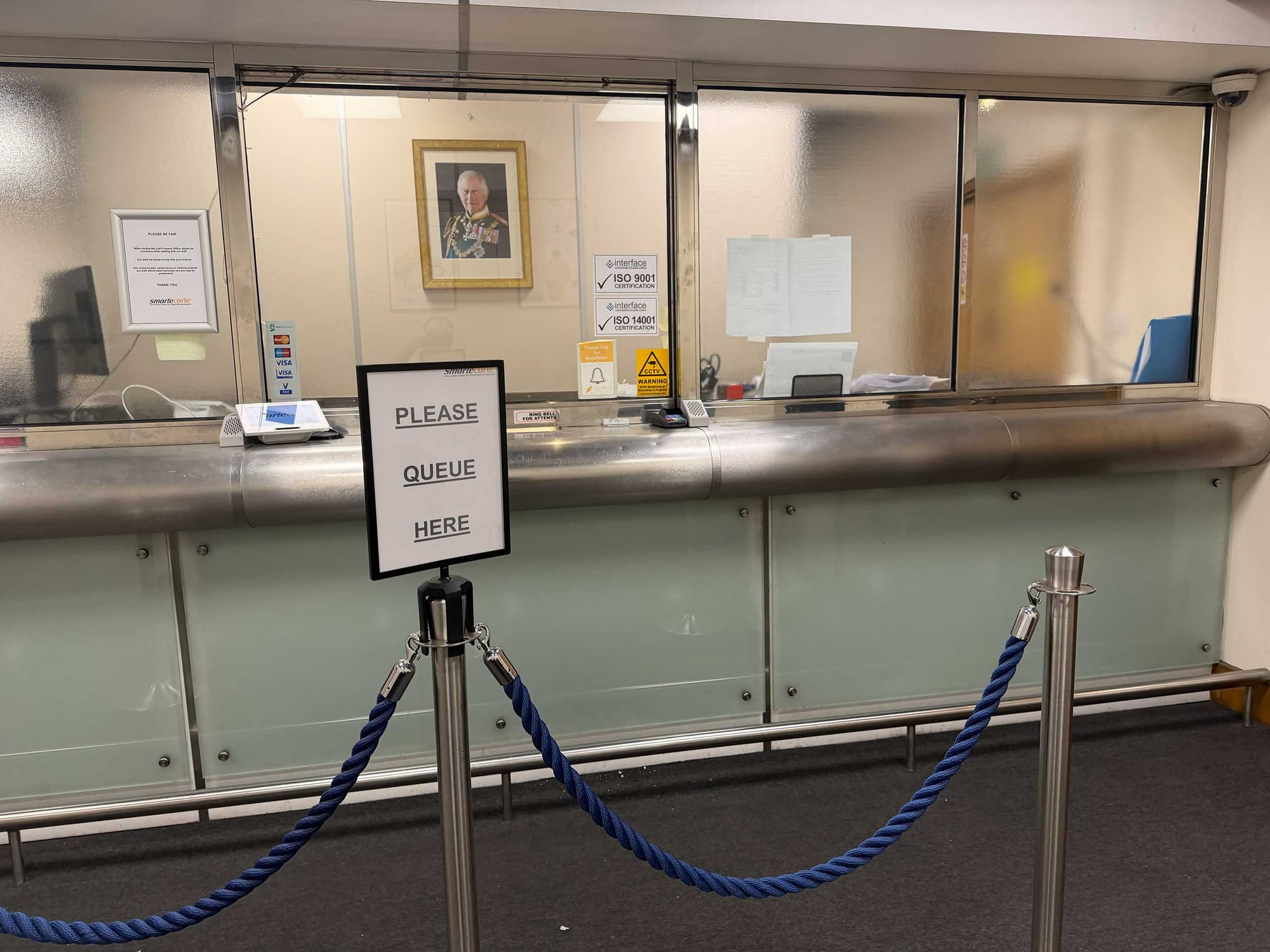
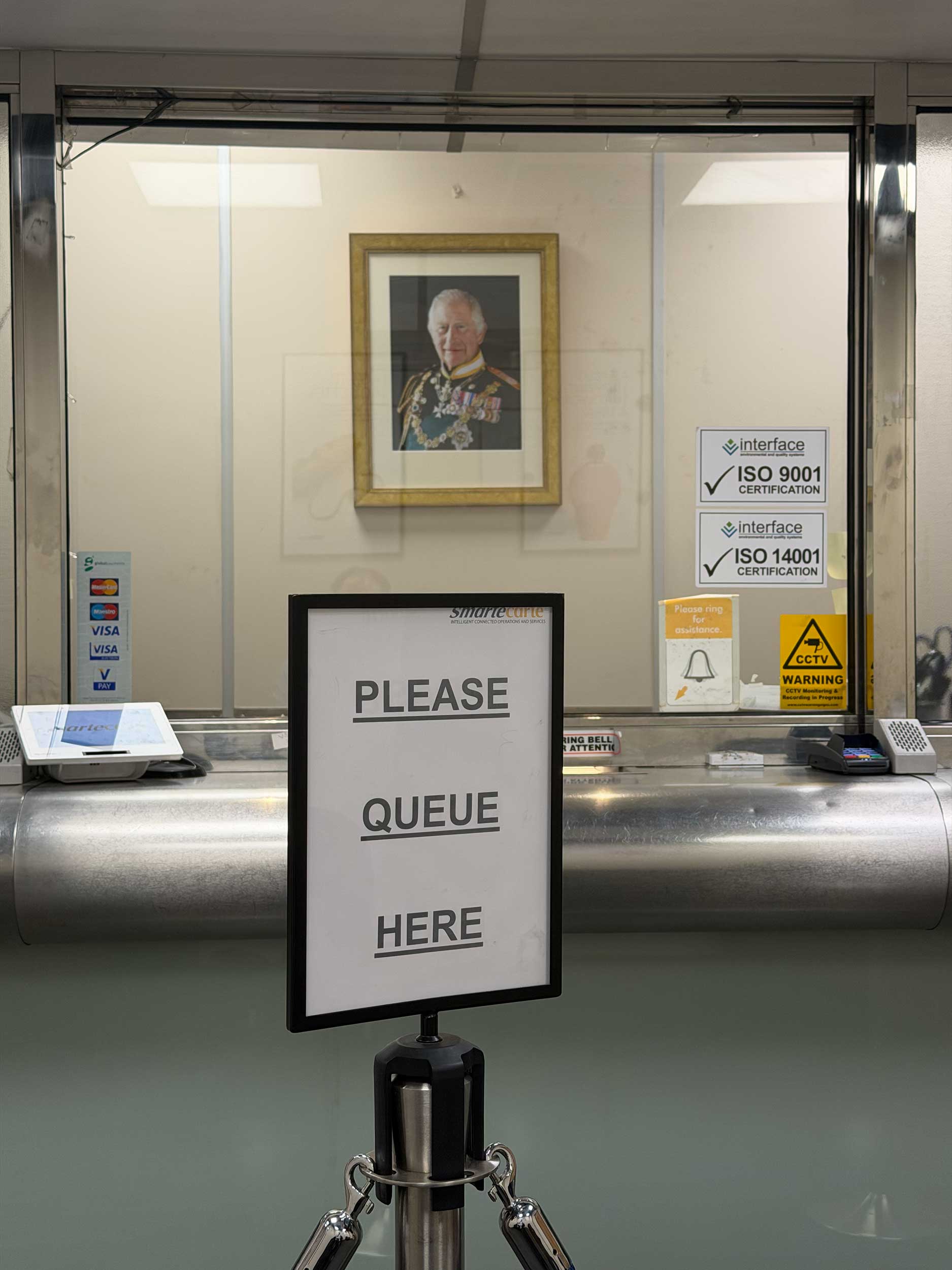
Lost item reports were filed with both the airport and Transport for London. Standing in a lengthy queue at Heathrow’s lost and found office, surrounded by the quiet hum of international travelers, a stark silence set in while staring at a framed portrait of King Charles—prompting a fleeting, ironic thought that His Majesty might be silently judging the unfolding administrative disaster.
Compounding the issue, it was a Saturday, meaning the United States Embassy would remain closed until Monday. Even upon reopening, the embassy could only issue an emergency passport that would not be accepted at the French border, given that Eurostar passengers departing London undergo French immigration processing prior to boarding.
Fortunately, Eurostar maintains a highly consumer-friendly policy permitting free ticket changes up to one hour prior to departure, with passengers responsible only for any applicable fare differences. This flexibility allowed for multiple departure time and date changes without financial penalty.
With the realization setting in that an unplanned night—or multiple nights—in London was inevitable, a last-ditch effort led to the American Airlines check-in desk. Though confident the passport had not been left on the aircraft since it was used to clear UK immigration, speaking with a manager felt like a worthwhile final avenue.
Twenty minutes later, the manager returned holding a familiar blue booklet and asked for Mr. Morris. The passport had been dropped near the baggage carousel; an observant individual had found it containing visible boarding passes and handed it directly to an American Airlines agent before it could be logged into the central lost and found system. It served as a humbling reminder that even seasoned travelers can make amateur mistakes, reinforcing the critical importance of keeping travel documents secure at all times.
Door Ajar on the Eurostar and a Bad Merger
With the passport successfully recovered and a restful night of sleep behind him, the journey resumed the following day via the Eurostar to Cologne’s Central Station, routed through Brussels, Belgium.
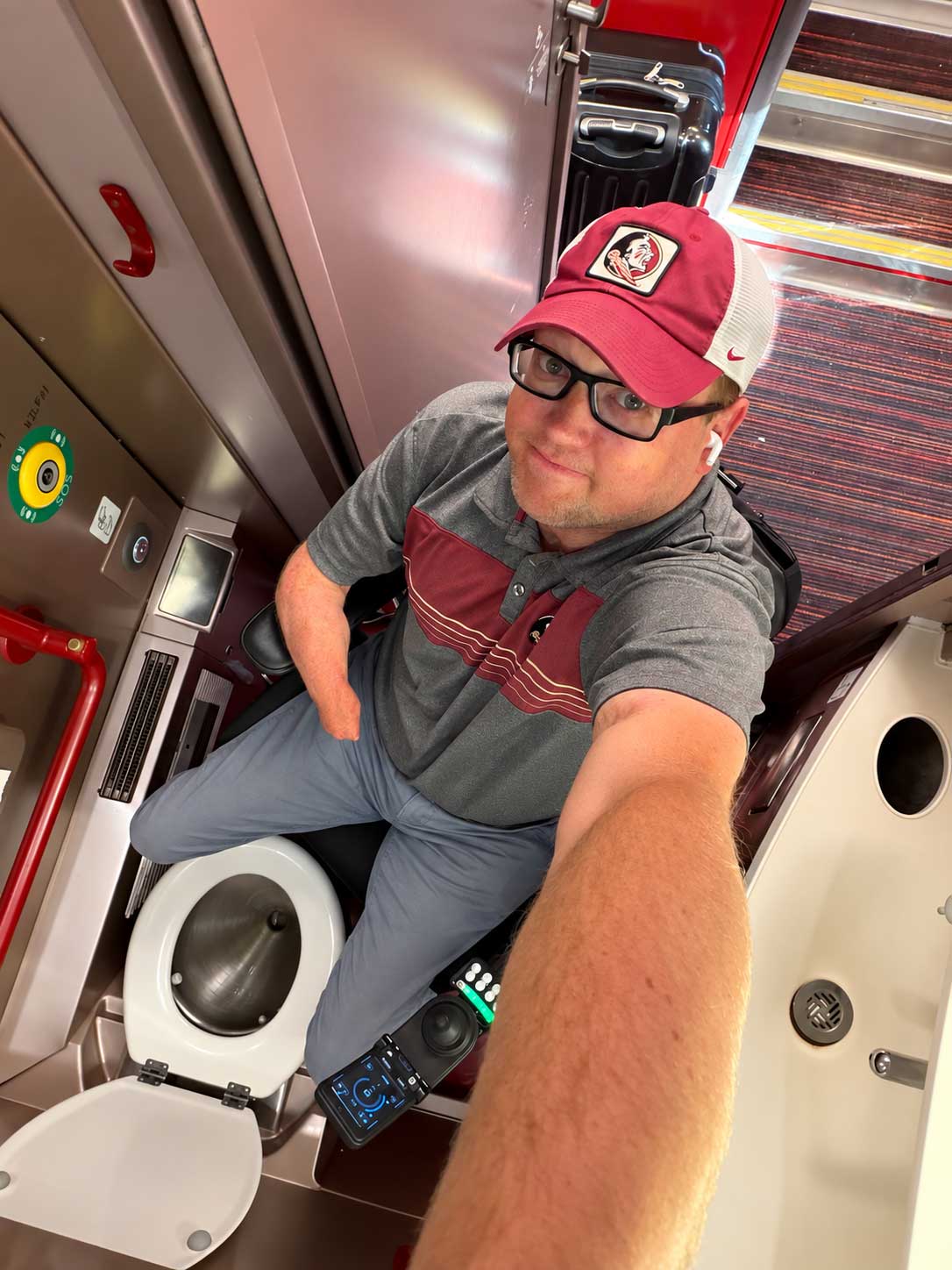
The initial leg of the train trip from London to Brussels met high standards of accessibility, featuring a spacious train car and a large onboard bathroom capable of accommodating a power wheelchair. However, that standard of accessibility did not carry over to the connecting train operated from Brussels to Cologne.
In 2023, high-speed rail operators Eurostar and Thalys completed a major corporate merger. While European high-speed rail is generally lauded for its accessibility, the TGV train sets deployed on former Thalys routes—such as the connection between Brussels and Cologne—present significant design barriers. Corridors are exceptionally cramped, designated wheelchair spaces in accessible cars are extremely limited, and the onboard "accessible" bathrooms are often too small for a wheelchair to fully enter, frequently forcing travelers to navigate tight spatial constraints. For passengers accustomed to the highly accessible Eurostar fleet operating between London, Amsterdam, Brussels, and Paris, encountering such restrictive train cars highlights a troubling inconsistency across the unified brand.
Trainspotting and Railbuffing in Wuppertal, Germany
Because of the initial travel delays and the unexpected layover in London, a prolonged stay in Cologne was cut short. Instead, a direct transfer to a Deutsche Bahn train took place for a 45-minute ride to a smaller German destination that had long occupied a spot on a personal bucket list: Wuppertal.
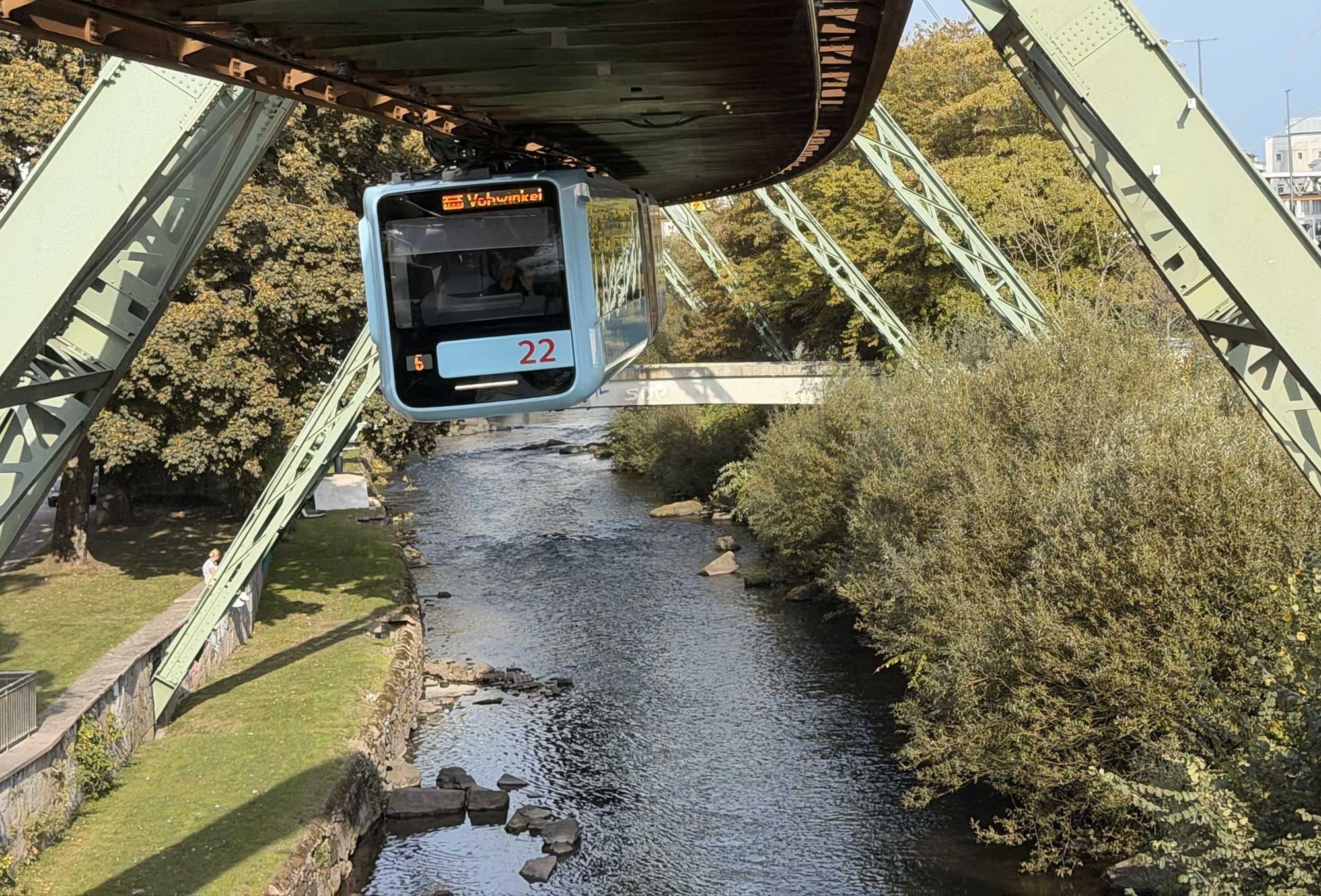
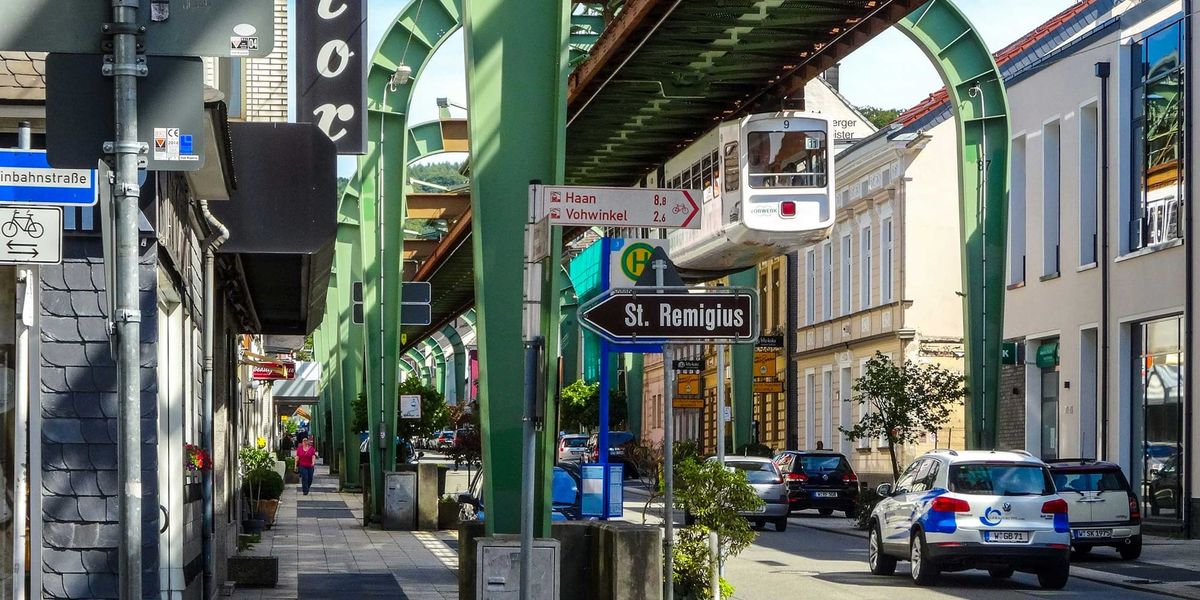
Though gaining traction among contemporary tourists, Wuppertal remains somewhat off the beaten path for international travelers. Its centerpiece attraction is the historic Schwebebahn, an iconic suspended railway that celebrated its 125th anniversary of operation. Historically recognized as an industrial powerhouse, the city is also notable as the birthplace of philosopher Friedrich Engels, who co-authored The Communist Manifesto alongside Karl Marx.

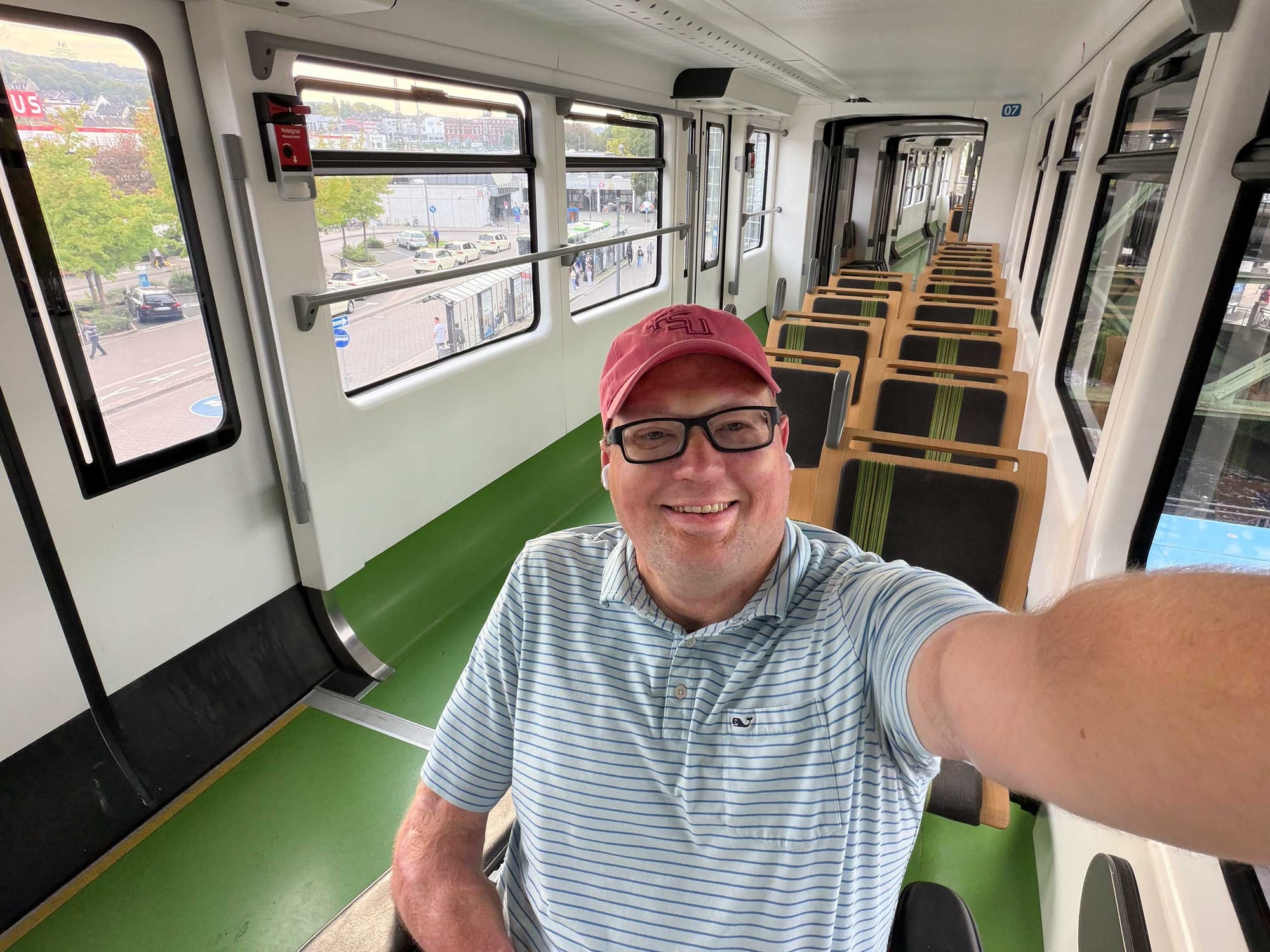
As a dedicated transportation enthusiast, the visit involved riding the Schwebebahn end-to-end in both directions, capturing extensive photography and video documentation, and commemorating the milestone anniversary. For travelers interested in unique transit history and local attractions like the Wuppertal Green Zoo, comprehensive accessibility guides have been published to assist disabled visitors navigating the city.
Coming Soon: Wheelchair Travel Group Trip to Scotland
Building on the success of the autumn group excursions, plans are officially underway for the next major group tour, scheduled to head to Scotland next summer. The 11-day itinerary will run from June 6 to June 16, 2027, taking participants through historic Scottish cities including Edinburgh, Glasgow, and Inverness, with a strong focus on local history, arts, culture, and cuisine tailored for accessibility.
In line with previous tour rollouts, the complete itinerary will be released exclusively to paid newsletter subscribers, who will receive a dedicated three-day private booking window. Remaining spaces will subsequently open to free subscribers, ensuring dedicated supporters have early access to the upcoming travel opportunity.
Itzhak Perlman and ADA Hotel Room Reservations
The logistical challenges of travel frequently extend beyond transit and into accommodations, a reality recently highlighted by world-renowned violinist Itzhak Perlman. In a widely shared social media statement, Perlman recounted arriving at a prominent hotel after a concert performance in North Bethesda, only to discover that the accessible guest room he had confirmed six months prior had been given away.

Left without immediate assistance from hotel staff, Perlman was forced to secure alternative lodging miles away with the help of his concert promoter. Emphasizing that accessibility is a fundamental necessity rather than a preference, the incident echoes legal requirements under the Americans with Disabilities Act, which mandates that hotels guarantee the specific accessible room type reserved by a guest.
Similar frustrations are not isolated to the United States. A comparable incident occurred in Wuppertal, Germany, where a confirmed hotel reservation at a Holiday Inn Express was inadvertently reassigned, necessitating a last-minute relocation to a nearby Hilton. While American disability statutes do not apply internationally, the underlying operational failure remains a universal issue for travelers requiring accessible rooms.

Looking Ahead
With the current international travel leg concluded, the immediate schedule involves focusing on writing, catching up on correspondence, and preparing upcoming digital content, including a forthcoming feature highlighting snapshots from Switzerland.
Domestic travel will resume shortly with a trip to Tallahassee, Florida, to attend a college football game and speak with business students at Florida State University about the economic and social importance of universal accessibility. Following the university engagement, the travel schedule continues in Tampa for the annual TravelAbility Summit. Having served on the conference’s advisory board since its inception, participation will involve connecting with destination marketing organizations, major airlines, hotel chains, and cruise industry leaders to advance the ongoing dialogue surrounding accessible tourism.