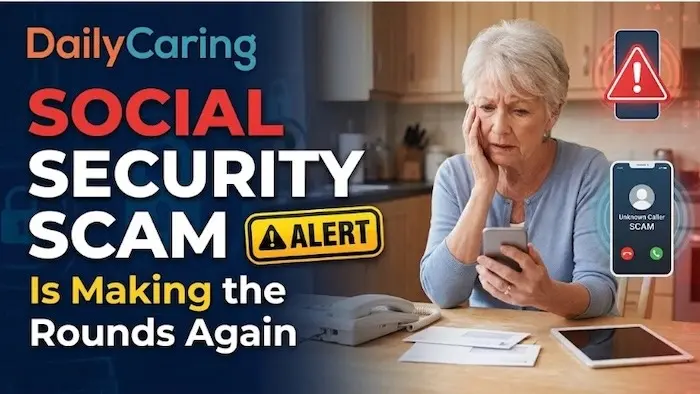
Caring for an older adult often means staying one step ahead of a labyrinth of complex medical schedules, daily care routines, and financial responsibilities. In recent months, however, internet fraudsters have added a deceptive and alarming twist to classic government imposter scams, targeting vulnerable seniors and the family members who support them with sophisticated phishing emails mimicking official Social Security statement notifications delivered straight to their inboxes.
Because many older adults regularly track their benefits, earnings histories, or annual cost-of-living adjustments online, receiving an official-looking alert that a newly updated statement is ready for review can feel entirely routine. Unfortunately, interacting with those messages by clicking embedded links or downloading attachments can lead directly to identity theft and severely compromised financial accounts.
Federal authorities, including the Social Security Administration Office of the Inspector General, have stepped up efforts to warn the public about a significant surge in these fraudulent campaigns, which rely on polished visual deception to trick recipients into surrendering sensitive personal information.
How the Social Security Statement Scam Operates
The deceptive scheme typically begins with an unsolicited email claiming that a loved one’s latest Social Security statement is ready for download. To create a convincing illusion of authenticity, cybercriminals meticulously copy official agency logos, institutional typography, and familiar layouts, making the message appear nearly identical to legitimate government correspondence. The communication applies psychological pressure, urging recipients to immediately click an embedded link or open an attached document to review the purported update.
According to formal alerts issued by the Social Security Administration Office of the Inspector General, clicking these malicious links redirects victims to elaborate counterfeit landing pages. These fake websites are designed to mimic the genuine portal, prompting unsuspecting seniors to sign in and thereby harvesting their Social Security numbers, login credentials, and banking details.
In other variations of the scheme, opening the attached file installs malicious software directly onto the victim’s computer, tablet, or smartphone. This malware grants scammers backdoor access to personal files, keystrokes, and other sensitive data stored on the device.
Distinguishing Legitimate Communications from Phishing Attempts
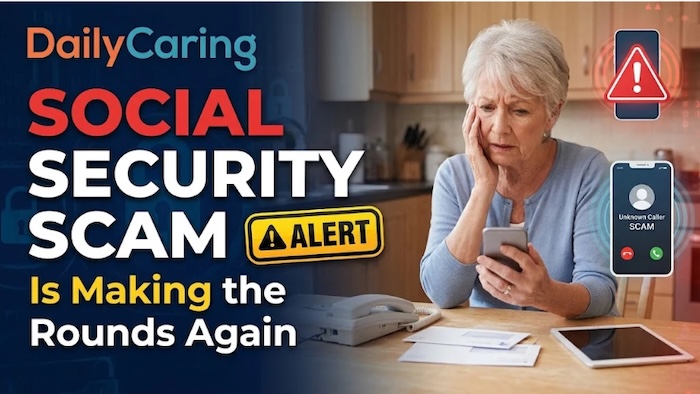
Understanding the differences between authentic agency messages and fraudulent phishing attempts is critical for caregivers who manage administrative tasks for older adults. Legitimate emails from the Social Security Administration always originate strictly from a government web domain ending in the ".gov" extension. In contrast, phishing scams frequently use free webmail services or spoofed lookalike domains that mimic official addresses only at a superficial glance.
Furthermore, authentic agency communications never include direct links that take a user straight to a document download screen. Real courtesy notices simply inform account holders that an update is waiting inside their secure portal Message Center and instruct them to navigate to the website independently. Scam messages, however, rely on direct download buttons, PDFs, or compressed ZIP files that bypass standard security protocols.
Another hallmark of fraudulent messaging is the presence of artificial urgency and heavy-handed demands. Scam emails frequently feature alarming warnings that retirement benefits will be immediately frozen, delayed, or suspended unless the recipient verifies their personal details without delay. Federal officials emphasize that the government never suspends benefits simply because an individual failed to interact with an email notification.
Recognizing Key Warning Signs in Daily Correspondence
Caregivers can effectively spot fraudulent communications by examining specific inconsistencies in message headers and wording. Even when official seals and logos appear authentic at first glance, scammers invariably leave noticeable clues that expose the fraud.
The most reliable indicator is the sender address. If an email notification claims to come from the federal agency but utilizes a public email extension or a strange variation outside of the standard government web domain, it should be treated as an immediate red flag.
Additionally, the nature of the call to action often exposes the fraudulent intent. Legitimate notices serve as neutral courtesy updates, whereas scams apply aggressive pressure tactics regarding fixed retirement income to induce panic and prompt rushed mistakes.

Safe Practices for Managing Benefits and Digital Security
To keep older adults informed while entirely avoiding phishing risks, cybersecurity specialists recommend adopting a strict browsing habit known as typing rather than tapping. Instead of clicking links embedded inside an unexpected email notification, individuals should open a clean, independent browser window and manually navigate to the official portal. From there, users can securely log in to their dashboard to view official benefit statements, review earnings histories, and safely check their Message Center.
For families where adult children or professional caregivers assist with administrative tasks, taking a few proactive steps can make a profound difference. Reviewing spam filters, properly bookmarking the genuine agency portal, and establishing a clear family rule never to click links in unexpected emails concerning money or government benefits can neutralize the threat entirely.
If a loved one has already clicked a suspicious link, downloaded an attachment, or entered sensitive information into an unverified form, swift action can help mitigate the damage and prevent complete identity theft. Affected individuals should immediately secure their financial accounts, update their login credentials, and report the incident to the appropriate authorities.
Navigating the daily responsibilities of caregiving is challenging enough without the added anxiety of digital traps lurking in the inbox. Because aging adults rely heavily on fixed retirement income, sudden benefit notifications naturally trigger concern, making these deceptive statement notices uniquely insidious. By establishing simple verification routines and maintaining open communication, families can protect their peace of mind and safeguard their hard-earned benefits against increasingly sophisticated online threats.