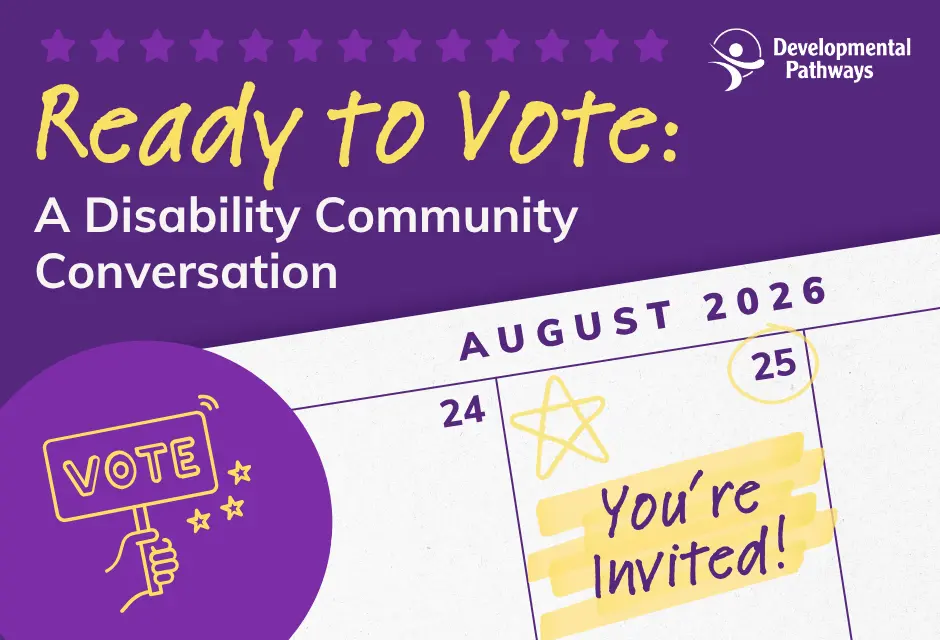
As the upcoming election season draws closer, ensuring that every eligible citizen feels prepared, informed, and confident to cast a ballot remains a paramount priority for civic organizations and local governments alike. Recently, community advocates and election officials came together for a pivotal virtual gathering designed to demystify the voting process for individuals with disabilities. Titled “Ready to Vote: A Disability Community Conversation,” the event served as a comprehensive platform to address accessibility concerns, provide official guidance, and answer pressing questions directly from voters.
Organizers have expressed their profound gratitude to everyone who attended the live session, noting that the strong turnout reflects a deep and active commitment to civic participation within the disability community. The primary goal of the conversation was to ensure that attendees left not only with a clearer understanding of how the electoral system works, but also with the practical knowledge and self-assurance needed to navigate their voting options successfully this year.
A cornerstone of the event’s success was the direct collaboration between community organizers and local election administration officials. Representatives from the Arapahoe County and Douglas County elections staffs generously lent their time and expertise to the gathering. These dedicated professionals delivered accurate, up-to-date guidance regarding the mechanics of voting in their respective regions and took the time to directly address questions raised by participants. Their involvement underscored the importance of transparency and open communication between local government agencies and the constituencies they serve, helping to bridge any potential gaps in information and building trust ahead of election day.
For community members who were unable to attend the live virtual conversation, or for those who wish to review the detailed information shared during the session, organizers have ensured that the resources remain accessible. A full recording of the event has been published and is now available for viewing on the organization’s official YouTube channel. This ensures that the insights, presentations, and question-and-answer segments remain a permanent, searchable resource for anyone seeking guidance on the voting process.
As the election season gathers momentum, event organizers and election officials have underscored several critical reminders for voters to keep in mind. Foremost among these is the importance of verifying voter registration well in advance of deadlines. Residents are encouraged to visit GoVoteColorado.gov, the official state portal, where they can register to vote for the first time, check the status of their current registration, or explore the full range of voting options available to them, including mail-in voting, accessible voting devices, and in-person polling locations.
Additionally, community members are advised to stay connected through digital channels. Following the host organization and local county partners on various social media platforms is an effective way to stay informed about upcoming election reminders, important deadlines, and newly released civic resources as the calendar moves forward.
For voters who attended the event or reviewed the materials but still find themselves with lingering questions, the support does not end with the broadcast. The county election partners who participated in the conversation have made themselves readily available to assist with any follow-up inquiries. Whether voters need clarification on specific accessibility features at polling places, assistance with mail-in ballot procedures, or guidance on updating personal registration details, local election offices stand ready to provide the necessary support.
At its core, voting is a fundamental right guaranteed to every eligible citizen, and ensuring that this right can be exercised fully and independently is a shared responsibility. Events like “Ready to Vote: A Disability Community Conversation” highlight the profound impact of proactive outreach, education, and collaboration between local governments and advocacy groups. By equipping community members with the knowledge and confidence they need to make their voices heard, these initiatives help reinforce the democratic process and ensure that civic participation remains truly inclusive for all.