As the winter season sets in and holiday breaks approach, educators, parents, and youth development specialists are increasingly highlighting the critical need for targeted self-regulation support among children and teens. The combination of shifting daily routines, extended periods indoors, and the natural excitement or stress surrounding the holiday season often disrupts young people’s ability to manage their thoughts, feelings, and behaviors. To combat these seasonal challenges, a growing body of strategies emphasizes that teaching these essential skills can be both effective and enjoyable through interactive, winter-themed activities.

Self-regulation serves as the foundational ability that allows children to navigate everyday emotions, maintain focus on demanding tasks, and build positive social connections with their peers. While these competencies are vital throughout the entire calendar year, professionals note that vulnerability to emotional dysregulation spikes significantly during the weeks immediately before and after extended winter breaks. Changes in schedules and environmental factors create an urgent demand for structured support systems in classrooms and homes alike.

To address this seasonal need, experts have outlined a comprehensive variety of engaging activities designed to help children and teenagers practice self-regulation in accessible ways. Rather than relying on rigid discipline, these approaches integrate mindfulness, sensory exploration, and creative expression into daily routines.

Among the foundational approaches gaining traction are winter-themed breathing exercises. By focusing deliberately on inhales and exhales, children learn to utilize mindful breathing as an internal pause button rather than reacting immediately to impulses or stressful feelings. Educators explain that this practice activates the parasympathetic nervous system, the physiological mechanism responsible for true rest and relaxation. Extensive research continues to support the premise that intentional breathing exercises effectively bolster self-regulation, enhance cognitive focus, and foster a general sense of calm.

Physical movement and connection with the outdoors also play a vital role in seasonal emotional management. Outdoor nature walks encourage children to explore their immediate environment by actively engaging all five senses—noting the crisp breeze, observing wildlife, and processing sensory inputs in real time. Scientific studies consistently demonstrate that spending time in natural surroundings significantly reduces stress levels, strengthens attention spans, and improves overall mood. Furthermore, venturing outside guarantees vital exercise and exposure to natural daylight, commodities that become scarce during darker winter months. When inclement weather prevents outdoor excursions, educators frequently substitute nature-themed brain breaks to achieve similar restorative effects.

In addition to physical movement, reflective practices such as winter gratitude exercises offer significant psychological benefits. By taking time to identify and articulate specific aspects of the season they appreciate—ranging from the warmth of hot cocoa to cherished family moments—children engage in active perspective-shifting. Journaling and structured discussion around gratitude help rewire cognitive patterns to focus on positive experiences, which research links to reduced stress, enhanced resilience, improved sleep patterns, and overall well-being.

Creative outlets provide another essential avenue for emotional regulation during the colder months. Mindful winter coloring, which incorporates positive self-talk phrases, allows students to engage in a relaxing task that does not demand absolute physical stillness. This makes coloring an exceptionally effective strategy for children who require light movement while attempting to reduce anxiety and enhance mood. Similarly, cozy reading sessions, enhanced by ambient fireplace visuals and immersive storytelling, offer a constructive mental respite from daily stressors while easing muscle tension and fostering empathy.

Sensory integration has likewise emerged as a cornerstone of seasonal support strategies. Winter-themed sensory bins, filled with tactile materials, encourage mindfulness and curiosity through hands-on play while simultaneously supporting fine motor skill development. Complementing these tactile experiences, mindful consumption activities—such as slowly sipping a warm cup of hot cocoa while paying strict attention to temperature, aroma, and taste—engage the central nervous system in physical relaxation.

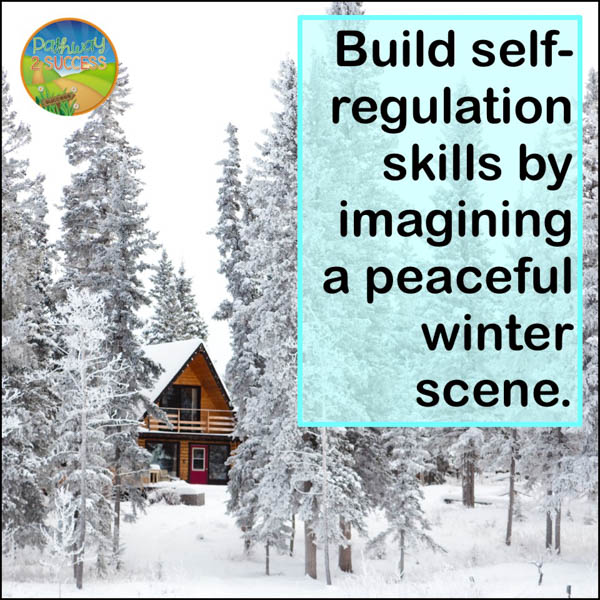
Mental visualization exercises take advantage of the imagination to help children journey mentally to calming winter landscapes, utilizing sensory prompts to transition the body into a relaxed state. Meanwhile, hands-on craft projects provide structured creative environments where young learners can practice patience, focus their attention, and navigate the emotional challenges that arise when creative endeavors do not go precisely as planned.

Auditory approaches also contribute significantly to classroom and home management during the winter season. Playing gentle, winter-themed instrumental music creates a serene atmosphere during transitions and independent work sessions, triggering a natural physiological relaxation response. Conversely, active games like winter freeze dance incorporate high energy with sudden demands for self-control, requiring participants to listen intently and manage their physical movements in response to specific seasonal cues.
As communities continue to adapt to the unique pressures of the winter months, professionals emphasize that integrating these diverse, engaging practices can substantially ease the transition periods surrounding holiday breaks. By embedding mindfulness, movement, and creativity into daily schedules, adults can provide the essential scaffolding children and teens need to maintain emotional balance throughout the season.