
As the winter season sets in and school communities approach extended holiday breaks, educators, counselors, and parents are increasingly focusing on strategies to help children and young adults manage their emotions and behaviors. The period surrounding winter and holiday breaks is frequently marked by shifts in daily routines, an increase in indoor confinement due to inclement weather, and heightened emotional stress. Experts note that these compounding factors make proactive self-regulation support not just helpful, but essential for children navigating the transition.

Self-regulation—defined as the fundamental ability to effectively manage thoughts, feelings, and actions—plays a critical role in a child’s daily life. It enables youngsters to cope with everyday emotional fluctuations, maintain focus on academic and personal tasks, and establish positive social connections with peers and adults. While these skills are vital year-round, the disruption of structured schedules and the anticipation of holidays often amplify behavioral challenges, prompting schools and families to seek out innovative, engaging ways to reinforce these competencies.

Rather than treating emotional management as a rigid or clinical exercise, child development advocates emphasize that practicing self-regulation can be seamlessly integrated into enjoyable seasonal routines. To address these seasonal challenges, educators and youth leaders are turning to a diverse repertoire of engaging winter-themed activities designed to calm the nervous system, foster mindfulness, and encourage emotional resilience.

Among the foundational approaches utilized by educators are winter-themed breathing exercises. Mindful breathing acts as a crucial cognitive pause button, allowing children to step back from immediate impulses and knee-jerk reactions. By focusing intentionally on slow inhales and exhales, children can activate the parasympathetic nervous system, the biological mechanism responsible for rest and relaxation. Extensive research highlights that intentional breathing exercises effectively support self-regulation, enhance concentration, and cultivate an overarching sense of composure in high-stress environments.

In addition to indoor breathing techniques, structured outdoor exploration offers significant psychological and physical benefits during the colder months. Organized nature walks encourage children to engage their senses by observing the immediate environment—noticing the chilly winter breeze, the texture of frost, or local wildlife. Research consistently demonstrates that spending time in natural surroundings reduces stress hormones, sharpens attention spans, and elevates overall mood. Furthermore, outdoor winter excursions promote physical activity and exposure to natural daylight, which are frequently lacking during shortened winter days.

Gratitude reflection represents another powerful psychological tool adapted for the winter season. Educators are implementing structured sharing circles and reflective journaling to encourage children to articulate specific aspects of the season they appreciate, ranging from comforting traditions to the warmth of winter sunlight. Scientific studies indicate that active gratitude practice rewires cognitive pathways to favor positive stimuli, resulting in reduced stress, enhanced emotional resilience, better sleep patterns, and improved general well-being.

For children who benefit from creative and tactile outlets, mindful coloring and structured art projects offer substantial therapeutic value. Winter-themed coloring pages paired with positive self-talk phrases allow students to slow down, focus, and release physical tension. Unlike traditional meditation that demands absolute stillness, coloring provides a constructive channel for youngsters who require gentle movement. Similarly, hands-on craft projects engage fine motor skills while requiring children to follow multi-step processes, manage frustration when execution falls short of perfection, and maintain attention over extended periods.

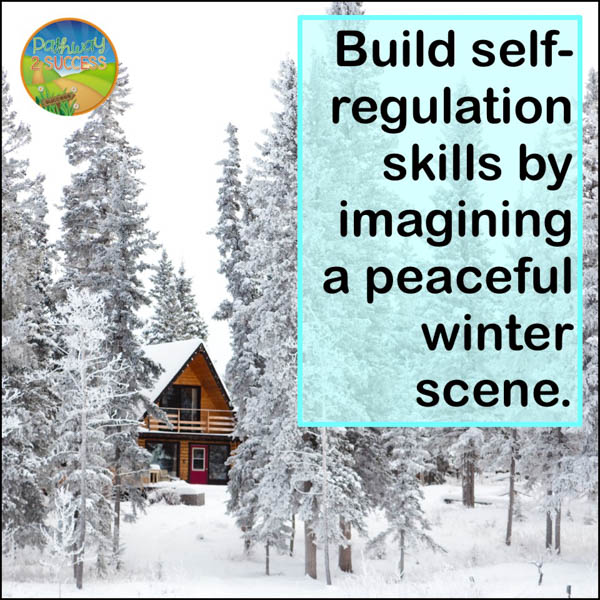
Literacy and imaginative visualization also serve as effective co-regulation tools within educational settings. Cozy reading sessions, particularly when shared aloud through teacher-led read-alouds, foster a deep sense of interpersonal connection and community calm. Literature immersion has been shown to lower physiological stress markers, alleviate muscle tension, and build empathy. Complementing this, guided winter imagery prompts children to close their eyes and mentally explore tranquil snowy landscapes, utilizing sensory cues to trigger a natural physiological relaxation response.

Sensory integration remains a cornerstone for supporting self-regulation, particularly through the use of winter-themed sensory bins filled with textured materials. These tactile exploration zones encourage mindfulness, curiosity, and fine motor development. On a sensory level, mindful consumption activities—such as slowly sipping a warm cup of hot cocoa while paying strict attention to its warmth, aroma, and taste—engage the central nervous system directly. The warmth of the beverage assists in relaxing tense muscles and signaling safety to the brain, turning a simple winter treat into an exercise in grounded awareness.

Music and movement round out the comprehensive suite of seasonal strategies deployed by educators. Playing gentle, instrumental winter melodies in the background creates an atmosphere conducive to focus and transitions. Meanwhile, active games like winter-themed freeze dance challenge children to alternate rapidly between physical exertion and sudden stillness, directly exercising their capacity for self-control, impulse management, and active listening.
As communities continue to support children through the unique pressures of the winter months, these varied, evidence-based activities provide practical avenues for fostering emotional balance, resilience, and well-being.



