
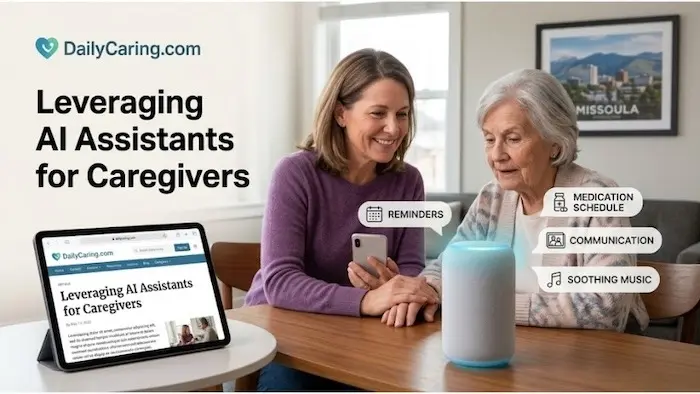
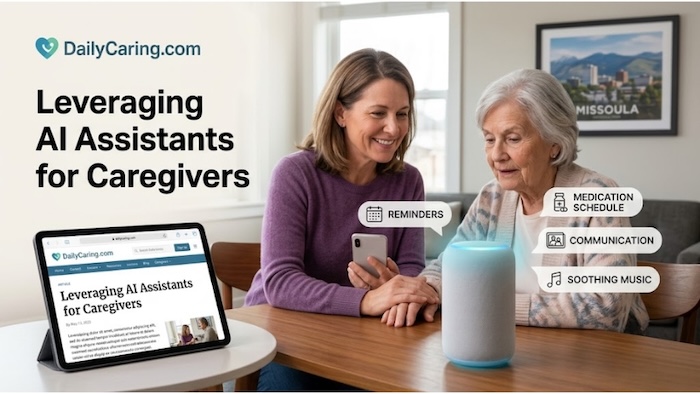
Family caregiving is universally recognized as an act of profound love, dedication, and selflessness, but it also demands an overwhelming amount of responsibility. Across the country, millions of family members juggle medical appointments, medication schedules, household chores, and emotional support, frequently sacrificing their own physical and mental well-being in the process. Beneath the surface of these daily routines lies a crushing, invisible weight often described by experts as the caregiver’s mental load. In response to this mounting crisis, a new wave of practical artificial intelligence tools is emerging to help families automate the mundane, organize the chaos, and restore a sense of balance to their lives.
Authored by technology expert and advocate Chris Clark and edited by Amie Clark, recent updates in caregiving resources highlight how modern technology is shifting away from basic digital reminders and toward sophisticated, supportive co-pilots. Industry observers emphasize that these technological innovations are not designed to replace the human touch or substitute for genuine emotional connection. Instead, they are intended to empower caregivers by streamlining administrative burdens, reducing decision fatigue, and ultimately providing individuals with more moments to simply be present with their aging or ailing loved ones.
Understanding the Invisible Burden of Caregiving
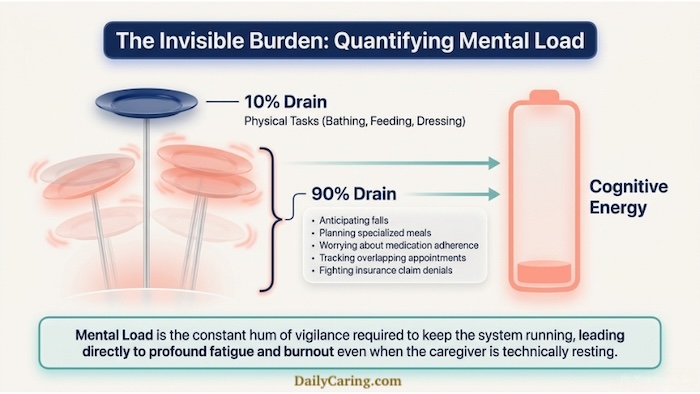
To appreciate the role that modern technology can play, experts suggest acknowledging the true nature of the challenge. The mental load of caregiving is rarely about a single task; rather, it is the constant, relentless cognitive effort required to keep everything running smoothly. A caregiver’s brain often resembles a continuously spinning set of plates. Questions constantly cycle through the mind: Did my loved one take their prescribed pills? When is the next physical therapy session? What specific groceries do we need to pick up? Did I remember to call the insurance company regarding coverage denials? How can I manage my children’s schedules simultaneously? Is my aging parent comfortable right now?
This mental load involves the continuous remembering, planning, anticipating, and worrying about tasks even when the caregiver is not actively performing them. Over time, carrying this silent, relentless cognitive burden erodes physical health, emotional resilience, and overall quality of life. Caregivers frequently find themselves perpetually tired, irritable, anxious, and struggling to focus or sleep. When left unaddressed, this chronic stress culminates in complete caregiver burnout—a state of profound emotional, physical, and mental exhaustion marked by a loss of enthusiasm, chronic fatigue, and feelings of helplessness.

The Evolution of Technology in Family Caregiving
While society has long associated artificial intelligence with complex, intimidating technology, its application in the caregiving sphere has evolved into something remarkably accessible and practical. Years ago, technology offered little more than basic alarm clocks or rudimentary calendar alerts. Today, modern AI assistants for family caregiving have advanced significantly, capable of learning daily routines, understanding complex natural language commands, integrating with smart home devices, and offering proactive suggestions.
These tools function as sophisticated digital assistants designed to anticipate needs and streamline daily operations. The core promise of artificial intelligence in this context is returning precious time and mental breathing room to the individual managing the household. By automating repetitive administrative tasks, organizing complex health information, and providing instant access to resources, these digital solutions aim to reduce the constant hum of anxiety that plagues so many households.

Practical Applications and Real-World Tools
In practice, artificial intelligence impacts several distinct areas of the caregiving experience, starting with daily tasks and scheduling. Smart assistants can effortlessly manage calendar synchronization, coordinate automated medication reminders, and compile dynamic grocery lists based on dietary requirements, significantly cutting down on frantic last-minute trips and decision fatigue. In terms of communication and coordination, digital tools help keep vital health notes and family updates centralized in a single location, minimizing the need for exhausting group text chains among relatives.
Furthermore, monitoring and safety technologies have seen remarkable advancements that balance security with personal dignity. For instance, systems like Sensi.ai offer non-invasive monitoring by placing small, audio-only care pods around the home rather than traditional, privacy-violating video cameras. The technology listens for acoustic anomalies—such as a sudden thud, repeated coughing spells, distress sounds, or unusual nighttime bathroom trips—and immediately alerts the family caregiver on their smartphone, thereby enhancing safety while preserving the senior’s dignity.
Similarly, conversational companion robots like ElliQ are changing daily engagement for older adults. Unlike a standard smart speaker that waits passively for a command, ElliQ is proactive, initiating conversations, guiding seniors through light chair yoga, playing trivia, facilitating video calls, and gently reminding them to stay hydrated or take medications. For the family caregiver, companion systems provide regular updates regarding activity levels and mood, helping to alleviate the lingering guilt of not being physically present around the clock.
For organizing informal support networks, applications like ianacare utilize smart algorithms to help caregivers mobilize friends, neighbors, and extended family members who frequently offer help without knowing what to do. The platform centralizes communication and allows users to delegate specific tasks, such as grocery drop-offs, doctor appointments, or respite coverage. Meanwhile, general language models like ChatGPT and Google Gemini assist with heavy administrative workloads, such as drafting appeal letters for insurance denials or organizing complex care schedules, provided users strictly anonymize sensitive health information to protect privacy.
Integrating Innovation Into Daily Routines
Navigating the initial learning curve of introducing new technology into an already chaotic household can seem daunting. Experts advise caregivers to start slowly by identifying their most pressing pain point—whether it is disorganization, communication breakdowns, safety worries, or a lack of emotional support—and selecting a single tool that addresses that specific need. Prioritizing ease of use, data security, and integration capabilities ensures that the technology reduces friction rather than adding to the daily burden.
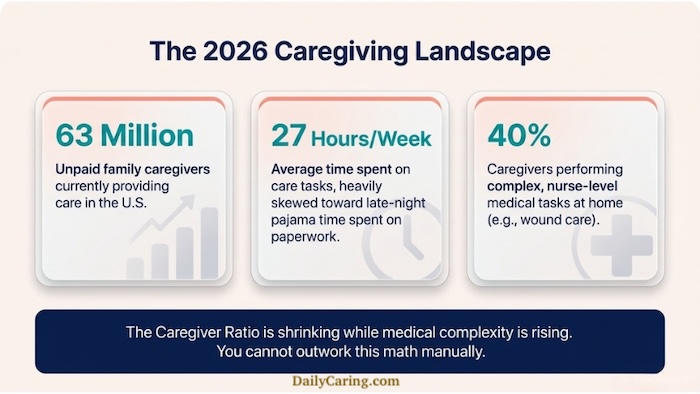
As the broader caregiving crisis continues to challenge healthcare systems and families alike, the integration of automation, robotics, and artificial intelligence into daily care routines appears increasingly inevitable. By embracing these innovative tools, family members are not looking for shortcuts or outsourcing their dedication; rather, they are strategically deploying available resources to manage heavy responsibilities more sustainably over the long marathon of caregiving.



