
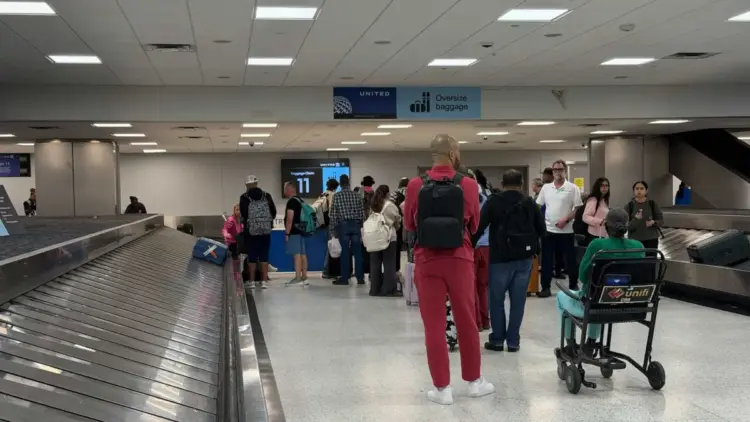
Early this year, what should have been a routine commercial flight transformed into a frustrating, months-long ordeal that underscores the ongoing crisis of disability travel in the United States. Sitting by the window of an American Airlines aircraft, a frequent traveler watched helplessly as baggage handlers bypassed standard protocol. Rather than utilizing an appropriate wheelchair lift to safely lower a 400-pound motorized mobility device, the ground crew attempted to physically lift the heavy chair from the belt loader.
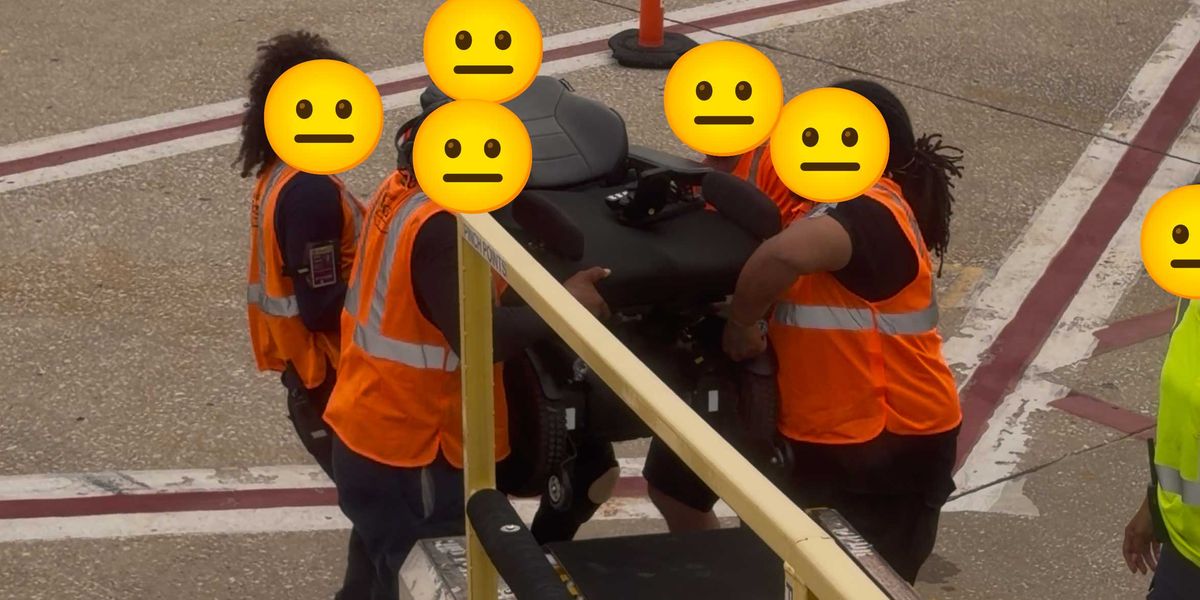
The outcome was entirely predictable. The sheer weight of the custom power chair made it impossible for the handlers to manage safely. It slipped from their grip and dropped awkwardly onto the tarmac pavement below.
From the vantage point of the cabin window, the immediate assumption was that the frame had suffered structural trauma. However, assessing complex medical equipment from a distance is rarely straightforward. In the formal damage claim filed immediately following the flight, the traveler reported what could be physically verified at first glance: a broken piece of plastic trim, a bent headlight, and, most alarmingly, an unusual grinding noise originating from the wheel assembly. Visually, the heavy-duty chair appeared largely intact, proving once again that looks can be deceptive when dealing with sophisticated mobility technology.

What followed was a protracted, exhausting cycle of misdiagnoses, repeated mishandling by multiple carriers, and an institutional disconnect between standard local repair services and the specialized engineering requirements of modern power wheelchairs.
A local wheelchair repair technician was dispatched to the traveler’s home to investigate the mechanical anomalies. After a preliminary evaluation, the technician diagnosed the primary issue as a bent drive wheel. Several weeks later, the replacement part arrived and was installed, yet the concerning noise persisted unabated. A second technician was subsequently sent out, this time concluding that the underlying problem stemmed from a damaged motor. Another multi-week wait ensued while a replacement motor was ordered and fitted into the chassis. Once again, the noise remained, echoing stubbornly through the mechanical framework.
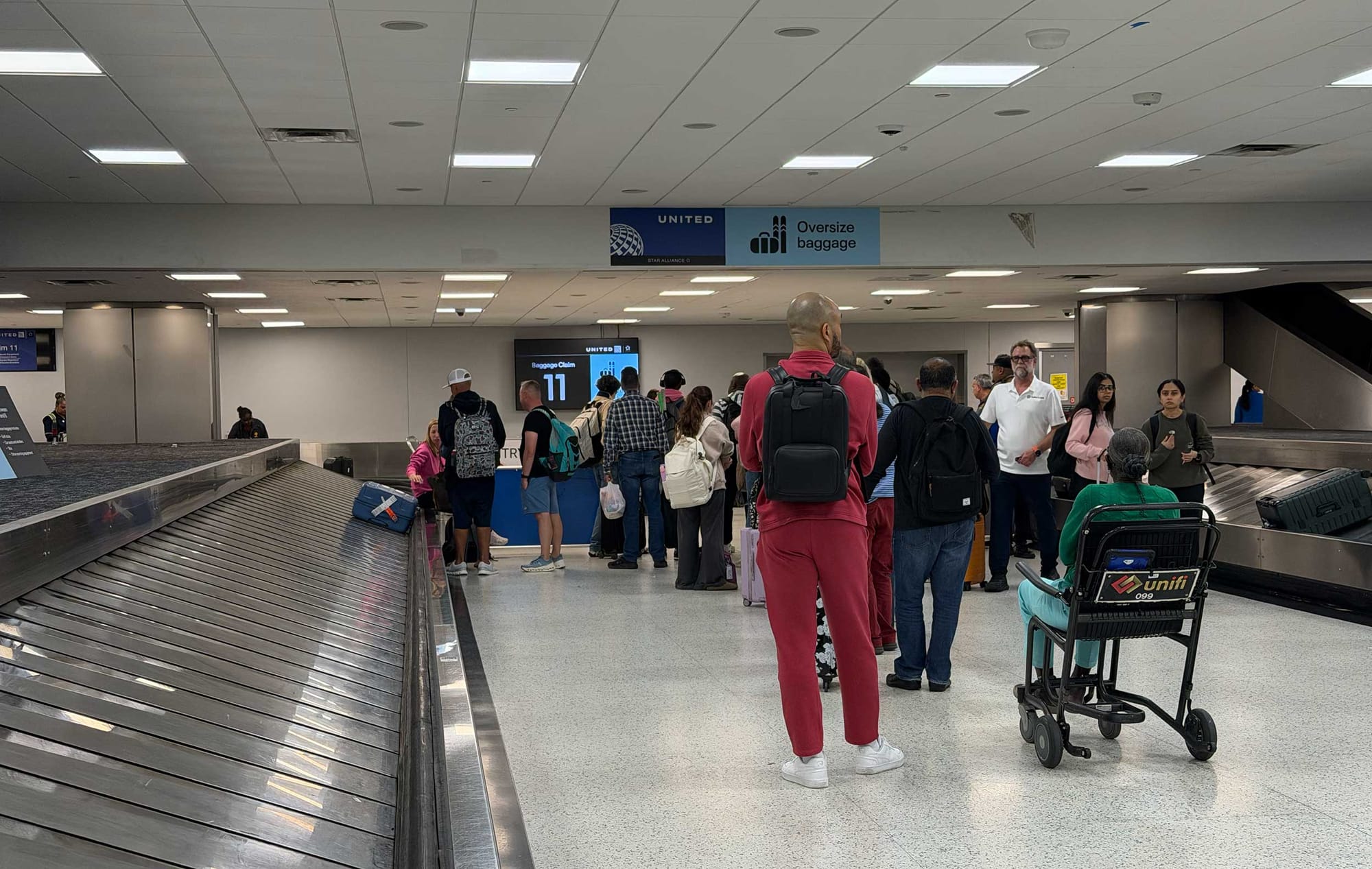
Before this initial puzzle could be solved, the wheelchair was subjected to further mishandling—not once, but twice, this time under the watch of United Airlines. During these subsequent journeys, the chair was dropped with even greater force. The impact resulted in a visibly bent armrest, a torn seat cushion, and a significantly louder, more distressing mechanical grinding noise emanating from the undercarriage.
Over the succeeding months, a revolving door of local repair personnel cycled through the home. Every conceivable component—motors, wheels, casters, and shock absorbers—was systematically replaced. Yet, the persistent noise refused to go away.

Exhausted by the process, having sacrificed countless hours across more than ten separate service appointments with no tangible resolution, the traveler was on the verge of surrender. In a final, desperate attempt to uncover the root cause, a request was made for the equipment manufacturer to inspect the device directly.
The intervention of a Permobil manufacturer representative fundamentally shifted the narrative. As an expert intimately familiar with the complex engineering of the specific model, the representative immediately identified what local technicians had missed: the wheelchair’s frame had indeed suffered severe structural damage. The representative delivered a sobering verdict that is all too familiar within the disability community: once a heavy power wheelchair is dropped in this manner, the manufacturer can no longer certify that the equipment remains safe for daily use.
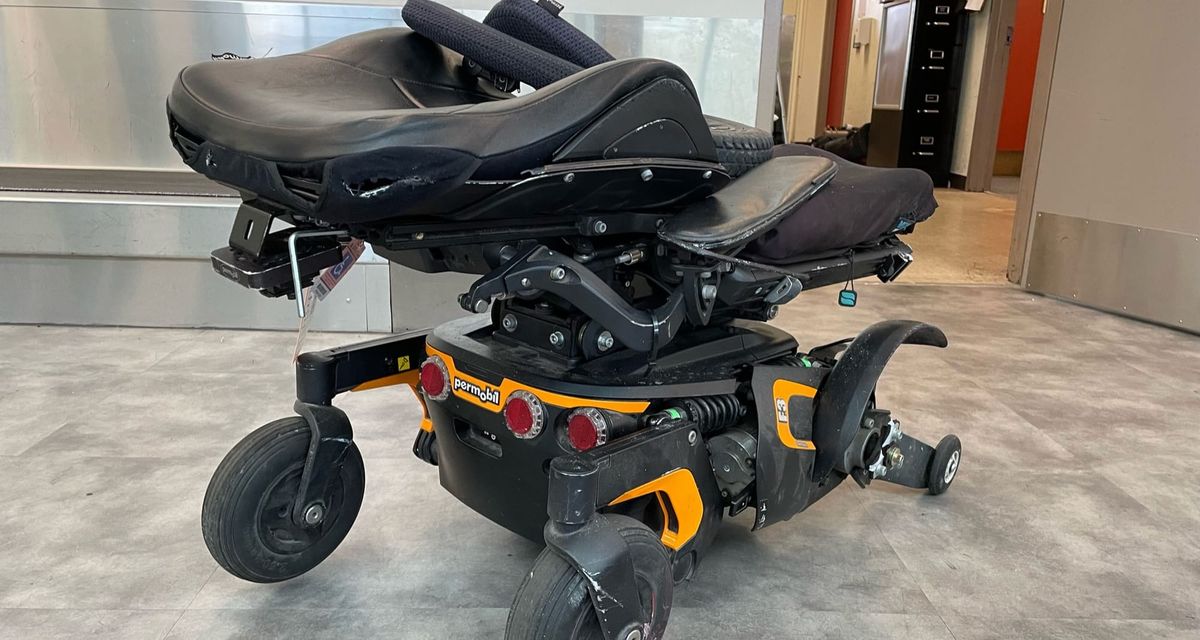
Those authoritative words proved to be the catalyst needed for corporate accountability. United Airlines ultimately reviewed the findings and approved a full replacement for the compromised wheelchair. With this latest settlement, a grim milestone was reached: the traveler has now had a primary power chair completely destroyed and subsequently replaced by each of the major legacy U.S. carriers—having faced catastrophic mishandling once by Delta Air Lines, multiple times by American Airlines, and now by United Airlines.
The root of the prolonged diagnostic failure lies in a fundamental mismatch of expertise. Local wheelchair repair technicians possess immense value for routine community maintenance, spending their days changing tires, swapping worn batteries, and replacing minor modular components. The equipment they typically service is designed for domestic and local use within homes and neighborhoods, rarely subjected to the brutal logistics of being loaded and unloaded from commercial aircraft cargo holds over a hundred times a year.
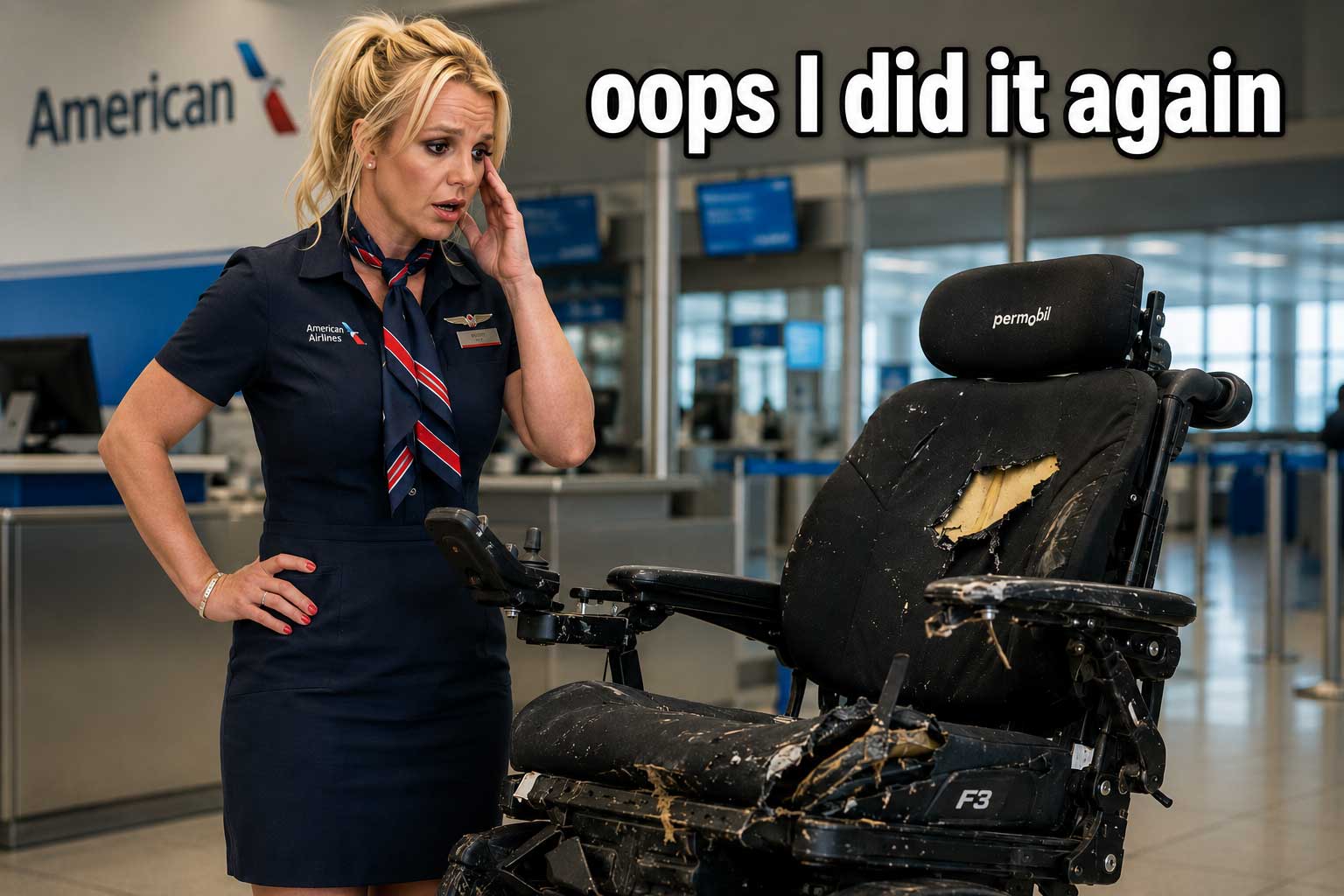
When these local technicians were called upon to assess flight-related damage, they heard an auditory symptom and logically attempted to fix it through standard part replacements. It was a well-intentioned approach, but ultimately an exercise in futility. The core damage to the frame was inherently unrepairable from the start.
The reality of air travel for power wheelchair users involves unique physical forces that virtually never occur in a domestic environment. A 400-pound motorized mobility device is never hoisted into the air or dropped onto concrete outside the care of commercial airlines. Recognizing this dynamic points to a necessary change in future advocacy and claims strategy: bypassing general local repair networks entirely in favor of direct manufacturer assessments can drastically accelerate the identification of catastrophic, irreparable frame damage.

Even as a brand-new replacement wheelchair was delivered, offering a momentary reprieve, the systemic vulnerability of air travel quickly reasserted itself. Just a month after delivery, the new equipment undertook its maiden voyage—a round-trip itinerary between St. Louis and Dallas operated by American Airlines. While the outbound leg was smooth, the return flight yielded familiar concerns. Though the full extent of the impact remains to be quantified, loud, concerning squeaking noises are now emanating from the seating system and central pillar. The cycle, it appears, is ready to begin all over again.



