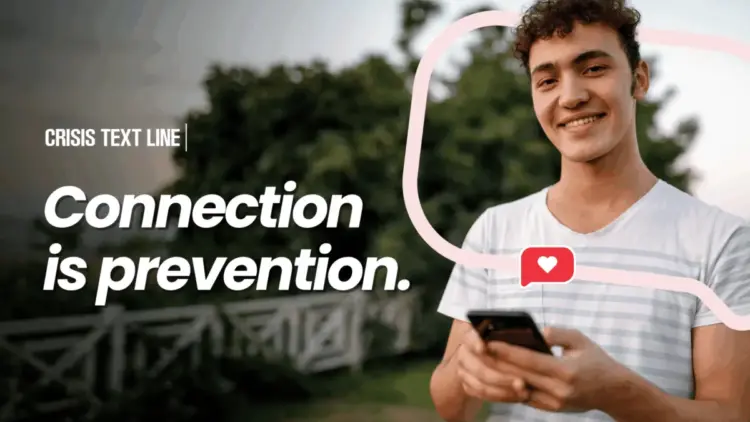
As communities across the United States mark National Suicide Prevention Month this September, the Crisis Text Line is spearheading a nationwide awareness campaign anchored by a singular, vital concept: connection is prevention. Extending through World Mental Health Day on October 10th, the initiative highlights the profound impact of human interaction, emphasizing that feeling linked to another person—even briefly—can serve as the critical turning point between a difficult night and a tragedy.
Throughout the month, organizations, advocates, and community members are being encouraged to reach out and actively check in on the people in their lives. According to mental health professionals and crisis organizers, initiating a simple conversation remains a powerful and meaningful act of early intervention. For individuals experiencing immediate distress or emotional turmoil, free, confidential, 24/7 support is available by texting the word CONNECT to 741741, connecting them directly with a trained, live volunteer crisis counselor without judgment.
Understanding the Timing and Significance of Suicide Prevention Month
National Suicide Prevention Month takes place annually every September, serving as a dedicated period to elevate public awareness, share vital resources, and honor individuals and families affected by suicide. The observance encompasses several critical dates and awareness milestones that unite advocates, survivors, and mental health organizations nationwide.
In 2026, the urgency surrounding mental health support and suicide prevention remains paramount. Public health experts note that contemporary global and societal pressures continue to underscore the necessity for accessible awareness, robust community advocacy, and dependable lifelines. Data and insights gathered from annual mental health trends further demonstrate why proactive prevention and the early recognition of warning signs are essential for safeguarding community well-being. By analyzing the recurring themes and emotional burdens discussed in everyday support conversations, organizations can better understand the evolving challenges people face and ensure that help is always within reach.
Day in and day out, crisis responders step forward to support individuals navigating their darkest moments, ensuring that no one is forced to carry overwhelming emotional weight in isolation. For those who are struggling, engaging in even a single text-based conversation can restore a sense of hope, reestablish human connection, and ultimately prove lifesaving. As organizations work around the clock to maintain these vital communication channels, public contributions and donations help sustain the infrastructure required to keep these services free, confidential, and accessible to anyone in need at any hour of the day or night.
The Science and Impact of Social Connectedness
Extensive research into suicide risk factors highlights a powerful protective element that is often overlooked: strong, dependable relationships. Public discussions surrounding suicide prevention frequently focus on acute interventions that occur during a severe crisis, such as emergency room visits or scheduled sessions with a licensed therapist. While institutional and clinical resources undoubtedly save lives, the majority of suicide prevention actually occurs much earlier, during ordinary, everyday moments when an individual feels genuinely safe, valued, and seen rather than invisible.
People who maintain strong social connections with family members, friends, or broader community networks are statistically less likely to reach a severe crisis point. Furthermore, when individuals do encounter overwhelming difficulties, established social bonds make them significantly more likely to reach out for assistance. Healthy connection fundamentally changes how a person navigates and endures hardship.
At the same time, mental health advocates emphasize the importance of understanding what loneliness truly feels like in modern society. Loneliness is not merely physical isolation; it can be experienced acutely in a crowded room or within a household surrounded by people who do not truly understand an individual’s inner life. It can manifest as having a smartphone filled with contacts while lacking anyone to genuinely call during a moment of need. Experts note that experiencing these feelings is remarkably common and entirely treatable, reassuring anyone who relates to these sensations that they are not alone.
Reaching Out Without Fear of Imperfection
One of the most persistent barriers preventing people from checking in on their loved ones is the fear of saying the wrong thing. However, mental health professionals stress that there is no need for a complex or perfect script. A simple, genuine message—such as expressing that someone has been on your mind and asking how they are doing—can go a very long way in bridging an emotional gap.
Furthermore, supportive action should not be reserved exclusively for individuals who explicitly ask for help. Most people who are suffering internally do not use the word suicide, nor do they openly broadcast their pain. Instead, they may exhibit subtle behavioral shifts, such as canceling social plans, withdrawing from daily activities, or going quiet in group chats and professional settings. Supporting someone who is struggling involves noticing these subtle signs and taking the initiative to reach out anyway, even when there is uncertainty about whether something is wrong. In the realm of mental health support, experts consistently affirm that it is far better to ask and be mistaken than to remain silent and wonder later.
Recognizing the Colors and Symbols of Awareness
The official visual representations for National Suicide Prevention Month are purple and teal. These colors carry distinct meanings centered on healing, hope, and resilience, serving as visual touchstones for the broader mental health movement.
Together, purple and teal ribbons, graphics, and banners appear across community events, digital platforms, and educational materials as a visible signal that suicide is preventable and that help is readily available. Organizers encourage community members to wear or share these colors throughout September to foster greater visibility. Increased public awareness naturally opens the door to important conversations that might not otherwise take place, dismantling lingering stigmas and encouraging individuals to seek help earlier.
Taking Meaningful Action Throughout September
There are numerous ways for individuals to get involved and demonstrate their support throughout National Suicide Prevention Awareness Month. Whether by educating oneself on the warning signs of distress, sharing verified mental health resources within personal networks, participating in local awareness events, or contributing to organizations that provide round-the-clock crisis support, every action contributes to a larger cultural shift.
No matter how someone chooses to participate, community members possess the ability to make a tangible impact by raising awareness and reinforcing the message that help is available. To learn more about ongoing awareness initiatives or to support organizations dedicated to keeping crisis lines open and free, individuals can explore available online resources and contribute to programs designed to ensure that no one faces a mental health crisis alone.
For anyone experiencing immediate distress, thoughts of suicide, or overwhelming emotional pain, free and confidential support is available 24 hours a day, 7 days a week. Text CONNECT to 741741 to reach a live, trained volunteer crisis counselor who is ready to listen without judgment.