
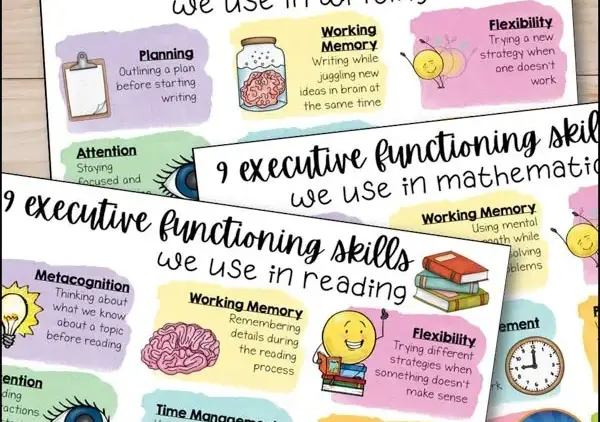
In the landscape of modern education, academic subjects are traditionally divided into distinct silos: mathematics, language arts, science, social studies, and the arts. However, educators and cognitive specialists increasingly emphasize that a critical set of foundational skills underpins success across every single one of these disciplines. These are executive functioning skills—the core brain-based cognitive processes that allow individuals to plan, focus, remember instructions, manage multiple tasks successfully, and regulate their own behavior.
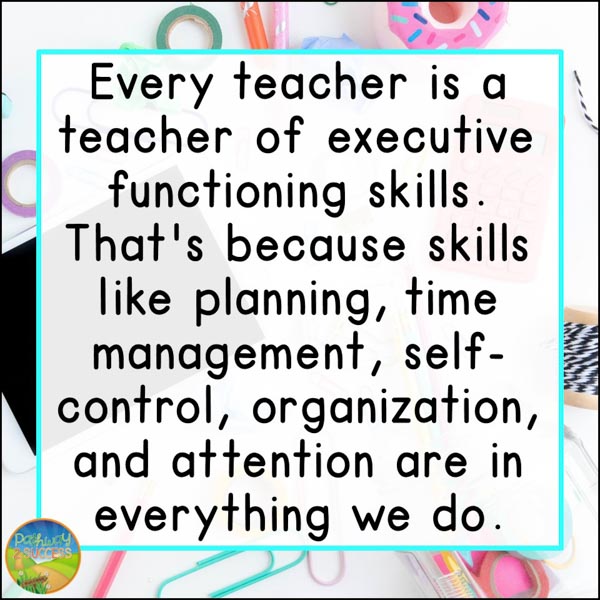
Experts in child development and pedagogy argue that virtually every teacher, regardless of their grade level or subject area, is fundamentally a teacher of executive functioning. Whether a fourth-grade student is tackling a complex multi-step math word problem, an eighth-grade student is structuring a persuasive English essay, or a high schooler is navigating a collaborative art project, the underlying mechanics of success remain the same. Students must plan their approach, initiate the task without undue delay, organize their materials, maintain attention amidst distractions, manage their available time, and problem-solve when obstacles arise.
Recognizing this reality has shifted how many schools approach daily instruction. Rather than treating executive functioning as a separate curriculum or an accommodation reserved solely for students with specific learning differences, educators are looking at ways to weave these cognitive strategies directly into existing lesson plans. By intentionally highlighting planning, metacognition, and self-regulation within traditional academic content, schools are aiming to build a more resilient and independent student body.
To understand the push for integrated executive functioning support, it is necessary to examine what these skills encompass. Neurologically, executive functions are managed primarily by the prefrontal cortex of the brain. They govern a wide array of goal-directed behaviors. Planning involves anticipating future needs and mapping out sequential steps to achieve a goal. Metacognition refers to a student’s ability to think about their own thinking—understanding how they learn best and recognizing when they are confused. Organization keeps physical and digital materials, as well as trains of thought, orderly and accessible. Task initiation addresses the common hurdle of getting started on an assignment in a timely manner, while sustained attention allows students to lock onto tasks, people, and ideas effectively.
Furthermore, these core abilities include time management, self-monitoring, self-control, perseverance, and flexible thinking. Self-monitoring enables students to check in on their progress against a rubric or goal, while self-control provides the pause button needed to think before acting. Perseverance and problem-solving drive learners through difficult academic challenges rather than allowing them to give up when work becomes strenuous. Finally, flexible thinking equips students to adapt to unexpected changes in routine or perspective, an essential trait in both academic environments and the broader world.
Despite the profound impact these skills have on academic performance, educators often face the challenge of finding time in an already packed school day to address them. Curricular demands leave little room for standalone programs dedicated entirely to cognitive development. Consequently, the prevailing strategy among instructional leaders is integration. Teachers are finding that they do not need to overhaul their curriculum to make a difference; instead, they can subtly infuse executive functioning strategies into the lessons they are already required to teach.
For instance, when introducing a writing assignment, a teacher can explicitly model the planning phase by breaking the project down into manageable micro-steps rather than assigning the final essay as a monolithic task. During science experiments, educators can prompt students to practice metacognition by asking them to reflect on their hypotheses and adjust their thinking when initial results diverge from expectations. In mathematics, emphasizing problem-solving and perseverance shifts the focus away from merely getting the right answer and toward valuing the process of working through difficult challenges.
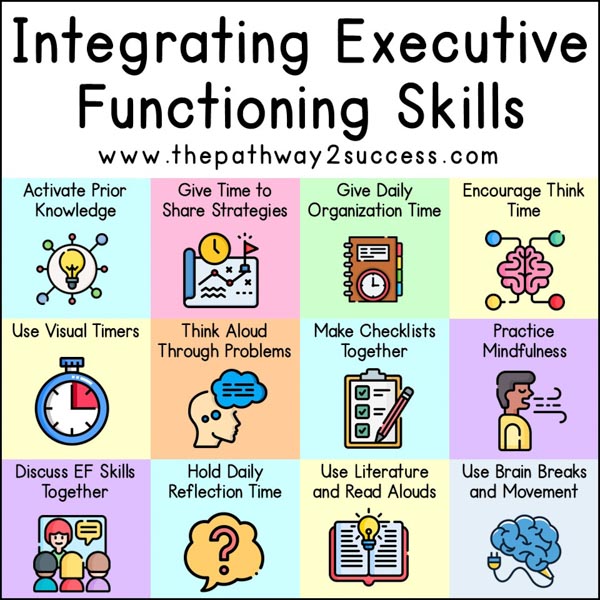
Beyond integrating these concepts into core content, many classrooms are incorporating brief, targeted routines designed to keep executive functioning front and center throughout the school year. These practices are intentionally designed to be concise, requiring only a few minutes at the beginning of a class period or integrated naturally into daily transitions, thereby avoiding any disruption to essential instructional time.
One common approach involves the use of intentional daily routines, such as exploring an executive functioning "word of the day" or analyzing a motivational quote during morning meetings or homeroom periods. Terms like neuroplasticity, momentum, routine, and self-discipline provide students with a shared vocabulary to discuss their own cognitive development. When students examine a quote focused on perseverance or problem-solving, brief guided discussions help connect those abstract ideas to the practical challenges they will face during the upcoming school day.
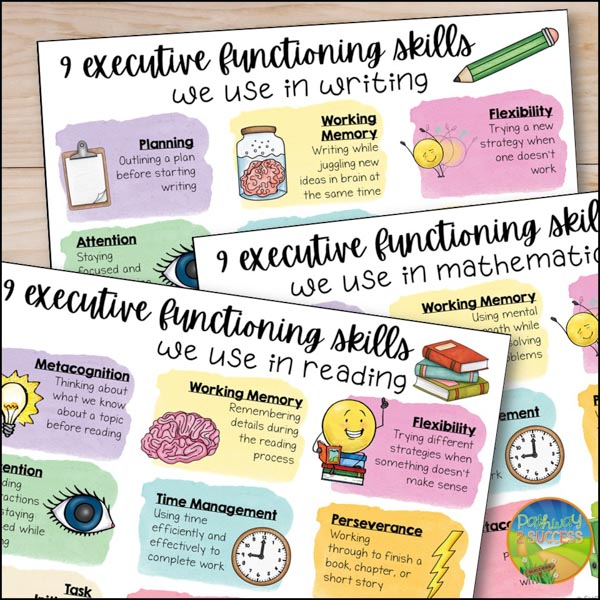
Similarly, educators are leveraging literature to spark conversations about cognitive and behavioral strategies. Traditional read-aloud books and independent novel studies offer rich narrative landscapes where characters routinely face dilemmas, make impulsive choices, or demonstrate remarkable self-control and resilience. By pausing during a story to ask students what choices characters are making or how they are working through obstacles, teachers can prompt young learners to analyze behavior from an executive functioning perspective. This method allows students to observe the real-world consequences of planning, attention, and flexibility in a low-stakes literary environment before applying those same insights to their own lives.
Proponents of this integrated approach emphasize that building executive functioning skills is a cumulative, long-term endeavor. Brain development in the areas responsible for these cognitive processes continues well into early adulthood, meaning that students require consistent modeling, guidance, and opportunity for practice across all their years in school.
By reframing everyday academic hurdles as opportunities to strengthen cognitive flexibility, organization, and self-regulation, teachers are doing much more than delivering content-specific knowledge. They are equipping students with the psychological and strategic toolset required for independent lifelong learning. As schools continue to refine their instructional methods, the integration of executive functioning strategies stands out as a practical, sustainable bridge between daily academic instruction and the broader developmental needs of students navigating an increasingly complex world.



