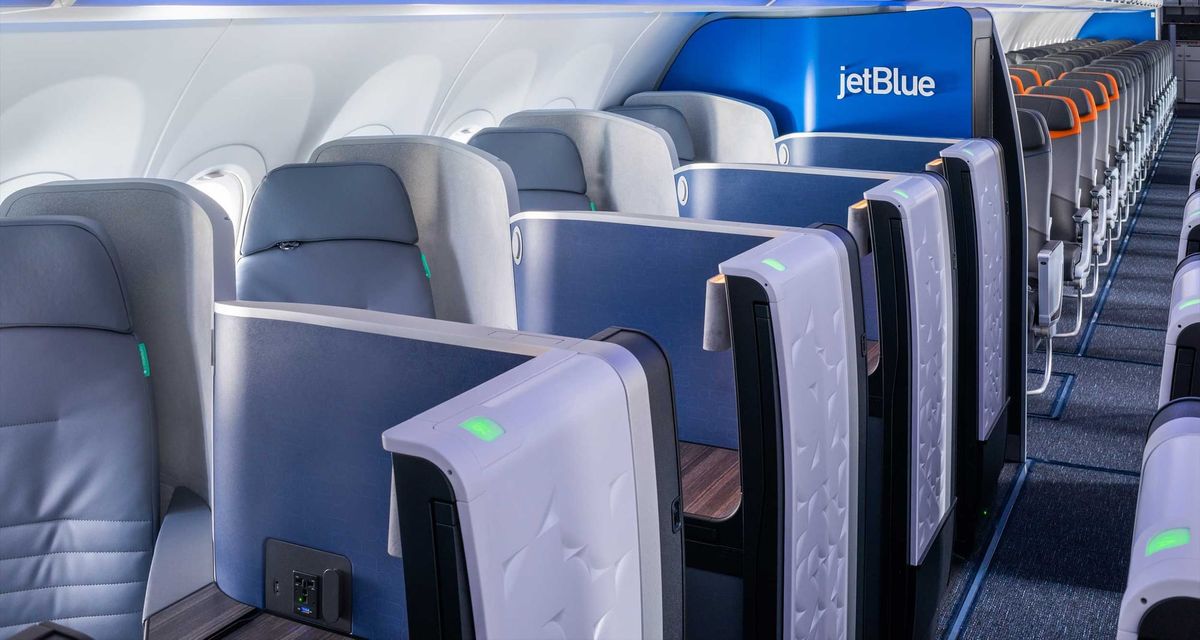
For wheelchair users navigating the modern commercial aviation landscape, the physical layout of an airplane cabin is far more than a matter of aesthetic preference or personal comfort—it can be the difference between a safe journey and a terrifying, physically hazardous ordeal. John Morris, a prominent advocate and founder of Wheelchair Travel, knows this better than most. Recalling one of the most frightening moments of his life, he describes a 2023 flight aboard JetBlue’s Mint Suite from Boston to Los Angeles. Upon arrival, a team of airline staff attempted to lift him out of the business class seat using a sling, lost their grip, and left him dangling upside down with his head hovering precariously near the floor. During the struggle, an employee grabbed him by the shirt collar, effectively cutting off his air supply. Morris subsequently documented the harrowing experience, labeling the configuration the least accessible business class seat flying today.
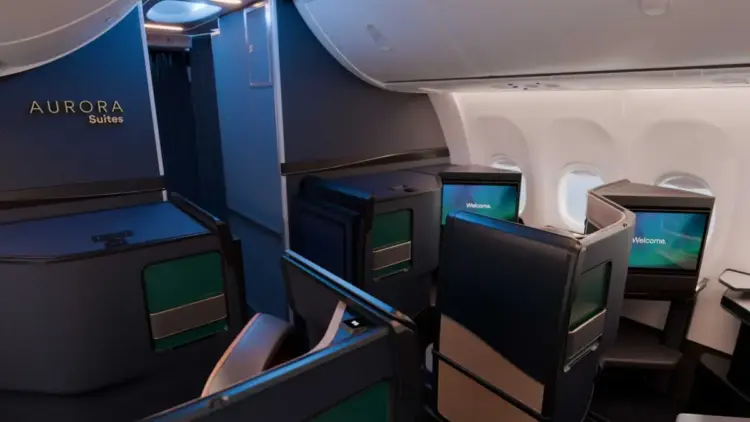
Given that history, when Alaska Airlines officially unveiled its brand-new Aurora Suites for the upcoming Boeing 737-10 MAX fleet last month, Morris bypassed the promotional hype surrounding the oversized entertainment screens and the signature northern lights exterior paint job. Instead, he zeroed in on a single, critical metric: the orientation of the seats.
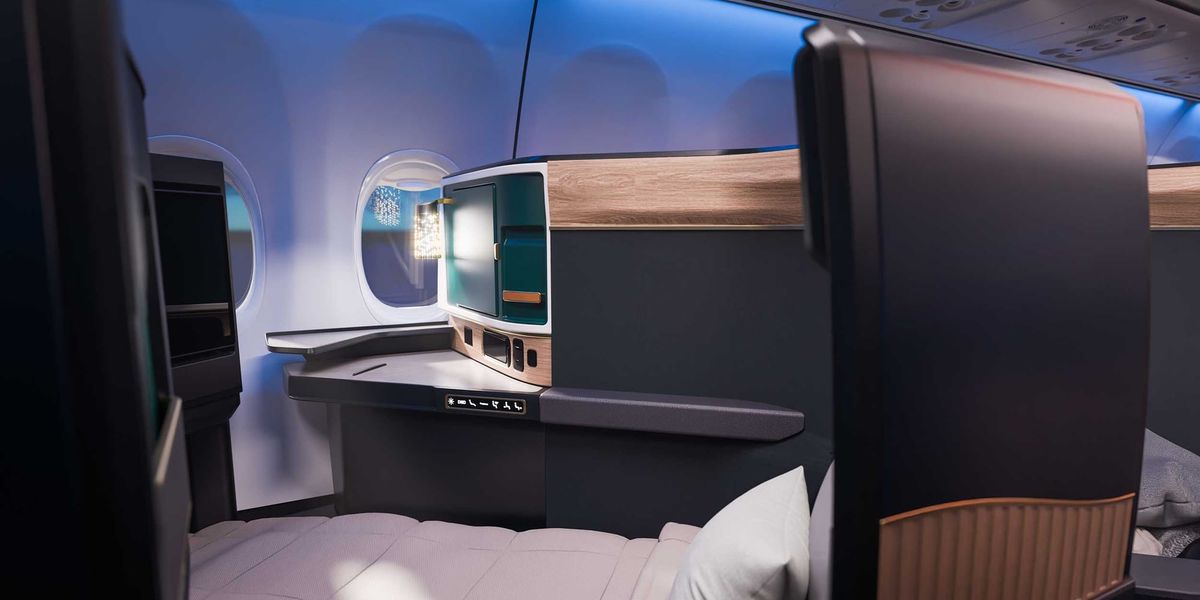
To his pleasant surprise, Alaska’s new cabins are arranged in a reverse herringbone configuration, meaning the passenger suites face outward toward the window rather than inward toward the aisle. This layout directly bucks a troubling industry trend established by major competitors such as JetBlue, American Airlines, and United Airlines. On narrow-body aircraft, those airlines have increasingly installed herringbone suites that face the aisle. That specific design choice creates monumental logistical and physical hurdles, dictating whether a wheelchair user can successfully transfer or be safely maneuvered from an airport aisle chair into the aircraft seat, or whether they must be awkwardly hauled across open space into a narrow, restricted pod.
Upon reviewing the initial cabin blueprints and renderings, Morris’s reaction was immediate: "Holy Aurora! Alaska really got this one right."

Hello, Aurora!
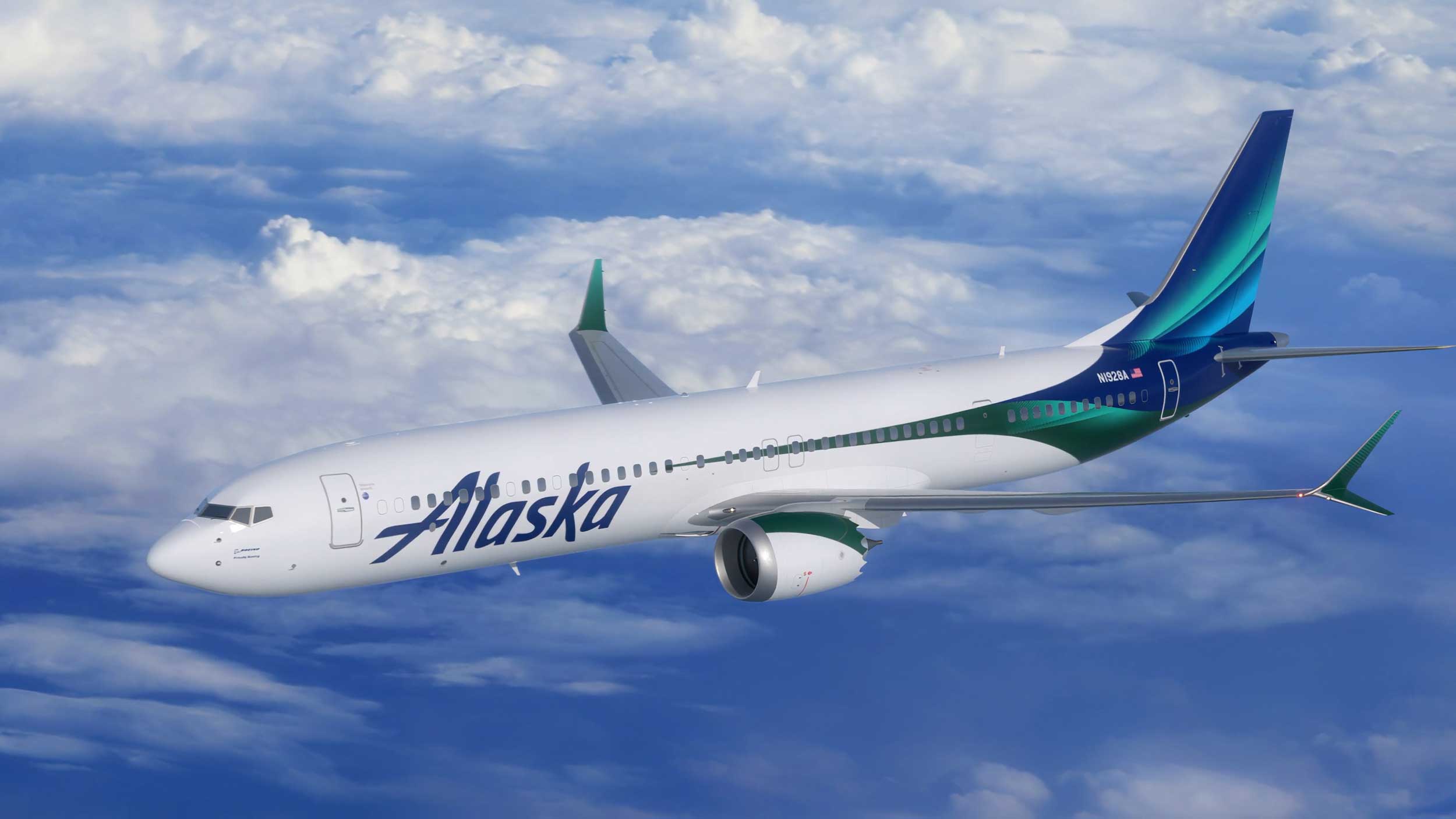
The name "Aurora" represents a significant evolution in Alaska Airlines’ premium product branding. Across the carrier’s wide-body Boeing 787 Dreamliners, Aurora will serve as the signature designation for international business class service. Meanwhile, on the single-aisle Boeing 737-10 MAX fleet, the product will be marketed as first class on premium coast-to-coast routes. This rollout marks a historic milestone for Alaska, representing the very first time the airline has offered fully flat-bed seating on a single-aisle aircraft.
Under the current fleet plans, at least 25 of the new Boeing 737-10 MAX aircraft will feature 12 Aurora Suites apiece. These suites will be arranged in a staggered layout with one suite on each side of the central aisle across six rows. Each individual suite will feature direct aisle access, a seat that fully transforms into a lie-flat bed, an expansive high-definition entertainment display, and an array of modern charging and power options. Alaska Airlines expects these state-of-the-art aircraft to officially enter commercial service in 2028, with initial routes slated to connect key West Coast hubs with New York City.
The Elevate Ascent Business Class Seat
For its narrow-body premium cabins, Alaska Airlines has selected a single-aisle variant of the Ascent seat manufactured by Elevate Aircraft Seating. Elevate originated as Adient Aerospace, a joint venture originally co-founded by Boeing alongside automotive seating manufacturer Adient, before rebranding under its current moniker in 2025.
Frequent flyers and accessibility advocates are already familiar with the Ascent seating architecture. Morris previously tested the product earlier this year on an American Airlines flight, documenting his experience in a detailed review of the airline’s Flagship Business Class Suite aboard Boeing 787-9 and Boeing 777-300 airframes. While his evaluation confirmed that the reverse herringbone layout faces the correct direction, he noted that American compromised the design by boxing the seat in with a fixed wall housing a sliding privacy door. That solid partition obstructs a significant portion of the seat from the aisle, rendering a safe lateral transfer from an aisle transfer chair exceptionally challenging. Furthermore, during his test, the fold-down aisle armrest collapsed under his body weight as he attempted to reposition himself.
Fortunately, preliminary renderings of Alaska’s Boeing 737-10 version suggest the airline has chosen to omit the sliding privacy door—though the surrounding partition wall remains. This design tweak will hopefully provide a slightly more open profile facing the aisle, easing some of the physical friction involved during the boarding and deplaning process.
What Alaska Still Needs to Get Right
While adopting a reverse herringbone seating orientation represents a monumental step forward for accessible premium travel, industry experts emphasize that facing the right direction cannot be the final destination for inclusive design. With a multi-year runway before these aircraft take to the skies in 2028, Alaska Airlines has a critical window of opportunity to refine four vital operational and structural details that will ultimately determine whether the Aurora Suite is genuinely functional for disabled travelers.
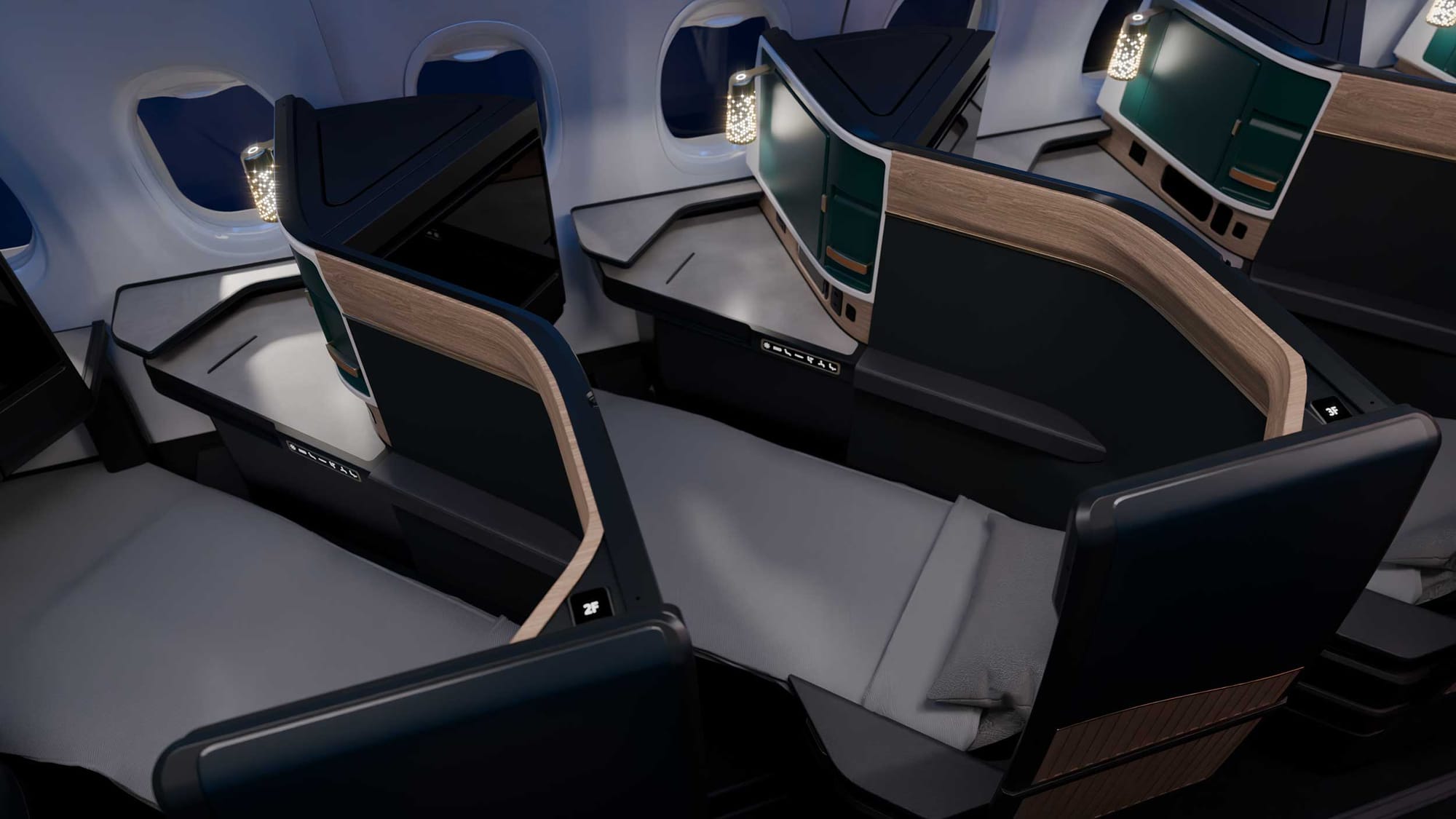
By choosing a reverse herringbone layout for the Aurora cabin, Alaska Airlines has undeniably outmaneuverered its primary competitors in terms of baseline accessibility. Yet, industry observers maintain that more can and should be done to elevate the travel experience for passengers with disabilities before the aircraft are finalized and delivered.
The Bottom Line
Alaska Airlines watched its primary competitors make a deeply customer-unfriendly miscalculation by introducing aisle-facing business class suites on narrow-body aircraft, creating severe barriers for passengers with mobility impairments. The carrier’s forthcoming Aurora business class product on the Boeing 737-10 MAX successfully avoids that design pitfall by opting for a window-facing configuration that promises safer, more dignified transfers for wheelchair users.
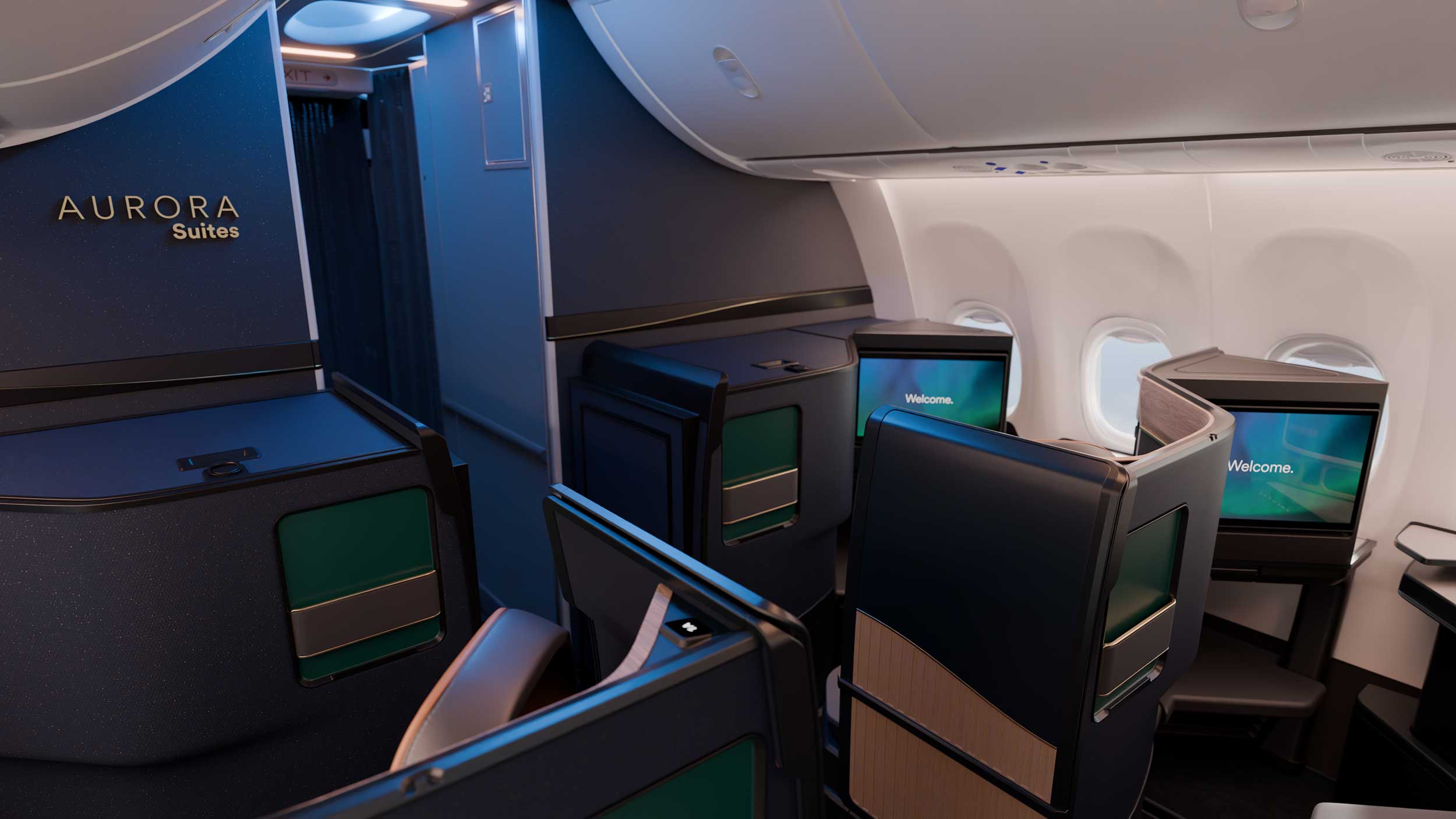
While accessibility may not have been the sole driving force behind the design choice—as general travelers universally prefer window views over aisle-facing layouts—advocates are prepared to take a positive outcome regardless of its motivation. If accessibility is genuinely treated as a core priority at Alaska Airlines over the next two years, the carrier will proactively incorporate sturdy, weight-bearing armrests, retractable partition walls, rigorous hands-on training with disability advocates, and a genuinely accessible lavatory into the final aircraft specifications. Should Alaska follow through on these additional measures, the Aurora Suite has the potential to establish a new gold standard as the most accessible lie-flat seat on any single-aisle aircraft operating in the United States.