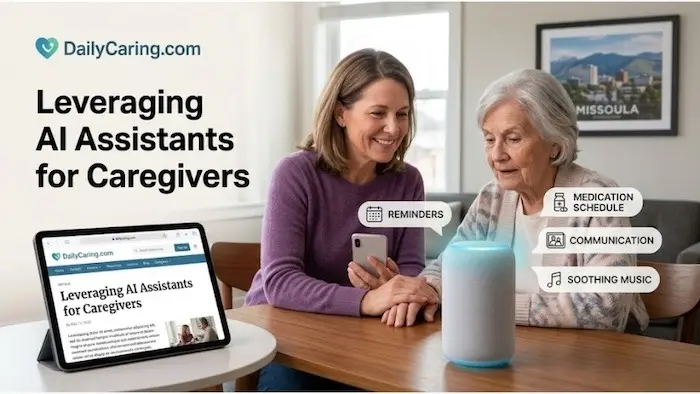
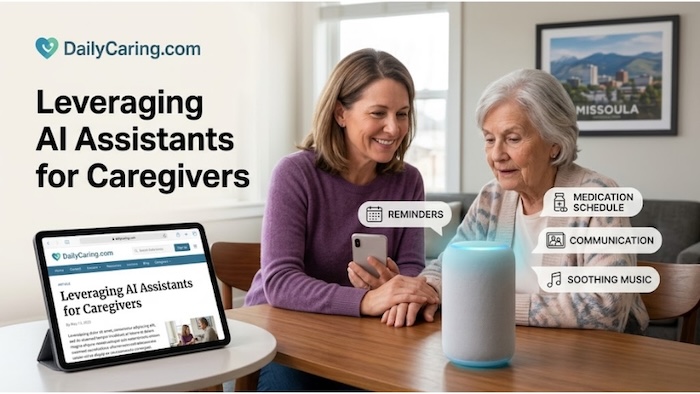
Being a family caregiver is widely recognized as an act of profound dedication, love, and sacrifice, yet it routinely brings an overwhelming amount of responsibility. Across the country, millions of caregivers juggle medical appointments, prescription management, household chores, emotional support, and countless daily duties while frequently sacrificing their own physical and mental well-being in the process. Beneath the surface of these visible tasks lies an invisible and often crushing weight known as the caregiver’s mental load. In response to this mounting crisis, healthcare technology experts and advocates are pointing toward emerging artificial intelligence assistants as a practical, modern pathway to help manage these heavy responsibilities.
Experts emphasize that introducing AI into caregiving is not about replacing the essential human touch or outsourcing affection. Instead, it is about empowering family caregivers with tools capable of automating mundane chores, organizing administrative chaos, and ultimately creating more meaningful moments for individuals to spend quality time with their loved ones and themselves. As modern caregiving grows increasingly complex, understanding this invisible burden has become the critical first step toward embracing innovative solutions that help families thrive rather than simply survive.
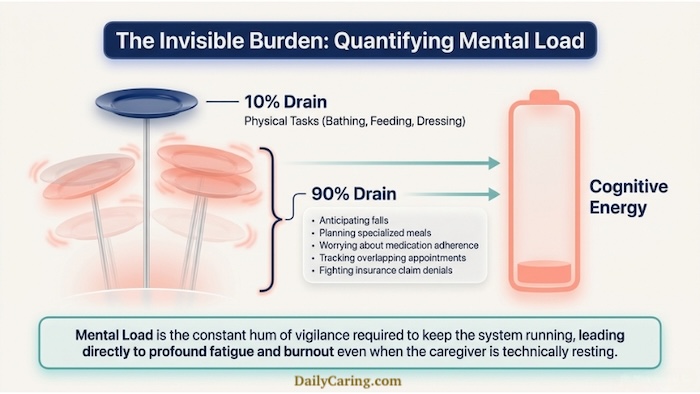
The mental load carried by modern family caregivers is frequently compared to a set of spinning plates, where each plate represents a relentless cognitive demand. Questions constantly race through a caregiver’s mind: Did my loved one take their scheduled medication? When is the next physical therapy session? What specific groceries are needed from the store? Who needs to be called at the insurance company? How can I balance my children’s schedules with my parent’s medical needs? Is my loved one comfortable right now?
This cognitive burden extends far beyond the physical execution of tasks. It is the continuous remembering, planning, anticipating, and worrying that persists even when the caregiver is resting. It is a silent, relentless mental effort required to keep daily life functioning smoothly, typically carried out with little to no outside recognition. Over time, this unyielding mental load takes a heavy toll on personal health, eroding emotional resilience, sleep quality, and overall quality of life. Many caregivers experience chronic fatigue, irritability, heightened anxiety, and a pervasive feeling of being perpetually overwhelmed.
When this invisible weight goes unmanaged, it frequently culminates in caregiver burnout—a state of profound emotional, physical, and mental exhaustion that goes far beyond normal tiredness. Recognizing these warning signs is vital for long-term well-being. Healthcare advocates note that acknowledging the need for help is not a sign of failure, but rather a necessary step toward reclaiming personal health through targeted support systems.

Technology has long played a role in assisting families, but the evolution of artificial intelligence has fundamentally shifted the landscape. For years, digital tools were largely limited to basic alarms and static reminders. Today, modern AI assistants designed for family caregiving can learn household routines, interpret complex commands, integrate seamlessly with various smart devices, and offer proactive suggestions before problems escalate. These platforms have matured from simple digital notepads into sophisticated digital co-pilots engineered to anticipate needs and streamline daily operations.
The core promise of artificial intelligence in this sector is returning valuable time and mental breathing room to overwhelmed families. By automating repetitive administrative tasks, organizing complex healthcare information, and providing instant access to resources, AI tools aim to reduce decision fatigue, enhance home safety, and offer an accessible outlet for emotional wellness support.
In practice, these technologies manifest across several key areas of daily life. For routine tasks, AI-driven calendars, automated scheduling, and smart grocery lists significantly reduce the friction of daily household management. In terms of communication, centralized coordination apps allow families and informal support networks to share updates and divide responsibilities without relying on exhausting group text chains. Furthermore, advanced monitoring tools and smart home controls provide continuous safety features, such as fall detection and anomaly tracking, which substantially alleviate nighttime anxiety for family members living separately or sleeping in another room.

Real-world applications of these technologies are already making a tangible difference for households navigating chronic conditions and aging. Systems like Sensi.ai offer non-invasive safety monitoring for families worried about nighttime wandering or physical falls. Rather than installing intrusive video cameras that compromise privacy and dignity, the system utilizes small audio-only care pods placed around the residence. The AI listens for specific anomalies, such as an unexpected thud, repeated coughing spells, distress sounds, or unusual nighttime bathroom activity, and immediately alerts the caregiver’s smartphone.
For older adults requiring daily engagement and companionship, AI-driven companion robots like ElliQ provide proactive interaction. Unlike traditional smart speakers that remain dormant until spoken to, ElliQ initiates conversation, guides users through light physical exercises like chair yoga, plays trivia games, facilitates video calls with family members, and gently reminds individuals to stay hydrated or take medications. Simultaneously, the companion’s accompanying mobile application updates relatives on daily mood and activity patterns, helping to ease the persistent guilt many caregivers feel when they cannot be physically present twenty-four hours a day.
Administrative burdens, paperwork, and care coordination are also being addressed through specialized platforms and general artificial intelligence models. Applications like ianacare help family members mobilize and organize informal support networks, utilizing smart algorithms to delegate specific errands, medical transport, or respite periods among friends and neighbors. Meanwhile, general AI models such as ChatGPT and Google Gemini are increasingly utilized by caregivers to quickly draft medical appeals, organize complex care schedules, or brainstorm meal plans tailored to specific dietary restrictions.
Technology experts emphasize the importance of data privacy when utilizing public AI models for healthcare planning. Caregivers are strongly advised to always anonymize sensitive information, ensuring that real names, birthdates, Social Security numbers, and specific insurance details are never entered into public chat prompts. Using generic terms helps protect personal privacy while still allowing families to benefit from administrative assistance.
Integrating new technology into an already demanding routine requires a measured approach to avoid adding to the initial stress. Experts suggest identifying specific pain points—such as disorganized schedules, communication gaps, or safety concerns—before selecting a tool. Ensuring that chosen platforms emphasize ease of use, strong data security, and reliable integration capabilities helps families build a sustainable tech-enabled routine.
As the broader caregiving sector navigates ongoing workforce shortages and demographic shifts, industry analysts project that human caregivers and artificial intelligence will increasingly work in a symbiotic relationship. By allowing technology to handle repetitive cognitive tasks, human caregivers are better positioned to focus on the compassionate, emotional dimensions of care. Embracing these innovations represents a strategic approach to managing immense responsibilities, ensuring that families can sustain their caregiving journeys over the long term.