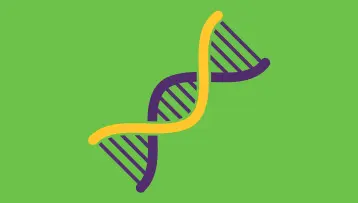
You might have heard of the TSC1 and TSC2 genes, which are linked to Tuberous Sclerosis Complex (TSC). But the way the condition affects someone is vastly more complicated than just pointing to these two genetic blueprints. Genes function much like tiny, highly specialized instruction books inside our cells, telling the body how to grow, divide, and function. Specifically, the TSC1 and TSC2 genes work in tandem to help control how cells grow by regulating a critical biochemical pathway in the human body known as the mTOR pathway. This pathway acts essentially like a master growth switch for the cellular machinery.
When changes, or mutations, occur within these genes, the delicate balance of this cellular switch is disrupted, leading to the formation of benign growths and tumours characteristic of TSC. However, the medical reality of TSC is that it does not affect everyone in the same uniform way. In fact, even individuals who share the exact same genetic change can experience wildly divergent symptoms, clinical courses, and overall impacts on their daily lives. Understanding how TSC genetics shape these individual trajectories—and why ongoing scientific research into these mechanisms is so critical—remains a major focus for clinical researchers and affected families alike.
To understand why TSC manifests so differently from person to person, it helps to examine the underlying cellular mechanics. In individuals with Tuberous Sclerosis Complex, the specific gene function that acts as a molecular brake on the mTOR pathway fails to operate as it should. Without this crucial braking mechanism, cells tend to enlarge and multiply in an uncontrolled fashion. This aberrant cellular proliferation is what ultimately leads to the characteristic growths and tumours associated with the condition.
Medical science has identified more than 1,500 distinct changes in the TSC1 and TSC2 genes that can result in a person developing TSC. Because the spectrum of mutations is so broad, two people who carry a variation in the very same gene can face vastly different clinical realities. One person might experience neurological symptoms such as seizures or developmental differences early in infancy or childhood, while another individual with a similar genetic profile may experience such mild symptoms that they are not formally diagnosed until well into adulthood. This wide variation in clinical presentation is known in medicine as "variable expression." It is a hallmark feature of TSC, helping to explain why no two patient experiences are ever completely alike.
The ways in which TSC can manifest across a population extend even further through varying inheritance patterns and genetic phenomena. While TSC can be inherited directly from a parent who carries the condition, approximately two-thirds of all diagnosed cases arise spontaneously. These occur due to a brand-new genetic change—a de novo mutation—that happens for the very first time in the affected individual, with no prior family history of the condition.
Compounding this complexity, some individuals exhibit a phenomenon known as mosaicism. In cases of mosaicism, the genetic change is not present in every single cell of the body, but rather in only a specific subset of cells. This mosaic distribution can frequently result in milder physical and neurological symptoms. At the same time, mosaicism can make the diagnostic process considerably more challenging for clinicians, because standard genetic tests conducted solely on routine blood samples may fail to detect the low-level presence of the mutation.
For families navigating a diagnosis, knowing which specific gene is affected—whether it is TSC1 or TSC2—can occasionally provide helpful guidance regarding what medical symptoms to monitor and how to inform subsequent healthcare decisions. Historically, mutations in the TSC2 gene are frequently associated with a more pronounced and noticeable set of clinical symptoms compared to TSC1 mutations. Nevertheless, medical professionals emphasize that this is not a rigid rule, and every single person’s lived experience with TSC remains entirely unique.
Current biomedical research is actively exploring these intricate genetic interactions in much greater detail. Investigators are closely examining how different types of changes within the TSC1 and TSC2 genes specifically impact the mTOR pathway and subsequent organ development. Researchers are also probing the precise role that mosaicism plays in driving milder or highly variable symptom presentations across different organ systems.
To unravel these complexities, scientists are utilizing advanced experimental models, including cellular models, sophisticated organoids—which are miniature, simplified versions of organs grown in laboratory settings—and detailed animal studies. These models allow researchers to safely test potential new therapies and pharmacological interventions long before they ever reach human clinical trials. By systematically combining detailed genetic data with comprehensive patient registries, researchers aim to build predictive models capable of forecasting symptom patterns, enabling more personalized care, and ultimately improving long-term monitoring, therapeutic options, and the overall quality of life for everyone living with TSC.
On a broader clinical level, comprehensive genetic testing serves a vital practical function beyond initial diagnosis. It can directly connect families with ongoing clinical trials, specialized research opportunities, and emerging therapies as they become commercially and clinically available. Furthermore, having precise genetic information equips treating physicians with the data needed to tailor personalized care and monitoring protocols, ensuring that individuals receive targeted medical support designed specifically for their unique bodily needs rather than a generalized treatment approach.
While the underlying genetics of Tuberous Sclerosis Complex are undeniably intricate and multifaceted, every new scientific discovery brings the medical community closer to optimized care paradigms and expanded treatment options. Gaining a deeper, more nuanced understanding of how the TSC1 and TSC2 genes function—alongside the broader biological and genetic factors that shape the condition—empowers affected families to navigate their healthcare journeys with confidence, make informed medical decisions, plug into robust support networks, and actively participate in the ongoing research that is actively defining the future of TSC care.